
Hands are among the most important tools a law enforcement professional has. They’re used for searches, defensive tactics, equipment handling, and countless tasks that expose officers to potential hazards.
Selecting the right pair of duty gloves is not just about comfort or fit. It’s about ensuring safety and enhancing performance in the line of duty. Duty gloves are not merely accessories; they’re protective equipment that directly affects an officer’s effectiveness and safety.
Brands like Hatch, part of the Safariland family, have long specialized in law-enforcement gloves. Their product lines reflect the diverse needs of officers, from high‑dexterity search gloves to insulated winter patrol gloves. Understanding the key factors that differentiate glove types helps officers choose the right pair for their mission.
Material: The Foundation of Performance
The material of a glove determines its durability, flexibility, and overall feel. Common materials include leather, synthetic fabrics, and hybrid combinations of both.
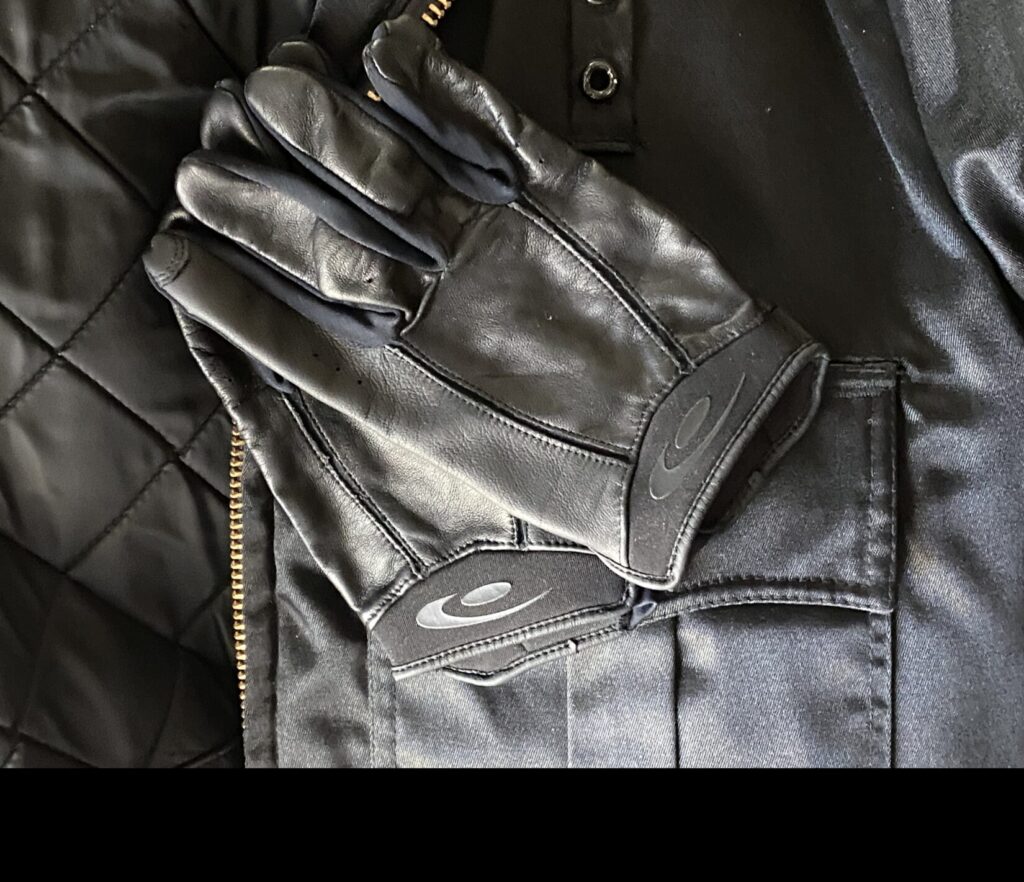
Leather remains a trusted choice for officers who need durability and a reliable grip. It resists abrasion and holds up well during repeated searches or physical contact with rough surfaces. Many Hatch gloves use premium leather in the palms to maximize longevity and maintain a natural, confident grip. The trade‑off is that leather can be less breathable and slightly less flexible than synthetics.
Synthetic materials—such as nylon and spandex—offer excellent dexterity and breathability. They conform closely to the hand, making them ideal for tasks requiring fine motor control. Synthetics provide a snug fit and better dexterity, though they may not match leather’s durability. Hatch integrates synthetics into many lightweight patrol and search gloves to give officers maximum tactile sensitivity.
Hybrid designs combine the strengths of both. A glove may feature a leather palm for grip and durability, paired with a synthetic back for flexibility and ventilation. This balanced approach is common in modern duty gloves, including several Hatch models designed for patrol and tactical use.

Protection: Matching Gloves to Operational Hazards
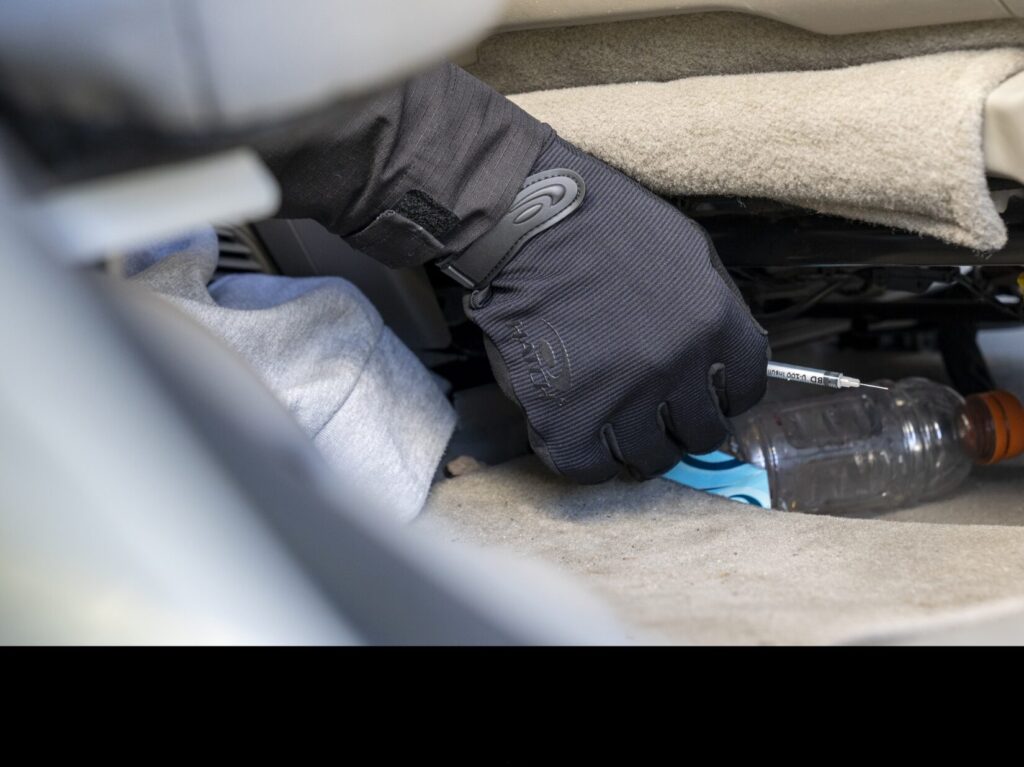
Protection is one of the most critical factors in glove selection. Some gloves are reinforced with materials like Kevlar or Spectra to resist cuts and punctures—an essential feature during searches where officers may encounter concealed blades, broken glass, or drug paraphernalia.
ANSI/ISEA 105 is the primary U.S. standard that classifies and tests hand protection—mainly work gloves.
Cut Resistance
The ANSI/ISEA 105 Cut Resistance scale ranges from A1 to A9, with A9 offering the highest protection. For law enforcement applications, a rating of A5 or higher is typically recommended. Gloves in this range help prevent lacerations during pat‑downs or when working in low‑visibility environments.
Hatch offers several cut‑resistant models that incorporate Kevlar or Spectra linings to meet these standards without sacrificing dexterity.
Needlestick Resistance
The ANSI/ISEA 105 Needlestick rating ranges from Level 1 to Level 5. Level 5 gloves provide the highest resistance to hypodermic needle penetration—critical for officers responding to overdose calls or searching areas with syringes. These gloves offer vital protection against bloodborne pathogens such as HIV and hepatitis viruses.
Hatch’s needlestick‑resistant gloves use layered materials engineered specifically for these high‑risk encounters.
Thermal and Heat Protection
Officers working in cold climates require insulated gloves with thermal linings to maintain dexterity and prevent frostbite. This is crucial not just for comfort, but also for maintaining dexterity. Hatch produces insulated patrol gloves with wind‑ and water‑resistant shells for winter operations.
Conversely, some roles require heat‑resistant or flame‑resistant gloves. Fire investigators or tactical teams may need gloves that withstand high temperatures without degrading. These specialized gloves use materials designed to resist heat exposure while maintaining structural integrity.
Impact Protection
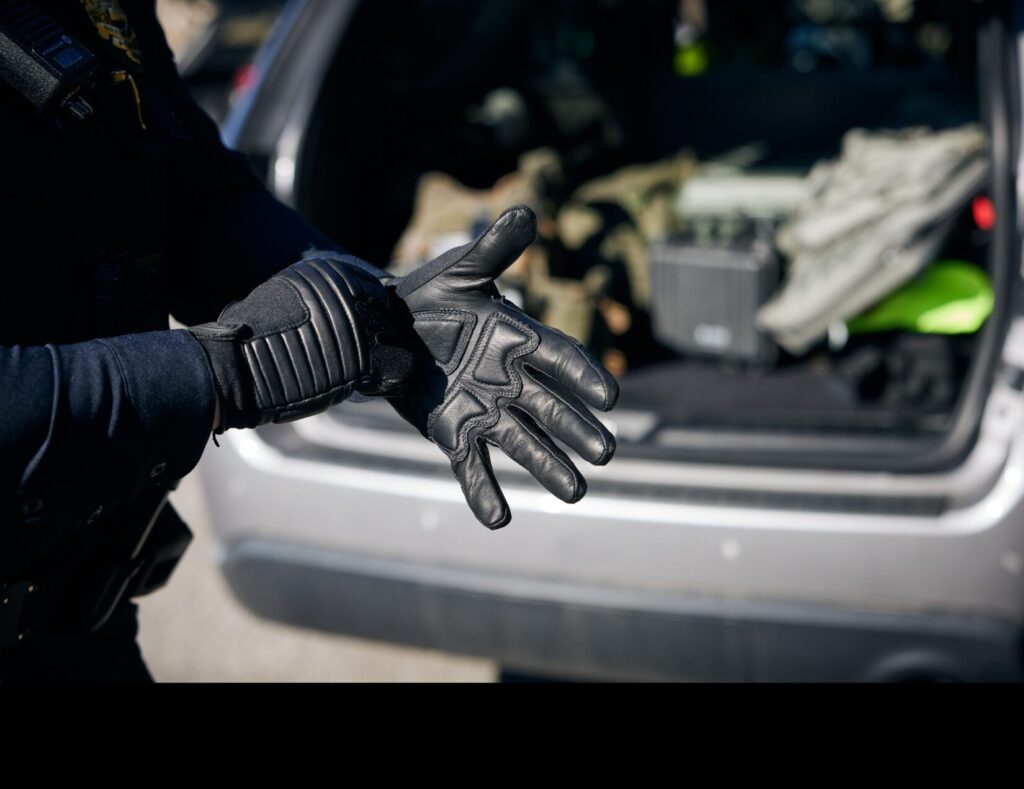
Some duty gloves incorporate padding or reinforced knuckles to protect against impact injuries. This is useful for officers involved in tactical operations or physical confrontations. Hatch offers models with molded knuckle protection that maintain flexibility while shielding the hand.
Dexterity: Precision Without Compromise
Dexterity is essential for tasks such as weapon manipulation, handcuffing, or operating electronic devices. Thinner gloves generally offer better dexterity but may provide less protection. Officers must balance these competing needs based on their assignment.
Manufacturers address this by varying materials across the glove. Thicker materials may be used on the palm for protection, while thinner, more flexible materials are placed on the fingers. Hatch’s lightweight patrol gloves are designed specifically to maximize tactile feedback while still offering moderate protection.
Some gloves use advanced fabrics that provide both cut resistance and flexibility, reducing the need to choose between safety and dexterity. This is especially valuable for officers who frequently transition between administrative tasks and hands‑on fieldwork.
Touchscreen Compatibility: Essential for Modern Policing
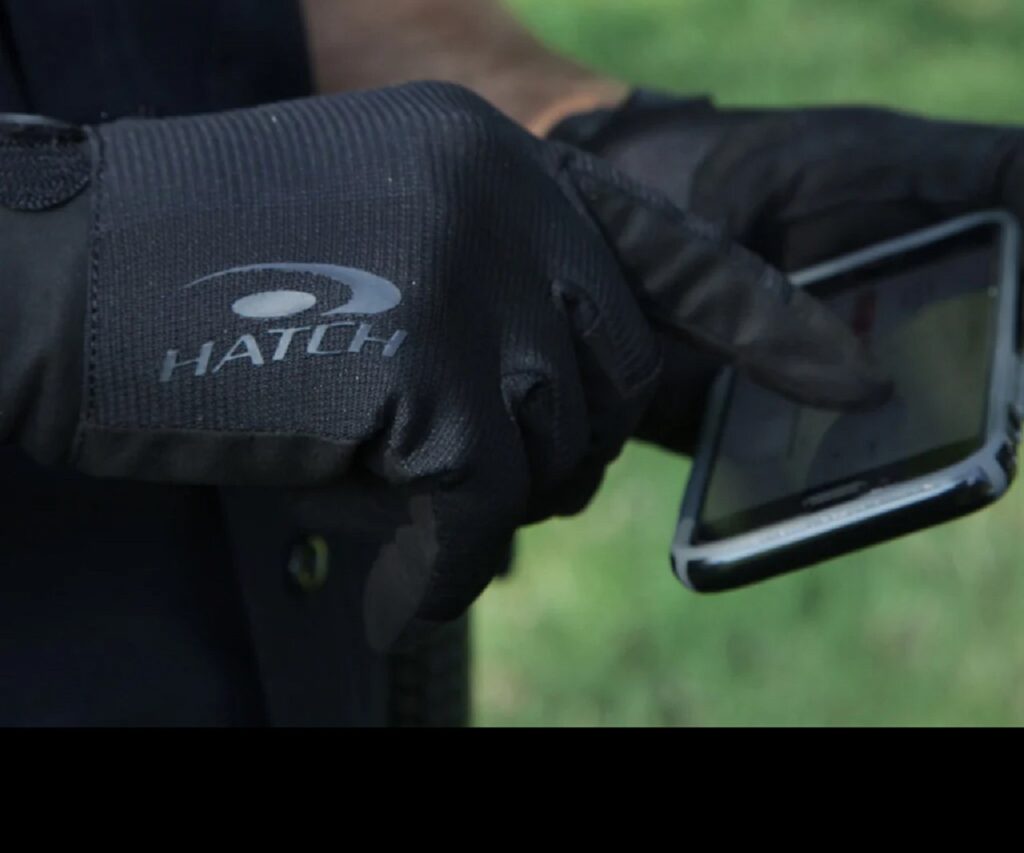
In today’s digital environment, officers rely heavily on smartphones, tablets, and Mobile Data Terminals (MDTs). The ability to operate these devices without removing one’s gloves can be a significant advantage. Touchscreen‑compatible gloves incorporate conductive materials in the fingertips, allowing capacitive screens to register touch.
Not all touchscreen gloves perform equally. Some only include conductive material on one or two fingers, while others integrate it across all fingertips. Responsiveness varies by device, so officers should test gloves with their actual equipment.
Hatch offers several touchscreen‑compatible models designed specifically for patrol use, ensuring officers can operate MDTs without sacrificing protection or exposing their hands to the elements.
Size and Fit: Comfort That Supports Performance
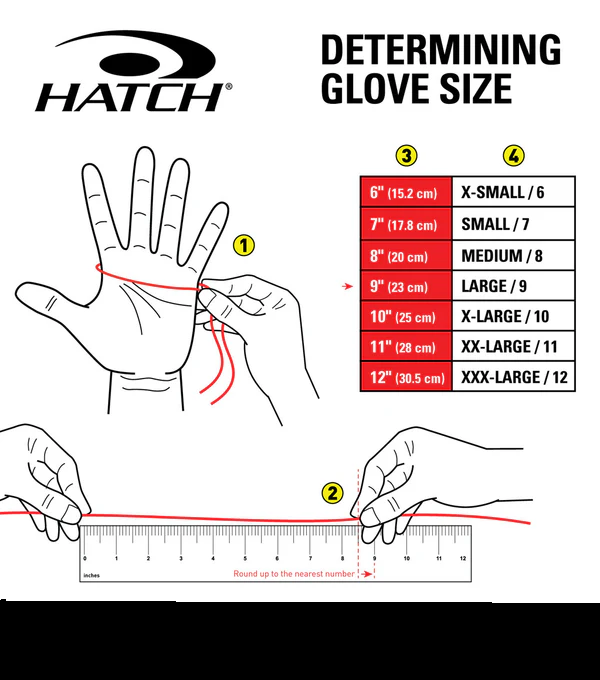
A glove’s fit directly affects both safety and effectiveness. Gloves that are too tight can restrict hand and finger movement, while gloves that are too loose may not provide adequate protection. Proper fit ensures dexterity, reduces fatigue, and prevents circulation issues.
Most manufacturers—including Hatch—provide sizing charts based on hand measurements. Officers should measure their dominant hand and compare it to the chart to ensure a proper fit.
Interior seams, lining materials, and wrist closures also influence comfort during long shifts. A well‑fitted glove should feel secure without restricting movement.
Maintenance: Keeping Gloves Clean and Mission‑Ready
Duty and tactical gloves encounter dirt, bodily fluids, and environmental contaminants. Some gloves can be cleaned with a damp cloth, while others may be machine washable. Leather gloves require special care and should not be submerged in water, while synthetics often tolerate more frequent washing.
Durability also depends on proper maintenance. Leather gloves may need conditioning to prevent cracking, while reinforced gloves should be inspected regularly for wear in high‑stress areas.
Some gloves used in biohazard environments may need to be disposed of rather than cleaned. Hatch provides care instructions for each model to help officers maintain performance and extend glove life.
Price: Balancing Budget and Protection
While price is a factor, it should not outweigh safety. Officers must consider the potential cost of not having adequate protection. Higher‑priced gloves often use advanced materials and construction techniques that improve durability and safety. However, budget‑friendly options can still meet operational needs if chosen carefully.
The best value comes from gloves that balance protection, comfort, durability, and cost. Hatch offers a wide range of models at different price points, allowing officers to select gloves that meet their needs without exceeding their budget.
Final Thoughts
Selecting the right duty or practical gloves requires evaluating material, protection, dexterity, fit, maintenance, and price. The best gloves for you will depend on your specific needs and working conditions.
Brands like Hatch provide specialized options that help officers stay safe and effective in the field. Trying on different models, understanding protection ratings, and considering the demands of your assignment will help you choose gloves that enhance both safety and performance.