
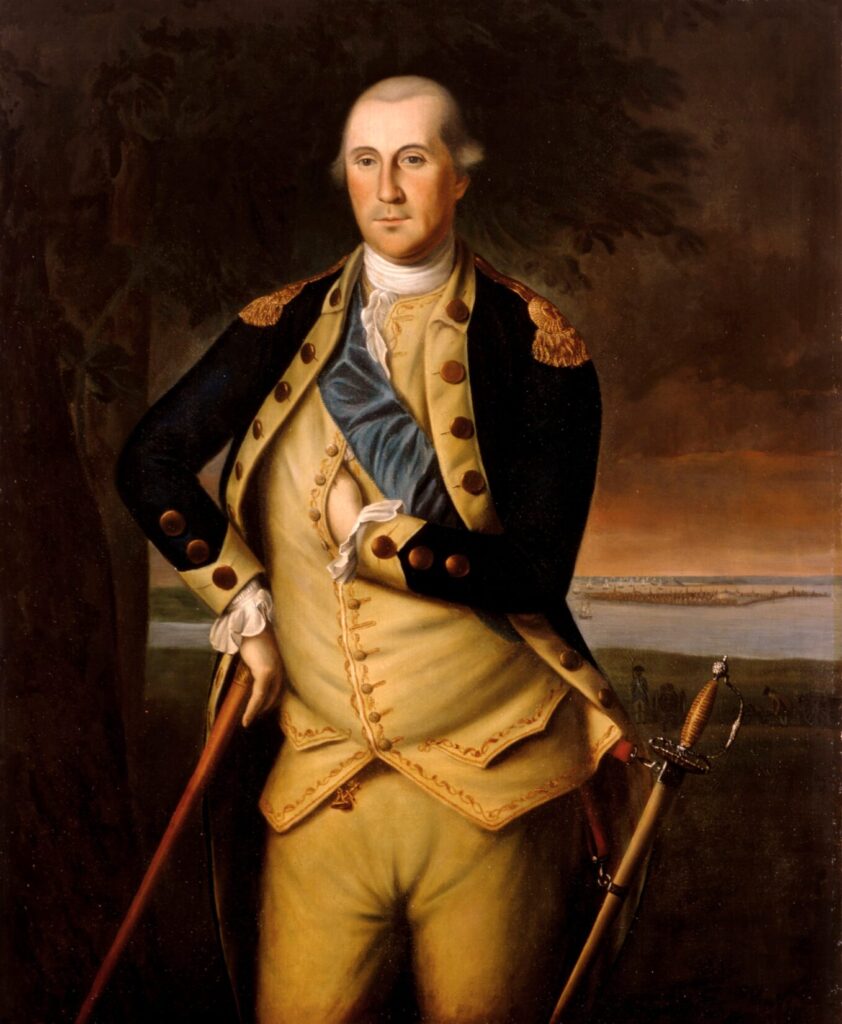
George Washington is often remembered as the stoic commander of the Continental Army and the nation’s first president, but one of his most consequential roles unfolded far from the battlefield and outside the public eye.
Long before intelligence agencies became fixtures of modern warfare, Washington recognized that the American Revolution could not be won by force alone. The British Empire possessed a professional army, a global navy, and vast financial resources. The Continental Army, by contrast, was underfunded, inexperienced, and constantly on the brink of collapse.
Washington understood that if the colonies were to stand any chance of victory, they needed information that was accurate, timely, and secret.
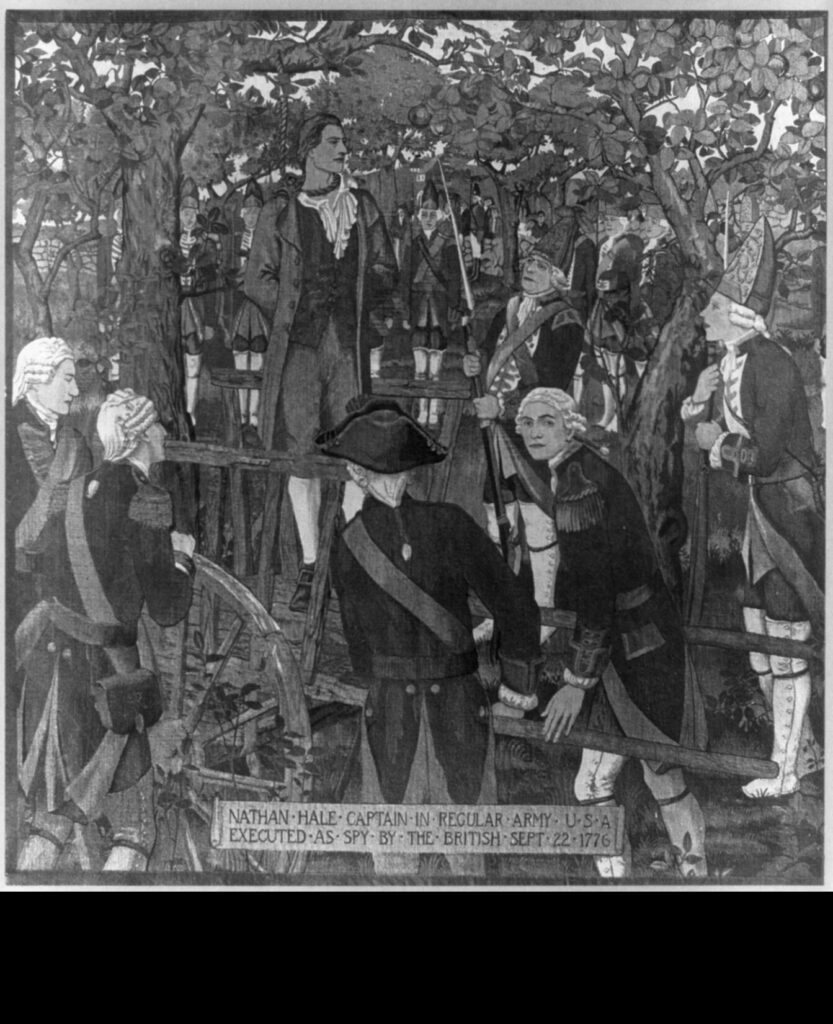
Early in the war, he learned this lesson in painful and costly ways. The British capture of New York City in 1776 left him without reliable knowledge of enemy movements. His attempt to send a young officer, Nathan Hale, behind British lines ended in tragedy. Hale was captured, interrogated, and executed. His final words, “I only regret that I have but one life to lose for my country,” became legendary, but the mission itself had failed. The tragedy revealed how unprepared the Americans were for the clandestine world of espionage.
From these setbacks, Washington emerged with a new conviction. Intelligence would be the hidden weapon of the Revolution, and he would become its architect.
The Birth of the Culper Spy Ring
By 1778, the war had reached a frustrating stalemate. The British held New York City, the most important port in North America and the nerve center of British military and political operations. Washington needed eyes and ears inside the city, but he needed them to be reliable, discreet, and nearly invisible. Soldiers in uniform could not move freely through British-controlled streets. Civilians, however, could.
To build this network, Washington turned to Major Benjamin Tallmadge, a childhood friend of Nathan Hale and a man with a sharp mind for organization and secrecy. Tallmadge recruited trusted acquaintances from his hometown of Setauket, Long Island. These were ordinary civilians who could travel through British-occupied territory without attracting suspicion. Their familiarity with the region and its people made them ideal candidates for covert work.
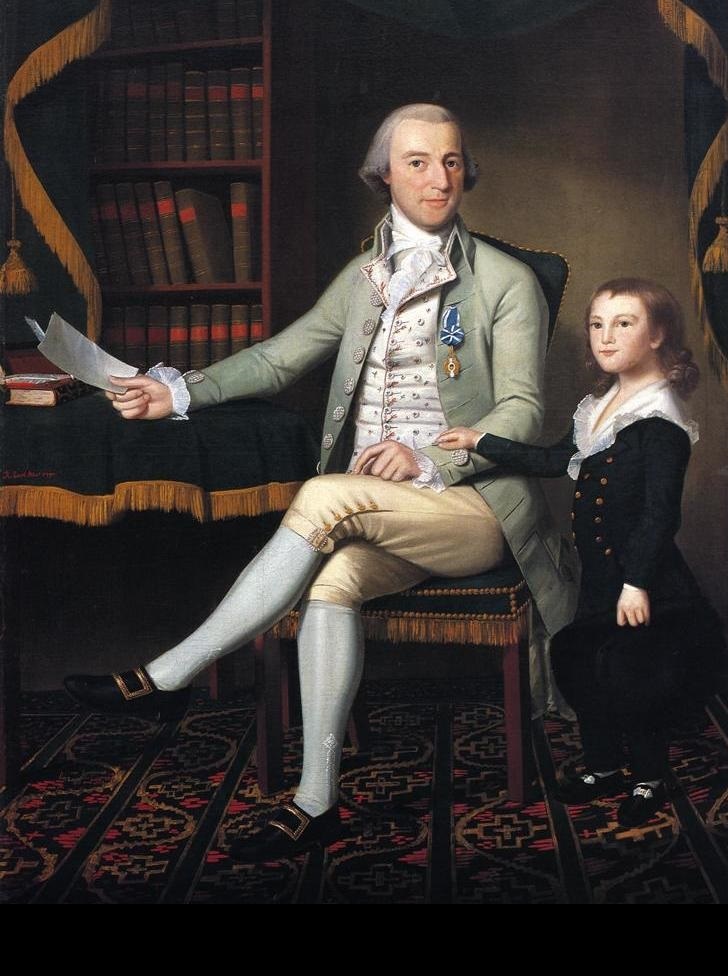
This group became the Culper Spy Ring, named at Washington’s suggestion. The name Culper was inspired by Culpeper County, Virginia, a subtle nod to Washington’s home state. Their mission was simple in theory but dangerous in practice. They were to gather intelligence from inside New York City and deliver it safely to Washington’s headquarters without being detected by British patrols or loyalist informants.
Ordinary People, Extraordinary Spies
The Culper Ring was unlike anything the colonies had attempted before. It was not composed of soldiers or trained operatives but of everyday Americans whose anonymity became their greatest asset.
Abraham Woodhull, a quiet farmer, served as the ring’s primary field agent under the alias Samuel Culper Sr. He traveled to New York under the pretense of visiting his sister, gathering intelligence from British officers, merchants, and loyalist sympathizers. His unassuming demeanor allowed him to blend into the background.
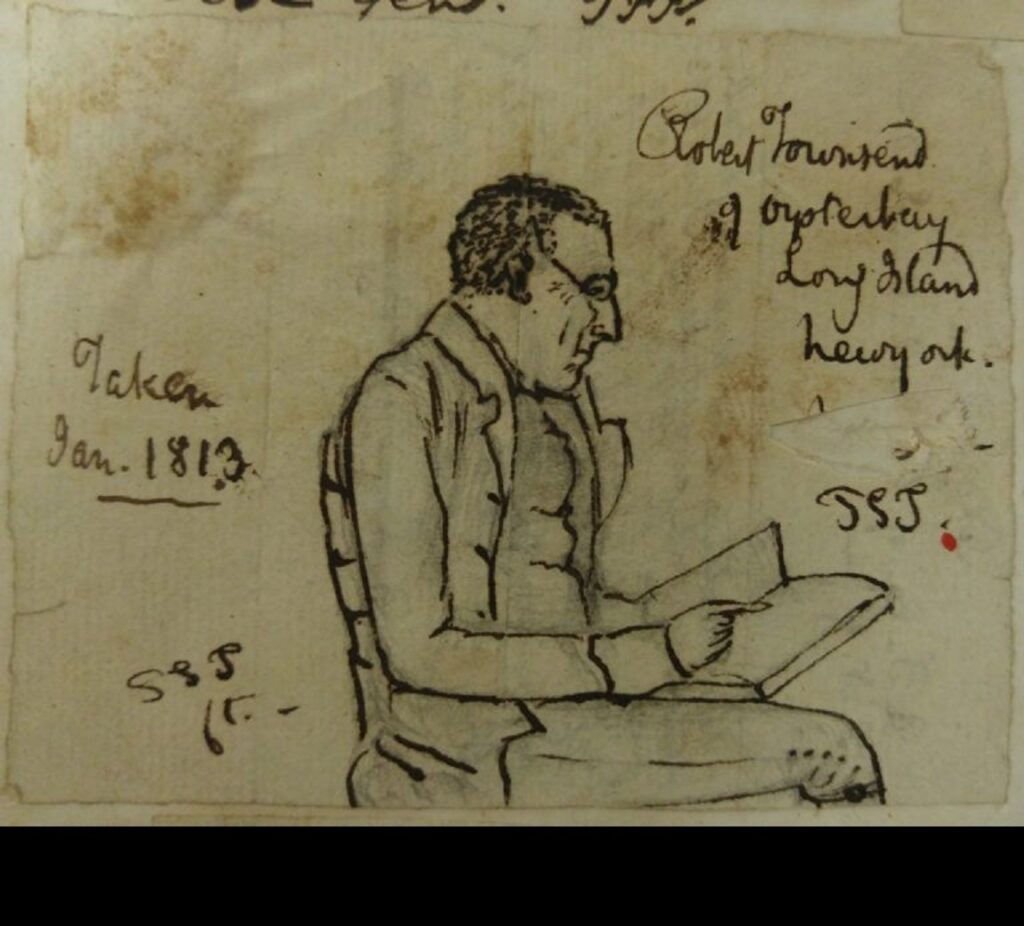
Robert Townsend, a reserved Quaker merchant and journalist, became the ring’s most valuable source inside the city. Operating as Samuel Culper Jr., Townsend moved through coffeehouses, print shops, and social circles where British officers spoke freely. His reports were detailed, cautious, and remarkably accurate. Townsend’s ability to observe without drawing attention made him indispensable.
Caleb Brewster, a daring seaman, ferried messages across Long Island Sound in small whaleboats. He often navigated treacherous waters patrolled by British ships. His skill and courage ensured that intelligence reached Washington quickly.
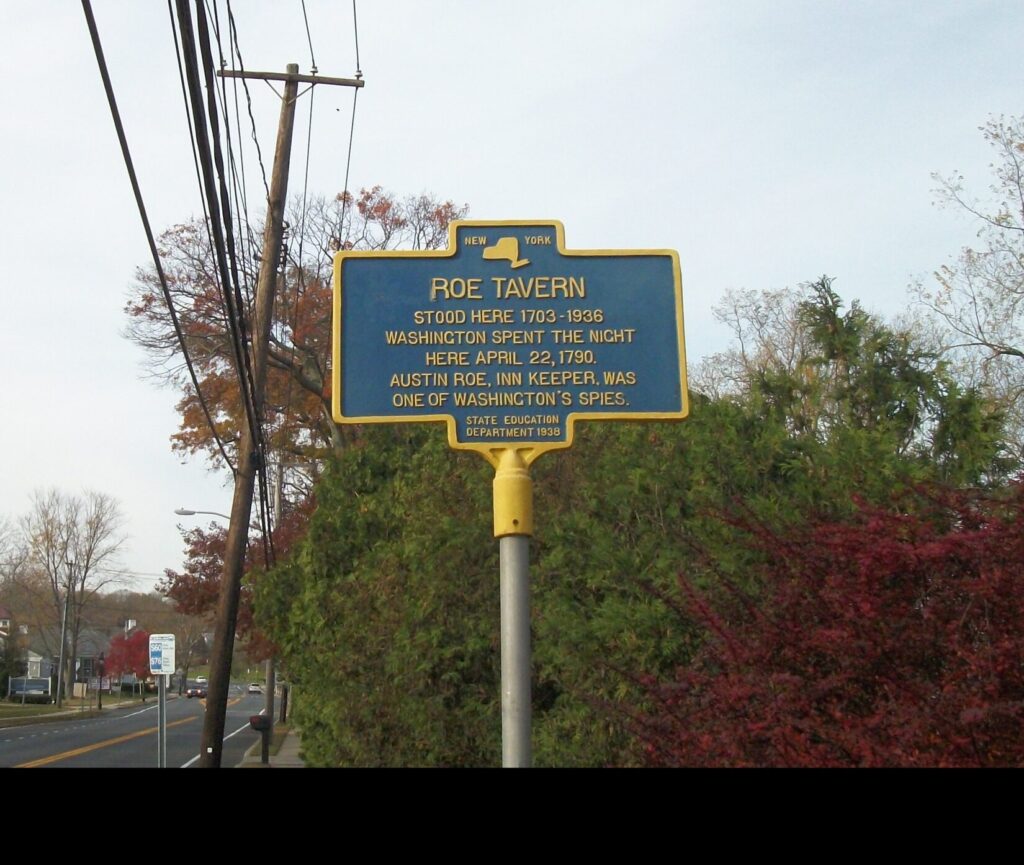
Austin Roe, a tavern keeper, carried intelligence on horseback disguised as routine business deliveries. His long rides across the island were essential to maintaining the flow of information.
Even the ring’s signaling system relied on civilian ingenuity. Anna Strong, a Setauket resident, used her clothesline as a covert communication tool. By arranging garments in specific patterns, she indicated when and where Brewster should land his boat. Her simple but effective method allowed the ring to coordinate without written messages.
And then there was Agent 355, a mysterious woman whose identity remains unknown. Her intelligence helped expose Benedict Arnold’s treason, making her one of the most intriguing figures in Revolutionary War espionage. Whether she was a socialite with access to British officers or a servant who overheard sensitive conversations, her contributions were significant.
Codes, Ciphers, and Invisible Ink
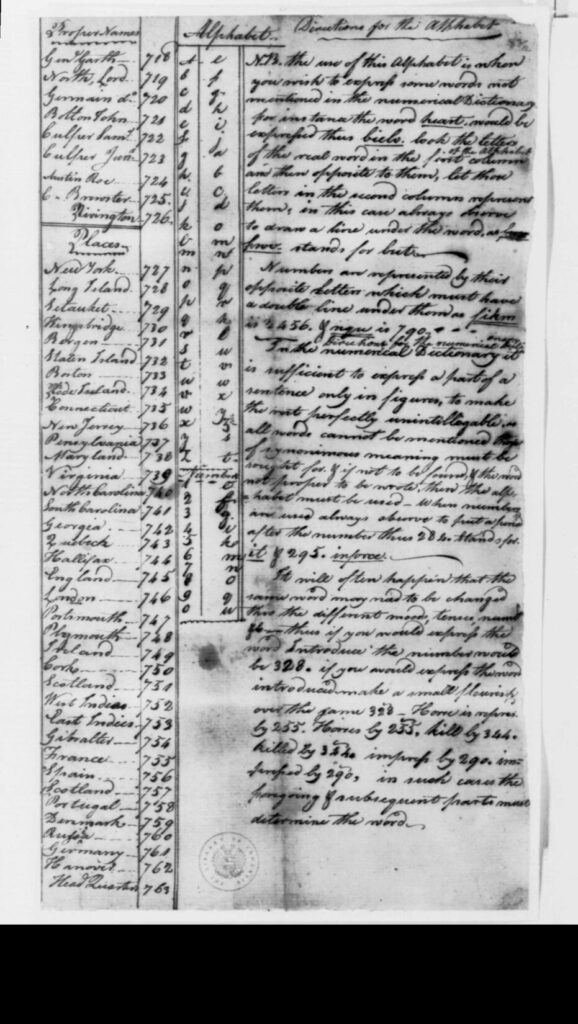
Washington’s spy network operated with a level of sophistication that astonished later historians. Tallmadge created a numerical codebook that assigned numbers to hundreds of names, places, and common words. Washington himself was 711, New York was 727, and even routine terms such as attack or money had coded equivalents. This system reduced the risk of exposure if a letter was intercepted.
The ring also relied on invisible ink, referred to as sympathetic stain, which required a special chemical to reveal the hidden writing. Letters appeared harmless until treated with the reagent, making them nearly impossible for British patrols to decipher.
Dead drops, couriers, and carefully rehearsed cover stories completed the system. Every detail mattered. Every slip could mean imprisonment or death.
Intelligence That Shifted the Course of the War
The Culper Ring’s reports were not abstract tidbits. They were actionable intelligence that shaped Washington’s decisions. Their warnings about British troop movements helped the Continental Army avoid ambushes. Their discovery of a British counterfeiting scheme protected the fragile American economy from collapse.
Most famously, their intelligence played a role in uncovering Benedict Arnold’s plot to surrender West Point. The ring’s reports alerted Washington to unusual British activity, helping unravel the conspiracy before it succeeded. The exposure of Arnold’s treason prevented the British from gaining control of a critical fort on the Hudson River.
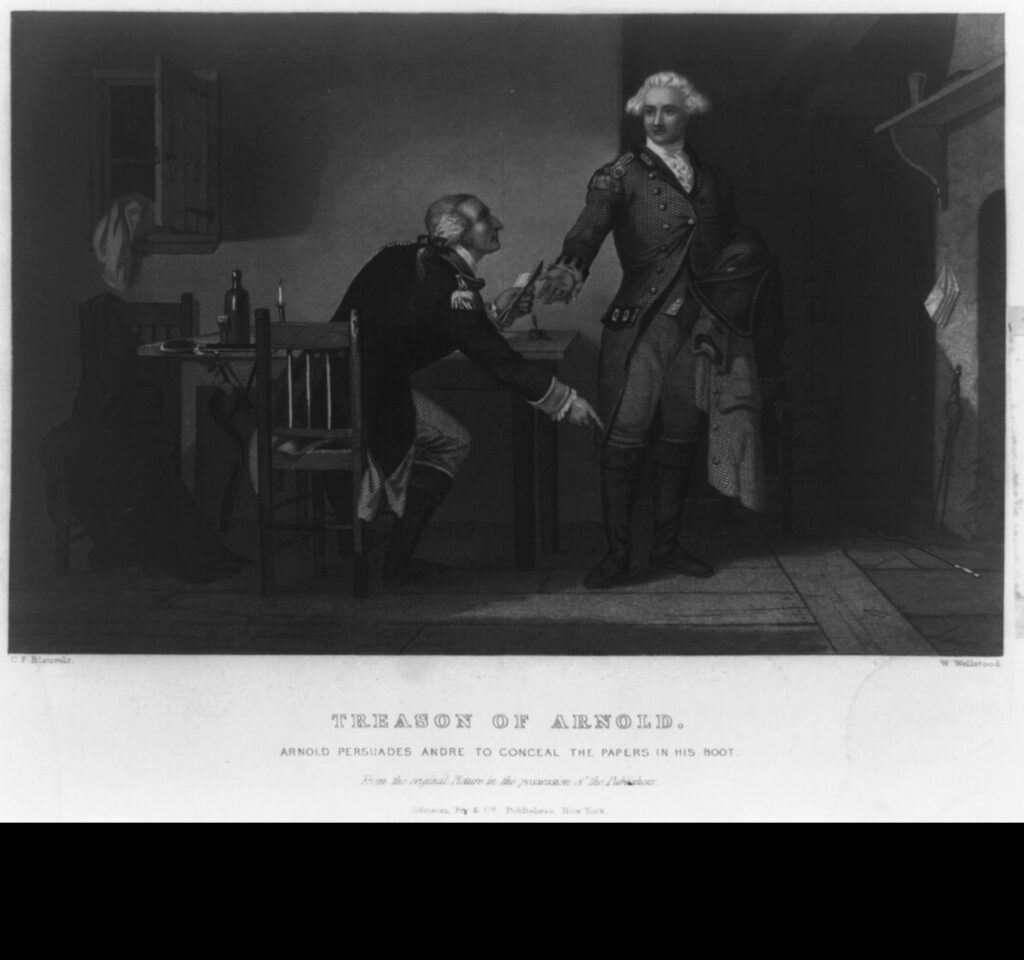
(Public domaIN)
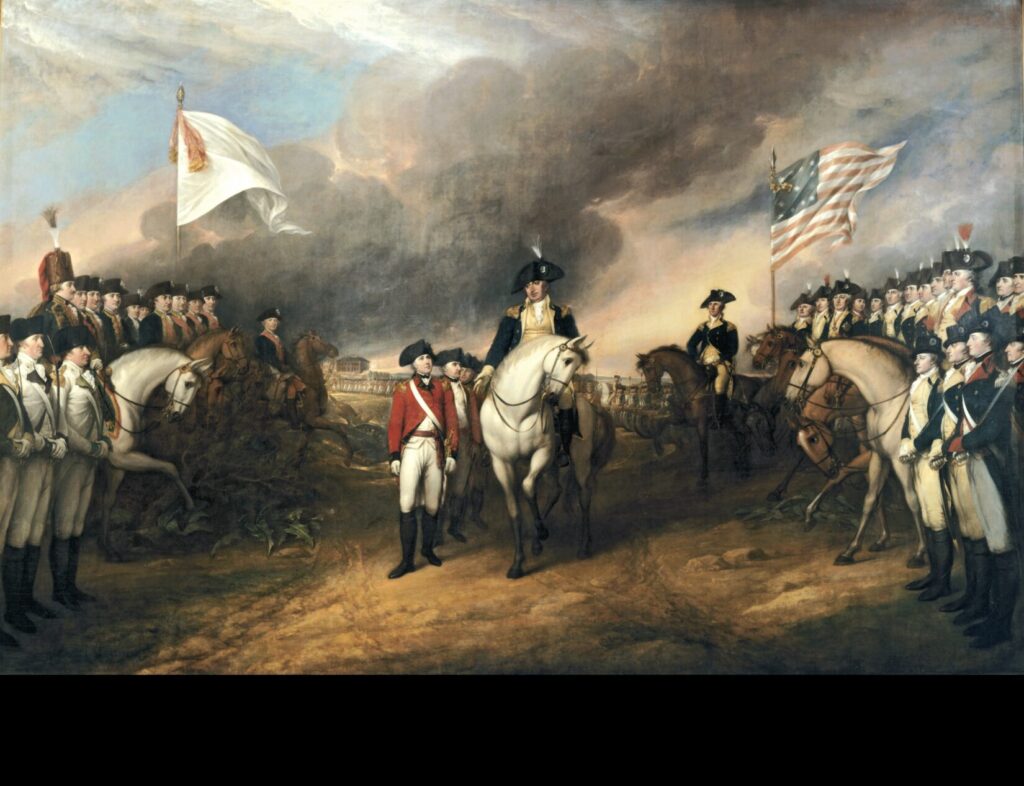
In the final years of the conflict, information from New York helped Washington mislead the British about his true intentions. Believing Washington planned to attack New York, British commanders kept their forces in place while the Franco-American army marched south to trap Cornwallis at Yorktown. The deception worked, and the war effectively ended there.
Washington’s Lasting Legacy as a Spymaster
Washington’s leadership in intelligence was not a minor footnote to his military career. It was a defining element of it. He insisted on secrecy, discipline, and professionalism at a time when espionage was often dismissed as dishonorable. His methods, including compartmentalization, coded communication, and the use of civilian operatives, became the blueprint for American intelligence work for generations.
By the time the war ended in 1783, the Culper Spy Ring had operated for five years without a single member being unmasked. Their success was a testament not only to their courage but to Washington’s vision.
Today, as historians continue to uncover coded letters and analyze long-buried reports, Washington’s role as America’s first spymaster stands as one of the most fascinating and essential chapters of the Revolutionary War. For more information on the life of George Washington, visit George Washington’s Mount Vernon.