

Before dawn breaks over Washington, a small team of agents moves quietly across the South Lawn of the White House. They scan rooftops, test communications, and rehearse contingencies. It is a ritual repeated countless times each year, largely unseen yet essential to the continuity of national leadership.
This disciplined choreography represents the modern United States Secret Service, an institution whose origins look nothing like the protective force it is today. Founded in 1865 amid the financial turmoil following the Civil War, the agency began not as a guardian of presidents but as a defense against counterfeiters. Over the next century and a half, it would evolve into one of the nation’s most focused and mission‑driven organizations, defined by precision, discretion, and quiet sacrifice.
A Nation in Crisis and a New Agency to Save It
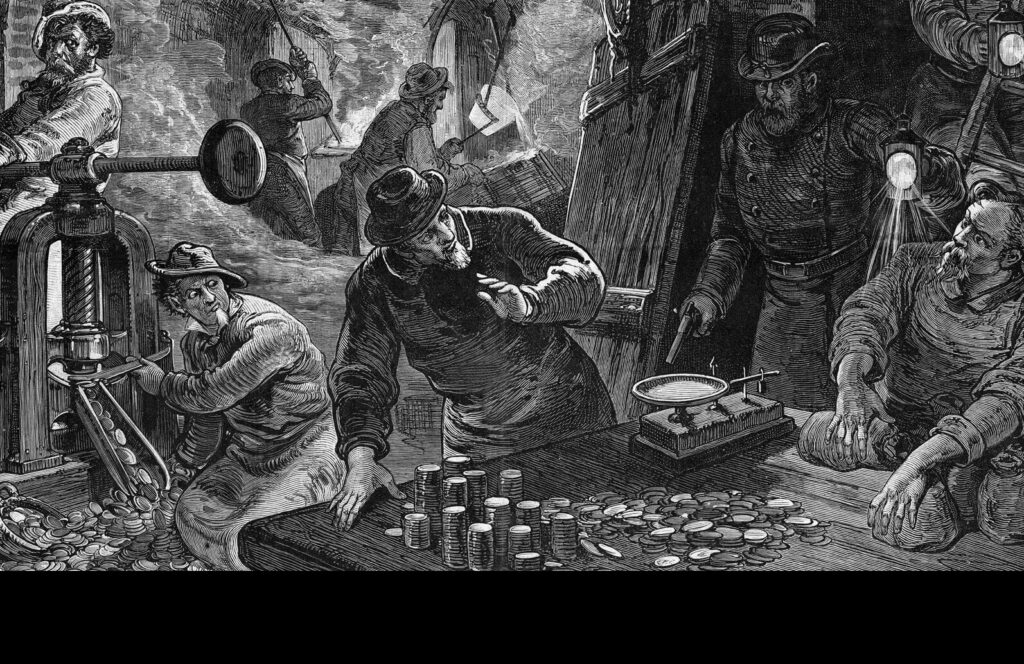
At the end of the Civil War, the United States faced a crisis that threatened the stability of its economy. With no centralized banking system and thousands of banks issuing their own notes, counterfeit currency spread rapidly. Some estimates suggested that as much as one-third of all money in circulation was fake, eroding public trust in the financial system.
To confront this threat, the Treasury Department created the Secret Service on July 5, 1865. Its mission was straightforward: identify, infiltrate, and dismantle counterfeiting operations. Early agents worked in plain clothes, traveling by train or horseback, often alone. They relied on informants, intuition, and persistence. They were part detective, part undercover operative, and part financial analyst, a combination that became a defining feature of the agency.
Their impact was swift. Counterfeiting rings were broken up, engravers arrested, and the integrity of U.S. currency began to recover. As the agency proved its effectiveness, its investigative mission expanded to include fraud, forgery, and other financial crimes.
But a new responsibility was approaching, one that would permanently reshape the agency’s identity.
A Tragedy That Changed Everything
On September 6, 1901, President William McKinley was greeting the public at the Pan American Exposition in Buffalo when an assassin stepped forward and shot him. McKinley died eight days later. His death, following the assassinations of Abraham Lincoln and James Garfield, exposed a glaring vulnerability: the United States had no permanent, professional system for protecting its president.
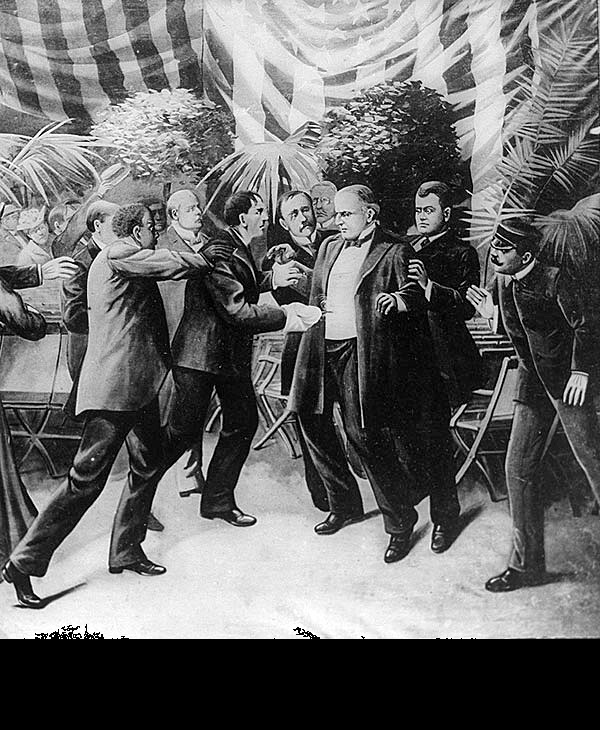
In the aftermath, the Secret Service was assigned the responsibility of full‑time presidential protection. Though initially an administrative decision, the role soon became permanent and was later codified in law.
This shift required a profound transformation. Protection demanded new skills: threat assessment, tactical planning, intelligence coordination, and rapid decision‑making. The Secret Service adapted quickly, developing a protective doctrine rooted in anticipation rather than reaction. The goal was simple but daunting: prevent harm before it could occur.
Modernization in an Age of Expanding Threats
As the United States entered the 20th century and its global presence grew, so did the complexity of threats facing its leaders. The Secret Service responded with continuous modernization, embracing new technologies and building partnerships across the intelligence community.
The Rise of Protective Intelligence
Protection is not merely about standing near a principal. It is about understanding the landscape of risk. The Secret Service became a leader in behavioral threat assessment, analyzing patterns, communications, and indicators to identify individuals who might pose a danger.
This intelligence‑driven approach remains central to modern protective operations. The National Threat Assessment Center (NTAC) was created within the Secret Service in 1998 to conduct research and provide guidance that directly supports the agency’s protective mission, as well as the broader public safety community.
Technology as a Force Multiplier
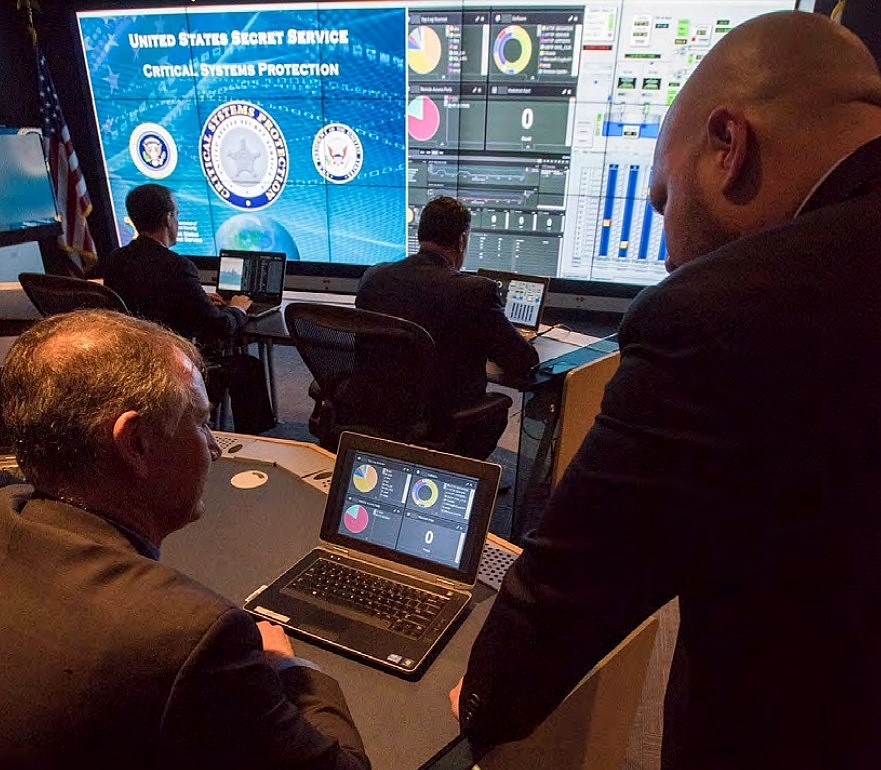
From early forensic laboratories to today’s cyber investigative units, the Secret Service has consistently adapted to new criminal methods. As financial crime shifted from printing presses to digital networks, the agency expanded its mission to include credit card fraud, identity theft, and cyber intrusions targeting financial institutions.
This dual expertise in protection and investigation became mutually reinforcing. Insights from financial crime investigations informed protective intelligence, while protective operations revealed emerging criminal tactics.
Training That Forges a Culture
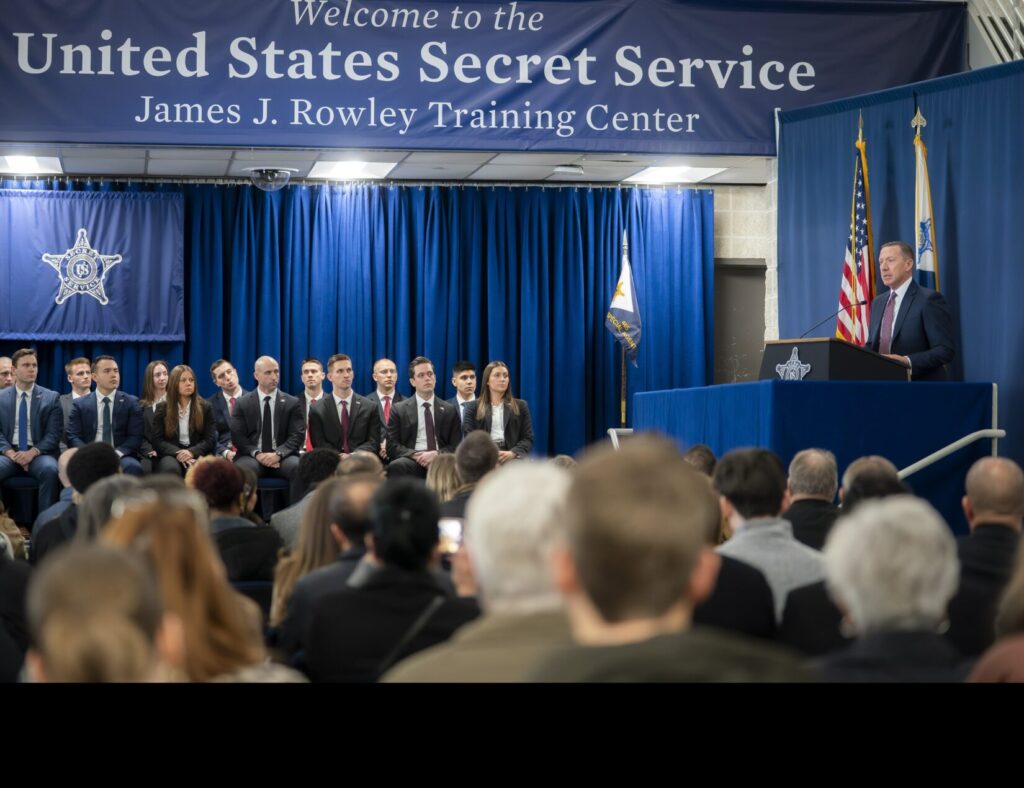
At the James J. Rowley Training Center in Maryland, recruits undergo months of rigorous preparation. They learn firearms proficiency, emergency medicine, defensive tactics, and the intricacies of protective movement. But the most important lessons are cultural: humility, teamwork, and unwavering commitment to mission.
Agents often describe their work as a calling rather than a career. The hours are long, the travel constant, and the pressure immense. Yet the ethos of the Service, quiet professionalism, remains a powerful unifying force.
The Dual Mission: A Balancing Act of National Importance
Today, the Secret Service stands alone among federal agencies in its dual mandate: protecting national leaders and safeguarding the nation’s financial infrastructure.
Protection
The agency protects:
- The president and vice president
- Their immediate families
- Former presidents
- Visiting foreign heads of state
- Major presidential and vice presidential candidates
- National Special Security Events, from inaugurations to major summits
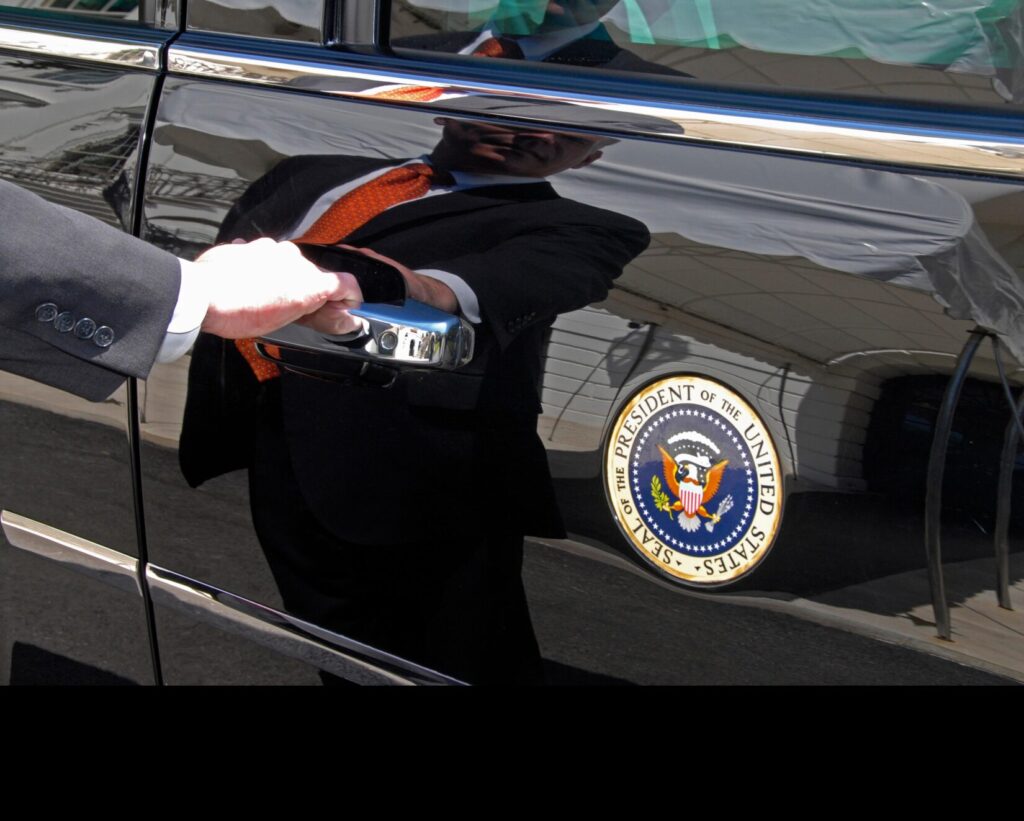
Every movement of a protected individual, every motorcade, public appearance, and foreign trip, is the result of meticulous planning by advance teams, intelligence analysts, tactical units, and uniformed officers.
Investigation
The investigative mission includes:
- Counterfeiting
- Financial fraud
- Cybercrime targeting financial systems
- Identity theft
- Threats against protected individuals
This work is essential to maintaining public trust in the nation’s financial stability. In an era of digital vulnerability, the Secret Service’s cyber expertise has become increasingly vital.

The Work the Public Never Sees
The most defining characteristic of the Secret Service is its invisibility. Its greatest successes are the crises that never occur; the threats neutralized before they reach the public eye. Agents stand behind dignitaries, blend into crowds, and move with practiced subtlety. Their presence is reassuring but never ostentatious.
Behind that calm exterior lies a life of sacrifice. Agents miss holidays, birthdays, and milestones. They operate under constant scrutiny and accept risks that most Americans never consider. Yet they do so with a sense of purpose rooted in the belief that their work protects not just individuals but the stability of the nation itself.
An Enduring Institution for an Unpredictable World
From its birth in the turmoil of 1865 to its modern role at the intersection of protection and financial security, the Secret Service has evolved alongside the country it serves. Its history is one of adaptation, innovation, and steadfast dedication.
In a world where threats shift rapidly, from lone actors to cyber adversaries, from domestic extremism to global instability, the agency’s dual mission remains indispensable. The Secret Service stands as a quiet sentinel, guarding the nation’s leadership and financial integrity with a professionalism that rarely seeks recognition.
Its agents work in the shadows so the country’s leaders can stand in the light. They prevent dangers the public never sees. And in doing so, they uphold a legacy of trust that has endured for more than 160 years.