
Over the course of nearly 250 years, the United States military has undergone a profound transformation. What began as a loose collection of colonial militias has become the most capable, technologically advanced, and globally deployed fighting force in the world.
This evolution reflects changes in threats, national strategy, industrial capacity, and the very identity of the nation itself. Yet through every era of reinvention, the core values of service, sacrifice, and commitment to the defense of the country have remained constant.
Revolutionary Foundations and the Birth of a National Army
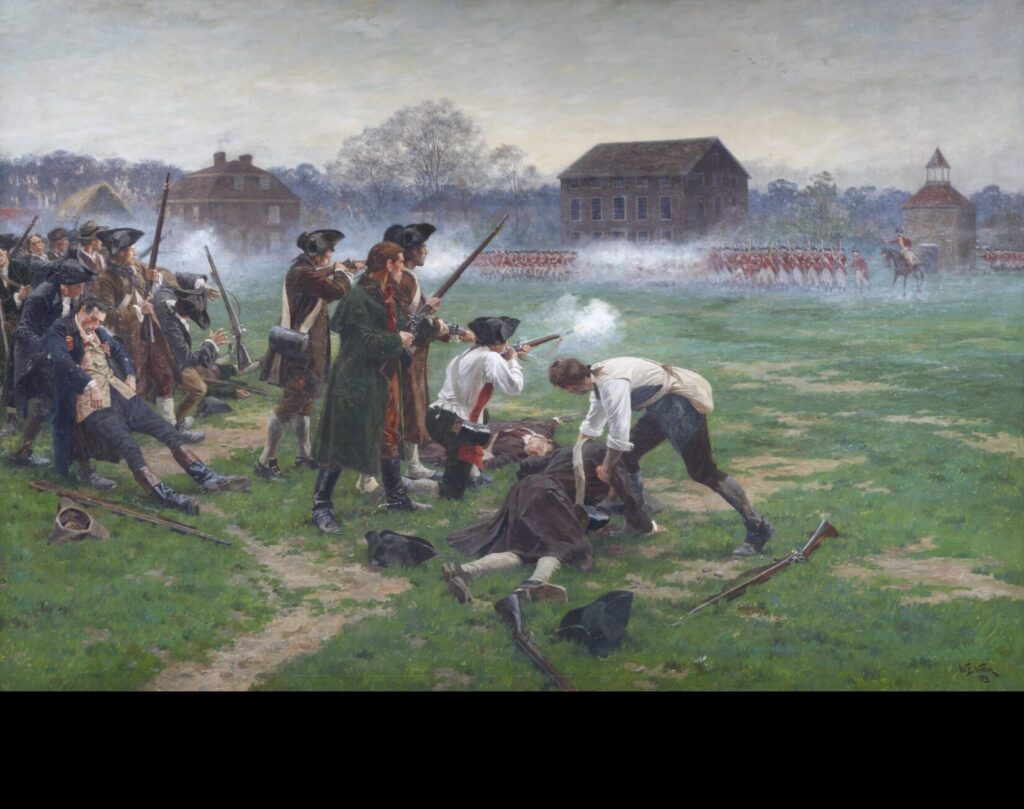
When the American Revolution began in 1775, the colonies had no unified military. Defense relied on local militias composed of citizen volunteers who trained sporadically and supplied their own weapons. These militias were effective for local defense but were not designed for sustained campaigns against a professional European army.
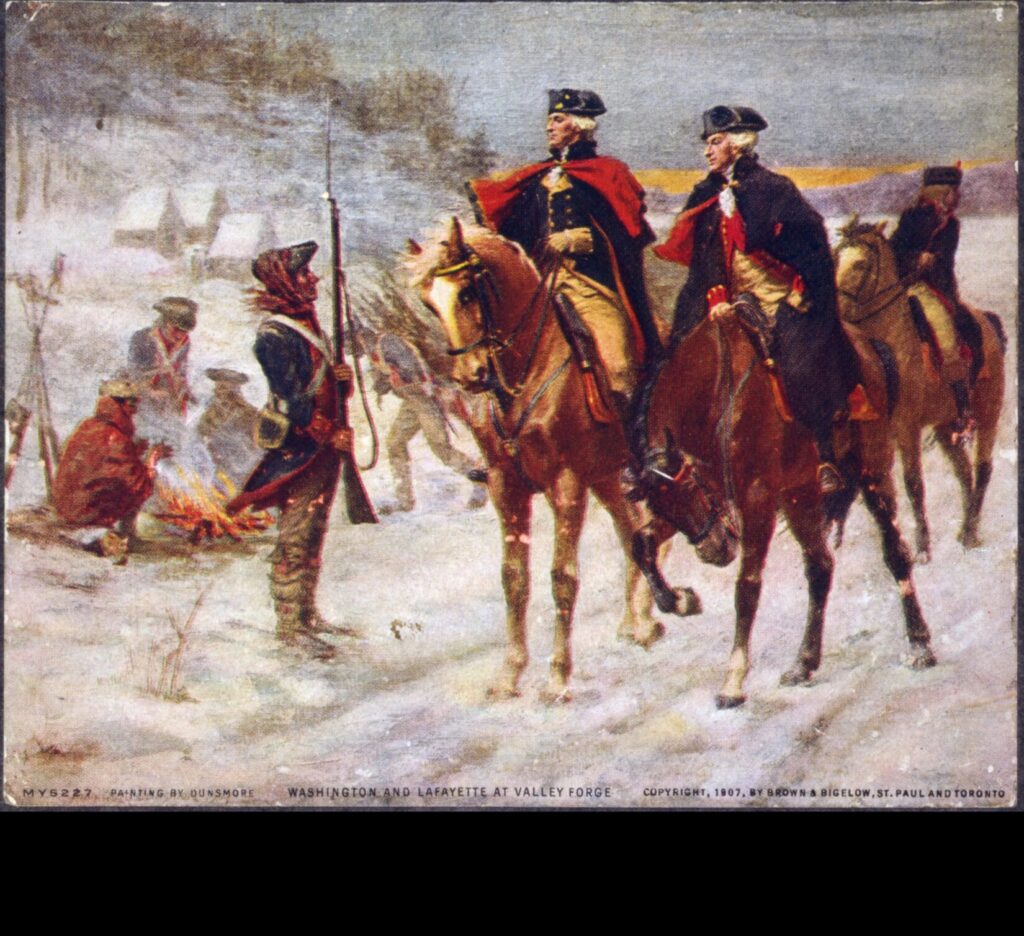
The Continental Congress responded by creating the Continental Army under George Washington. This force struggled with shortages of equipment, inconsistent enlistments, and limited training. Washington’s leadership, combined with the expertise of foreign officers such as Baron von Steuben, helped impose discipline and introduce standardized drill.
The winter at Valley Forge became a turning point, demonstrating that a national army could be forged from disparate colonial forces.
Even after independence, Americans remained wary of standing armies. The new nation reduced its forces dramatically and continued to rely heavily on militias. This tension between professional soldiers and citizen‑soldiers would shape American military policy for generations.
The 19th Century and the Impact of Industrialization
As the United States expanded westward, the Army’s mission shifted from revolutionary struggle to frontier security. Small, scattered units built forts, protected settlers, and engaged in conflicts with Native American nations. The Navy also began to professionalize, combating piracy and protecting American commerce abroad.
The Civil War marked a dramatic shift in the scale and nature of American warfare. It was the first major conflict in the United States to rely on industrial production, mass mobilization, and modern communications. Railroads moved troops and supplies, telegraphs transmitted orders, and ironclad ships changed naval warfare. Both the Union and the Confederacy fielded armies numbering in the hundreds of thousands, a scale unimaginable in earlier decades.
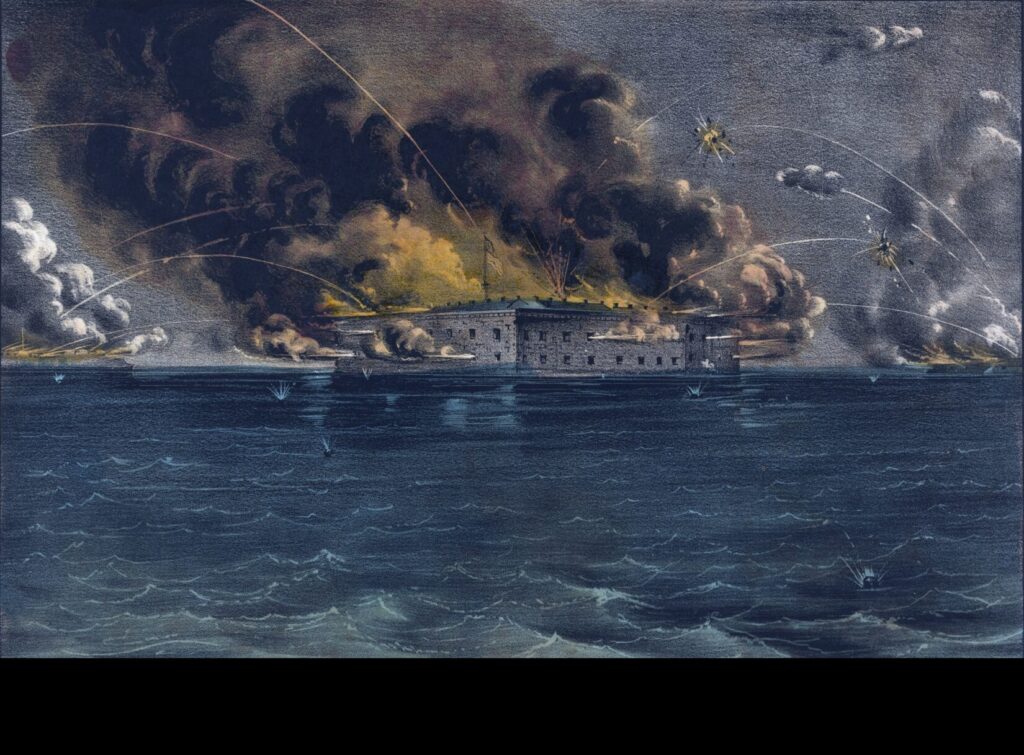
The war accelerated the development of military medicine, engineering, and logistics. It also demonstrated the need for centralized command structures and standardized training. Although the nation again reduced its forces after the war, the lessons of industrialized conflict would shape future military planning.
The Early 20th Century and the Rise of a Modern Force
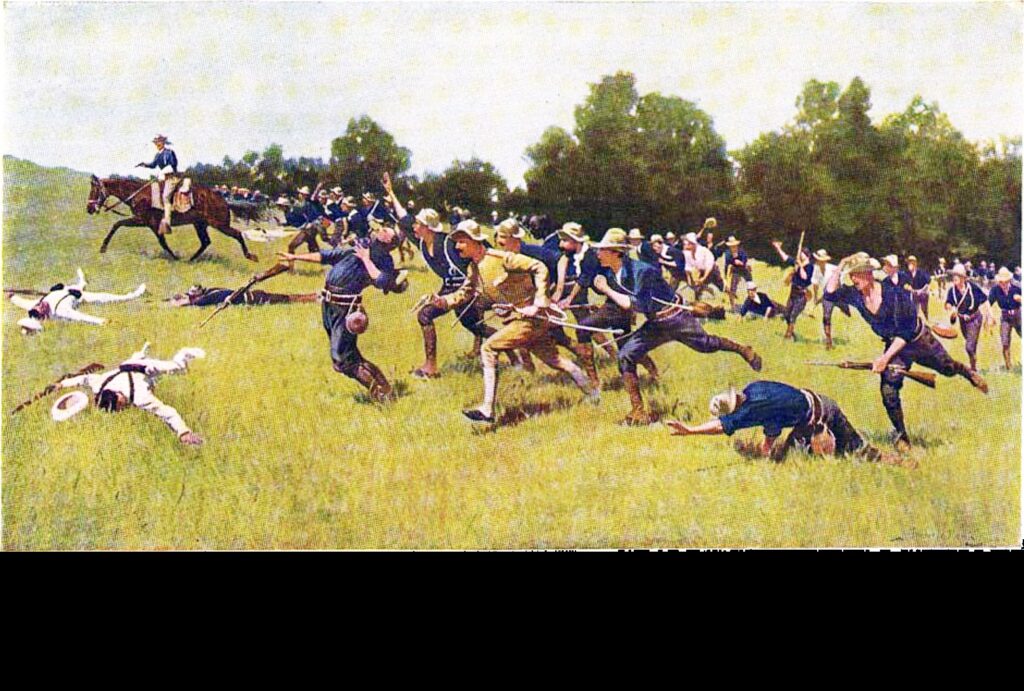
By the early 1900s, the United States was emerging as a global power. The Spanish-American War revealed weaknesses in logistics and mobilization but also signaled the country’s growing international role. Reforms soon followed, including the establishment of the Army War College, modernization of the Navy, and formal integration of the National Guard as a reserve component.
World War I
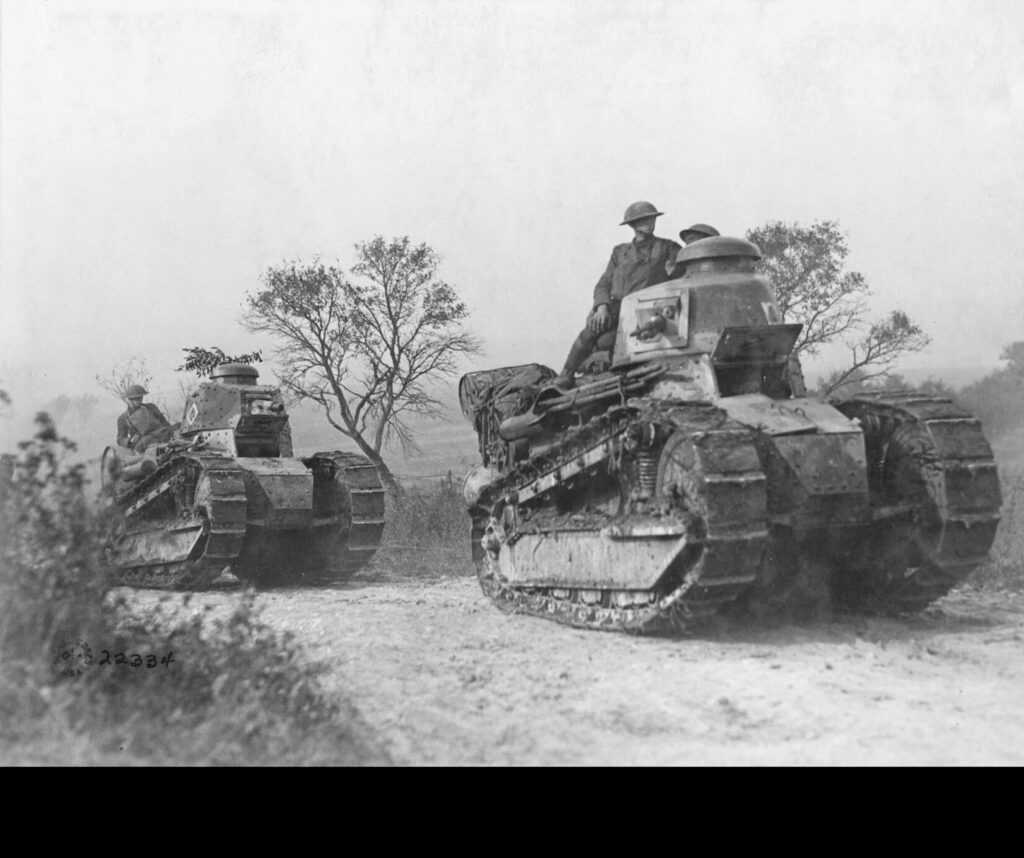
When the United States entered World War I in 1917, it had to expand its military rapidly. Millions of Americans were drafted, and the armed forces adopted new technologies such as tanks, aircraft, machine guns, and chemical weapons. The war also introduced large-scale joint operations between the Army and Navy. Although the American Expeditionary Forces arrived late in the conflict, their presence helped tip the balance in favor of the Allies.
World War II
World War II transformed the U.S. military into a global powerhouse. The nation mobilized more than 16 million service members and became the industrial engine of the Allied war effort. American factories produced ships, aircraft, vehicles, and weapons at unprecedented rates. The war spurred innovations such as radar, long-range bombers, amphibious assault techniques, and the development of the atomic bomb.
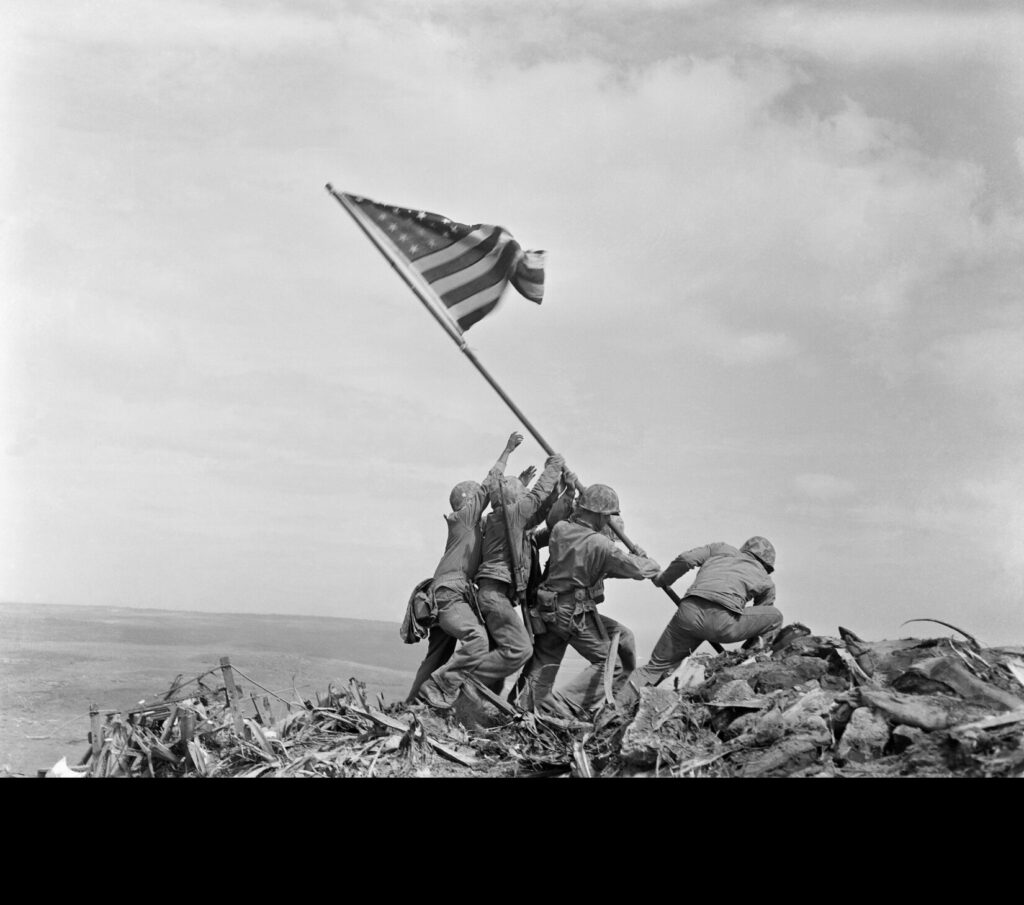
By 1945, the United States possessed a permanent, professional military capable of projecting power across the world. The war also cemented the idea that national security required sustained readiness rather than temporary mobilization.
The Cold War and the Emergence of a Permanent Global Presence
The Cold War fundamentally reshaped American defense strategy. Confrontation with the Soviet Union required large standing forces, forward-deployed troops in Europe and Asia, and a nuclear deterrent capable of surviving a first strike. The creation of the Department of Defense in 1947 unified the services under a single civilian authority, and the establishment of the Air Force as an independent branch reflected the growing importance of airpower.
The United States built a network of alliances, most notably NATO, that required long-term overseas commitments. Massive investments in research and development produced satellites, intercontinental ballistic missiles, advanced aircraft, and early computer systems. Conflicts in Korea and Vietnam forced the military to adapt to unconventional warfare and counterinsurgency, challenges that differed sharply from the large-scale battles of the World Wars.
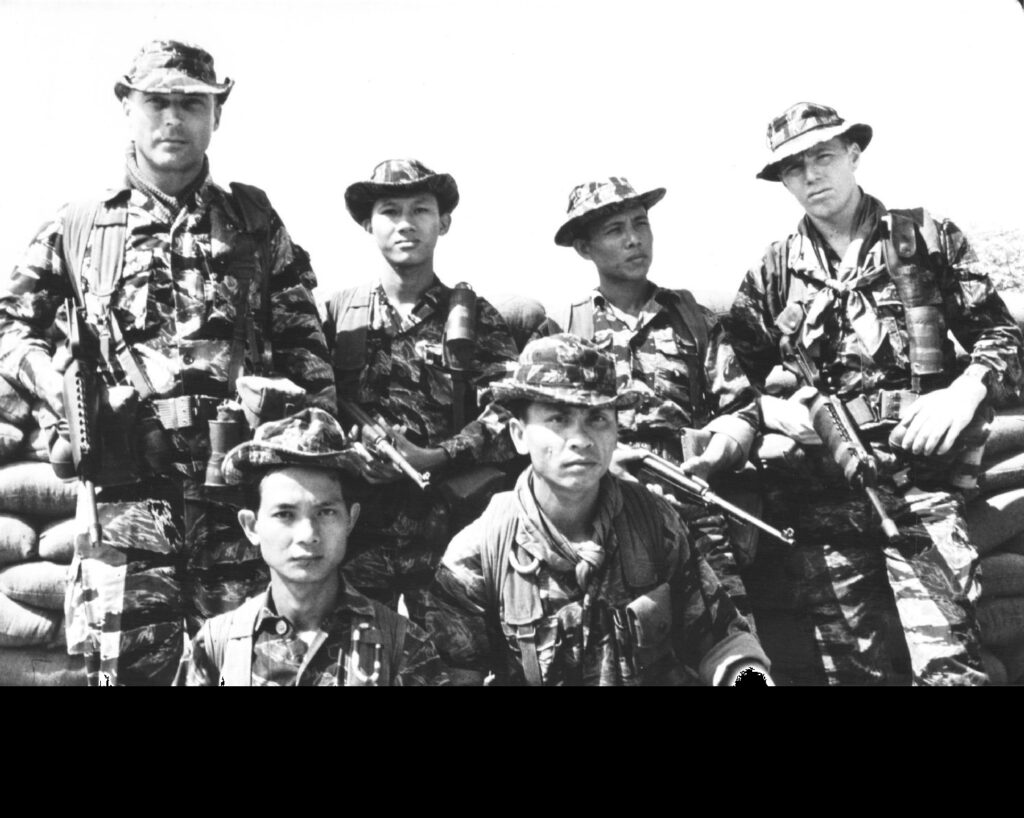
By the end of the Cold War, the U.S. military had become a technologically sophisticated force with global responsibilities and a permanent presence on multiple continents.
The Post 9/11 Era and the Evolution of Modern Warfare
The attacks of September 11, 2001, ushered in a new era of military operations. The United States shifted its focus from preparing for large state on state conflicts to combating decentralized terrorist networks and insurgencies. Operations in Afghanistan, Iraq, and other regions required new approaches to intelligence, logistics, and joint operations.
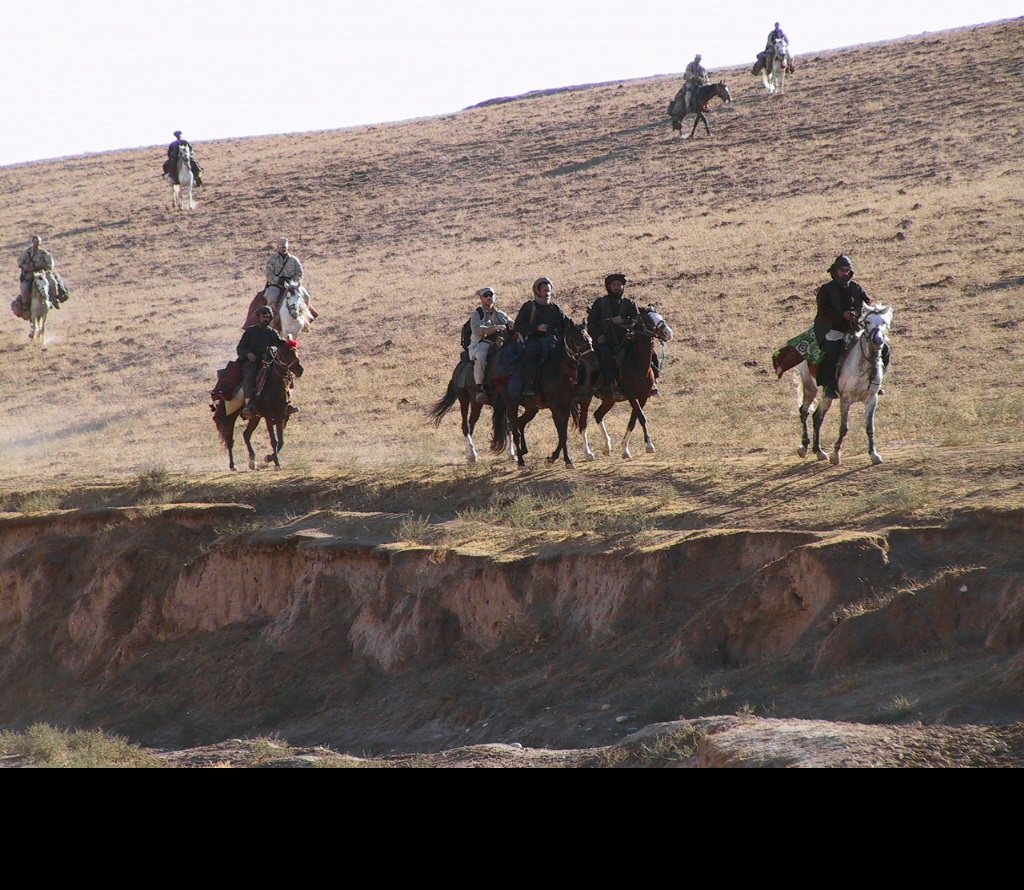
Special Operations Forces expanded dramatically in size and capability. Unmanned aerial systems became central tools for surveillance and precision strikes. Cyber operations emerged as a new domain of conflict, requiring specialized units and advanced digital defenses. Intelligence agencies and military commands developed new methods for sharing information and coordinating missions.
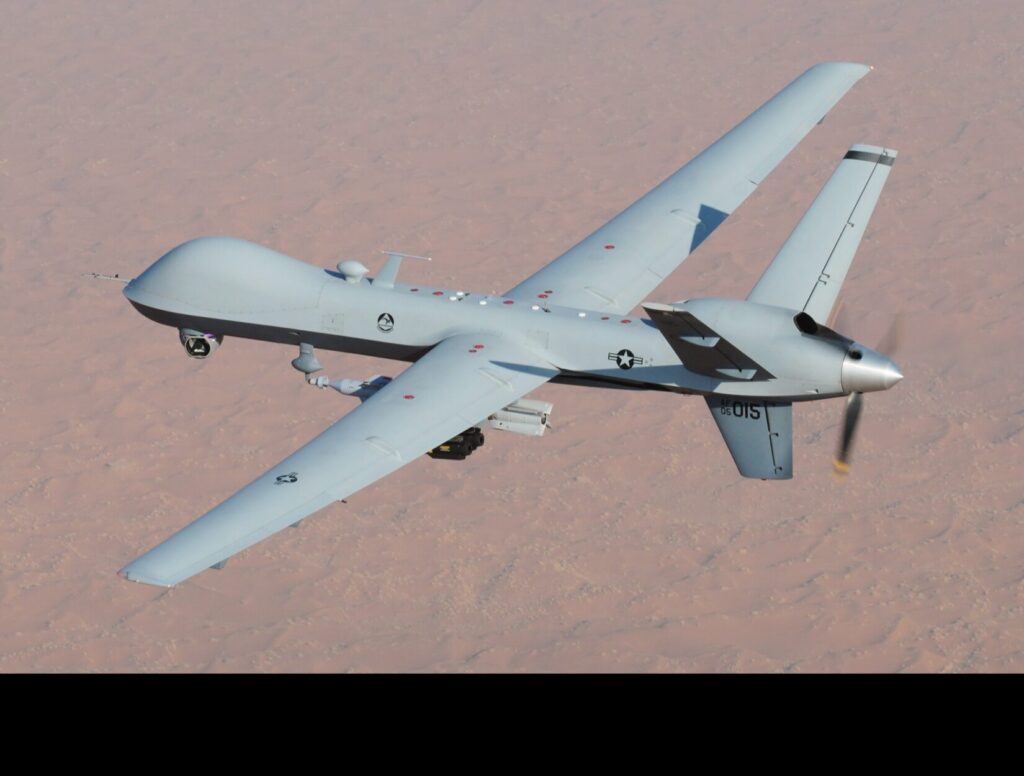
These changes reflected a world in which threats were diffuse, asymmetric, and technologically sophisticated. The military had to adapt quickly to environments where traditional battlefield lines were blurred and adversaries operated in small, mobile networks.
The Modern Force and the Integration of Advanced Technology
Today’s U.S. military is defined by its ability to project power across land, sea, air, space, and cyberspace. It operates through highly integrated joint commands that coordinate operations across all services. Precision-guided weapons, stealth aircraft, and advanced surveillance systems allow the military to strike targets with extraordinary accuracy.
The establishment of the U.S. Space Force reflects the growing importance of satellites, communications networks, and orbital defense. Cyber Command protects critical infrastructure and conducts offensive operations in the digital realm. The all-volunteer force, established in the 1970s, has matured into a highly professional institution supported by extensive training and education programs.
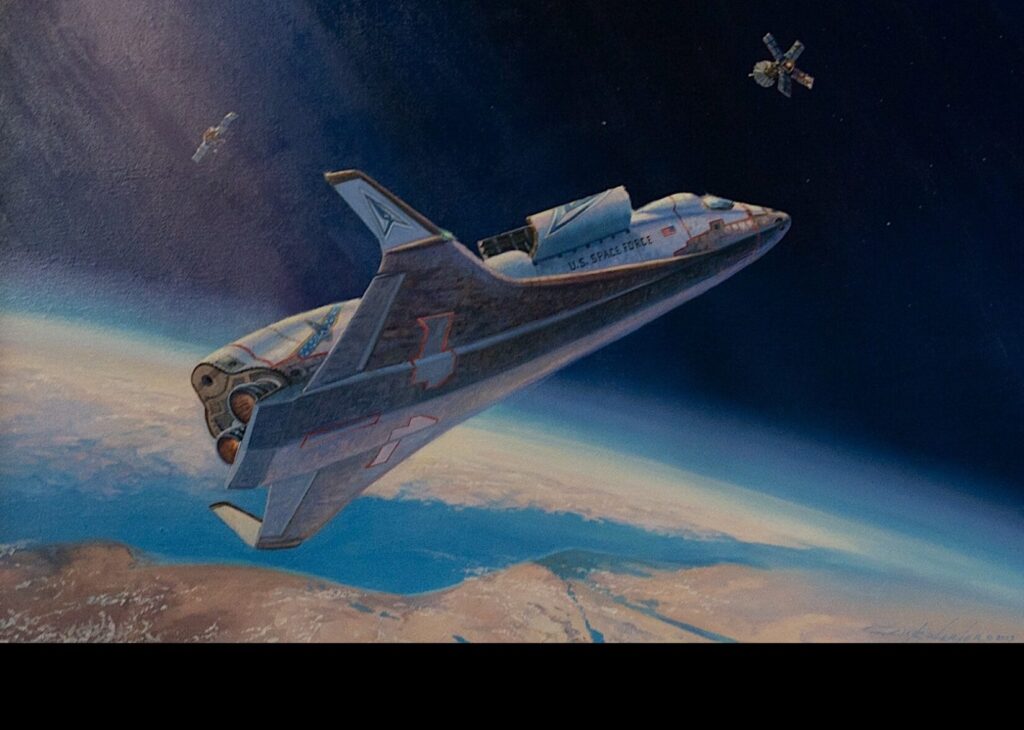
Although the size of the force is smaller than during the World Wars or the height of the Cold War, its capabilities are unmatched. Global logistics networks allow rapid deployment of troops and equipment, and alliances provide strategic depth and shared security responsibilities.
Continuity Amid Change
Despite the dramatic evolution of the U.S. military, certain values have remained constant. From the citizen soldiers of the Revolution to the highly trained professionals of today, service members have demonstrated courage, resilience, and dedication to the defense of the nation. The institution has adapted to new technologies, new threats, and new strategic realities, yet its core mission has endured.
The transformation of the American military is a story of innovation, sacrifice, and national growth. It reflects the changing role of the United States in the world and the enduring commitment of its people to protect freedom at home and abroad.
The appearance of U.S. Department of War visual information does not imply or constitute DOW endorsement.