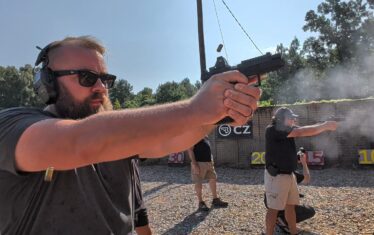


In the long arc of American military history, certain figures loom larger in memory than in lifespan. Nathan Hale, young, idealistic, and executed at only 21, belongs to that rare category.
His story is often reduced to a single line, the famous declaration, “I only regret that I have but one life to lose for my country.” Yet the deeper truth is more complex and far more compelling. He was not simply a martyr of the Revolution. He became a symbolic forebear of America’s modern intelligence operatives and the lone‑operator ethos later embraced by special operations forces. His brief mission in 1776 helped define an ethos of sacrifice, secrecy, and service that still shapes the modern warrior‑spy,
A Young Scholar Drawn Into War
Nathan Hale was born in 1755 in Coventry, Connecticut, into a world on the brink of upheaval. A gifted student, he attended Yale College, where he excelled in classical studies and rhetoric. Friends described him as earnest, athletic, and principled. These traits would later become part of his legend.
When the first shots of the Revolution rang out at Lexington and Concord, Hale was teaching school, but the call to arms proved irresistible. He accepted a commission as a lieutenant in the Connecticut militia and soon joined the Continental Army.
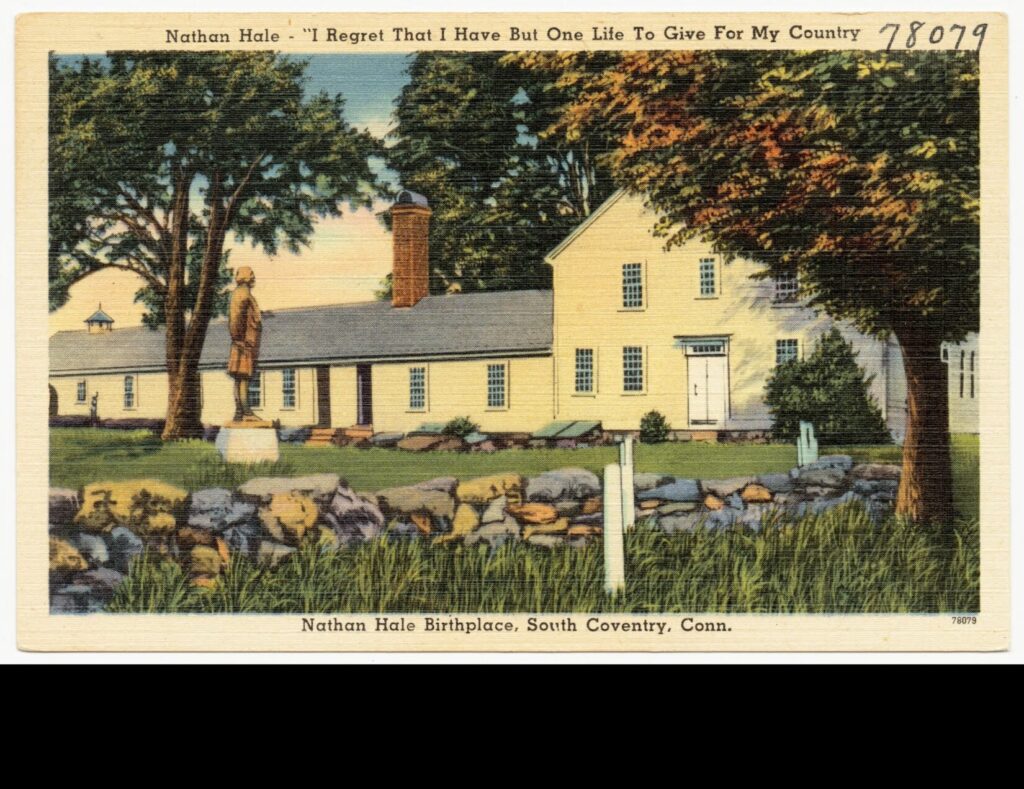
Hale’s early service was steady rather than dramatic. He drilled troops, built fortifications, and proved himself a reliable officer. Yet he was restless. The war’s early months were defined by uncertainty, and the Continental Army desperately needed men willing to take on dangerous, unconventional tasks. Hale, with his combination of intellect, idealism, and courage, was a natural candidate, even if he did not yet realize it.
Washington’s Need for Intelligence
By the summer of 1776, George Washington faced a crisis. British forces had landed on Long Island in overwhelming numbers, preparing to crush the Continental Army and seize New York City. Washington understood that without accurate intelligence on British troop movements, his army might not survive the campaign.
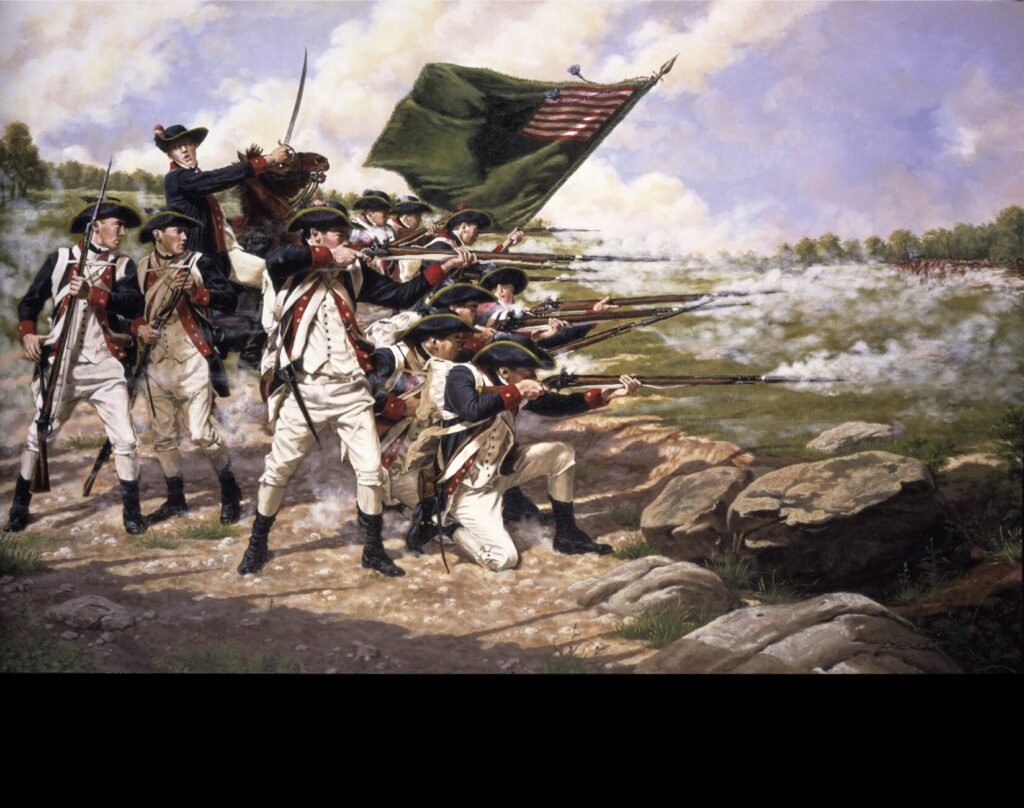
Espionage in the eighteenth century was crude by modern standards. There were no formal intelligence agencies, no established tradecraft, and little understanding of counterintelligence. Spies were often amateurs, merchants, farmers, or soldiers who risked execution if caught. Washington needed someone who could blend into civilian life, gather information discreetly, and report back quickly.
Few officers volunteered. Spying was considered dishonorable and even shameful. Nathan Hale stepped forward anyway.
A Mission Into the Lion’s Den
Hale’s decision to volunteer for espionage has long fascinated historians. Was it patriotism, youthful bravado, or a sense of duty? Most likely, it was all three. He agreed to cross enemy lines disguised as a Dutch schoolteacher and gather intelligence on British positions in Long Island.
It was a bold plan, but also a flawed one. Hale had no training in espionage. He carried incriminating notes in his pockets instead of memorizing them. He traveled alone, without a network or escape route. He entered an area filled with British patrols and Loyalist informants.
Still, he pressed on. For nearly two weeks, Hale moved behind enemy lines, observing troop movements and fortifications. His work, though amateurish by modern standards, represented one of the earliest attempts at organized American intelligence collection.
Capture and Condemnation
Hale’s mission ended abruptly in late September 1776. Accounts differ on how he was caught. Some say he was betrayed by a Loyalist cousin, others that he was recognized by a British officer. What is certain is that Hale was arrested near Flushing Bay and brought before General William Howe.
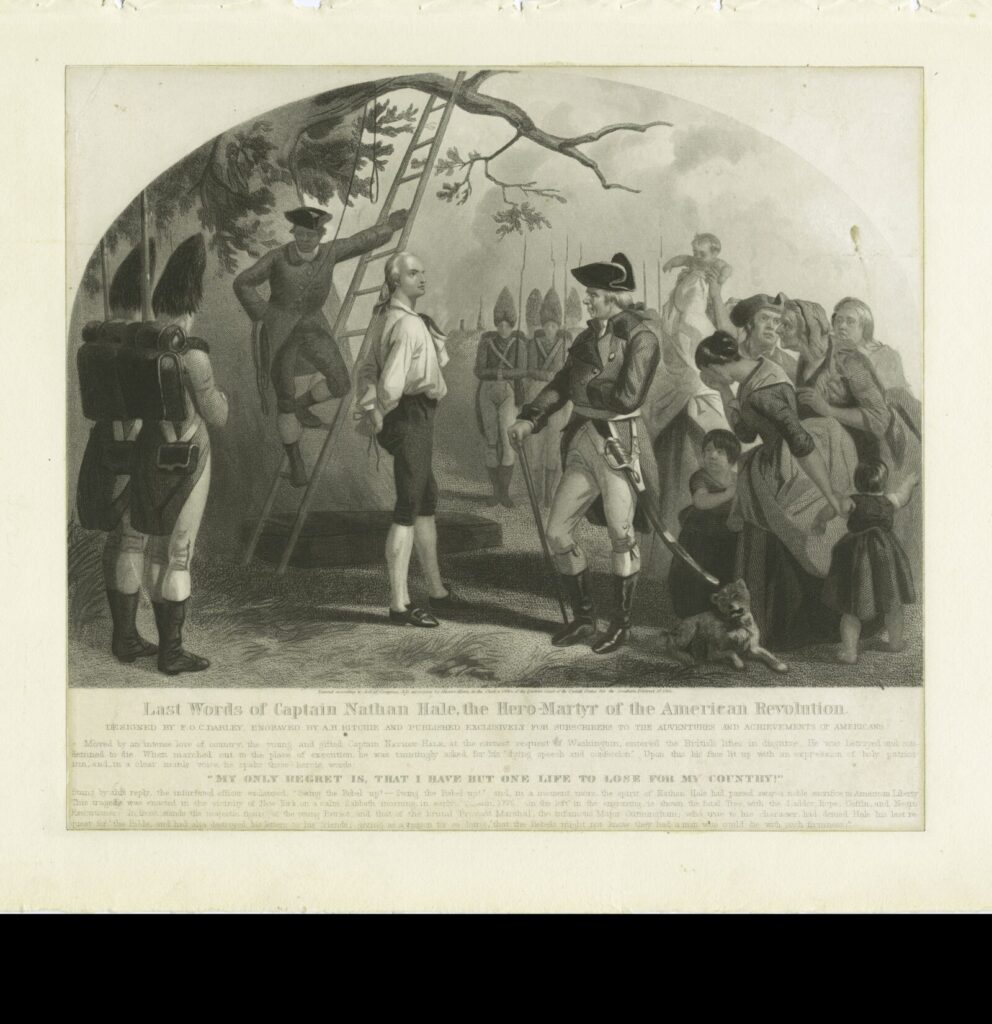
The evidence was damning. Hale admitted his identity and purpose, refusing to lie even to save his life. Under the laws of war, the sentence was automatic: execution by hanging.
On the morning of September 22, Hale faced his fate with composure. Witnesses described him as calm, dignified, and resolute. His final words, whether precisely as recorded or shaped by memory, captured the spirit of a young nation fighting for its existence.
The Origins of the Shadow Warrior Ethos
Why does Nathan Hale matter today? His mission failed. His intelligence never reached Washington. His death did not alter the course of the war.
Yet Hale’s significance lies not in tactical success but in symbolic power. He embodied a new kind of American warrior—one willing to operate alone, in disguise, behind enemy lines, driven by duty rather than glory. In this sense, Hale stands as a spiritual predecessor to America’s modern intelligence operatives and to the lone‑operator ethos later embraced by special operations forces.
Modern Army Rangers trace their lineage to colonial scouts and fighters like Robert Rogers, but Hale represents the moral and intellectual dimension of their mission: the willingness to risk everything to gather information that could save others. His sacrifice foreshadowed the clandestine operations that would become essential to American warfare—from the spy networks of the Revolution to the OSS agents of World War II, from Cold War operatives to today’s special mission units.
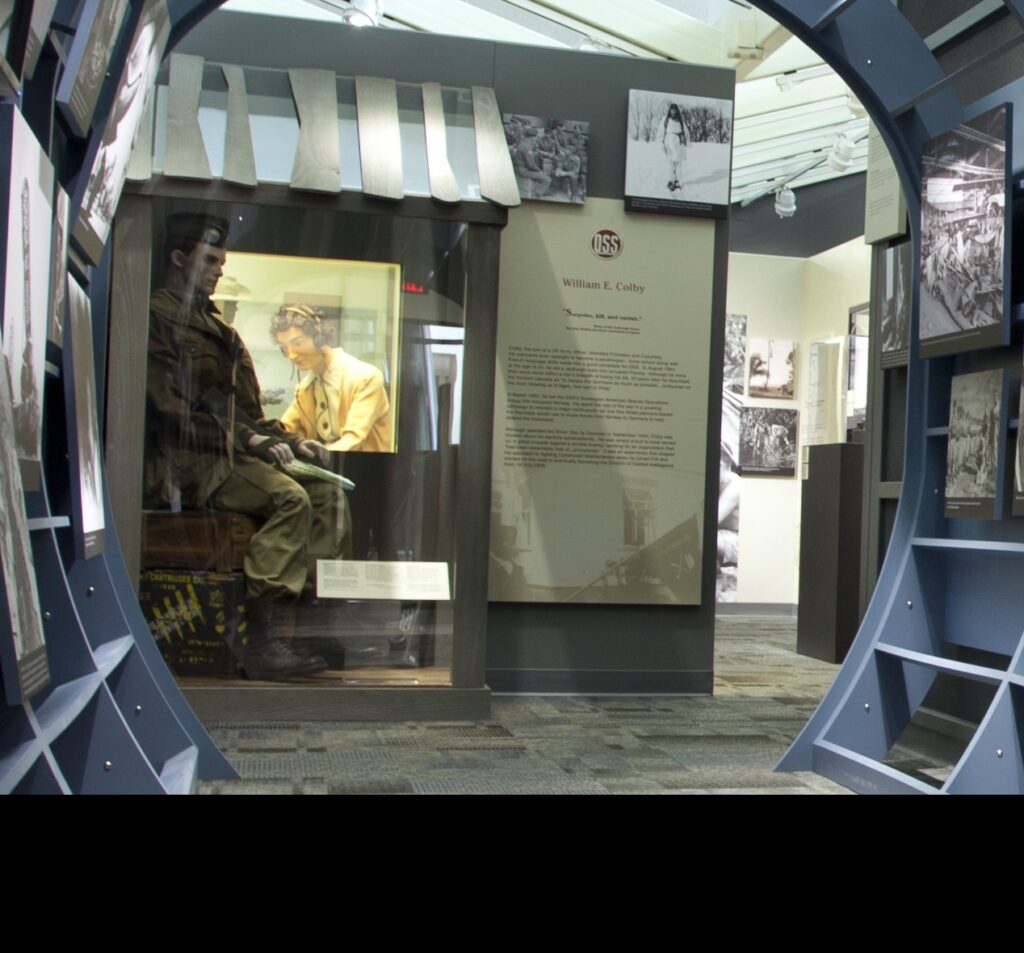
The Office of Strategic Services (OSS), founded in 1942 as America’s first independent intelligence agency, carried forward a tradition of espionage that began in the Revolutionary War with figures like Nathan Hale. Though the OSS operated for only three years and three months, it laid the foundation for what would become the modern Central Intelligence Agency. (Image courtesy of the CIA)
A Bridge Between Eras of Espionage
Hale’s story also marks the beginning of American intelligence as a profession. Washington, recognizing the need for better tradecraft, soon established more sophisticated spy networks, including the famed Culper Ring. These networks used codes, dead drops, invisible ink, and other techniques that would become staples of espionage.
In this evolution, Hale’s failure became a lesson. His courage was unquestioned, but his lack of training proved fatal. Modern intelligence agencies still study early missions like his to understand the importance of preparation, cover, and operational security.
A Legacy of Service and Secrecy
Nathan Hale’s legacy endures not because he succeeded, but because he dared. His willingness to step into the shadows at a moment when the nation’s survival hung in the balance set a precedent for generations of Americans who would serve in silence.
Today, his statue stands outside CIA headquarters, a reminder that the intelligence profession began with a young schoolteacher who believed that freedom was worth any risk. Army Rangers also honor Hale as part of their lineage, seeing in him the qualities they prize: initiative, courage, and selfless service.
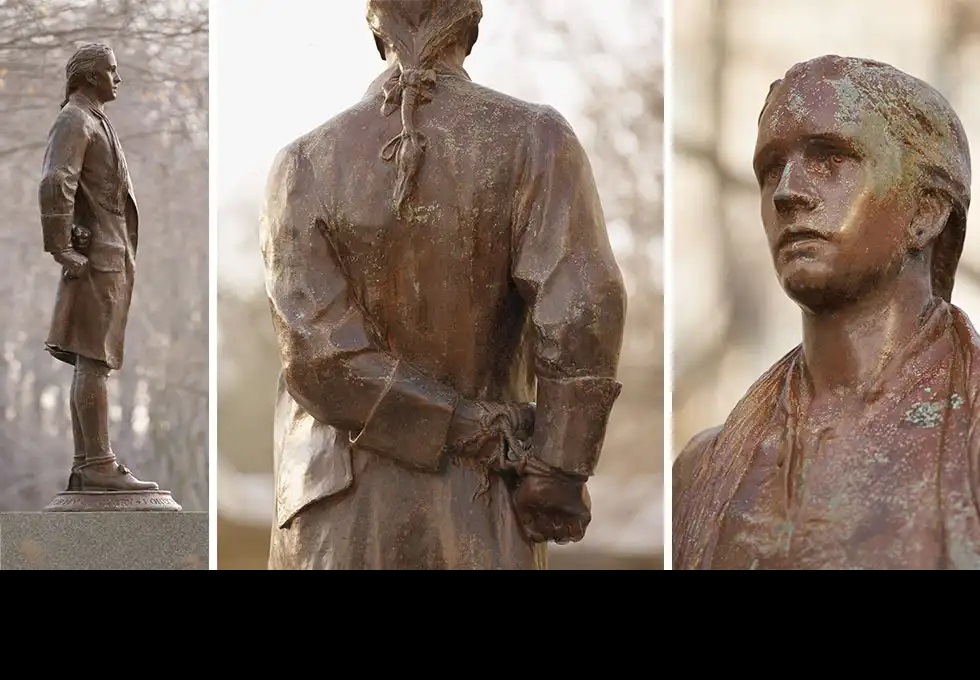
In an age when warfare increasingly depends on information, cyber operations, and covert action, Hale’s story feels more relevant than ever. He represents the moment when America first understood that victory requires not only soldiers on the battlefield but also those willing to operate unseen, gathering the knowledge that shapes strategy and saves lives.
Final Thoughts
Nathan Hale lived only 21 years, yet his impact spans centuries. He was America’s first true shadow warrior, a man who stepped beyond the lines of conventional battle to serve a higher purpose. His sacrifice helped define the American ethos of courage under uncertainty, secrecy in service of liberty, and devotion to a cause greater than oneself.
In the end, Hale’s life reminds us that the foundations of modern American intelligence and special operations were laid not by seasoned professionals but by a young idealist who believed that one life, given freely, could help secure the future of a nation.