
The M1911 is nothing less than an American icon. It was designed by legendary inventor John Moses Browning to replace the US service pistol. This semi-automatic pistol was officially adopted by the United States military in 1911. It served as the standard-issue sidearm for over 74 years, spanning two World Wars, the Korean War, and the Vietnam War.
Even after its official retirement in 1985, its popularity has never really diminished. Today, many of us are still drawn to the 1911 because it’s just so darn close to being a “perfect” design.
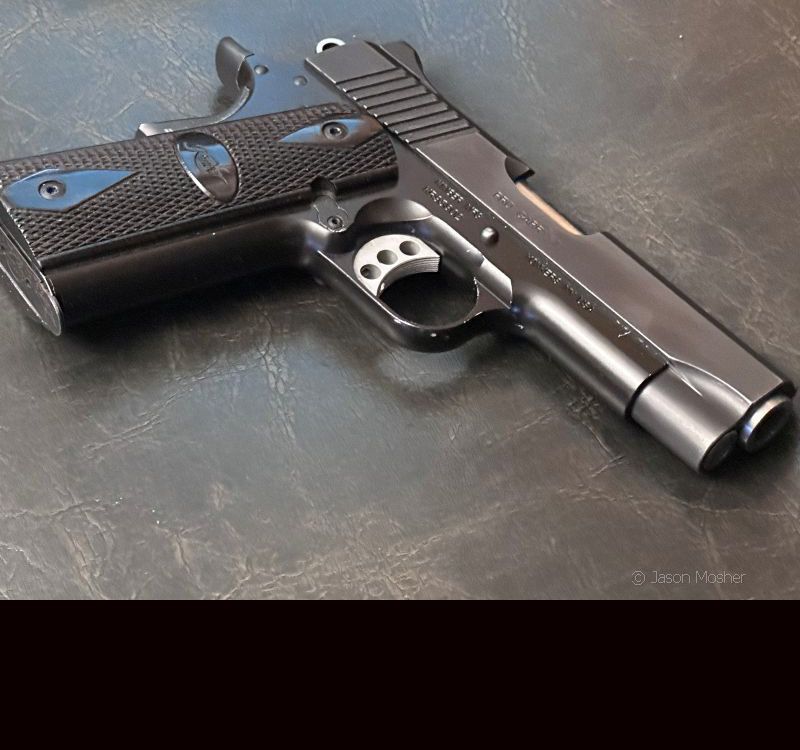
But even perfect designs are eventually challenged by modern technological advancements. We now live in an era where the market is flooded with lightweight, high-capacity polymer pistols. Thanks to Gaston Glock, all steel-frame pistols are now considered “outdated” in a general sense of handgun popularity and use by militaries, police, and civilians.
So how does this century-old design hold up? And is it still relevant for conceal carry today? We won’t be able to tackle both of those questions in this article. But we are going to discuss the relevance of carrying a 1911 in today’s world.
More specifically, we are going to look at the benefits of carrying a 1911 and what you should be cautious about.
Benefits of Carrying a 1911 for Self-Defense
When discussing the 1911, the first thing you normally hear about is the trigger. It’s not “mushy” feeling like a lot of modern striker-fired pistols. As we all know, the 1911 uses a single-action trigger that slides straight back. This results in a very crisp, light break with an incredibly short reset.
For the shooter, this translates to better accuracy. In a high-stress self-defense situation, a clean trigger pull can be the difference between a hit and a miss.
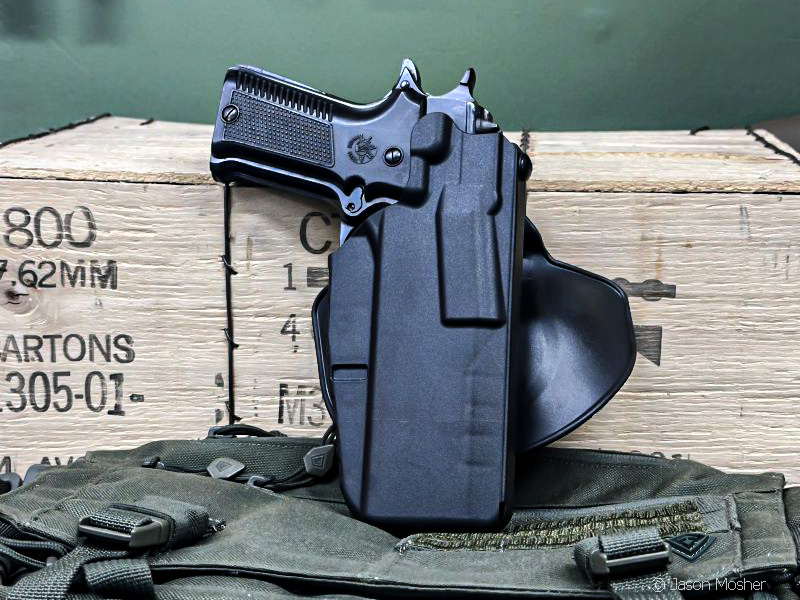
Another significant benefit is the slim profile of the gun. Because the traditional 1911 uses a single-stack magazine, the slide and frame are remarkably thin. Even compared to all the modern guns of today, the 1911 remains one of the thinnest. This makes it easy to conceal against the body, despite its overall size. It sits flat against the waist, reducing the “printing” that often occurs with wider double-stack modern handguns.
It should also be mentioned that the grip angle and overall ergonomics of a 1911 pistol (like the safety lever and slide release) are just phenomenal. Manufacturers today still incorporate some of those features into their handguns.
Reliability
Any firearm you carry for self-defense should be reliable. This is one thing Glock handguns are known for. But even an old workhorse like the M1911 can challenge modern guns with reliability.
In March 1911, the U.S. Army held its final endurance test to choose a new sidearm. The two finalists were Colt (the 1911) and Savage. The test was grueling: each pistol had to fire 6,000 rounds. At the time, this was an unheard-of amount of ammunition for a semi-automatic handgun.
The pistols were fired in sets of 100 rounds. After each set, they were allowed to cool for five minutes. After every 1,000 rounds, the guns were cleaned and oiled. If a gun became too hot, it was simply dunked into a bucket of water.
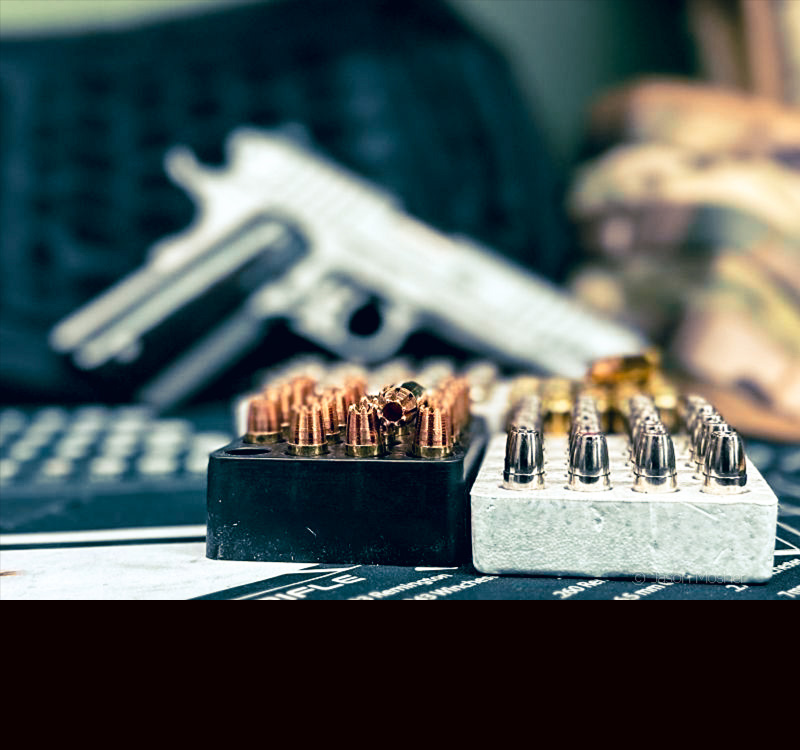
By the end of the two-day trial, the results were clear. The Savage pistol suffered 37 malfunctions and several broken parts. But the Colt 1911… it had zero malfunctions.
Of course, we all know Glock and other modern handguns have been tested with a much higher ammo count than this. But 6,000 rounds without a single malfunction is still extremely impressive.
Cautions of Carrying a 1911 for Self-Defense
Despite its legendary status, the 1911 requires a specific level of commitment from the user. This isn’t a gun for beginners to stick in a holster and head out the door.
The most notable caution to bring up is its Single-Action (SA) operation. To carry a 1911 effectively for defense, it should be carried in “Condition One.” That is to say, cocked and locked. This means a round is in the chamber, the hammer is back, and the manual safety is engaged.
While this condition is safe for carrying, it requires specific muscle memory. That means a lot of training with the handgun. You should instinctively flick the safety off during a draw. If you forget that safety under pressure, the gun is reduced to being a metal club.
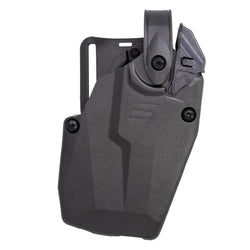
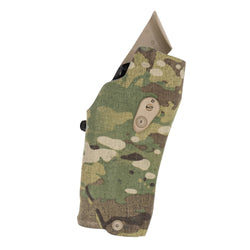
Some people also feel uneasy about carrying a single action handgun with the hammer pulled back. Having a quality holster matters.
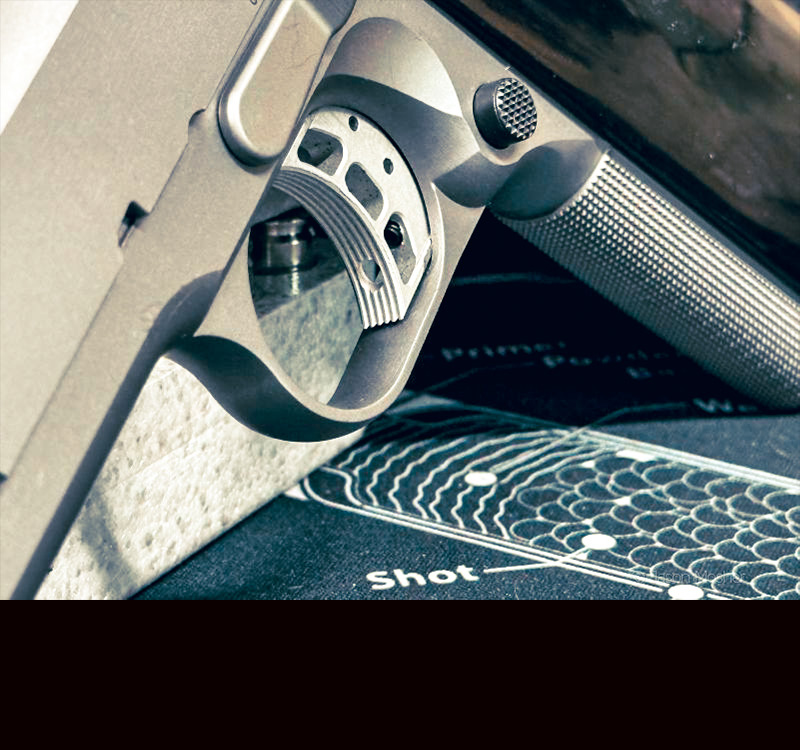
Another thing to be cautious of is the trigger weight. This is a double-edged sword. The light, short pull that aids accuracy can be a liability for an untrained or panicked person. Without proper trigger finger discipline, the risk of an unintentional discharge is much higher. Especially when you are comparing it to a heavier double-action or striker-fired trigger.
Ammo Capacity
Real-world data often shows that even highly trained shooters see their accuracy plummet in a gunfight. If you’re missing, having 15+ rounds gives you a much higher “margin of error” than having 8 rounds. This is something each person will need to consider. Some smaller handguns do not carry much more weight than this either, but for a larger handgun, the ammo capacity is hard to ignore.
Maintenance and weight
While it’s not as high on the list as the other things I mentioned, maintenance is something to be aware of as well. The 1911 is a machine with tight tolerances. It generally requires more frequent cleaning and lubrication than polymer-framed guns. It is not a “toss it in the holster and forget it” firearm. Neglect can lead to malfunctions, which is unacceptable in a defensive tool.
The last thing to consider is the overall weight of a 1911. Even newer models made of lighter metal are heavier than most polymer handguns. To some, this may not be an issue. But for others, carrying a gun for 12 hours can be annoying when the gun starts to feel like a brick in your holster.
Balancing the benefits with the cautions
When comparing the 1911 to modern handguns, the choice often comes down to “shootability” versus “convenience.” Modern striker-fired guns are just easier to maintain. They are lighter, hold more ammo, and lack a manual safety to fumble with. They are the “appliance” of the gun world, simple and effective.
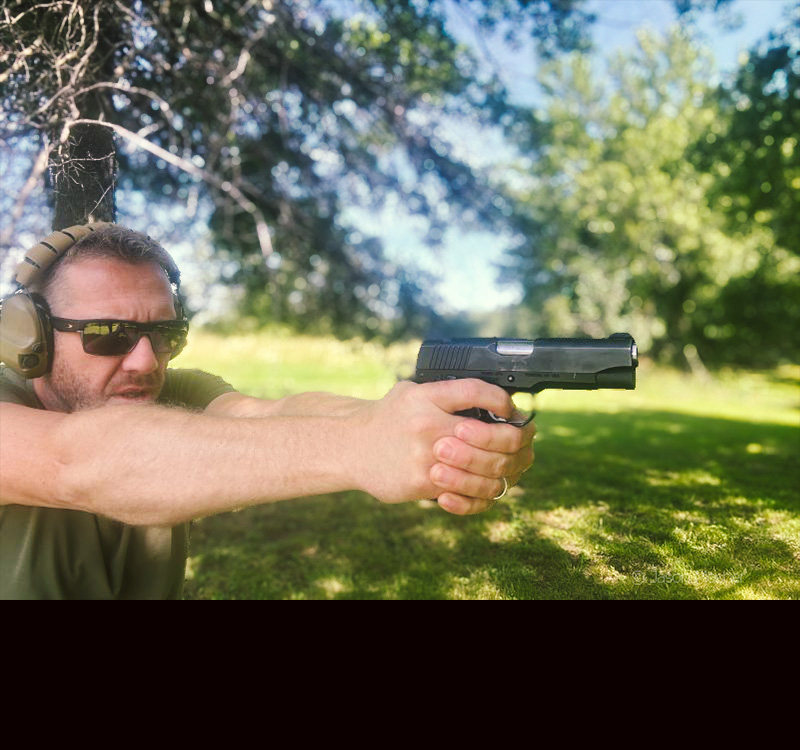
But there are still a lot of people who choose the 1911 because they simply shoot better with it. The trigger and ergonomics often lead to better performance on the range and in the field. For these people, the increase in accuracy potential is worth the trade-off in capacity and the extra weight on the belt.
If you are a novice who wants a tool that requires minimal thought, a modern polymer gun is likely your best bet. But if you are willing and able to put in the training hours, the 1911 is still an effective choice. You need to master the manual safety, maintenance routine, and trigger-finger discipline. Although I will point out that trigger-finger discipline should be mastered with any firearm, so I’m not sure that one is fair hold against the 1911.
It is a firearm that takes specific training to be proficient with. But in the end, a 1911 is still a great self-defense handgun for conceal carry. You just need to be aware of the differences between it and modern handguns.
Frequently Asked Questions
Why is the 1911’s trigger considered superior to modern striker-fired pistols?
Unlike the “mushy” feel often found in modern polymer pistols, the 1911 features a single-action trigger that slides straight back rather than pivoting. This design provides a crisp, light break and an incredibly short reset, which helps the shooter maintain better accuracy during high-stress self-defense situations.
Is a full-sized 1911 difficult to conceal because of its steel frame?
While it is heavier than polymer guns, the 1911 is actually one of the thinnest handguns available. Because it traditionally uses a single-stack magazine, the profile of the slide and frame is very slim. This allows it to sit flat against the waist, reducing the “printing” or bulging often caused by wider, modern double-stack pistols.
What does it mean to carry a 1911 in “Condition One”?
Condition One, also known as “cocked and locked,” is the standard way to carry a 1911 for self-defense. This means:
- A round is in the chamber.
- The hammer is cocked back.
- The manual safety is engaged. This allows the user to draw and fire quickly by simply flicking the safety off, though it requires significant training to master this muscle memory.
How does the ammunition capacity of a 1911 compare to modern handguns?
A standard full-size 1911 typically holds 7 or 8 rounds, which is significantly less than a modern polymer pistol like a Glock, which often holds 15 or more. To compensate for this lower capacity, users should be prepared to carry spare magazines and be highly proficient at fast reloads.
Does a 1911 require more maintenance than a polymer-framed gun?
Yes. The 1911 is a machine built with tight tolerances and generally requires more frequent cleaning and lubrication than its modern counterparts. It is not a “set it and forget it” firearm; neglect can lead to malfunctions, making regular maintenance essential for a reliable defensive tool.