The defensive ammo rabbit hole goes deep, really deep. There are so many moving parts to ballistic performance that a universal, one-size-fits-all answer simply does not exist. Since the topic is so deep, we’ll limit our discussion to handguns.
Handguns in particular tend to have way more options for defensive ammunition. If you look at 9mm, there are dozens of manufacturers producing hundreds of loads that vary widely by projectile weight, velocity, and design.
Too often, the discussion gets overly simplified, and someone says, ‘Use JHP’ without elaborating why or considering all of the factors that go into cartridge selection.
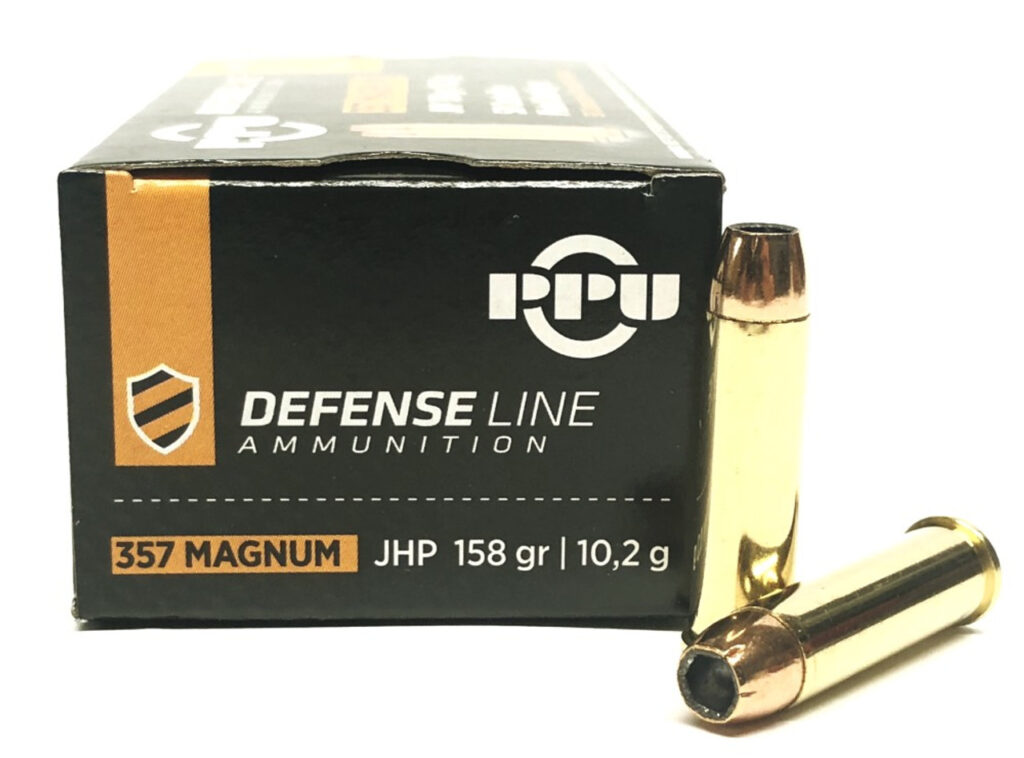
More than likely, you will use a JHP of some type, but that is only one part of the answer, and you need to understand why. There are a lot more considerations to make than just the projectile type.
We have to consider internal factors: projectile weight, muzzle velocity, caliber, and your firearm’s barrel length. We also need to consider external realities, such as how the ammunition recoils and your ability to put fast shots on targets.
My goal today isn’t to tell you the best option for every cartridge, but to give you the tools to make that decision for yourself.
The Universal Handgun Rule
There are very few universal rules regarding firearms. One of those few golden, universal rules is this:
Handguns suck at fighting.
Shotguns and rifles offer you a number of advantages over a handgun, and if you know you are going to a gunfight, bring a long gun. Most of us don’t know when we are walking into a fight for our lives, and it’s not practical to slap the AR on every time we leave to get milk.
Handguns give us the three Cs.
- Compact.
- Concealable.
- Convenient.
This is why we carry handguns. They fit the mission most of us have to accomplish daily. Knowing that handguns, all handguns, suck at fighting means you have to rely on proper ammo selection to ensure you’re giving yourself the most advantage possible.
Defensive Ammo: The Two Factors
Stopping a lethal threat quickly relies on two things: penetration and shot placement.
1. Penetration
The cartridge needs to reach deep enough to strike something vital.
The penetration standard used by both law enforcement and the ammunition industry is 12 inches through a properly calibrated block of ballistic gel. To simulate real-world conditions, that block is faced with layers of denim and cotton to simulate clothing.
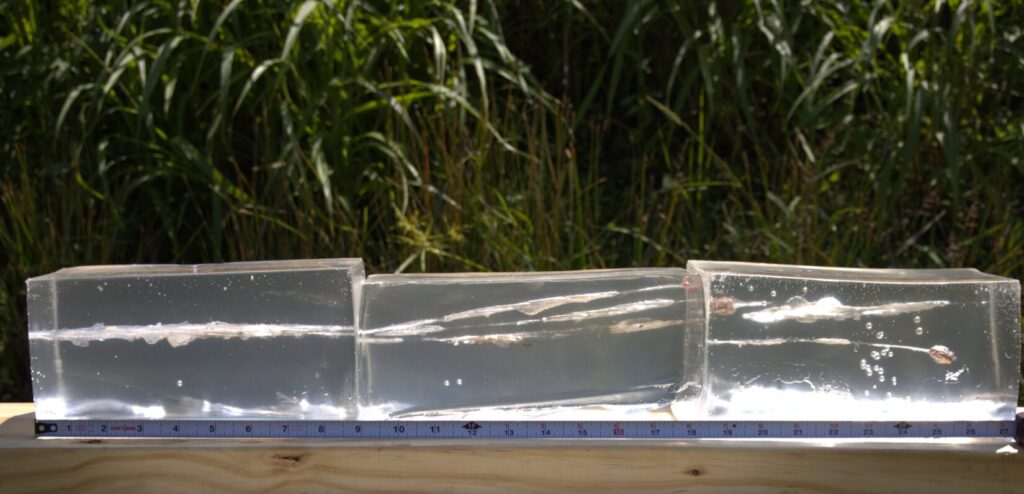
When shopping for ammunition, it’s wise to research gel testing with your chosen cartridge. Both independent and factory testing can be used to help ensure your round of choice reaches the proper depth.
2. Shot Placement
Shot placement means the ability to hit your target in a place that matters. Shots placed in vital areas are more likely to quickly neutralize the threat. This requires training and practice to be a competent shooter.
With that said, recoil is a factor. If the threat ends in one shot, fantastic, but if not, you need to be able to place multiple rounds in vital areas. Recoil will primarily depend on your caliber; however, some defensive ammo can generate more recoil than others.
A 9mm 124 Grain +P round has noticeably more recoil than a 115-grain JHP. With that in mind, you need a cartridge that will penetrate to the standard and one you can confidently control and shoot quickly.
What’s The Objective of Defensive Ammo?
With defensive ammo, we have two goals.
The first is to stop the threat. Which goes back to penetration and shot placement. You must punch deep enough to disrupt anatomy.
Our second goal is risk mitigation. We do not want to put other people in danger. This is where the other upper limit of projectile penetration comes into play.
A round that penetrates more than 18 inches into ballistic gelatin runs the risk of penetrating a threat and harming another person. We want to avoid that, which is why most people suggest a jacketed hollow-point (JHP).
This brings us to projectile design.
Projectile Design
There are two common projectile types out there, FMJs and JHPs.
Full Metal Jacket (FMJ)
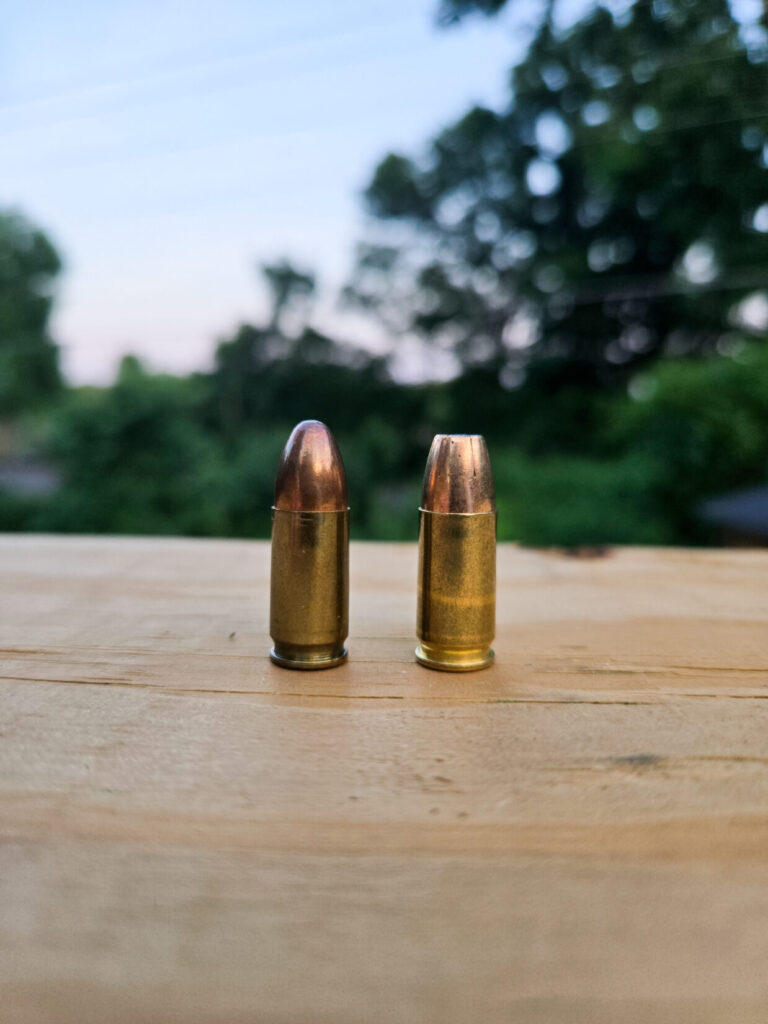
An FMJ is a solid lead core encased in a copper jacket. They are by far the most common, cost-effective ammunition type, making them ideal for training and high-volume competition. In the vast majority of calibers, from the vast majority of guns, an FMJ will overpenetrate the threat.
Jacketed Hollow Points
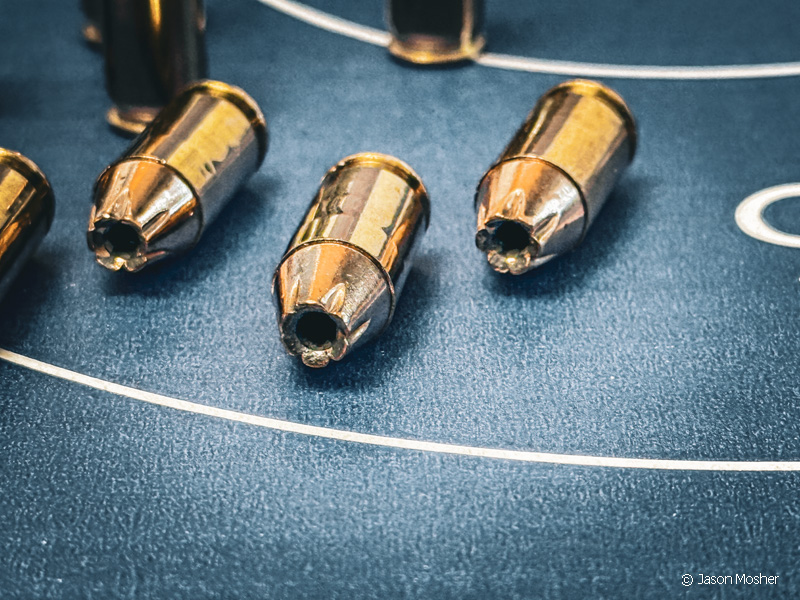
Jacketed Hollow Points, or JHPs, have a hollow tip that might be plugged with a polymer insert. These rounds are designed to expand when they hit a soft target. The expansion has two major benefits.
First, it creates a large wound track. A 9mm is a .35 caliber bullet, but with the right JHP, it can expand up to .50 caliber. A larger wound track isn’t guaranteed to stop a threat sooner, but it can be beneficial when aimed at a vital area.
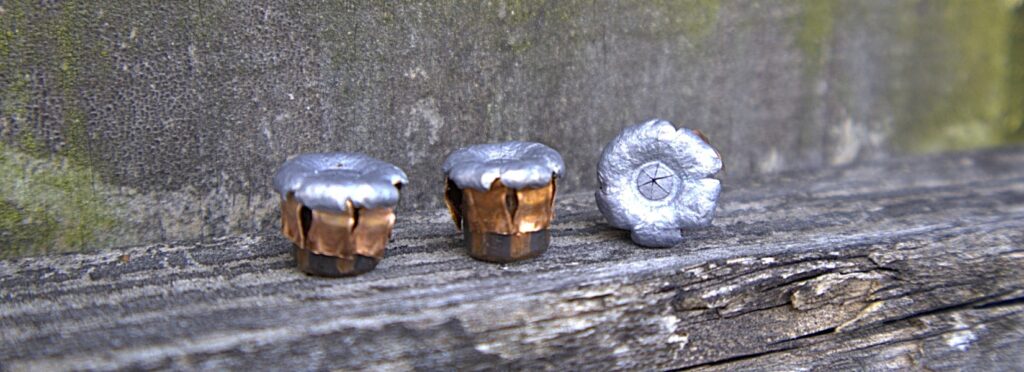
Second, expansion creates a parachute effect. As the bullet expands, it slows rapidly, which prevents overpenetration.
The engineering challenge for ammo companies is to create rounds that penetrate deep enough to reach the vitals, while expanding at the right rate to slow the projectile down to prevent overpenetration.
It’s clear why so many people just suggest a jacketed hollow point.
The Micro-Gun Exception
For standard defensive calibers, like 9mm, .40 S&W, .45 ACP, .38 Special, .357 Magnum, etc, the JHP rules in most cases. However, tactical nuance is critical.
When you get into pocket-sized micro-guns, this changes. Cartridges like .32 ACP, .25 ACP, and .22LR are often best utilized with FMJs.
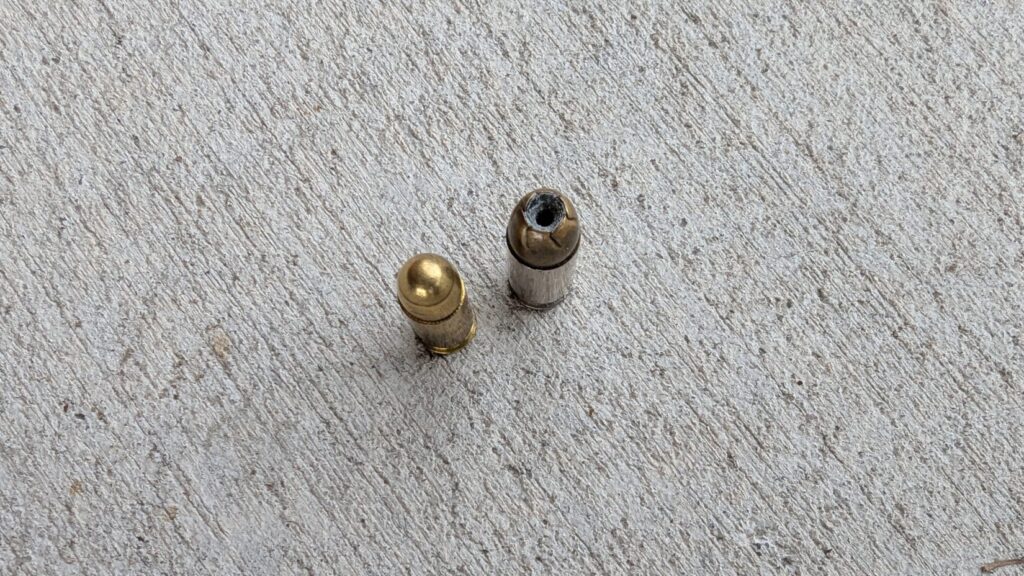
These lightweight, low-velocity rounds often fail to penetrate deeply when using JHP ammunition because they slow too rapidly. Could they get deep enough with JHPs? Sure, but it’s not reliable enough to depend on in most cases. With these poodle shooters, an FMJ is the right choice to obtain proper penetration, without risking overpenetration.
Projectile Shape and the Revolver Advantage
Snub nose revolvers in .38 Special and .32 H&R Magnum are great choices for personal defense. In most cases, when loaded with a jacketed hollow point, they can reach the depth while expanding just slightly. However, they tend to be hot, with excessive recoil for some shooters.
If we are looking to limit recoil, then a wadcutter projectile from a snub-nose revolver can be a great choice. Wadcutters are perfectly flat bullets that were designed for punching perfectly round holes in paper targets.
Over the years, people discovered they tend to penetrate quite well from short barrels and tend to have fairly pleasant recoil. The flat nature ensures it doesn’t overpenetrate the threat. This makes them an awesome choice for centerfire snub nose revolvers.
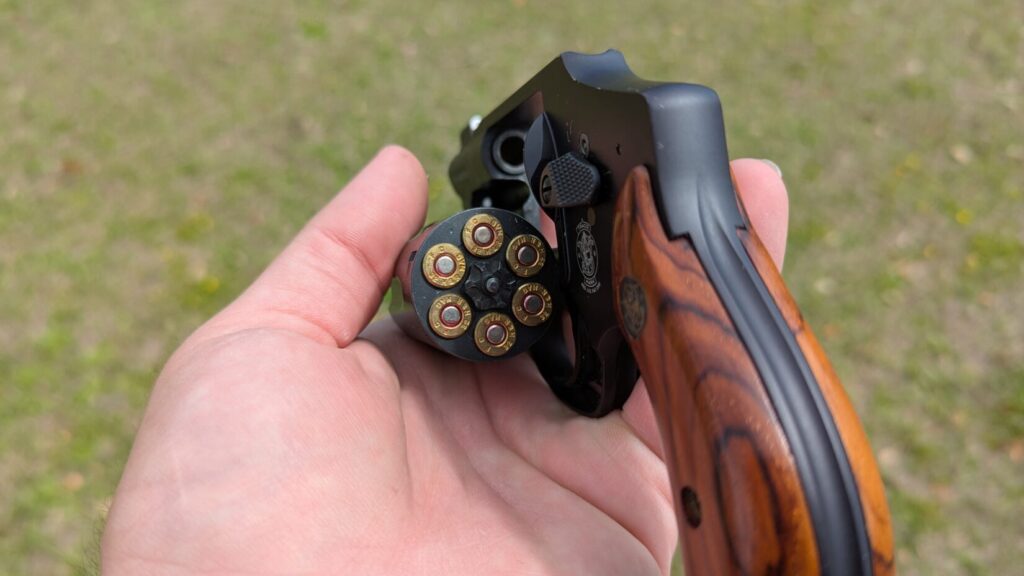
A true wadcutter won’t work in the vast majority of automatic pistols. The pistols that they work with are niche target pistols. However, since revolvers don’t have feed ramps and magazines, they aren’t a problem.
Velocity and Barrel Length
Speed matters when it comes to defensive ammunition. We need the right mix of speed and projectile weight to ensure proper penetration. Speed is also important when using jacketed hollow points, because they rely on the projectile to reach the right speed to expand when it hits a soft target. Lots of factors affect the speed of a projectile.
Since you’re buying the ammo rather than making it yourself, you can only control for speed via barrel length.
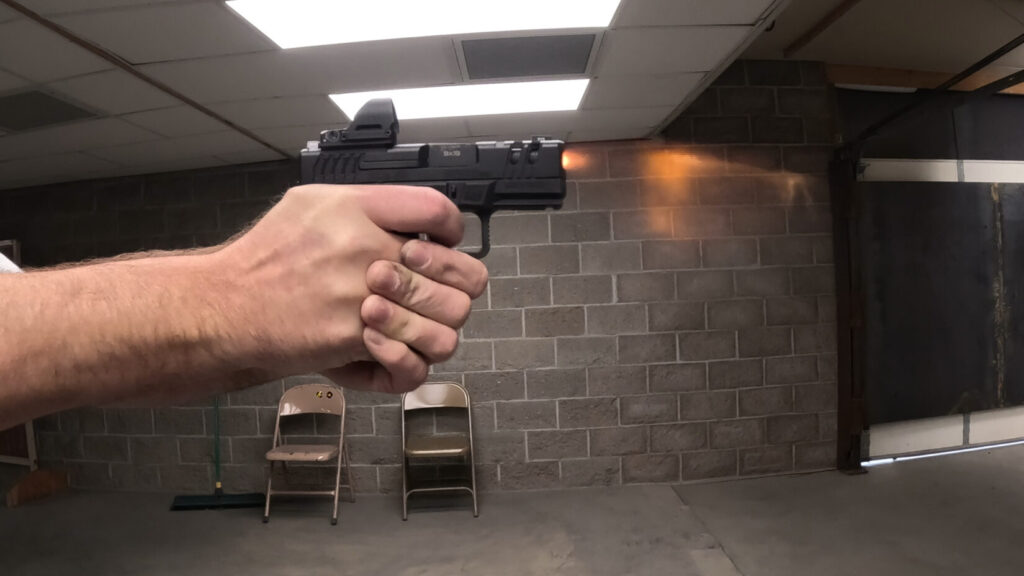
Shorter barrels offer less runway for gunpowder to burn completely, which reduces muzzle velocity. Ammunition manufacturers often optimize specific loads for short or long barrels.
When you research your defensive ammunition, you’ll need to check the barrel length from which they measure velocities. The same goes for gel tests.
Any test worth a spit will list barrel length alongside its testing procedures.
Judging by sales of the P365 and similar micro compacts, many people are carrying guns with barrels around 3 inches long. That’s a critical consideration when researching your defensive ammo.
On the other side of the coin, remember that more speed can equal more recoil. Physics is a law, not a suggestion.
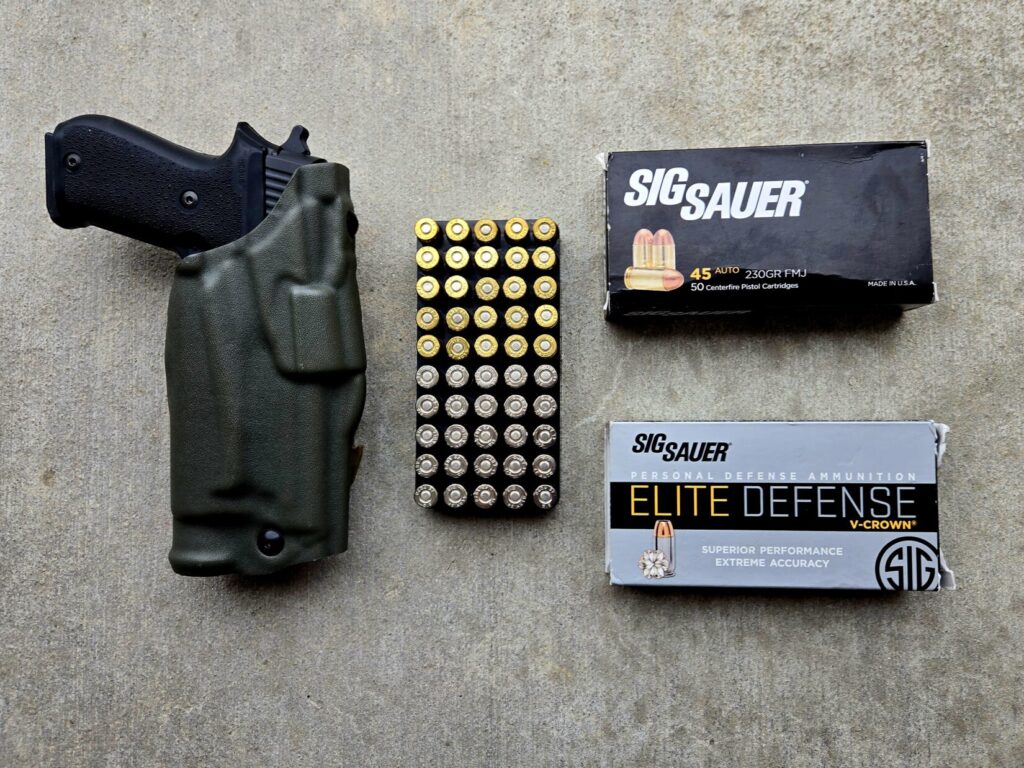
Bullet weight also becomes a factor to consider with speed and recoil.
A 124-grain round moving at 1,200 FPS has more recoil than a 124-grain round moving at 1,000 FPS. When using lighter projectiles, speed can increase without extra recoil, and if you go heavier, speed can decrease without an increase in recoil.
You want a bullet moving fast enough to reach adequate penetration and expansion.
Sifting Through Marketing Gimmicks
The ammunition industry is full of gimmicks. Major companies like Federal, Hornady, and Speer tend to make good defensive ammo. It’s boring, but it works.
Sadly, ammunition seems to be full of snake oil. If something seems radical or too good to be true, it likely is. Seek out independent testing to verify the results advertised by the manufacturer.
How To Select Defensive Ammo?
You need to do your homework as you shop for defensive ammo. Look for ballistic testing that measures both penetration and expansion in controlled mediums.
When analyzing these tests, verify the following parameters:
- Medium: Ensure the testers used properly calibrated 10% ballistic gelatin faced with heavy clothing barriers.
- Penetration Depth: Ensure the round hits the 12-inch minimum threshold without exceeding 18 inches of penetration.
- Terminal Performance: These tests should also show much expansion and weight retention a cartridge experiences. Expansion isn’t necessary, but if you’re shopping among a few different loads, you might as well take the one that offers good expansion while meeting the required penetration threshold.
- Platform Matching: Pay attention to the test gun used so you understand the barrel length, as that affects speed and expansion.
Remember that as heavier bullets move faster, recoil increases.
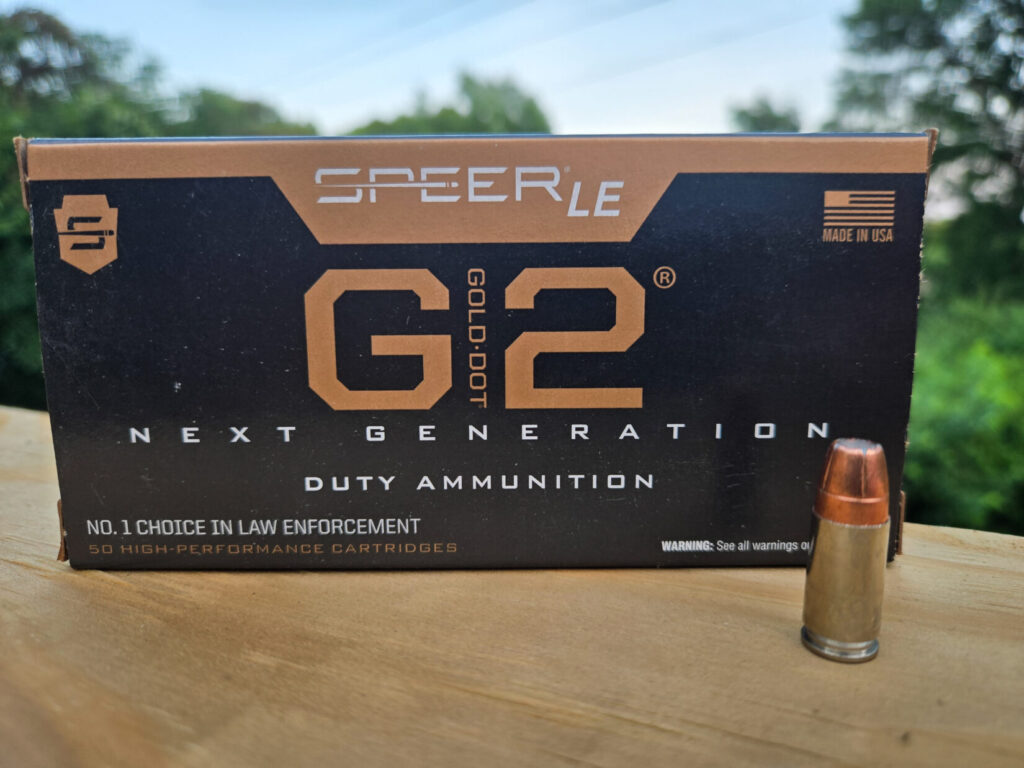
A good general rule of thumb is to stick to brands with a good reputation. If you wanted an easy button, I’d suggest defensive loads from Hornady, Speer, Federal, High Desert Cartridge Company, and Winchester.
Parting Advice
When you’ve made a decision on a particular brand and load of ammo, it’s wise to buy a box just to test in your firearm. Observe how it recoils and how well you control it, and make sure it can reliably run in your firearm.
With modern guns, it’s extremely rare that you won’t find one that can reliably utilize jacketed hollow points. However, it’s your life at stake, so a little testing seems like easy insurance.