
We’re currently in the micro-compact world where guns like the SIG P365 rule the landscape. Over the last decade, we’ve seen the rise of single-stack 9 mm, pocket pistols, subcompacts, and so much more. With manufacturers constantly pushing the envelope, it begs the question: Is it worth it to chase trends and upgrade your gun to the latest generation?
In most cases, no, probably not. If you already own a reliable firearm, you don’t need to upgrade. Wanting to buy a new gun is fine, but if that’s your primary motivation, this article isn’t for you. This is for the guy or gal sitting at home, looking at their current setup, and doubting their current gun’s capabilities.
With that said, there is a time to upgrade your guns, so let’s cover those situations first.
Quick Summary: Should You Upgrade Your Handgun?
For most shooters, upgrading to a brand-new firearm model is unnecessary. If your current handgun is safe, reliable, and suits your baseline defensive needs, your money and time are far better spent on professional training, ammunition, a high-quality EDC belt, or a quality holster to solve comfort and concealment issues.
When To Upgrade Your Gun (The Practical Realities)
With that said, there is a time when it’s necessary to upgrade your gun. These situations are often few and far between, and they fall into a few distinct categories.
Safety Concerns and Aging Mechanics
You’ll need a new gun if your gun can be considered unsafe. Most modern handguns are exceptionally safe and well-made, but on occasion new information may come out that your gun is unsafe, and if that’s the case, upgrade.
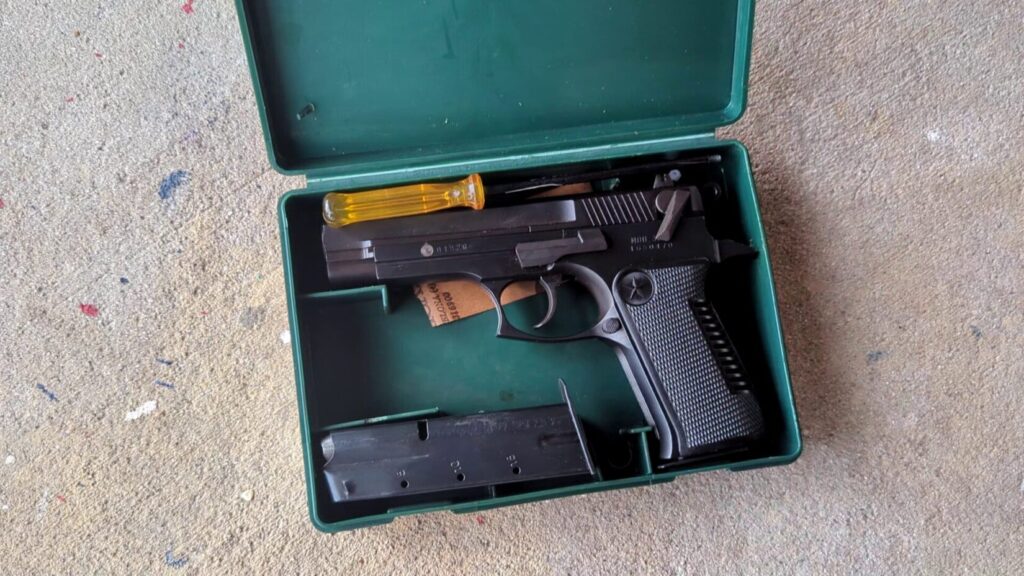
You might also be relying on a legacy firearm. I love my older S&W revolvers, but if an old wheel gun lacks a transfer bar, there is a chance it might fire when dropped. If that’s the case, it’s time to upgrade.
Irreparable Damage or Use-Case Suitability
If your primary handgun becomes damaged and it’s no longer covered under warranty, it’s time to go shopping.
And, you might need a different gun if it’s entirely unsuited for your intended use. A Desert Eagle is a fun gun, but it’s a terrible option for defense and duty use.
The Hidden Costs Of A New Gun
Let’s do a little practical math. A new handgun is already a big investment on its own. You’re likely prepared to spend anywhere from $500 to $2,500 on just the gun. But the spending rarely stops at the gun counter.
Magazines: Factory and aftermarket magazines are rarely cheap, and you’ll need at least three to five defensive mags.
Support Gear: A new gun shape requires entirely new holsters and mag pouches, and good support gear isn’t cheap.
Training and Ammunition: Next, you have to actually go shoot, train, and learn the ins and outs of the new gun. That necessitates dedicated range time, expensive ammo, and a minor-to-major skill reset depending on how dramatic of a platform swap you are making.
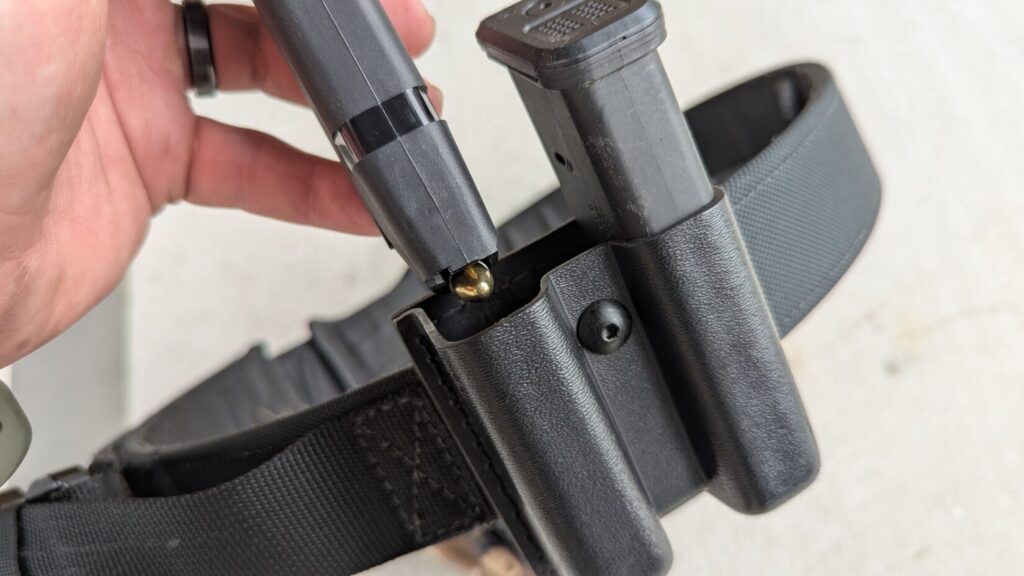
By the time you tally up the hidden costs, you are easily looking at double the baseline price of the gun just to execute the upgrade. Money is certainly a major consideration, but you also have to ask: what is your time worth?
Compare that to a gun you already own. You already know what to expect from it, how it handles and how to shoot it. Money is only one side of the investment; we can always make more money, but we don’t get more time.
Going Smaller: The Concealed Carry Dilemma
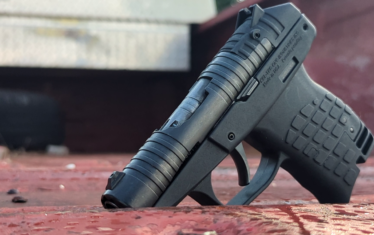
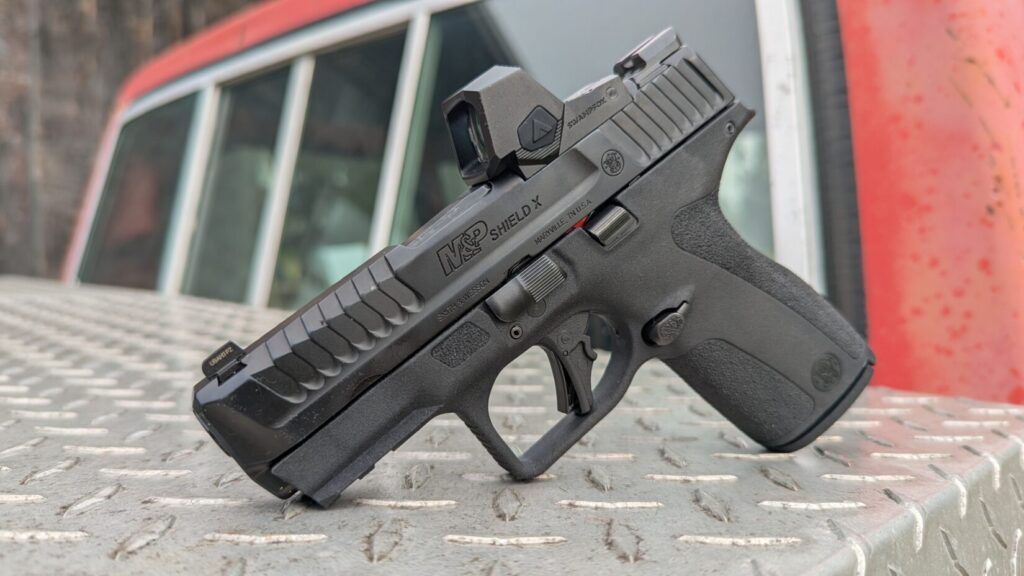
If you’ve been carrying the same Gen 3 Glock 19 for years, it can feel tempting to jump to a smaller micro-compact like the P365. That’s roughly a five-hundred-dollar investment to get a slightly smaller gun with a smaller grip and snappier nature.
If your Glock 19 is digging into your waist, feels tough to properly conceal, or feels heavy and annoying by the end of the day, those are valid problems. However, they don’t automatically require a new gun to solve them.
The Right Support Gear Fixes Big Guns
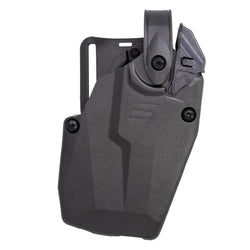
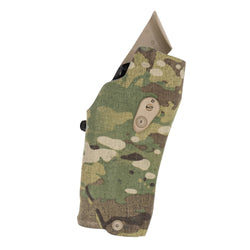
What if, instead of replacing the firearm, you upgrade your holster? A bad holster can make even the smallest gun tough to conceal and uncomfortable to carry. Personally, I can conceal a full-sized Glock with a weapon light without discomfort or challenge because I use a good holster.
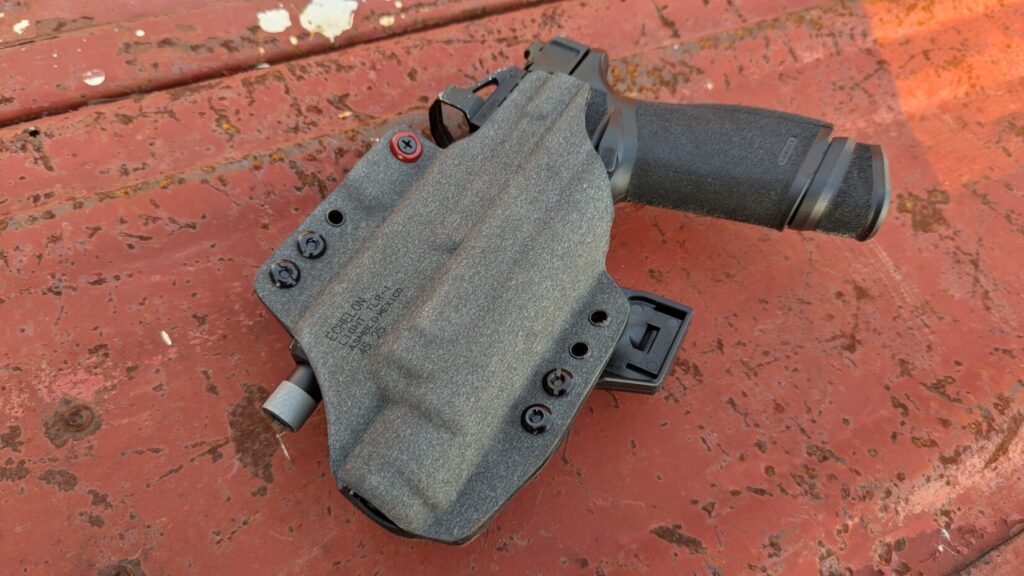
My typical choice is the Incog X series. I also like the Schema for my smaller guns. A good holster can make concealment much easier while being a fair bit more comfortable.
A holster with claws, wings, and wedges can make a huge difference. The claws and wings push the grip into your body, and the wedge tips the muzzle outward. Both make concealment much easier.
Besides the holster, you should examine your belt situation. A cheap department store belt isn’t enough. A belt designed to support a firearm isn’t a big investment, but it pays dividends. The support a belt offers improves comfort and makes the weight much more manageable.
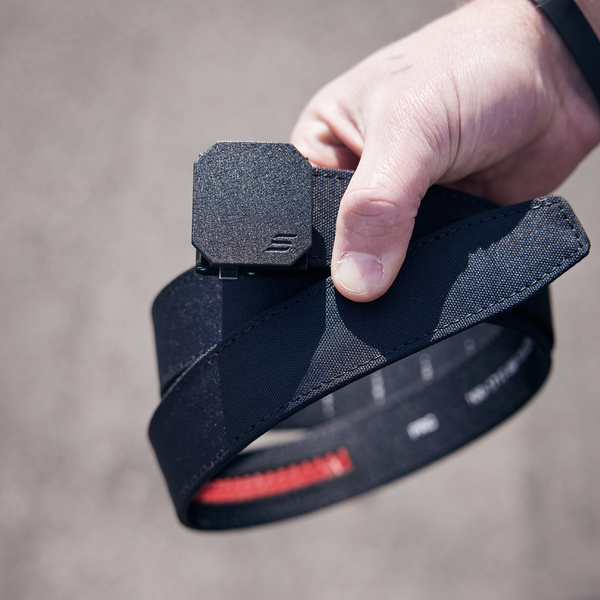
If you incorporate better support gear into your system, you may find that you get to keep the larger, easier-to-handle gun while still maintaining good concealment and comfort.
The Performance Temptation
The handguns I see riding on duty belts have remained largely the same for decades now: polymer-framed, striker-fired pistols. It is the global standard for a reason. In recent years, however, I’ve noticed a massive influx of 2011 hammer-fired designs hitting law enforcement and tactical duty rigs.
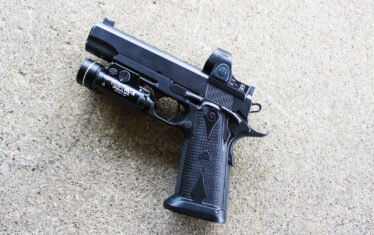
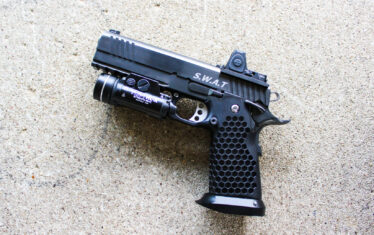
Staccato broke the 2011 out of its pigeonhole as a competition gun, transforming it to a duty gun approved by over 1,800 agencies. I like Staccatos, and if your agency issues them, that’s great. But if they simply approve them and you’re thinking about dropping your hard-earned cash on one, let’s pump the brakes for a second.
Do you actually need a $2,500 2011? No, you don’t. Again, if you want one and can comfortably afford it, go for it.
However, most shooters are not going to see a drastic improvement in their shooting ability by switching to the 2011 format. The trigger’s better for sure; they are quite accurate, but you have to be honest about your shooting skills.
You don’t become Mario Andretti just by owning a fast car.
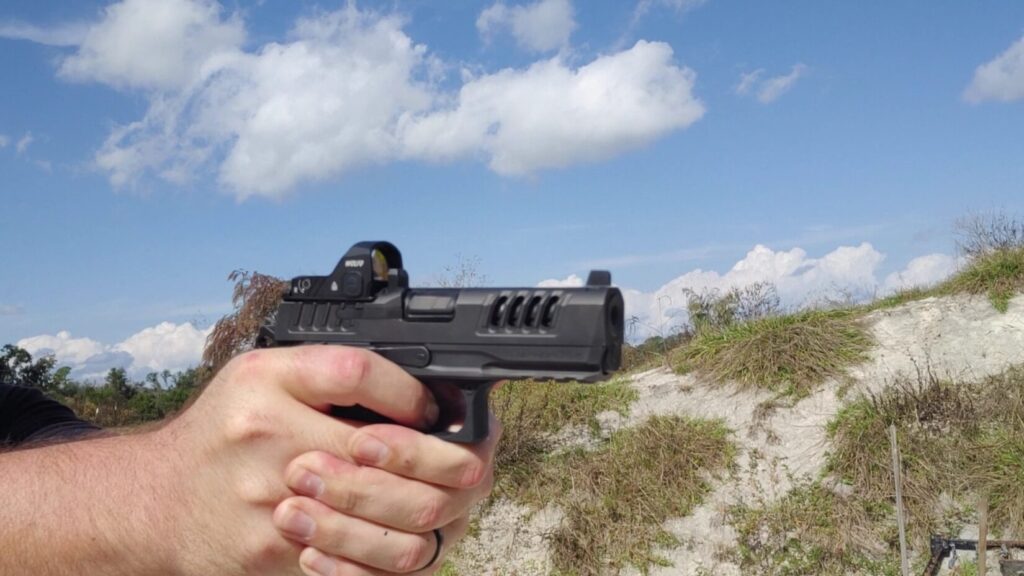
Maybe the 2011 alone will shrink your groups and tighten your split times a hair. That’s cool, but so will dedicated dry fire time. In fact, if you’re going to spend $2,500, you’d be better suited by taking a few shooting courses and hitting the range more often.
Modifying Your Legacy Platform
Let’s go back to that Glock Gen 3. You might not like the grip texture, the slide isn’t optic-cut for a red dot, or you’re tired of that small magazine release. That’s understandable, but those are problems that can be easily solved without abandoning the gun entirely.
The modern firearm aftermarket is absolutely massive. A custom shop can mill your slide for a red dot, and it’s cheaper than buying a new gun. Plus, you get to pick the red dot footprint for the dot you want. You don’t have to compromise or rely on a plate system to mount an optic.
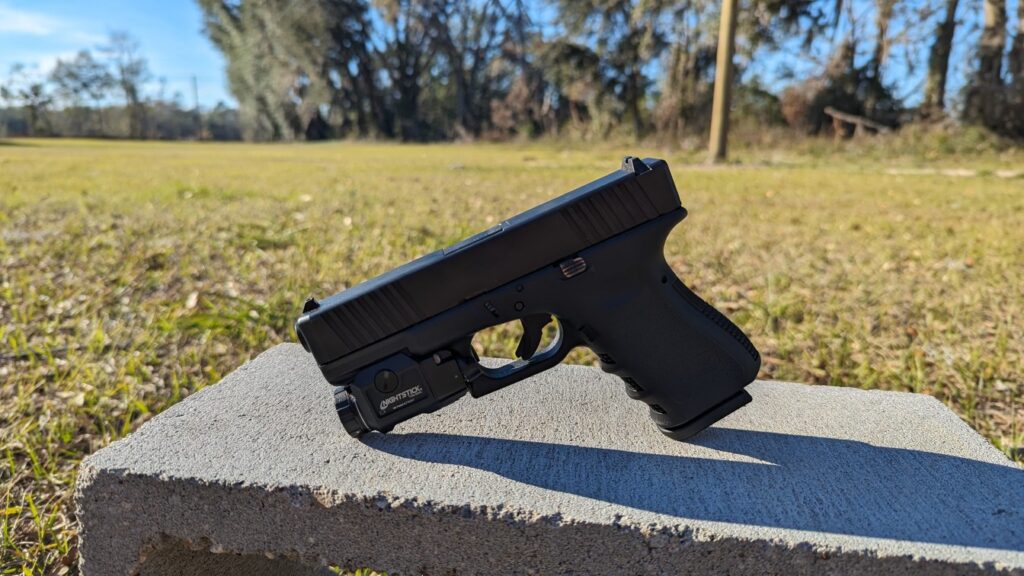
Grip tape can go a long way toward fixing a slick frame, and the same shops that can mill your slide can likely do an affordable stipple job. This type of work is going to offer you a better grip solution than whatever texturing comes stock on a brand-new factory pistol.
The aftermarket is massive for a lot of guns, so improving the little things you dislike is going to be cheaper than buying a new gun.
Conclusion: Focus on Software
If your current handgun is safe, reliable, and suitable for the task at hand, you don’t need a new gun.
You might just need a new holster, a bit more time at the range, or a few touches from the aftermarket. A new gun certainly sounds nice, but you can solve your problems in a way that keeps more money in your wallet.
If you want a new gun, buy one, but do it because you want it, not because marketing convinced you your current setup has suddenly become obsolete.