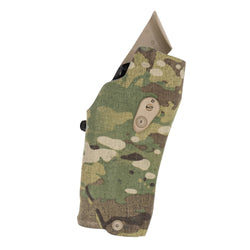

Outside the waistband and inside the waistband holsters are everywhere. And for good reason. These two modes are the most effective for both duty and concealment, respectively. But there are pros and cons to alternative concealed carry strategies.
Ankle holsters
Ankle holsters work best with small guns. If you’re somewhere you’ll be in close physical contact with people, like at a party or a church, it isn’t great to have a gun poking someone in the ribs if they go in for a hug. And if your work encourages wearing a tucked in shirt and discourages wearing a gun, ankle carry might be the next best option. This has been used by doormen, bouncers, and building security in rough areas for decades.
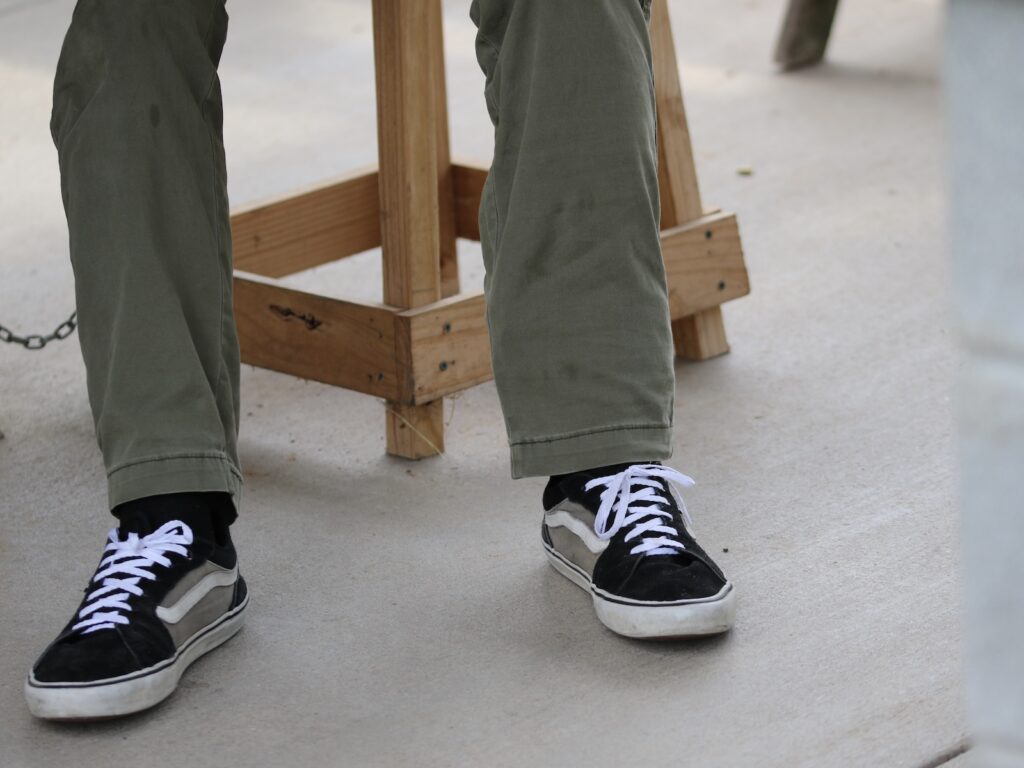
Pros: Some pants provide excellent concealment. An ankle holster, like the Bianchi Negotiator, doesn’t need a belt or jacket, just an ankle. But you shouldn’t wear skinny jeans or shorts.
Cons: Getting up under your pants leg can be impractical and can make for a slow draw. These holsters are meant for small guns only, and there is often no space for a backup mag.
Shoulder holsters
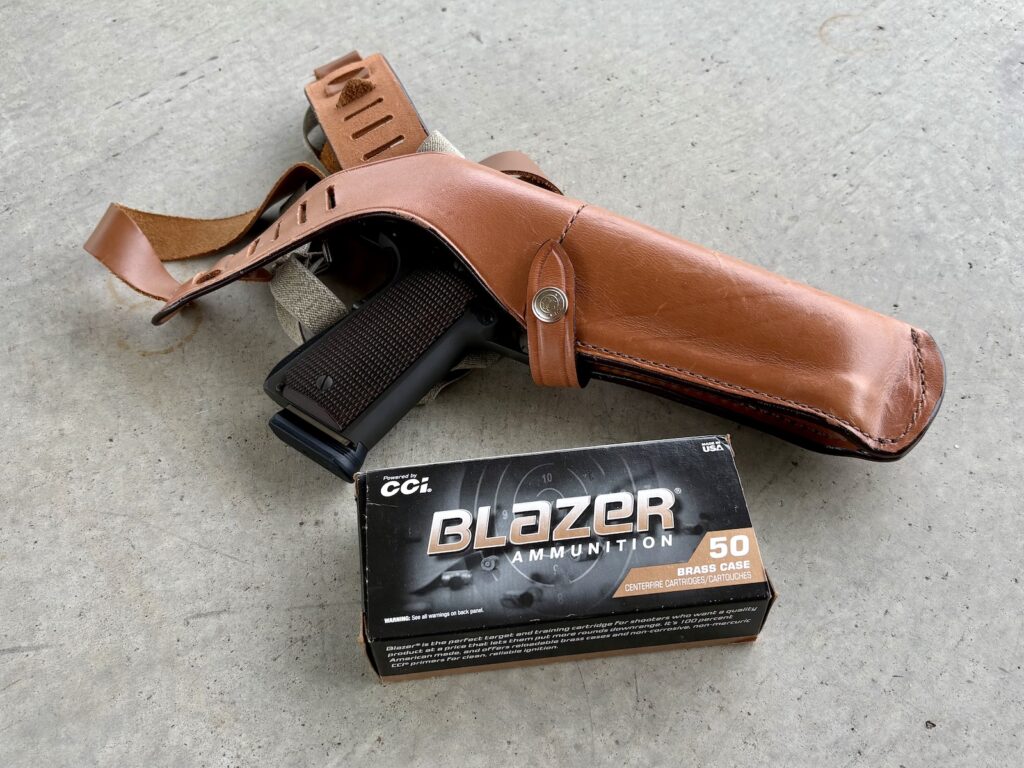
Shoulder holsters, like this Bianchi X15 are pretty synonymous with hard-boiled noir detectives, and they fell out of fashion with those characters. But they’re still a completely viable carry option if done right. Unless you’re walking Verona Beach in a Hawaiian shirt, though, it needs to be covered by a jacket or a heavy overshirt. It’s a good cool weather carry.
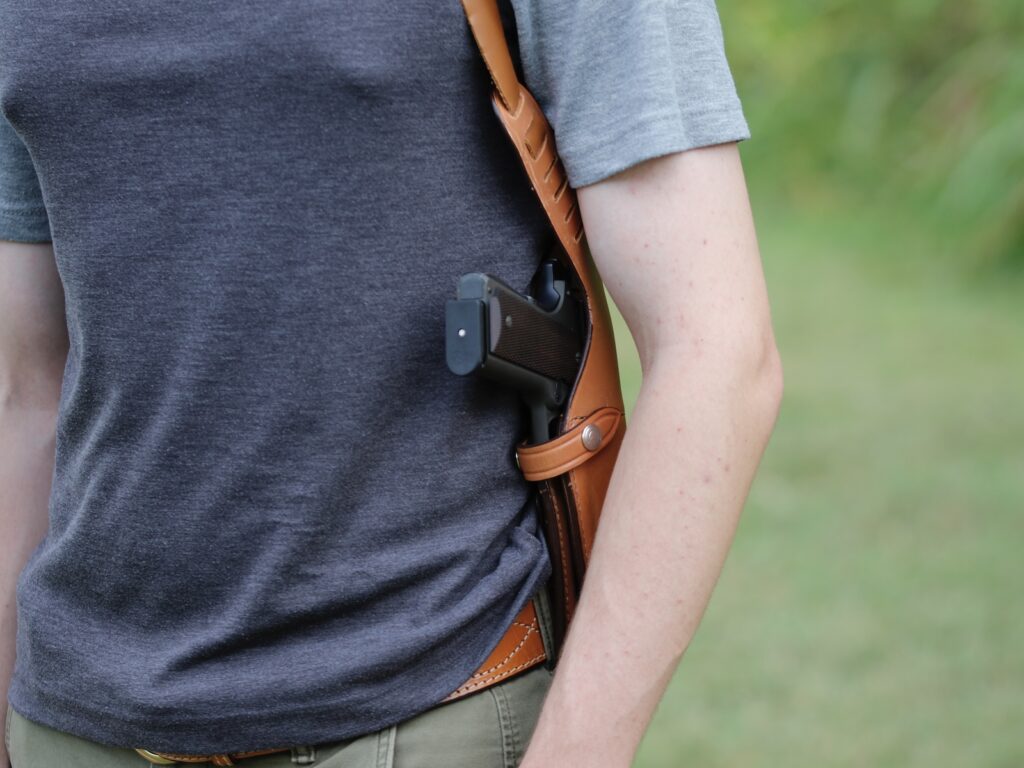
Pros: Shoulder holsters allow you to carry about as big a handgun as you want if you strap in the holster in a vertical orientation. It puts the gun under your arm and out of the way, which can be a lot more comfortable to wear and draw when sitting down.
Cons: A shoulder holster needs a jacket over it to be concealed. Drawing from a shoulder holster means drawing across your body. In a defensive situation, that means muzzling everything behind you and to your nondominant side if you aren’t very intentional with keeping the muzzle down. Trigger discipline is crucial.
Pocket carry
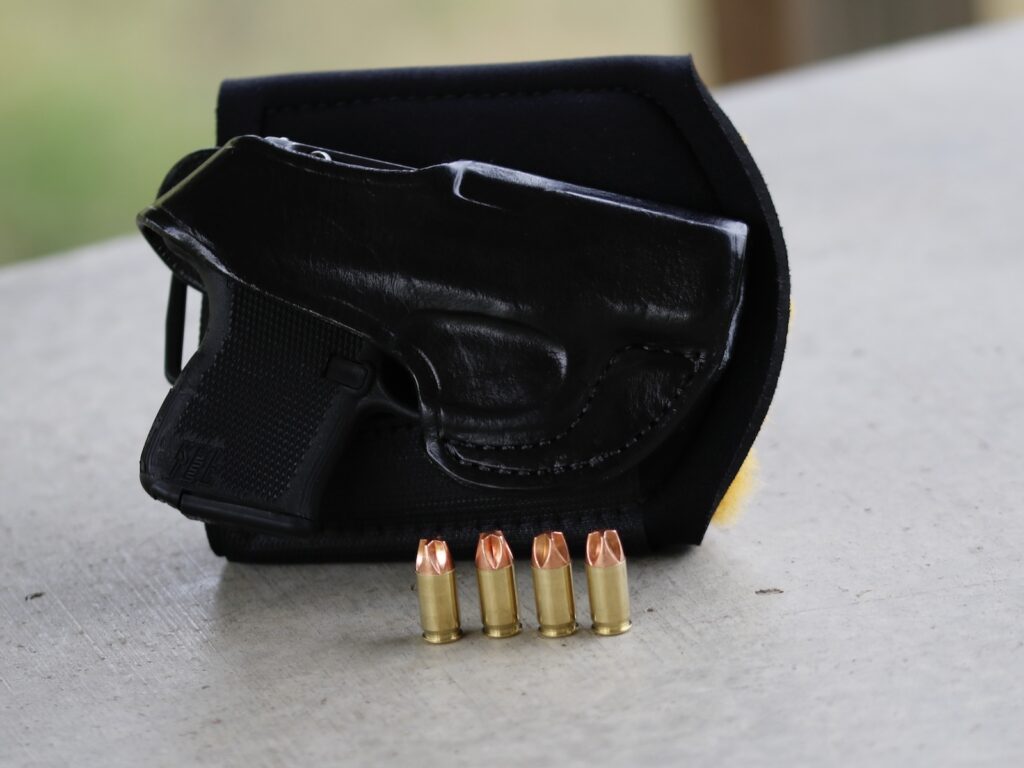
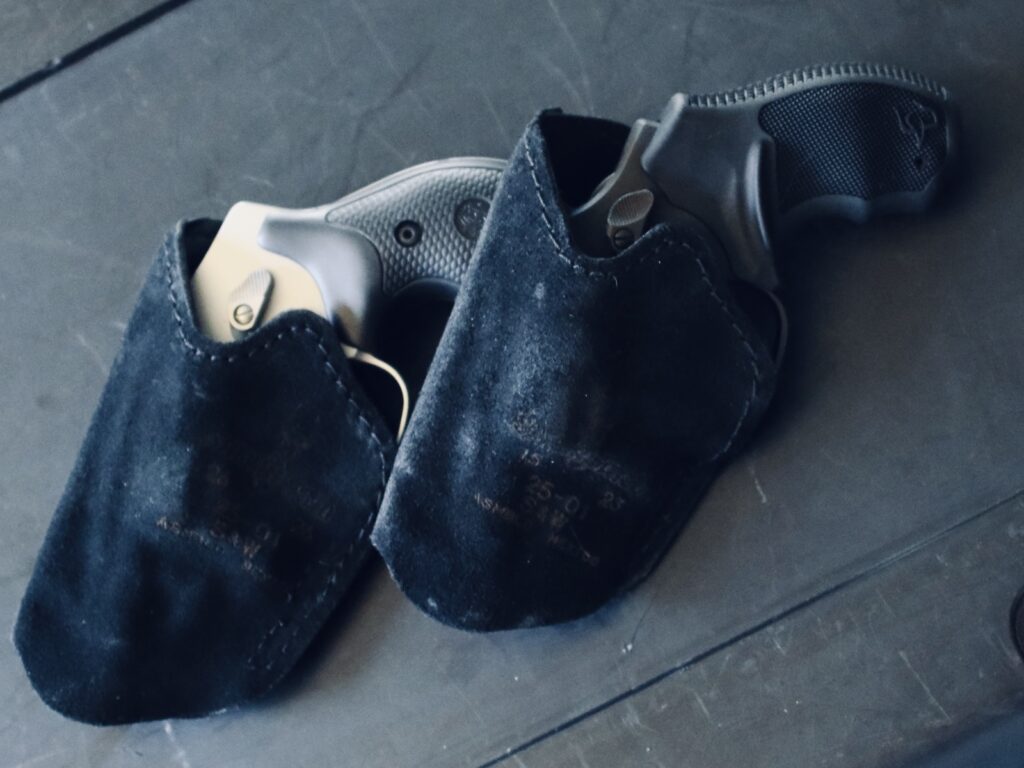
Pocket carry means more than just throwing your gun in your pocket and walking out the door, although that used to be standard. Holsters, like the Model 25, are specifically designed to make pocket carry safer, mostly so you don’t stick your keys in the trigger guard and add another pothole to the Walmart parking lot. It’s by far the easiest grab-and-go style, but you’re restricted to guns that fit in your pocket. Cargo pants and heavy sweatpants are great. Tight jeans, not so much.
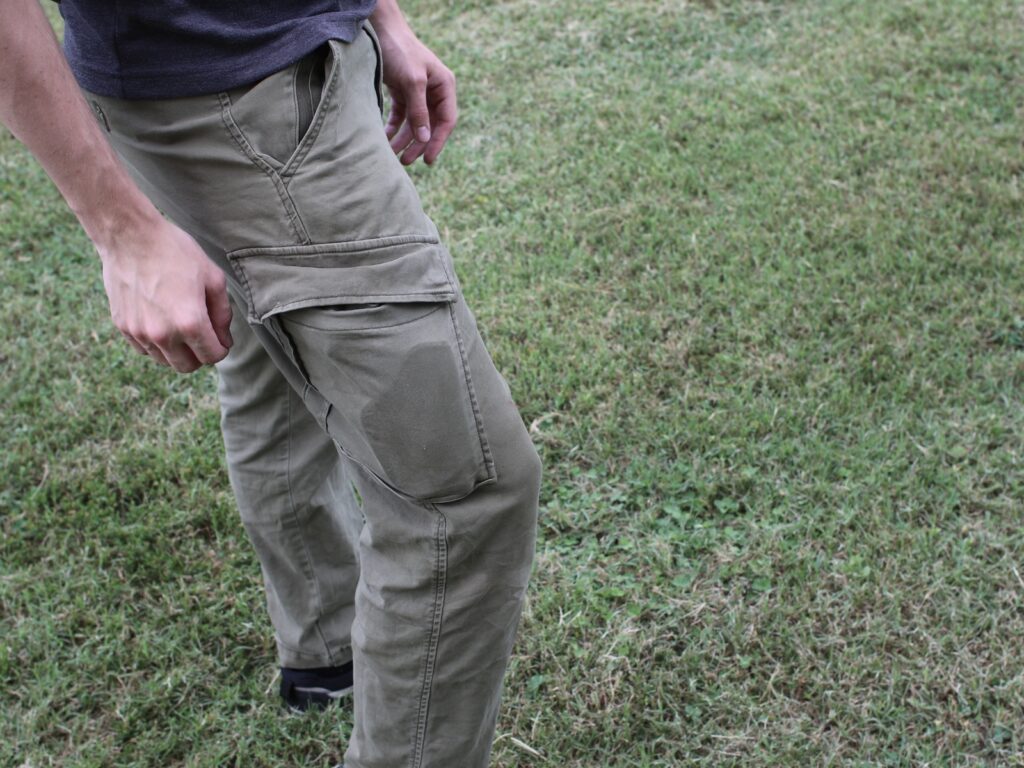
Pros: You don’t need a belt to put a gun in your pocket. Great for shorts, and another good option for carrying with your shirt tucked in. Even tucked IWB holsters print if you aren’t careful, but pocket holsters are designed to obscure the profile of a pistol. Great for going to the gym, walking around in shorts on vacation, or when it’s the middle of the night, you’re out of milk, the grocery store is four blocks away…
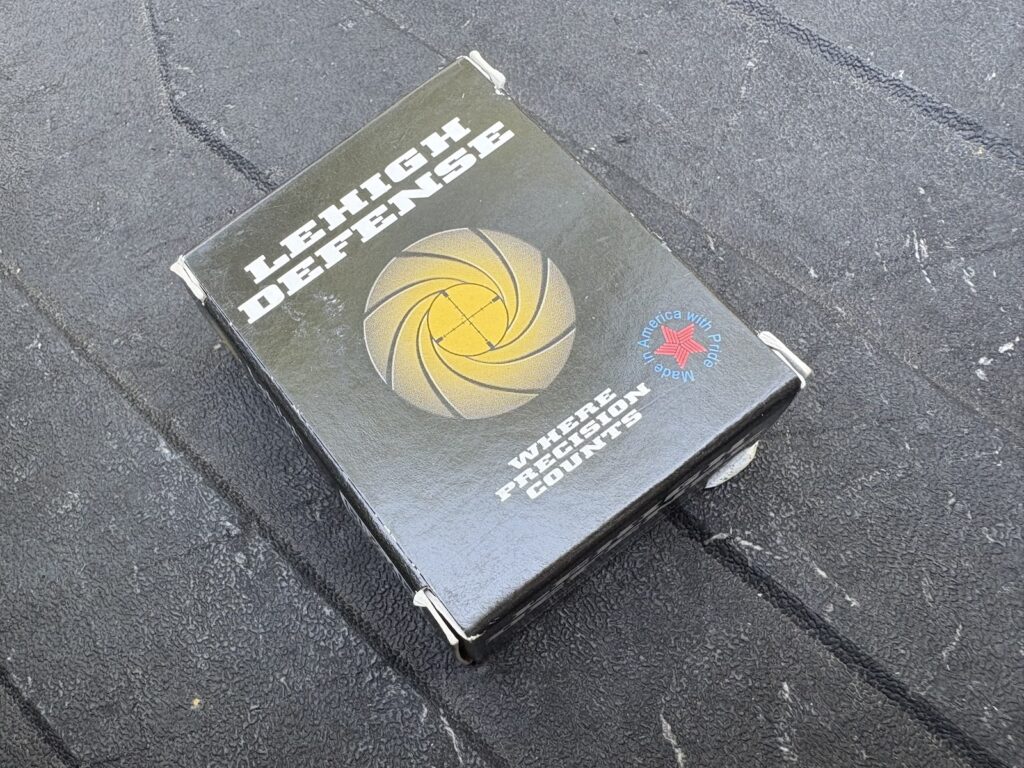
On a more serious note, there are times when you might identify a possible threat in your environment, but not enough to present a weapon. Pocket carry means that you can inconspicuously have your hands in your pockets and still firmly have a hand on your gun if there actually is a threat. Just be sure to make your ammo selection choices carefully. I carry LeHigh in my .380s.
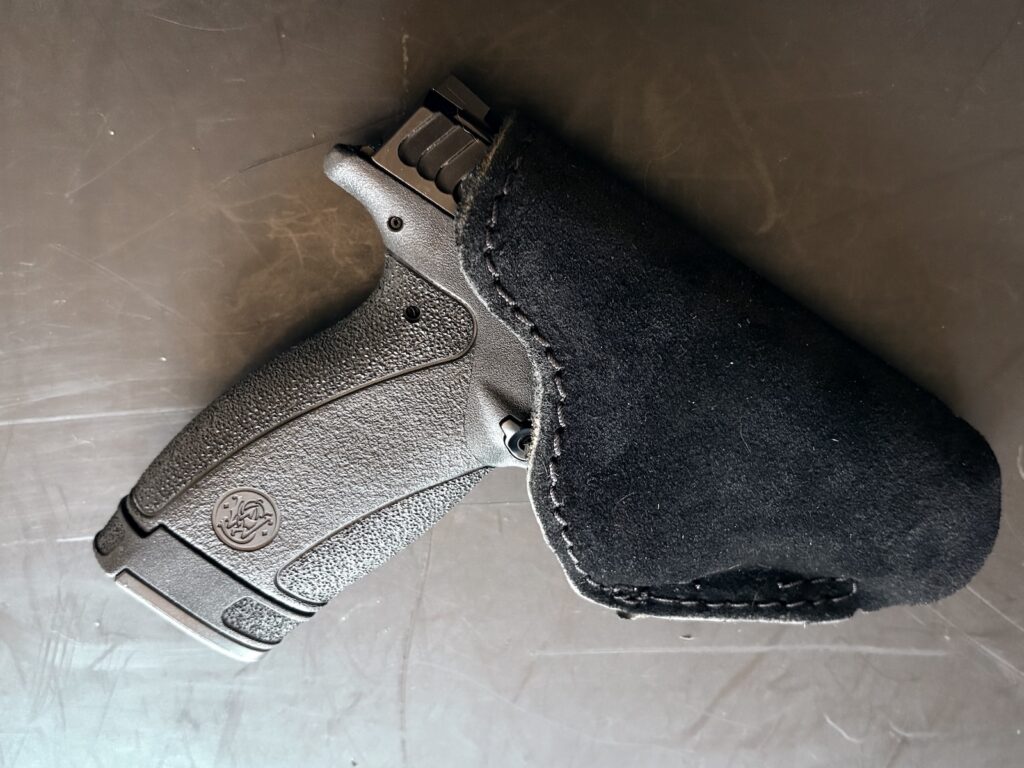
Cons: Pockets can be small, so finding a gun that fits can be really limiting in terms of shootability and capacity. And a gun takes up a lot of space, so you may need to make sacrifices in what else you carry. Obviously don’t sacrifice your phone, keys, and wallet. A gun won’t start your car and is awkward to try to pay for groceries with. But you will need to reevaluate your pocket arrangement.
Off-body
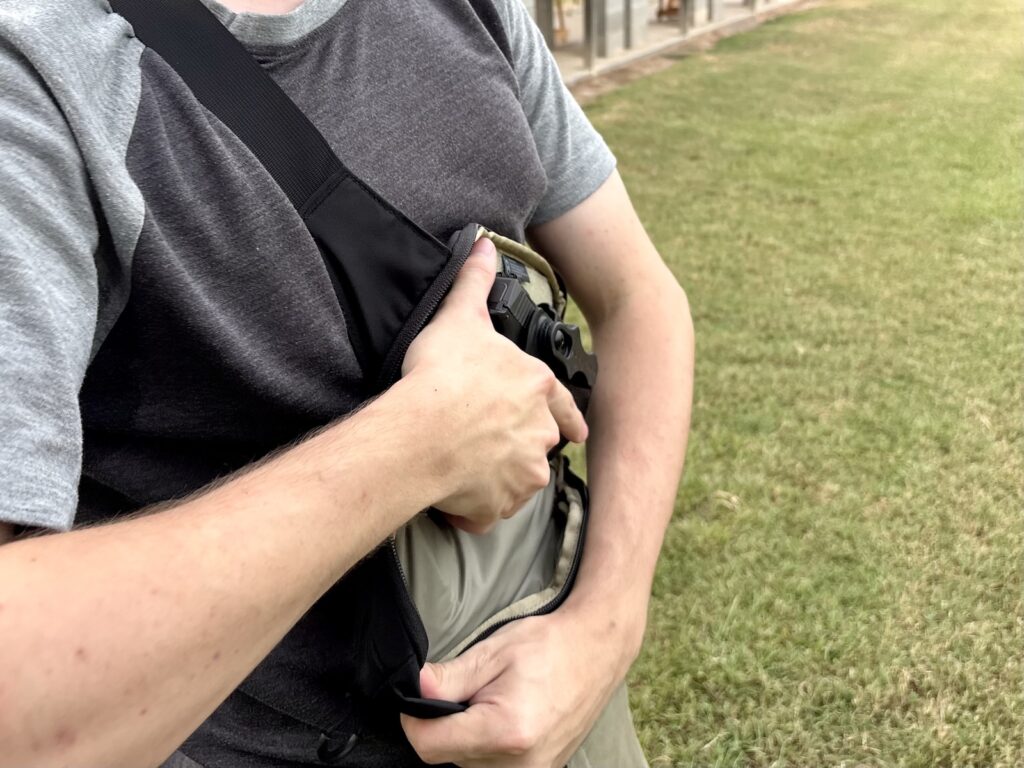
Off-body carry isn’t new by any means. Kit guns have been around for more than a century, designed to live in hunting bags and tackle boxes. But it’s become more popular recently as a discreet urban defensive option.
Off-body most commonly refers to carrying in a bag or backpack or something similar. A gun in a bag is a lot easier to conceal. It can be a lot more comfortable than on-body carry, too. But it comes with a lot of drawbacks, mostly to do with how accessible the gun is at a moment’s notice.
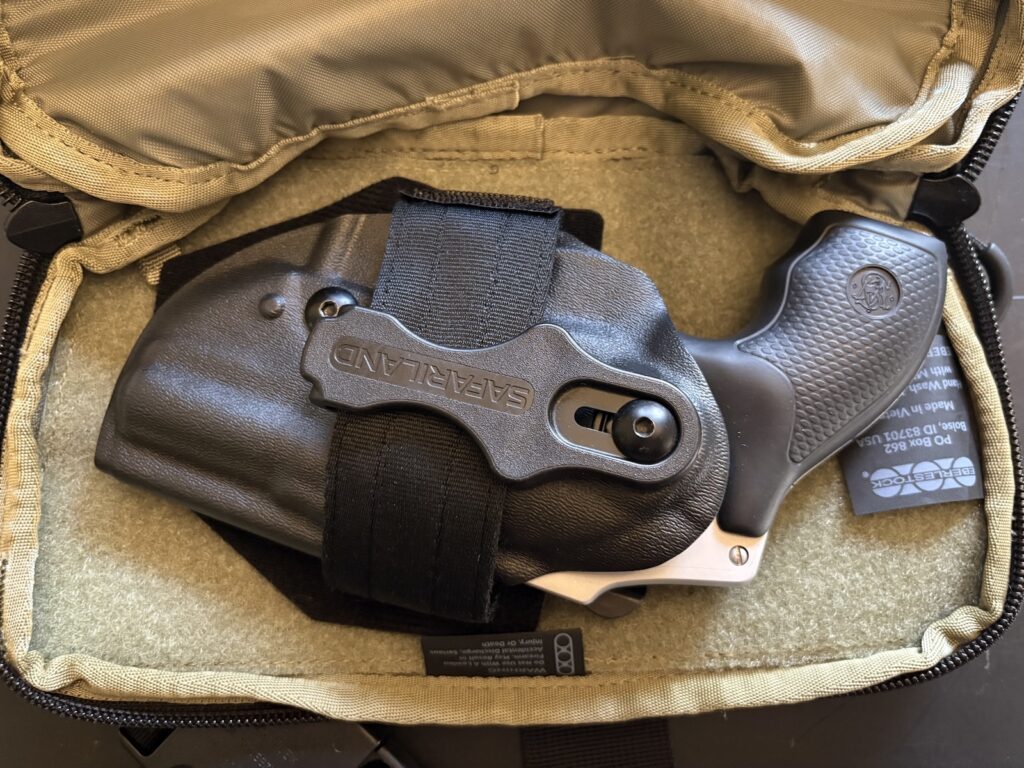
Pros: Bags give you more space to work with. Printing isn’t an issue, and neither is gun size. If you just want to carry your normal EDC, a cross-body bag or a fanny pack (like the one above with a Species) is perfect. A bag provides an absolutely practical way to carry if your style of clothing isn’t suited to on-body carry. For instance, if your bottoms don’t have belt loops or if your top doesn’t cover your waistline, anything IWB or OWB is out.
With a backpack, you could step up anywhere from a full-sized handgun to a PDW and spare mags if you really wanted to. It’s overkill for an EDC, but ideal for a go bag that you feel more confident relying on in a disaster.
Cons: There are a few. Drawing from a bag is almost always slower than drawing from your waistband. You have to reposition your bag so that you can get into the pocket, and then there are usually zippers to undo before you can even get a hand on your gun. The smaller the bag, the more I’ve felt like I have to fight it to be able to draw.
Another problem with off-body carry is that taking your bag off means taking your gun off. Especially with backpacks, people tend to take their bag off when they get in the car and when they get where they’re going, as well as every time they sit down. Carrying in a bag is good for when you’re walking somewhere or when you’re somewhere it’s socially acceptable to wear the bag at all times.
IWB strong side
Calling IWB an alternative mode of carry is a stretch, but most carry in the appendix position. Moving the holster over to a strong-side orientation can provide new options with the right cover. It puts the gun in a familiar position, too, for those who do most of their training with an OWB in the same position. Incog XS is a great choice for this type of carry.
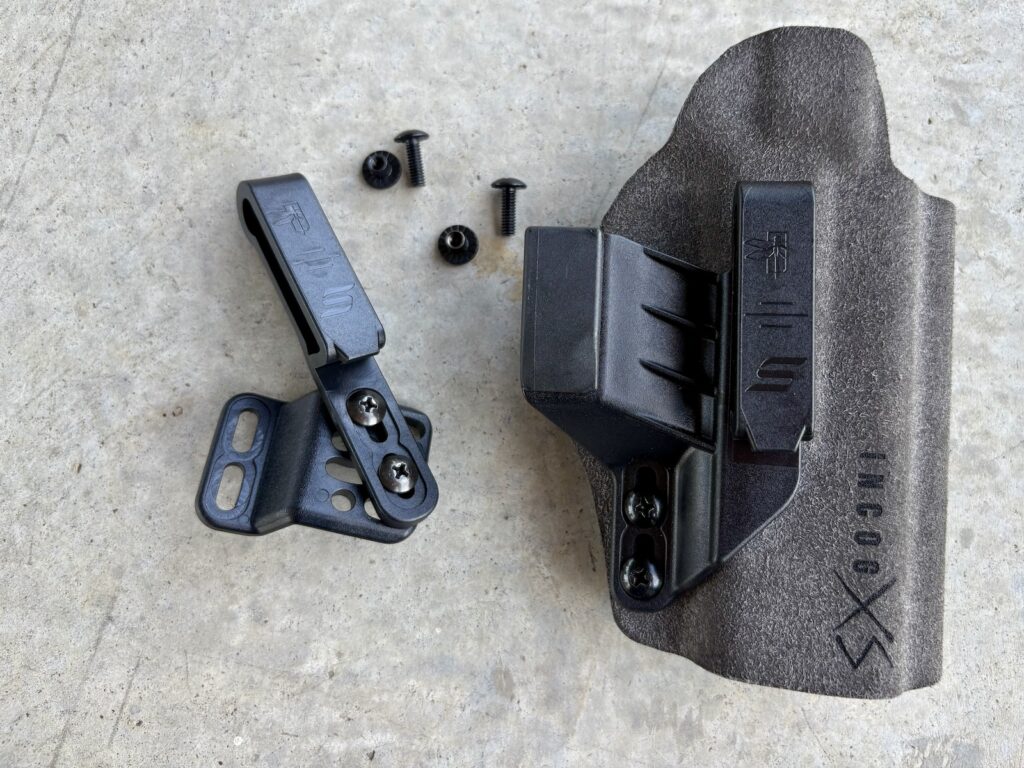
Pros: IWB in the strong side placement is easy to conceal with a coat and fast to draw.
Cons: Without proper cover, this style of carry prints very easily. Holsters need to have a smaller footprint, so there’s no spare mag space on these designs.
SOB
Hollywood helped popularize small of back carry. If you have real concerns about printing, carrying SOB would seem logical. I frequently carry a fixed blade, scout style, SOB.
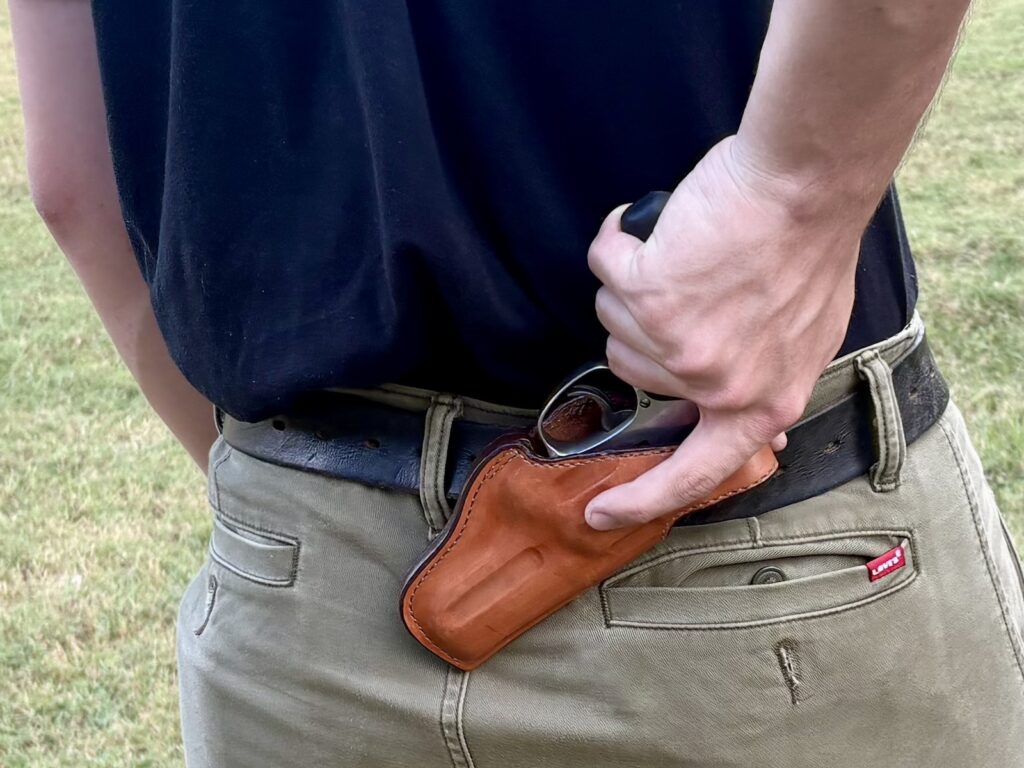
Pros: SOB holsters conceal easily. They’re behind you. They don’t get in the way of much, unless you are seated.
Cons: They’re behind you. Sitting remains problematic. Some designs become inaccessible when you sit. Small of back holsters should not be worn over the spine, in the six o’clock position. Doing so can cause injury in a fall. Keep the holster in the four o’clock to five o’clock spot and you reduce that risk.
Also, be cautious about muzzling a more than 180 degree circle on the draw.
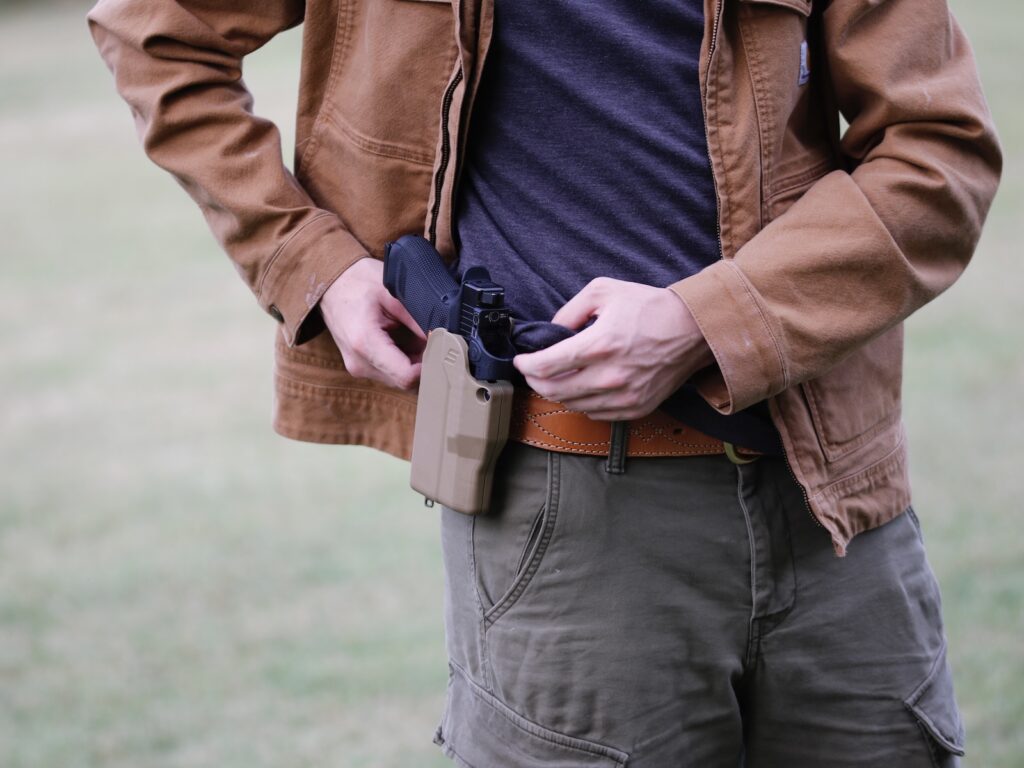
OWB for Concealed Carry?
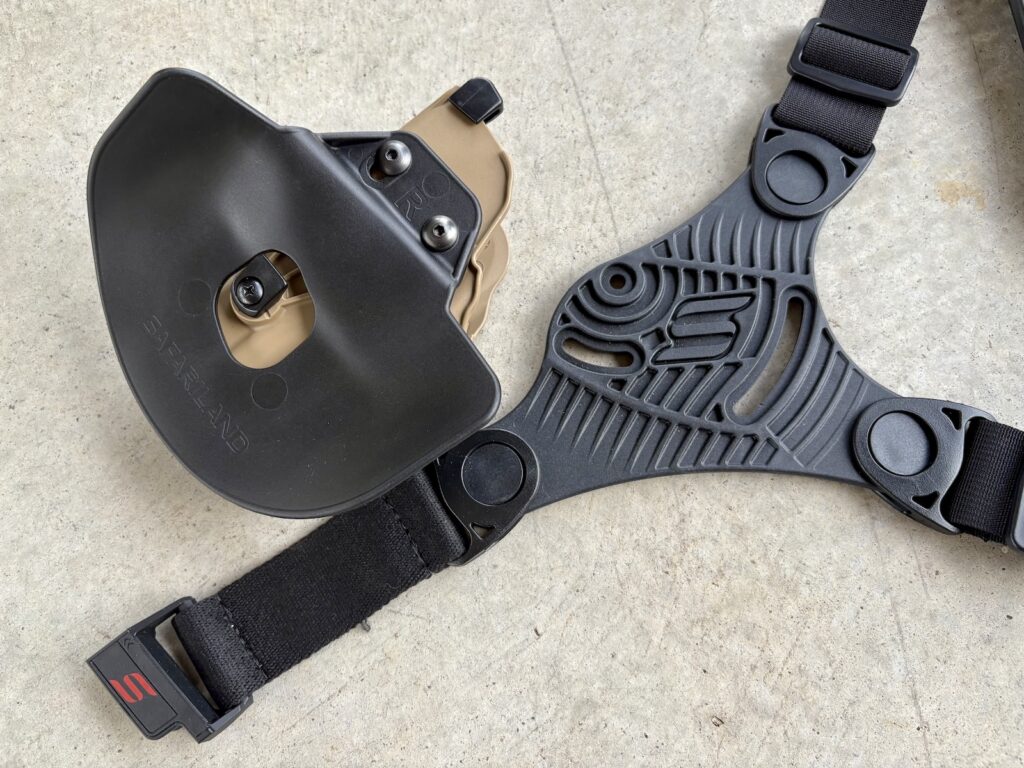
I’ll put this in the same category as strong-side IWB: hardly controversial. Paddle holsters, like Solis, allow for easy OWB carry, and what you can conceal is only limited by your cover.
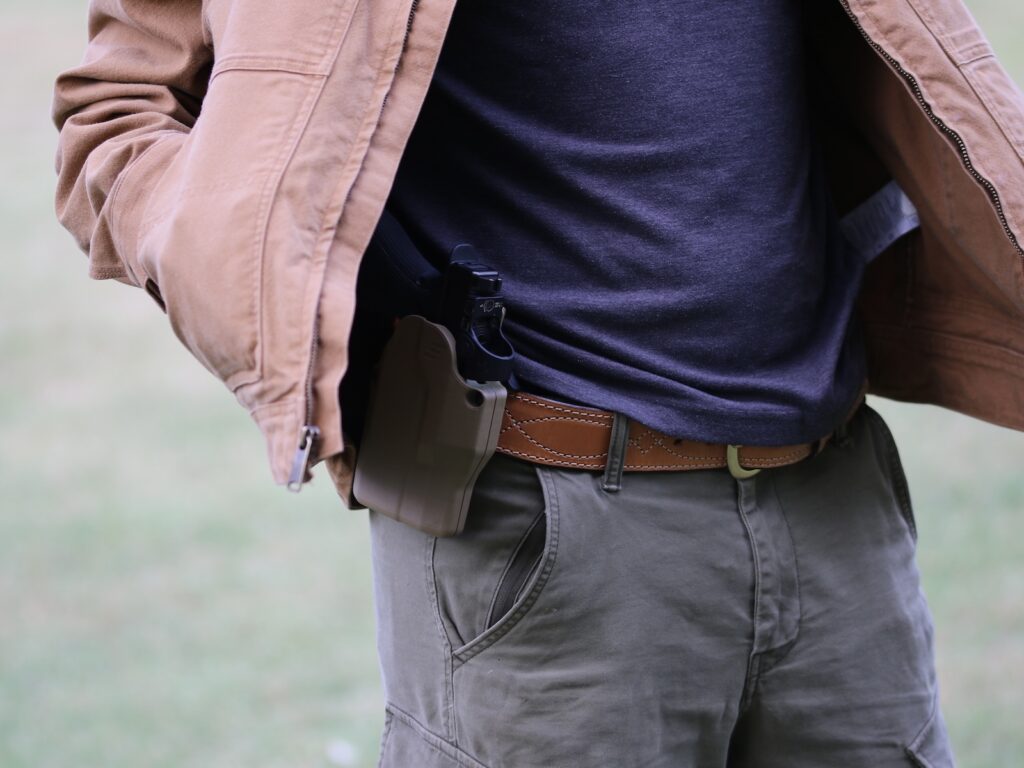
Pros: OWB is the most comfortable carry and the easiest draw.
Cons: Any OWB carry requires a solid belt, and this is the hardest type of carry style to conceal.
Best for medium and large guns, easier to cover with outerwear but can be used any time.
Conclusions
Are there other ways to carry? Of course. Cavity searches exist because people have a history of getting creative. But there are more fringe styles, like garters, belly-bands, and bra-hangers, that could be even more apt for certain mission-specific needs.
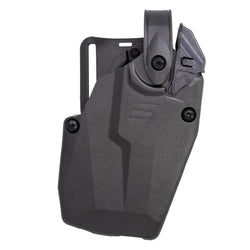
Consider this concept: Safariland is the leader in retention holsters. Retention, in the traditional sense, means keeping a gun in a holster during an aggressive takeaway attempt–not during everyday activity. All holsters should do that.
Most concealment doesn’t rely on active security mechanisms like the ALS. Instead, concealment relies on hiding the gun altogether. An aggressor will have a hard time taking a gun they don’t know is even there.
Author’s note: Special thanks to Ammunition Depot for helping out with this review. I tested all of these carry styles in what proved to be a long couple of range sessions.