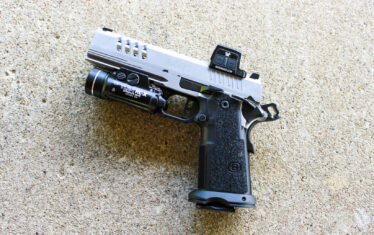

Round 1 of the 2011 Project is done and dusted (do people still say that?). More than 1500 rounds were shot, numerous drills run, and countless groups fired to give you the best possible informed opinion.
And this is what I found: 2011-style pistols under the $1,500 mark offer good value, but they aren’t perfect. For something good, there’s always some form of shortcoming. These are, essentially, cost-saving measures by the manufacturer.
There are reasons why some guns in this series sell for over $7,000. You can’t expect a sub-$1,000 pistol to compete with them. My job is to rationalize those features and judge whether they are a worthy investment regardless of price.
After 13 years behind the counter, value is one of the most important factors prospective buyers look for, especially today. They want to feel like their dollar has gone a long way—which is really where this category lives.
In this article, I’ll go pistol by pistol and share my thoughts, who I think each pistol is for, and what to look out for when making a purchase. Honestly, I’d say each of these pistols is good. But that doesn’t mean each pistol is for everyone. It’s give and take.
Springfield Prodigy 4.25″ Comp
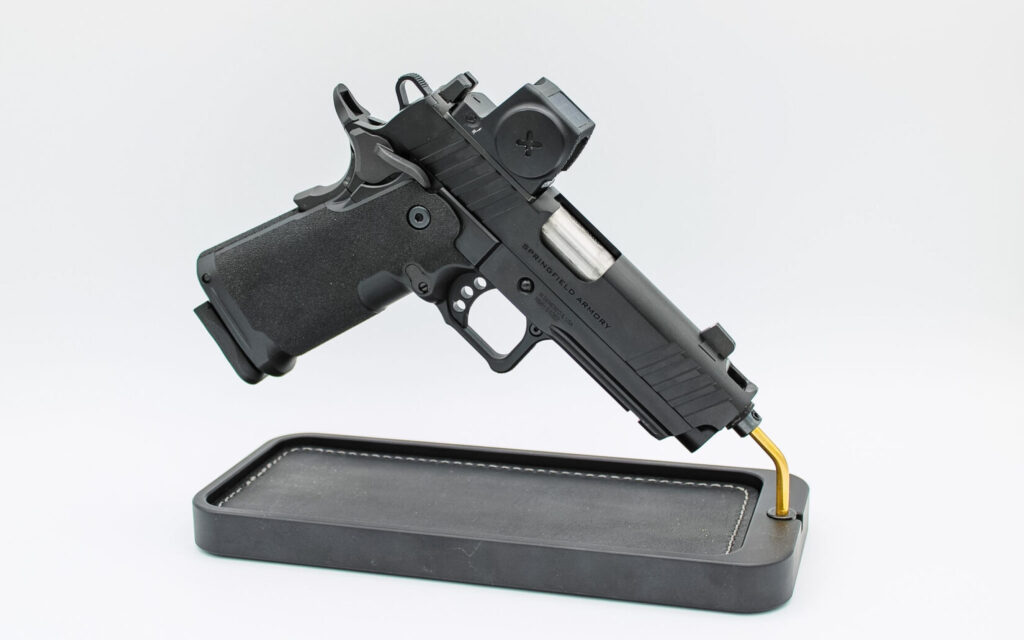
The Springfield Prodigy 4.25″ Comp has come a long way since its rocky debut and now stands as one of the strongest entry points into the 2011 market. Early quality-control issues tarnished its reputation, but Springfield has addressed those concerns.
The forged-steel frame, optics-ready AOS system, slide cut port, and broad aftermarket support make it an excellent platform for shooters who want to grow into the 2011 ecosystem without spending several thousand dollars right away.
That said, the Prodigy has a few downsides. The trigger and controls are perfectly serviceable but lack the refinement of more expensive pistols, and shooters with smaller hands may find the magazine release difficult to reach.
The compensator also introduces trade-offs, keeping the gun exceptionally flat while occasionally driving follow-up shots lower than expected. None of these are deal-breakers, but they’re worth understanding before buying.
Overall, the Prodigy is well suited for shooters entering the 2011 world, budget-conscious competitors, or enthusiasts who enjoy upgrading their pistols over time. If you’re willing to accept a few compromises in exchange for solid performance and tremendous aftermarket potential, the Prodigy remains one of the best values in the category. For a value-added way into the same platform, see the Prodigy Gear Pac.
MAC 9 DS Comp
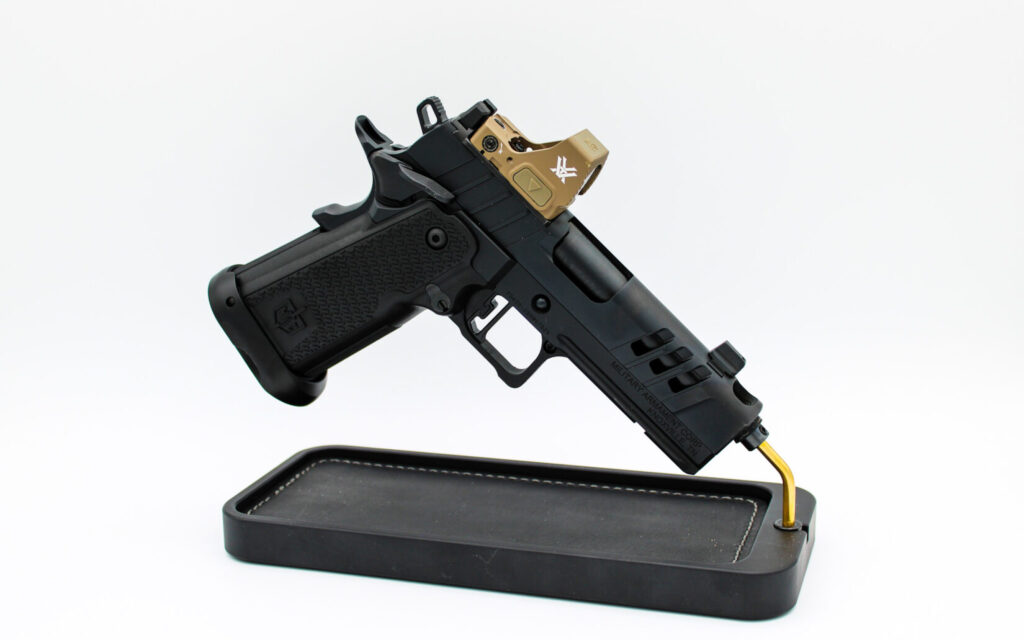
The MAC 9 DS Comp shows that a budget-friendly 2011 doesn’t have to feel cheap. While it lacks the refinement of others in this series, it delivers where it matters most. The pistol’s ergonomics and price point stand out, especially the oversized controls.
These make reloads and overall manipulation noticeably easier—especially for shooters with smaller hands (like me). The MAC 9 DS series uses the same AOS optics mounting system as the Prodigy and is among the best I’ve used. Add in 2011 parts compatibility, and the MAC offers plenty of room to grow as your experience and budget allow.
Its shortcomings are largely what you’d expect at this price. The fit and finish are average, the trigger is usable but not what I’d want for competition, and the grip texture leaves much to be desired. Like other compact compensated 2011s, the single-port compensator also introduces trade-offs, with the pistol tending to drive the muzzle lower during drills.
The MAC 9 DS Comp is best suited for first-time 2011 buyers and value-conscious shooters. While it may not have the premium feel of higher-end options, it delivers solid performance and thoughtful controls, and it is compatible with STI aftermarket parts, making it a strong value in the entry-level 2011 market.
Kimber DS Warrior LW
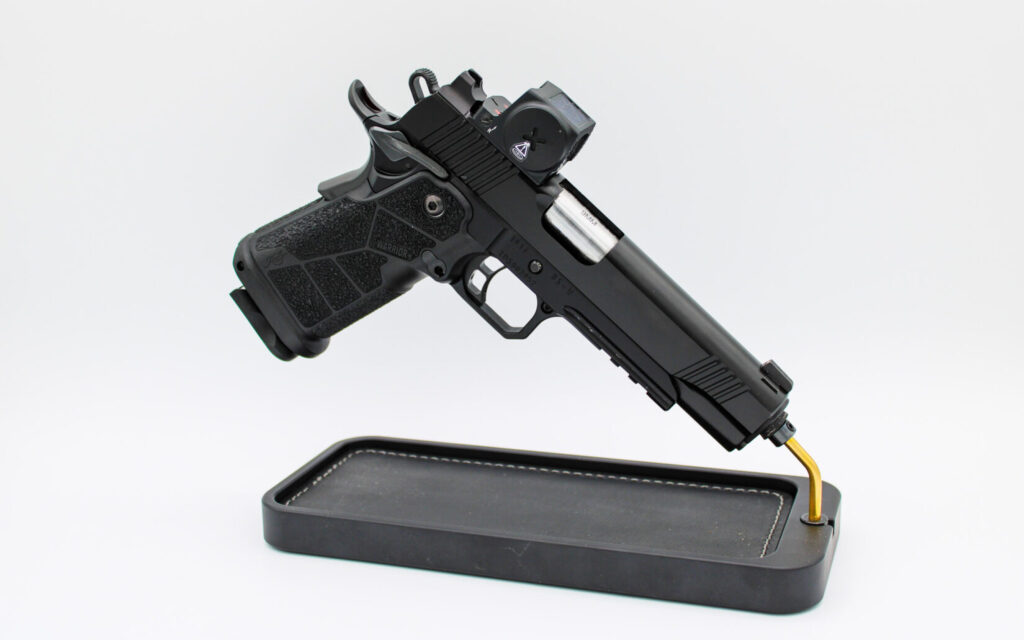
The Kimber DS Warrior LW surprised me in several ways. While it doesn’t try to be the fastest or flashiest 2011 on the market, it delivers where it counts, with excellent accuracy, a very good factory trigger, and a lightweight, well-balanced package.
Of the entry-level pistols tested so far, this was arguably the easiest to shoot accurately, particularly at longer distances. Combined with its sub-$1,000 street price, it represents impressive value for an American-made double-stack 1911.
Its shortcomings are more about execution than design. The standard-sized controls work, but an extended magazine release would make reloads easier for me. The compact magwell also favors concealed carry over competition use—but it could be swapped.
The biggest disappointment, however, is Kimber’s optics mounting solution. While the pistol itself is optics-ready, the C&H mounting system gave me trouble, snapping multiple screw heads during installation. Unfortunately, it was the only RMSc optic plate Kimber offered on their website. I do plan to switch it out and run a full-size Vortex Defender-ST Enclosed.
Overall, the DS Warrior LW is an excellent choice for first-time 2011 buyers or shooters seeking a traditional, non-compensated pistol that prioritizes shootability over race-gun performance. If accuracy, value, and American manufacturing top your list, Kimber has crafted a compelling entry in the growing 2011 market.
Bersa M2XI
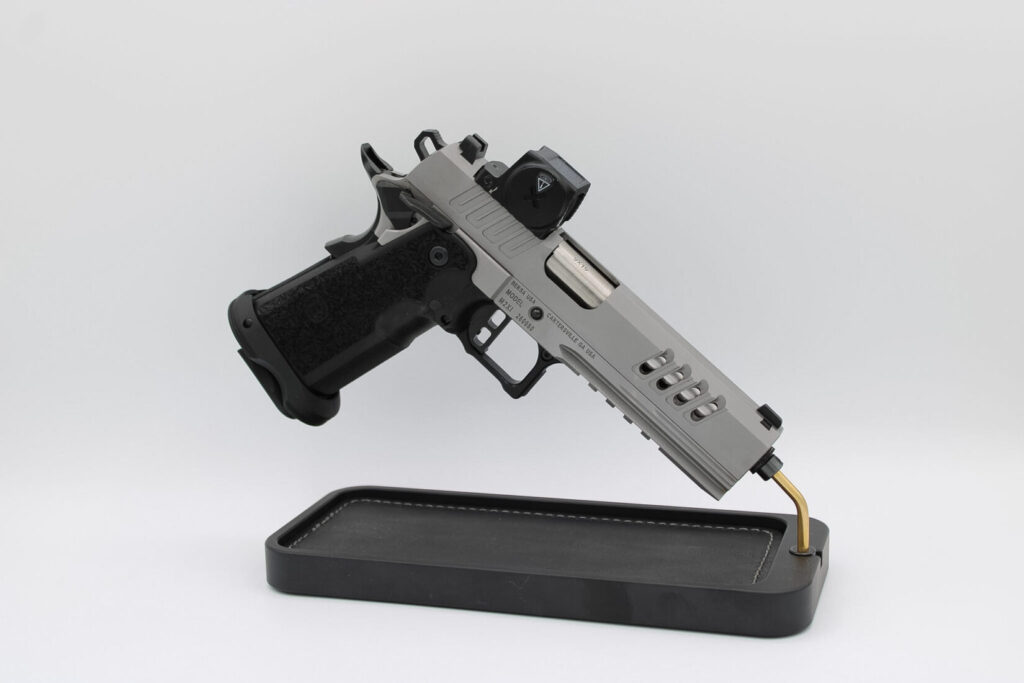
The Bersa M2XI is a frustrating pistol to summarize because, on paper, it has a lot going for it. The accuracy was excellent, the direct-mount optic system is simple and effective, and I really liked the ergonomics.
The extended slide release, grip module ergonomics, grip texture, and well-sized magwell were among my favorite features in this category.
Over 500 rounds, I kept encountering issues that affected performance. And that’s never what you want to see happen. But this is the real world, and sometimes that happens.
I wanted this to be a top contender, and again, it could be my sample. I know others who’ve tested the M2XI without issues. But I can only speak to my experiences and want to be transparent. I hold these companies to high standards. Our money doesn’t stretch as far as it once did, so when a consumer drops what little extra money they have on a nice handgun, it should work.
Zooming Out
As I alluded to earlier, there is no single “best” budget 2011. Each manufacturer made different compromises to hit a price point. Some prioritized triggers, while others focused on ergonomics, optics compatibility, or accuracy.
The key is understanding those trade-offs before you buy, not after. Fortunately, we’re at a point where even sub-$1,500 2011s are remarkably capable firearms. They may not have the hand-fit precision or flawless refinement of pistols costing several times as much, but they don’t need to.
They simply need to deliver reliable performance, good shootability, and enough value to justify your hard-earned money. As the 2011 market continues to grow, competition will only make these pistols better. That’s a win for everyone.
If you’ve followed the series, you’ll notice this round-up is arriving late. The M2Xi needed a trip back to Bersa for warranty work, and I wasn’t going to call the budget tier until all four pistols were in.
The mid-tier, duty-tier, and Goliath tier have already had their say, and you can find every entry under the 2011 Project tag. Next comes the Finale, where I pick a winner from each tier.


Use the Holster Finder to see every fit for your pistol.