
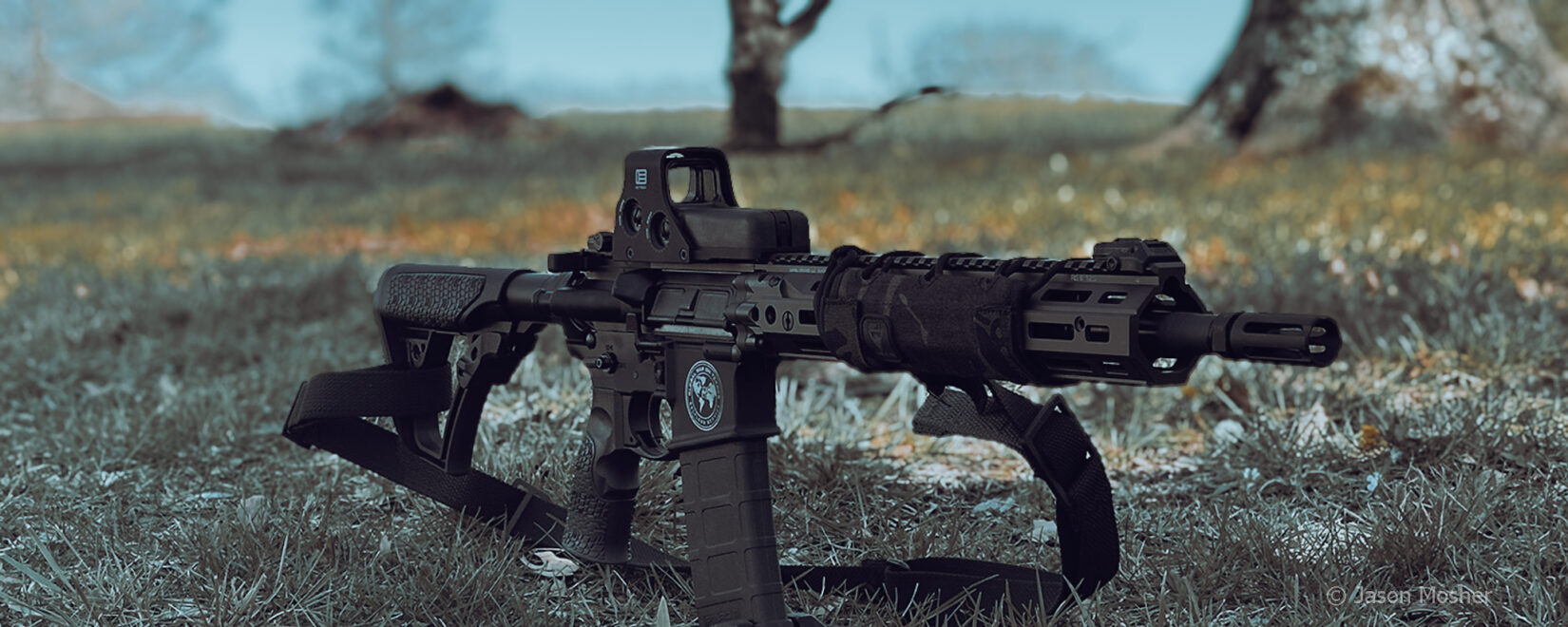
If you want to start an argument in a room full of gun guys, just ask: what makes a rifle “battle” grade? For me, that conversation has to include the Daniel Defense M4A1 RIII, a 5.56 NATO AR-15 rifle. Sure, other rifles belong in the conversation too, and we’ll get to some of them in future articles.
Even if we could all agree on what it takes for a rifle to be considered battle-grade, we wouldn’t agree on which rifles meet the standard.
Does a rifle become battle-worthy simply because it’s used in battle? Or what if someone makes an amazingly robust rifle that never makes it to the field?
Plenty of factors go into the answer. Even the military considers cost before selecting a rifle.
That tells you it isn’t only about how well a rifle is made, but how well it’s made at a reasonable price. The government wants equipment that will work in battle, but like anyone, it has a budget.
That debate deserves an article of its own, and someday it may get one. Today, we’re looking at the Daniel Defense M4A1 RIII and why I think it has earned the title of “battle-grade” rifle.
Daniel Defense M4A1 RIII
Daniel Defense has a long history with the U.S. military. In 2005, DD won the U.S. Special Operations Command (SOCOM) contract for the RIS II (Rail Interface System).
They also provide upper receivers for the MK18, specifically, the MK18 MOD 1. This rifle, equipped with a Colt or FN lower, has been used by Navy SEALs and Army Rangers.
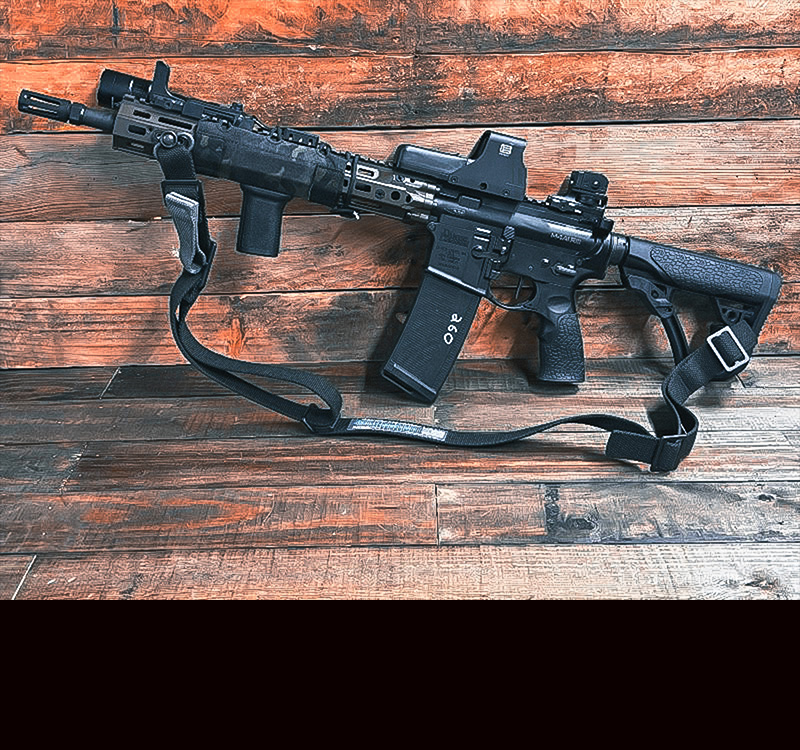
Based in Black Creek, Georgia, they are one of the few companies that manufacture nearly every component of the rifle in-house. This vertical integration allows for a level of quality control that is becoming rare in this industry. The M4A1 RIII evolved from their flagship M4 platform. It moves away from the classic quad rail toward a more modern interface.
The RIII (RIS III) is built from high-quality 7075-T6 aluminum for the receivers and 6061-T6 for the handguard. It weighs approximately 6.74 pounds (unloaded).
The biggest update is the RIS III rail system. It uses the same 6-bolt “Bolt-Up” system found on the SOCOM-issued RIS II. On this model, however, M-LOK slots replace the side and bottom Picatinny rails. This change reduces weight while maintaining the strength required to mount grenade launchers or heavy laser aiming devices.
Daniel Defense M4A1 RIII Specifications
| Specification | Daniel Defense M4A1 RIII |
|---|---|
| Caliber | 5.56mm NATO |
| Lower Receiver | Fully Ambidextrous, 7075-T6 Aluminum |
| Upper Receiver | Mil-Spec with Indexing Marks, 7075-T6 Aluminum |
| Barrel | 14.5" Cold Hammer Forged, Chrome Moly Vanadium Steel, Chrome Lined |
| Barrel Twist | 1:7 |
| Gas System | Mid-length, Direct Impingement |
| Handguard | RIS III 12.5", M-LOK |
| Muzzle Device | Pinned and Welded Daniel Defense Flash Suppressor |
| Weight | 6.39 lbs |
| Overall Length | 31 ½" – 34 ¾" |
What Makes the M4A1 RIII Battle-Grade?
As I mentioned above, when the military chooses a system, it’s a good indicator that it’s built tough enough for battle. But you can’t put all your faith in that process alone; the military has fielded its share of equipment that later had problems.
For me, whether a company supplies the military with optics, firearms, or other equipment is just one part of a larger checklist for judging durability. I also like to see for myself what the firearm is made of, the quality control behind it, and how it stands out from other firearms. And of course, I want to shoot it and see how it handles.
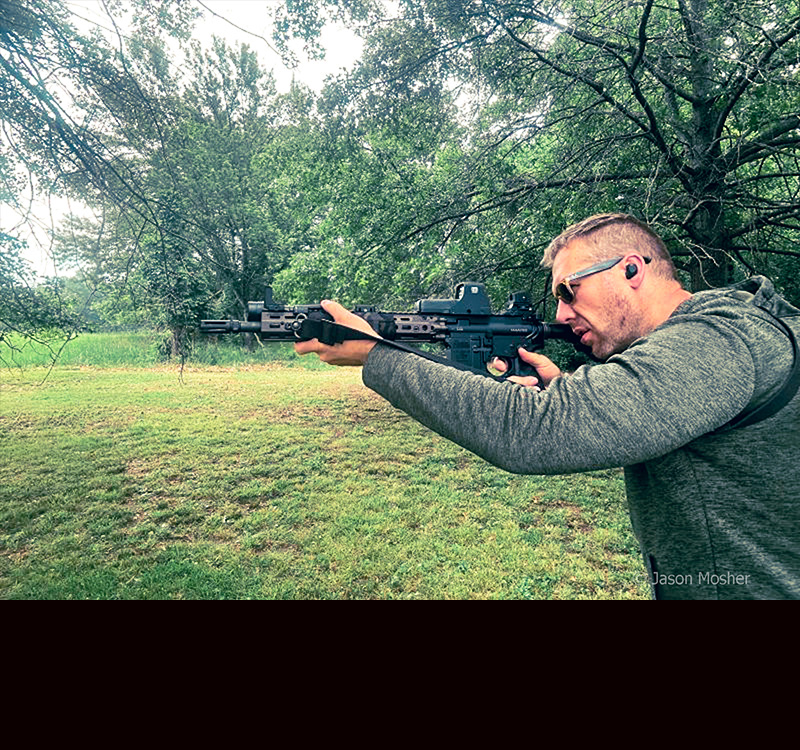
Looking over a gun and shooting it in training doesn’t compare to real-world use in the military, but it eases my mind. I’m a see-for-myself kind of person.
Here’s what impresses me about the M4A1 RIII rifle.
The M4A1 RIII Barrel
In a battle-grade rifle, you want two things from a barrel: longevity and heat resistance. Many “budget” barrels will see accuracy degrade after 5,000 to 7,000 rounds. A battle-grade barrel must do much better.
Daniel Defense uses cold hammer forging (CHF). A hydraulic machine hammers the steel around a mandrel to form the rifling. This process creates a denser, stronger internal structure that resists throat erosion significantly better than button-rifled barrels.
Daniel Defense also chrome-lines its bores and chambers. This lining provides excellent corrosion resistance and makes the barrel much easier to clean after high volumes of fire.
The average life expectancy of a Daniel Defense CHF barrel is between 20,000 and 30,000 rounds. I’ve heard all kinds of stories of people getting much higher round counts from their barrels, which is impressive. But this count is based on an assumption that you will start to lose some accuracy after the 20,000 to 30,000 range.
Upper and lower receivers
The receivers are the bones of the rifle. Both the upper and lower are CNC machined from 7075-T6 aluminum, a high-strength alloy with excellent fatigue resistance compared to the cheaper 6061 often found in budget builds.
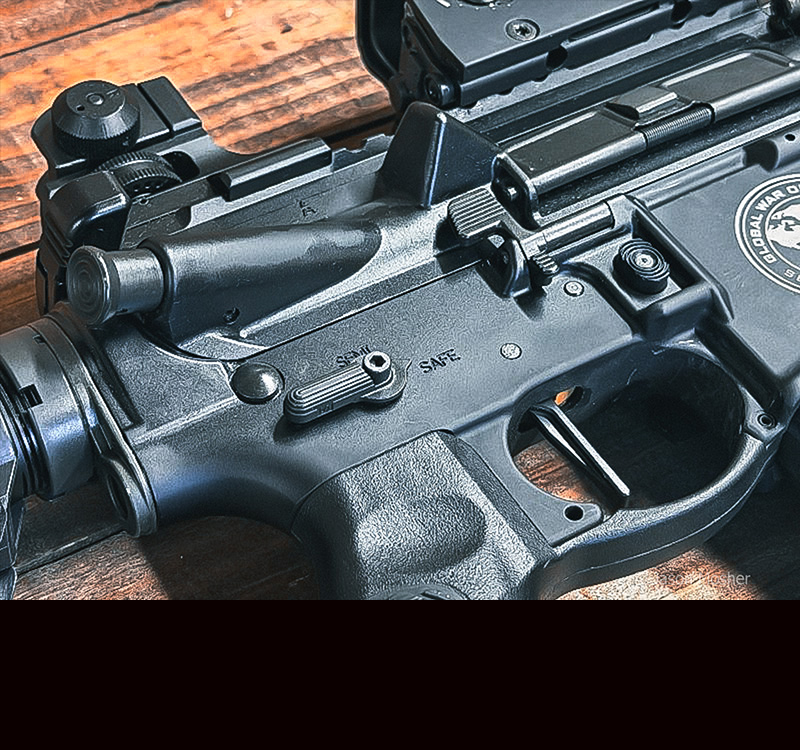
The RIII lower is fully ambidextrous. That’s extremely important if you need to shoot with your other hand during an incident. The M4A1 RIII lets you operate the bolt catch, safety selector, and magazine release from either side.
Bolt Carrier Group (BCG)
The BCG is the engine of the AR-15. If it fails, the rifle is a paperweight.
For a rifle to be battle-grade, the BCG must be made of Carpenter 158 steel and be Magnetic Particle Inspected (MPI) and High-Pressure Tested (HPT). At least that has become my standard.
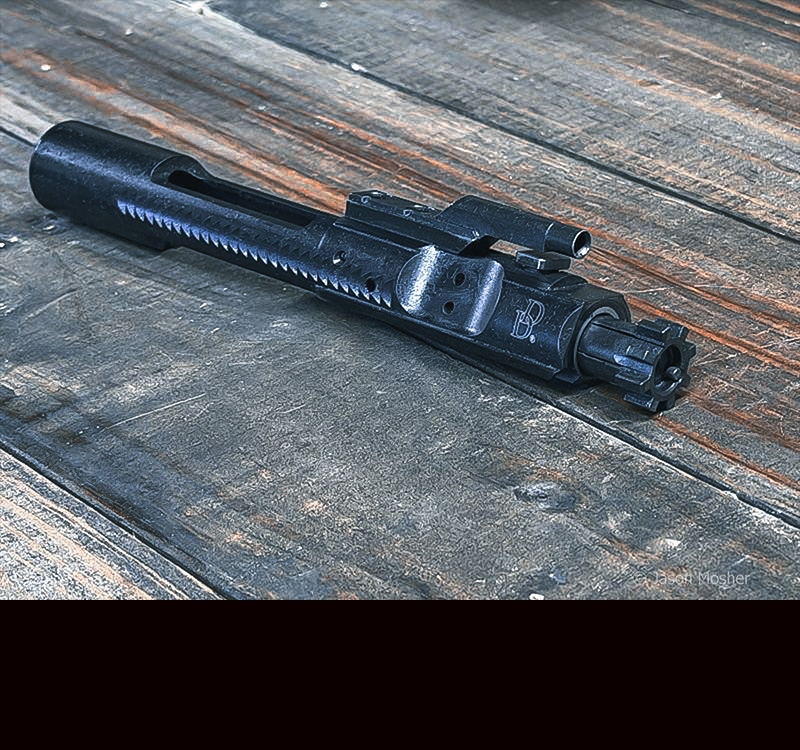
Daniel Defense lists its BCG as mil-spec and MP tested, with a chrom-lined carrier and a properly staked gas key. When it isn’t, the gas key can vibrate loose under the heat of rapid fire.
Gas System
Reliability of an AR-15 often comes down to the gas system. The M4A1 RIII uses a mid-length gas system, considered an upgrade over the traditional carbine-length system found on older M4s.
A mid-length system lowers the gas port pressure, which slows the cycling of the bolt. The result is less wear on internal parts and a much softer recoil impulse. The gas block is also pinned to the barrel so it won’t shift, even if the rifle is dropped or banged against something.
How Does it Compare to Other High-End Rifles?
Among premium ARs, the Daniel Defense M4A1 RIII faces stiff competition, and many of those riflles are what I would call “battle-grade.” Brands like Sons of Liberty Gun Works (SOLGW), Wilson Combat, BCM, and LWRC all make excellent guns.
Ultimately, the Daniel Defense M4A1 RIII sits in a “sweet spot” for quality vs. price. It pairs the combat-proven rail heritage of SOCOM with the modern features civilians and law enforcement want. You don’t have to look hard to see that it’s built for the long haul and designed to be passed down to the next generation.
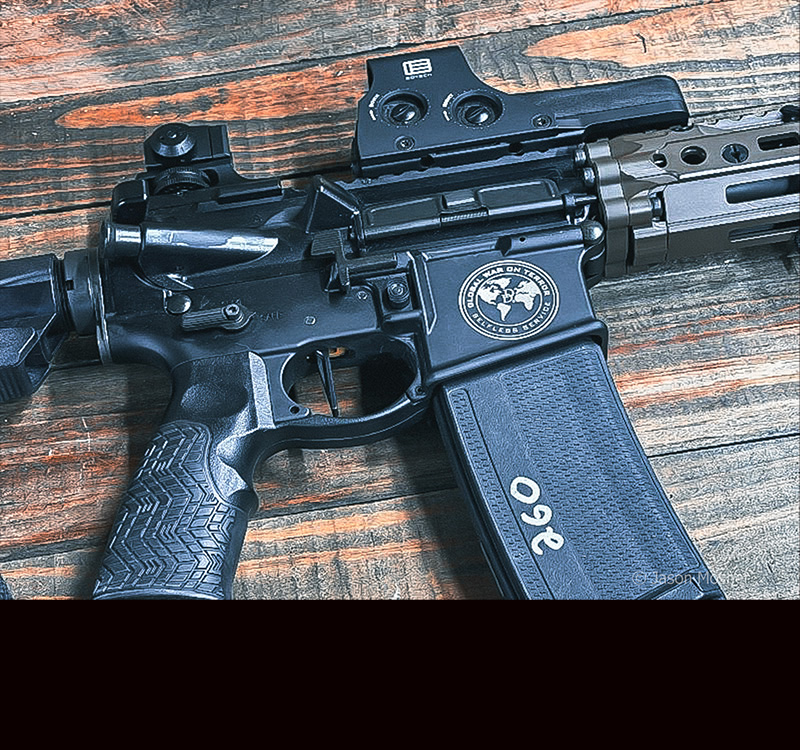
I’ve put a lot of rounds through my M3A1 RIII and never had a malfunction. During my time in law enforcement, I dragged it through the woods, used it in the rain, and qualified with it in temperatures from below zero to over 100 degrees.
Everyone has their own preferences in firearms, and I like just about every type. But the M4A1 RIII has stood out to me as a quality rifle you can trust with your life. In my book, that’s a battle-grade firearm.