
Handgun and rifle designs have seen a real facelift over the last decade. Some changes are superfluous or self-serving, promising abilities the product doesn’t deliver or pushing the shooter to buy more for a better experience.
Do a sculpted grip, flared magazine wells, optic-ready capacity, and suppressor threads make you a better shooter? Probably not, but these can help.
Other changes are downright overdue. Case in point: ambidextrous controls. In this overview, we will go over the history of ambi controls and why they should be a necessity rather than a luxury when going armed.
A Brief History of Ambidextrous Controls
Early firearms of the muzzleloading single-shot type tended to be right-hand only, with locks and stocks configured for a right-handed shooter.
Left-handed locks existed but tended to show up mainly on double-barreled long guns, where the left-handed lock was just a mirror image of one on the right. Unfortunately, it was an expensive proposition as the shooter had to pay for double the locks and double the barrels.
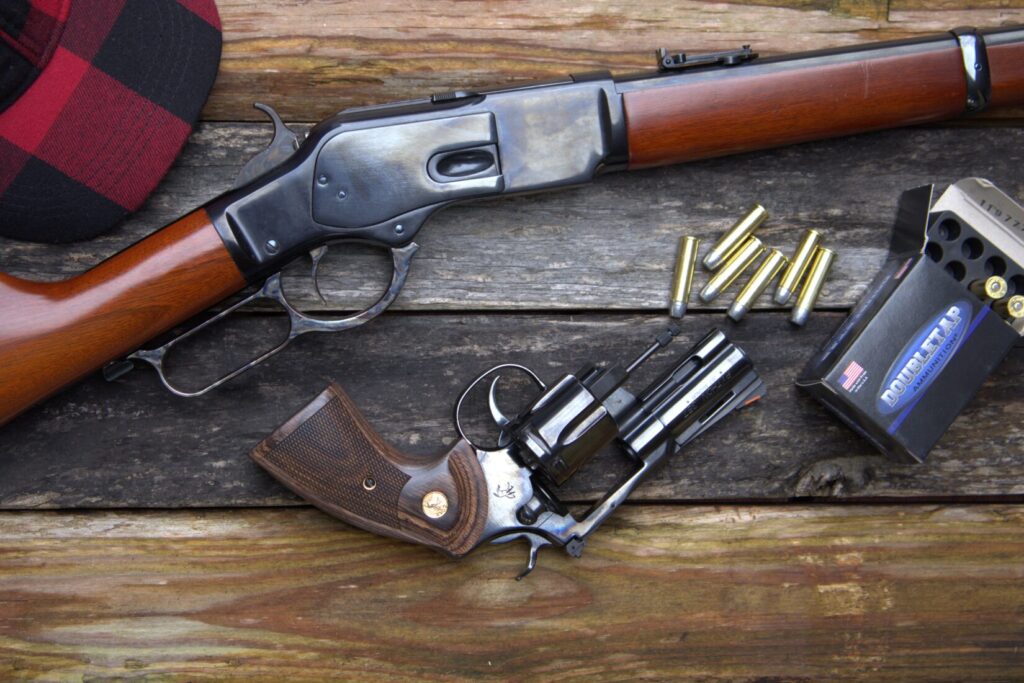
The situation improved with the first true repeating firearms like the Colt Single Action revolver and lever-action rifles like the Henry 1860 and Winchester 1873. Lever actions can be worked from either shoulder and could be loaded readily on a loading gate on the right side.
Early single-action revolvers virtually required a shift to the left hand in order to reload with the right.
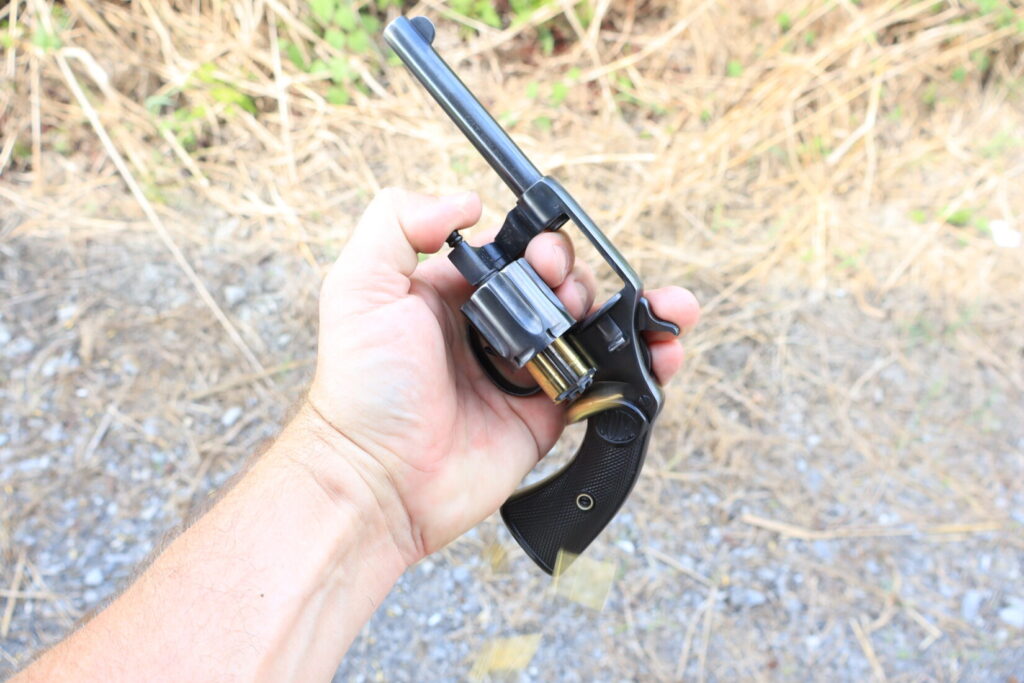
When the world shifted toward double-action revolvers, the same hand-switching technique to load carried over. But along with double-action revolvers came the first semi-automatic pistols, autoloading rifles, and bolt-action rifles that were less ambidextrous.
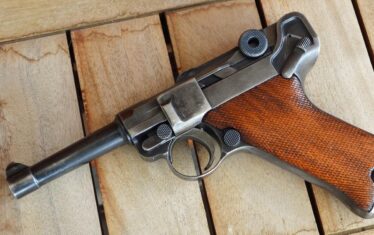
Given that nine out of 10 people are naturally right-handed, most semi-auto pistols have their controls on the left side to be actuated by the right thumb. Due to these same economics, most rifles had safeties and bolts that could only be actuated with the right hand. That is not to say that a left-handed shooter could not use these, but it required more finesse and shifting to do so.
Recent Ambidextrous Trends
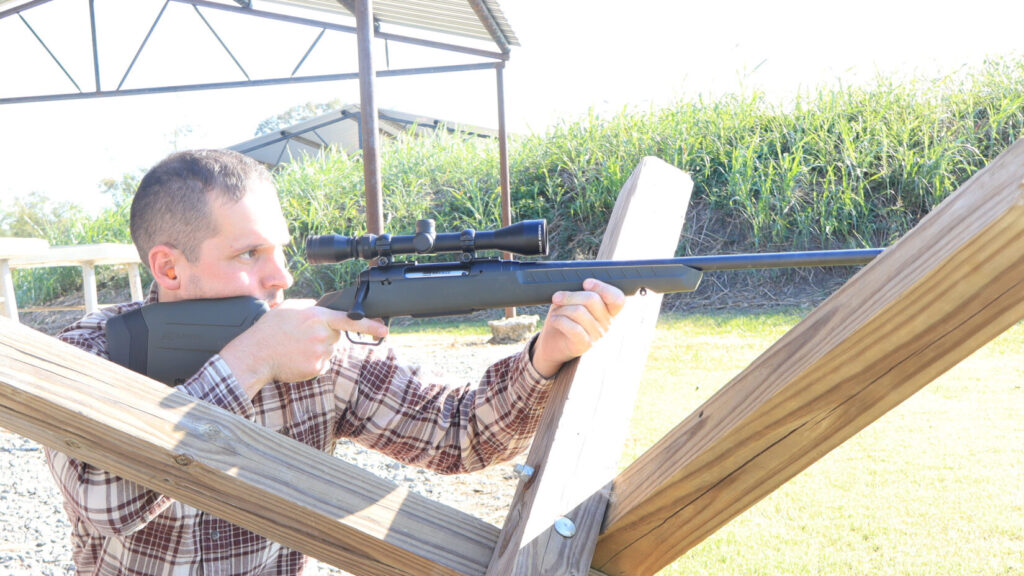
In 1958, the Savage 110 became one of the first commercial rifles offered in a left-handed configuration. Since then, Savage and other bolt gun makers have offered left-handed versions of their popular models— although these are not truly ambidextrous options.
The FN Five Seven is one of the first handguns to have ambidextrous controls as we would know them today. First marketed as an alternative to the 9mm pistol for NATO use, the Five Seven was introduced in 1998 and reached civilian shooters in 2004.
It is a single-action pistol with a curious ambidextrous thumb safety activated by the shooting thumb. The magazine release button was housed in a uniform slot in the frame and could be reversed for a left-handed shooter.
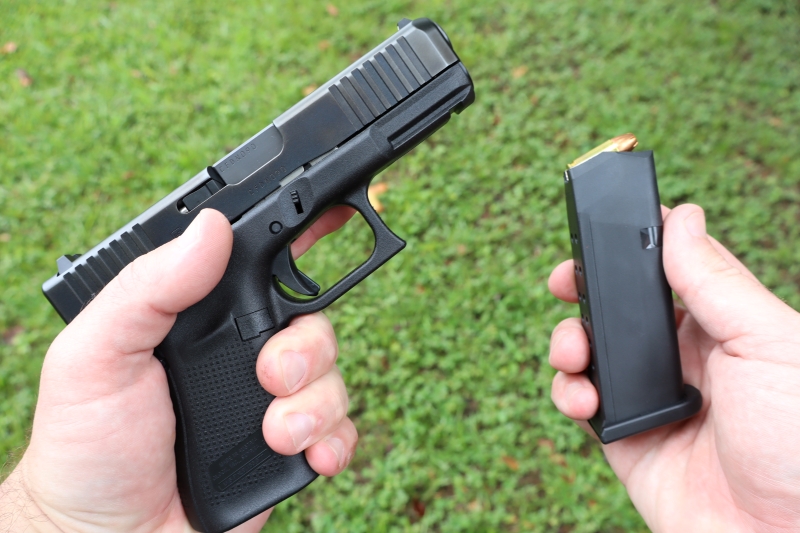
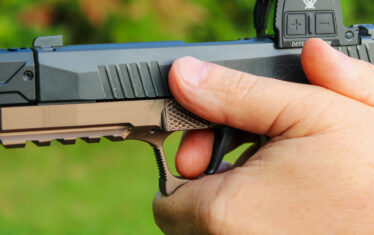
A tidal wave of ambi pistols began with the introduction of the Heckler & Koch VP9 in 2014, which featured a Euro-style paddle magazine release that could be actuated from either side as well as a slide release that was mirror-imaged on both sides. The fifth-generation Glock in 2017 continued that momentum.
Today, ambidextrous controls on handguns popularized by newer brands like Arex and Rost Martin as well as established brands like the aforementioned HK, Sig, and Glock, have made ambi controls standard features rather than a luxury of the past.
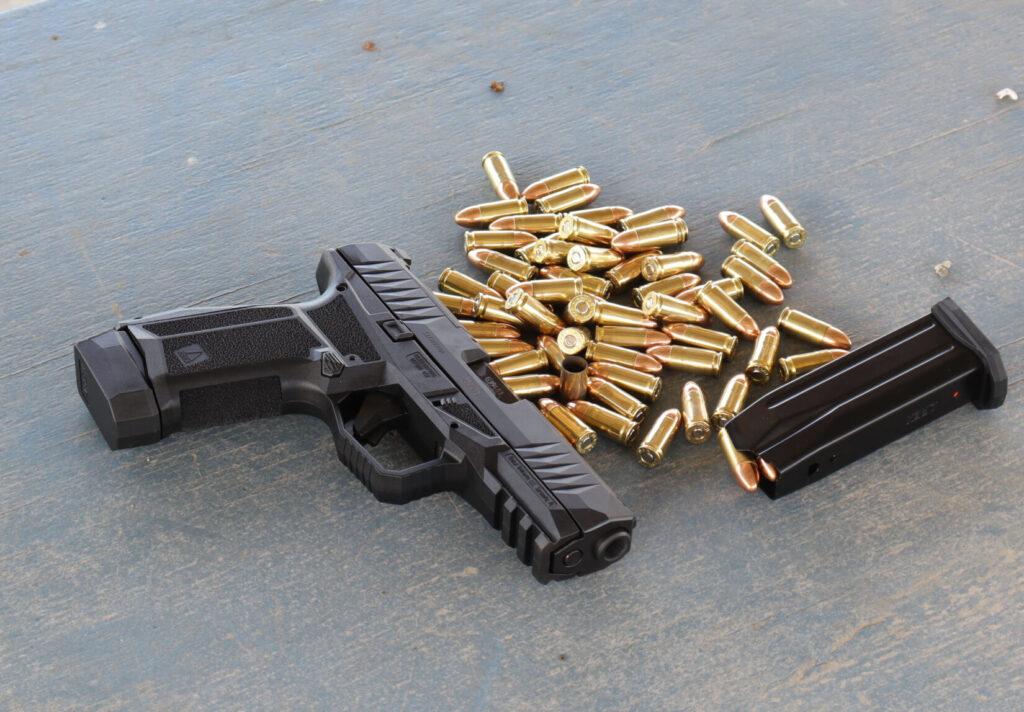
Ambi controls on long guns have also grown, particularly with the rising popularity of autoloading rifles that lack a manually operated bolt, such as the AR-15 platform.
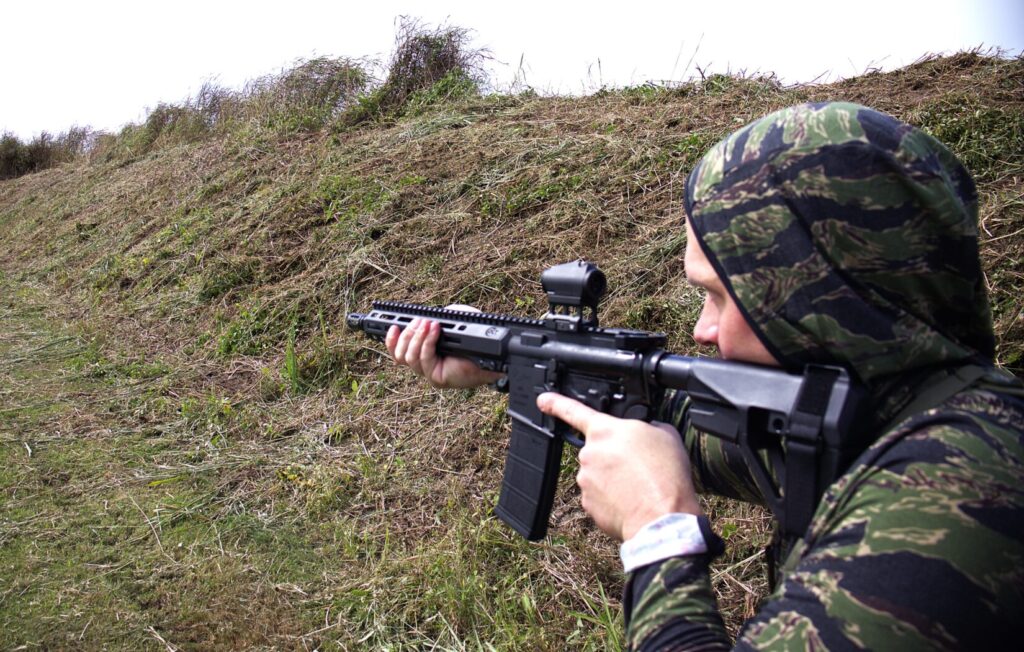
Ambi controls can be as modest as a reversible charging handle knob as seen on some PCCs like the Ruger Carbine and the Henry Homesteader. On the modern AR platform, an ambi charging handle like the Radian Raptor is increasingly becoming standard equipment, while makers like Colt, Daniel Defense, and PWS are making forays into fully ambidextrous rifles.
Why Ambidextrous Controls Matter
There are two main reasons that ambidextrous controls are increasingly nonnegotiable: left-handedness and right-side incapacitation.
As mentioned, only one out of 10 people are left-handed. From an economic perspective, it makes more sense to prioritize the other 90 percent who are right-handed. Hence, most firearms still made have controls on the left side for the right-handed shooter.
But that 1-to-9 split does not factor in those of us who have a stronger left hand but can get by with the right hand, as well as those of us who are cross-dominant. Thus, the share of those of us who can benefit from ambi controls is higher than the stats would suggest.
For those of us who are strict southpaws, we have to develop alternative methods for working our way around a right-handed firearm, like switching hands to engage controls or breaking contact with the shoulder to work the action. This slows down the presentation and firing process where time may be limited.
Finally, for the majority who are right-handed, ambidextrous controls can keep you going at some speed if your right side is compromised—such as confinement of the right arm due to health concerns, injury during a fight, or any diminished ability to use that side of the body. The support hand can fire the gun and reach the controls, instead of forcing the alternative route normally used by southpaws on right-handed guns.
Luxury or Necessity? The Bottom Line
Ambidextrous controls are not a new concept but were rarely put into practice due to sheer economics of the right-hand/left-hand split in the consumer base. But with an increasingly nuanced understanding of that dynamic and the need to both train and shoot realistically, ambi controls are quickly becoming the norm.
Although it can still be compelling to buy a purely right-handed firearm for historical or functional purposes, one for everyday carry should have at least some ambidextrous capacity.