
It’s the 1990s. You are barely old enough to drive a car, and you are skimming through the tactical magazines at your local newsstand. Among the advertisements for the Laser Products 6P flashlight, Tacstar shotgun accessories for the Remington 870, and Spyderco Clipit knife, you see an article about an author carrying a pistol inside a square-bodied fanny pack. He’s wearing a photo safari vest and sporting a Magnum PI moustache.
That was 30 years ago, and since then, all manner of concealed carry options have hit the market. You’ve matured, possibly, and you know what they say: what is old will be new again. Now, it seems like the fanny pack method of carry is more popular than ever, and new generations of shooters are selecting them for carrying their defensive firearms.
We’ve learned a lot over the years, and what follows should shed light on fanny pack carry.
Fanny Pack Advantages
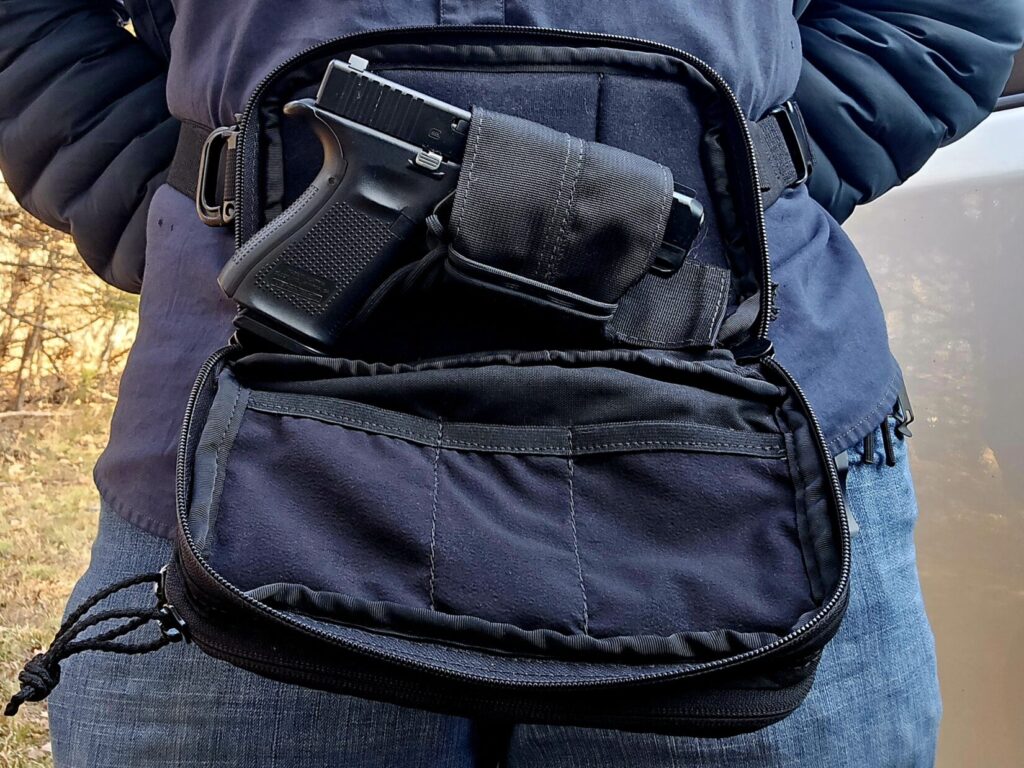
Very few people actually carry their fanny pack over their fanny. Most will carry it sub-abdominal or slightly off to the side. Another option that has become popular is bandoleer carry across the chest.
All of these options allow the user to remove the heaviest item in their EDC and place it inside a separate load-bearing pack. This takes weight off the pants belt and adds capacity where it typically can’t be found, such as running shorts and gym clothes.
If the user is wearing a backpack that has a hip belt, the weight of the backpack will be largely carried on the hips over the pants belt. A fanny pack can be worn above or below the hip belt for woods carry. The zippered pouch also protects the pistol, to some degree, from the elements and keeps dirt and debris from working into the internals.
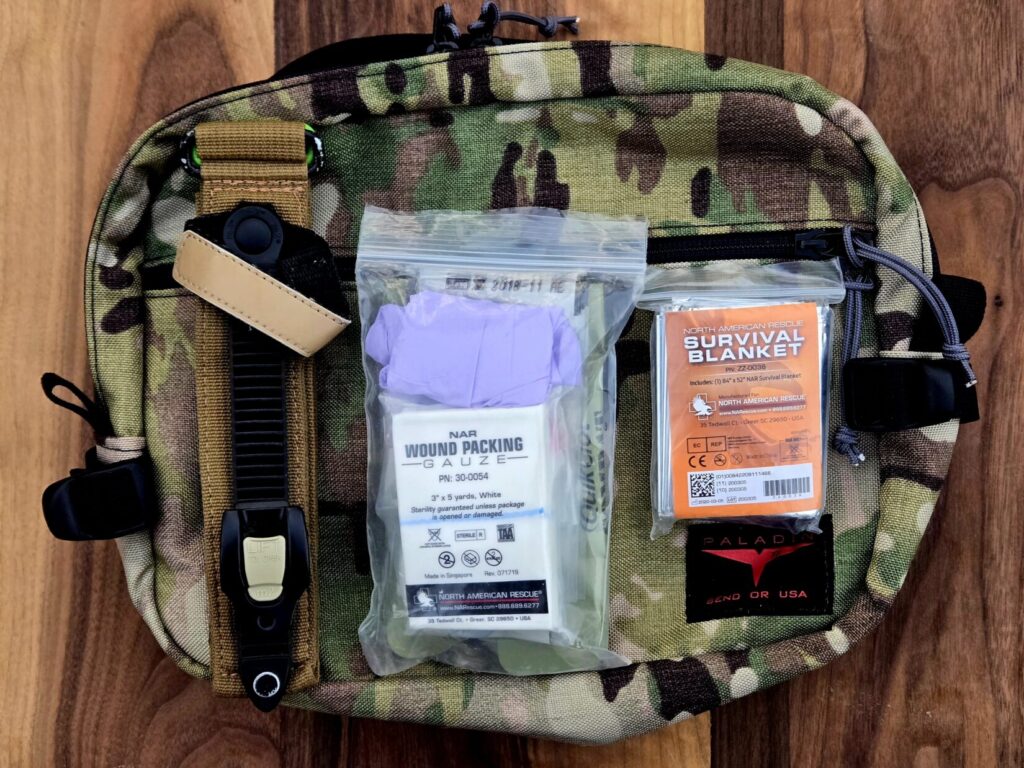
The fanny pack is easy to carry and easy to remove. Depending on the size, it also allows the user to carry a larger frame pistol than they normally would opt for inside the waistband. On its own, the fanny pack can be used to carry support equipment such as spare mags, weaponlight, etc., for a pistol carried on the belt. It can also be easier to access in colder weather than breaking the seal of a heavy winter jacket.
Fanny Pack Limitations
If fanny packs were the do-all, end-all solution to carrying a firearm, we all would have and use them. Many of the fanny packs sold in the 1980s and 1990s for concealed carry had a very rectangular shape, unlike the “sport” fanny packs from design labels. A trained eye could pick out the shape and identify a pistol in a crowd easily.
In a similar way now, many concealed carriers know there is a strong likelihood of a pistol inside of a gray man’s kit, especially if he/she is wearing tactical pants, has at least one American flag printed on their shirt, and is wearing Vans on their feet.
Apart from the less-than-discreet look, the fanny pack can also be difficult to draw from and requires two hands. It can move around the body instead of being located in one spot for a consistent draw. Additionally, off-body carry can be problematic if the pack is left behind somewhere. Furthermore, the fanny pack band can become a grab point for anyone who decides to go hands-on with you.
Optimizing Fanny Pack Draws
The draw from a fanny pack is a unique series of movements that requires training.
Most of the modern fanny packs on the market have a separate zippered compartment where the pistol is carried. This zipper needs to be defeated before a master grip can be achieved. Some fanny packs have a draw tab that protrudes out from the zipper and opens the zipper in two directions when yanked. This draw tab is best used with the support hand, while the master grip is sought with the strong hand.
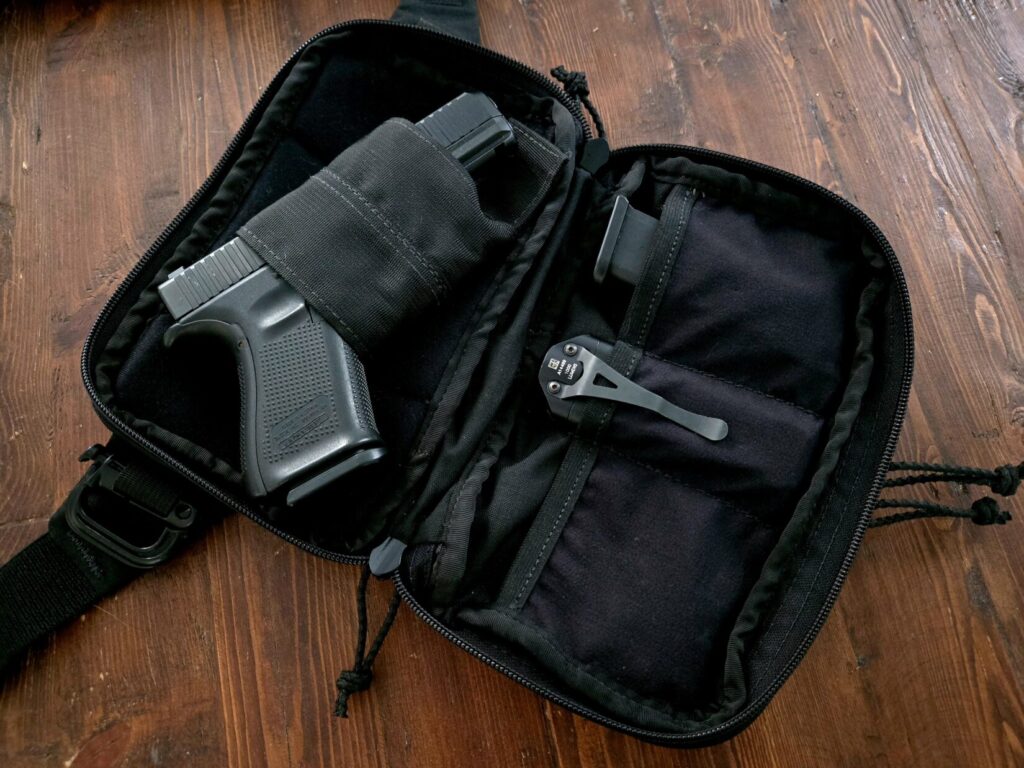
The fanny pack worn around the waist or the chest needs to be worn securely, so that it will not shift around the body when accessed. Furthermore, the compartment that holds the firearm should not contain any other items that can interfere with gaining a good purchase on your pistol.
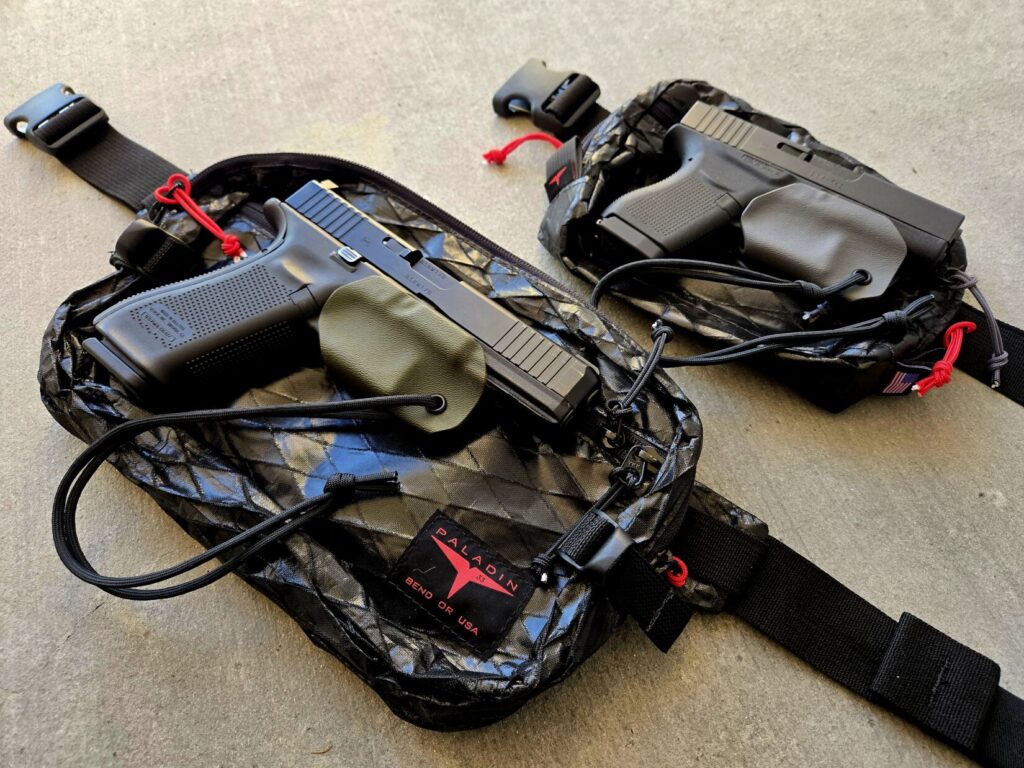
Some fanny packs are designed to use a Kydex trigger guard that is tethered to an anchor point, and others use a fabric soft holster with hook and loop that works with the interior of the fanny pack body. These options offer two very different draw angles if the pistol is accessed from the upper corner of the pack vs the side. Each requires training and repetition for better understanding.
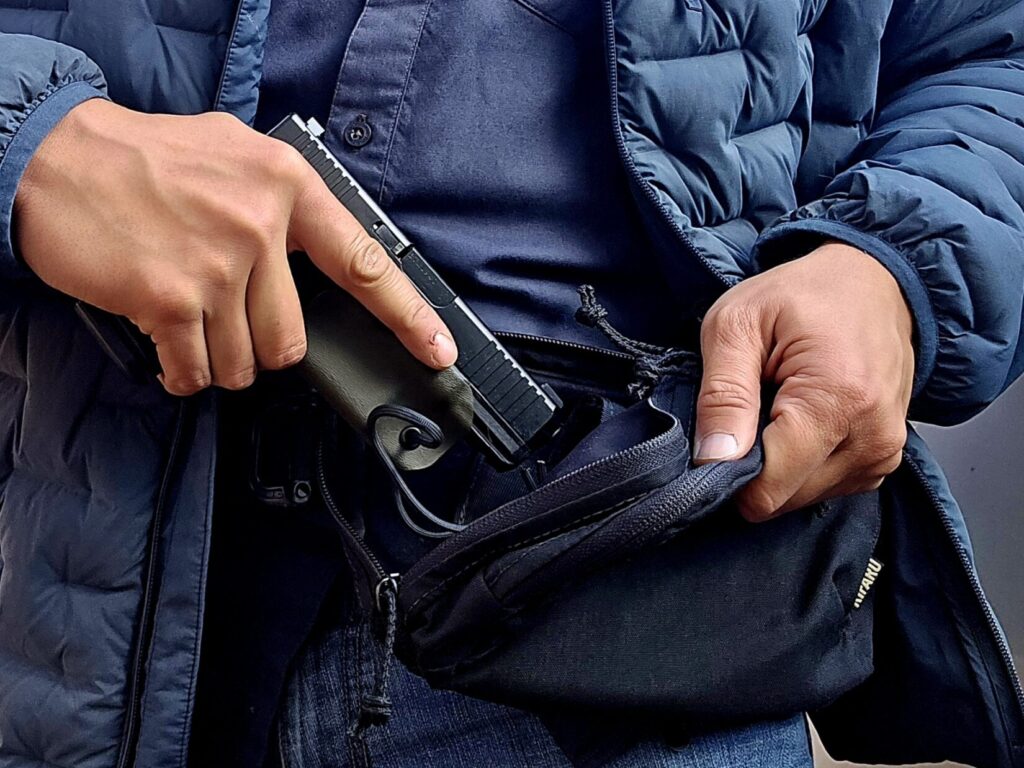
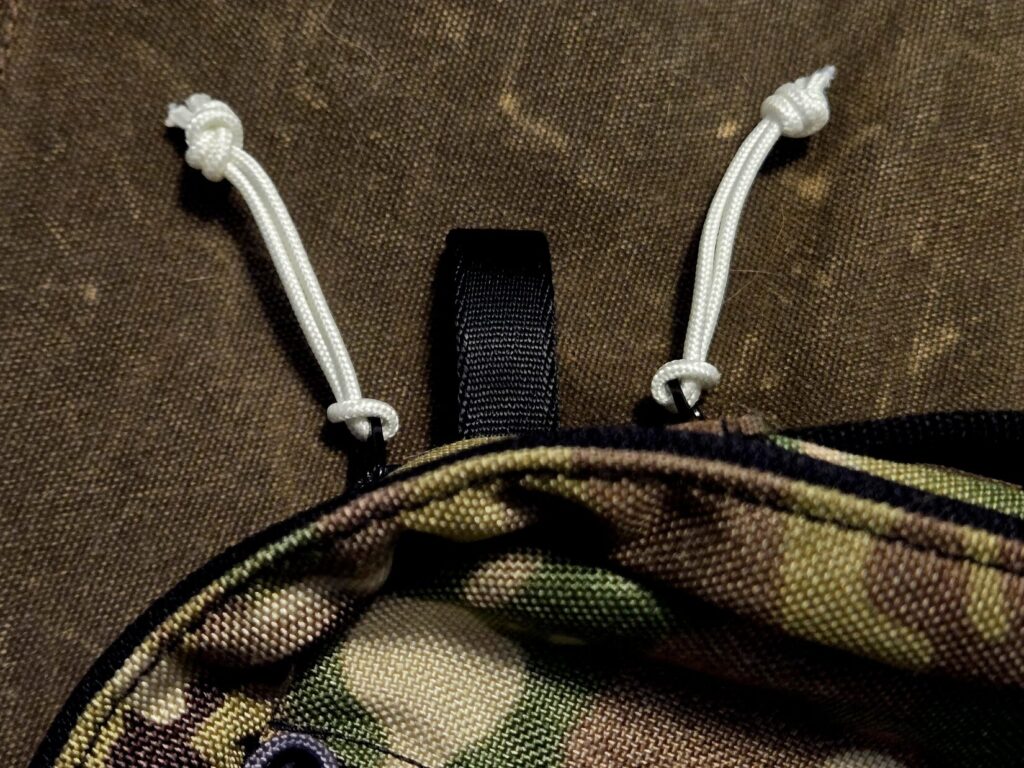
One of the more challenging ways to draw a pistol with a fanny pack is the off-hand or support hand. Unlike drawing from an appendix position with the support hand, the pistol carried inside the fanny pack is positioned in a manner that isn’t easy to draw without removing the pack completely.
Attempting to draw the pistol with the support hand while it is still in the fanny pack around your body presents a very obvious and dangerous flagging issue.
From Personal Experience
I don’t carry inside a fanny pack all the time, but I do use one regularly in my travels. When I spend time in hotels on the road, I typically will wear a fanny pack down to the hotel breakfast with me. It’s large enough to hold my wallet, keys, pistol, and phone. I like the ability to keep certain essentials with me in a discreet package, and no one has ever looked at me oddly for carrying one at 6 am.
Speaking of “on the road,” if I am on a long car ride, I’ll wear a fanny pack for comfort inside a vehicle.
I find the fanny pack works well for holding my EDC options on the nightstand when they aren’t carried in my pockets. Most of the time, I have a pistol within arm’s reach, and if I had to get up and get out of a hotel in a hurry, I wouldn’t have to stuff my pockets under duress.
In the backcountry, fanny pack carry works great with hunting bibs or waders when you aren’t wading too deep. While not as quick as a chest rig, the fanny pack rides over the waders that cover my belt.
Thirty years from now, if clothing has evolved to remove belts and we are all wearing singlets like a futuristic movie, perhaps the fanny pack will no longer be in the discussion. Then again, clothing hasn’t changed all that much since the 90s, and the needs of the concealed carrier have remained the same.
Since the fanny pack offers utility options, I recommend embracing it and learning how to utilize it to its full potential.