


Over the course of two and a half centuries, the United States military has undergone a transformation unmatched in scale and complexity. What began as a patchwork of colonial militias has evolved into a globally deployed, technologically advanced force capable of projecting power in every domain of warfare.
This evolution reflects changes in national strategy, industrial capacity, global politics, and the nature of conflict itself. Yet throughout this long arc of change, the ideals of service, sacrifice, and commitment to the nation have remained constant.
The Revolutionary Foundations
In 1775, the American colonies faced the British Empire with little more than local militias and a small number of volunteers willing to form the Continental Army. These early forces were poorly supplied, unevenly trained, and often short on enlistments. George Washington spent much of the war struggling to maintain troop levels and secure basic necessities such as food, clothing, and ammunition.
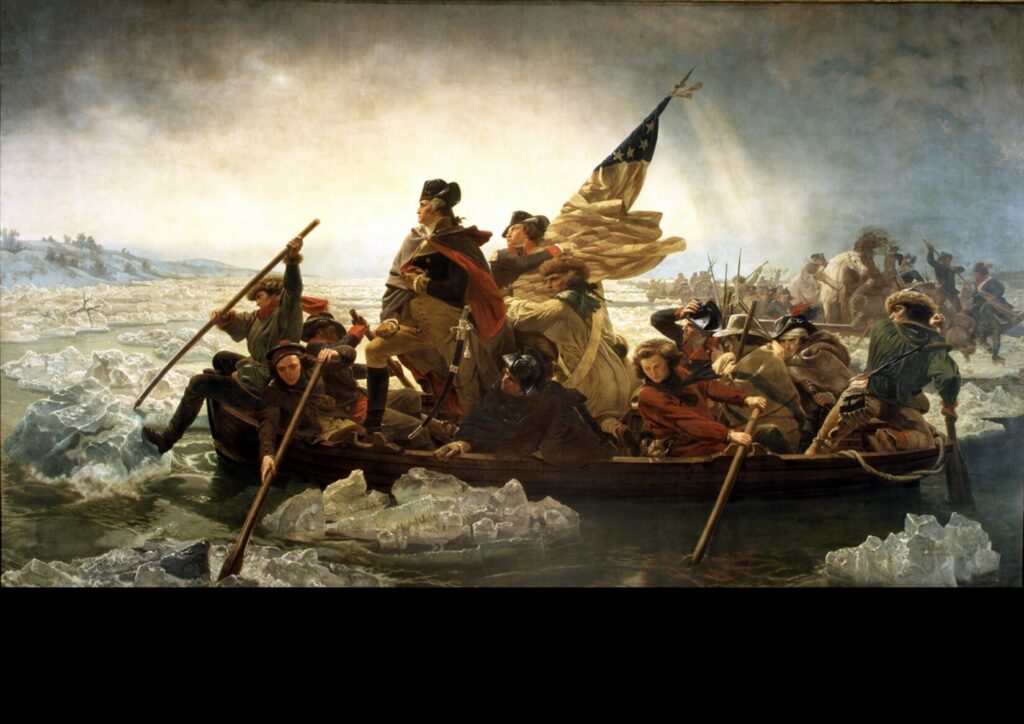
Despite these challenges, the Continental Army developed a professional core that learned to fight in both conventional and irregular styles. Assistance from France provided essential training, naval support, and equipment. By the end of the war, the United States had proven that a citizen army, when properly led and supplied, could defeat one of the most powerful military forces in the world.
The Revolution left Americans wary of standing armies, which they associated with tyranny. As a result, the young nation relied heavily on militias and kept its regular forces small. This tension between fear of centralized military power and the need for national defense would shape American military policy for decades.
Nineteenth Century Expansion and Professionalization
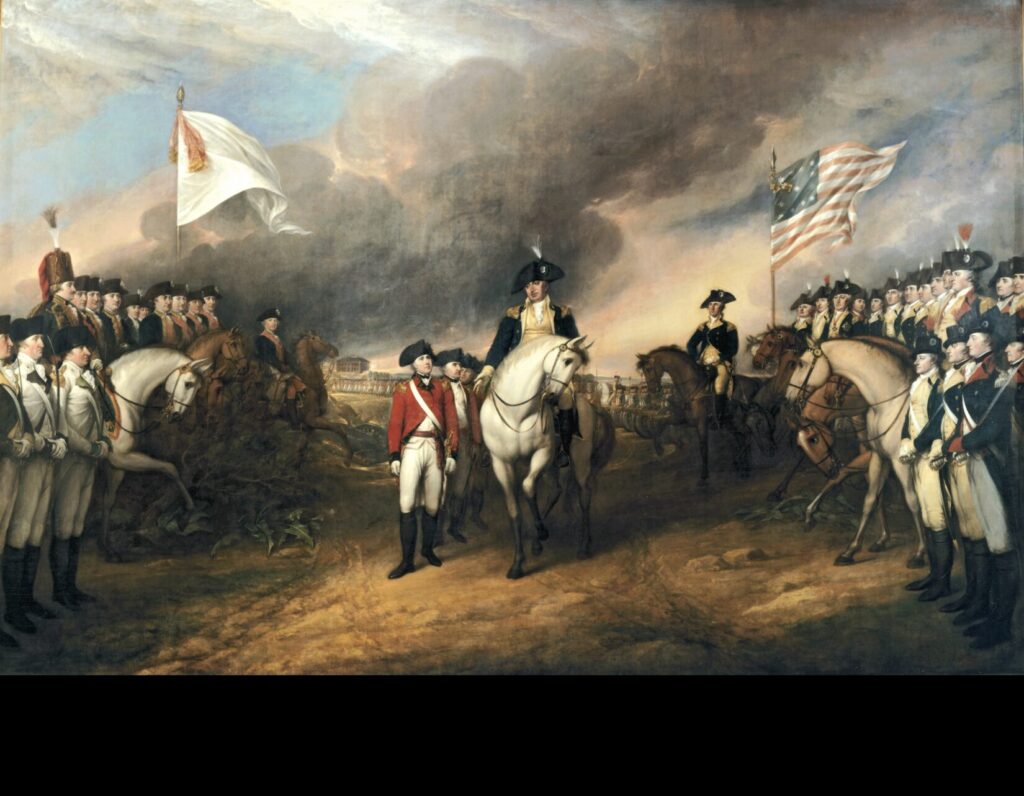
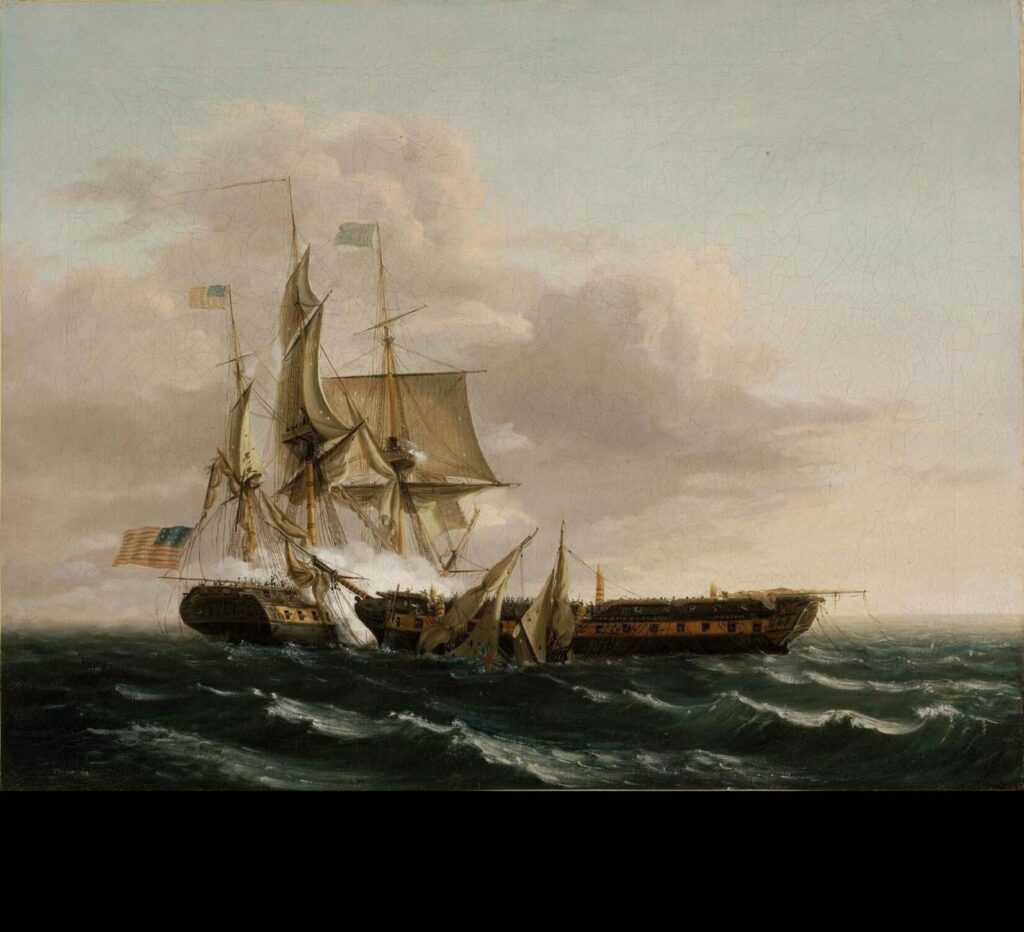
The War of 1812 exposed the weaknesses of relying on militias and limited federal forces. Poor coordination and uneven training hampered early American efforts. Yet the conflict also demonstrated the value of a capable navy and the importance of coastal defense. After the war, the United States began to invest more seriously in military academies, engineering expertise, and permanent installations.
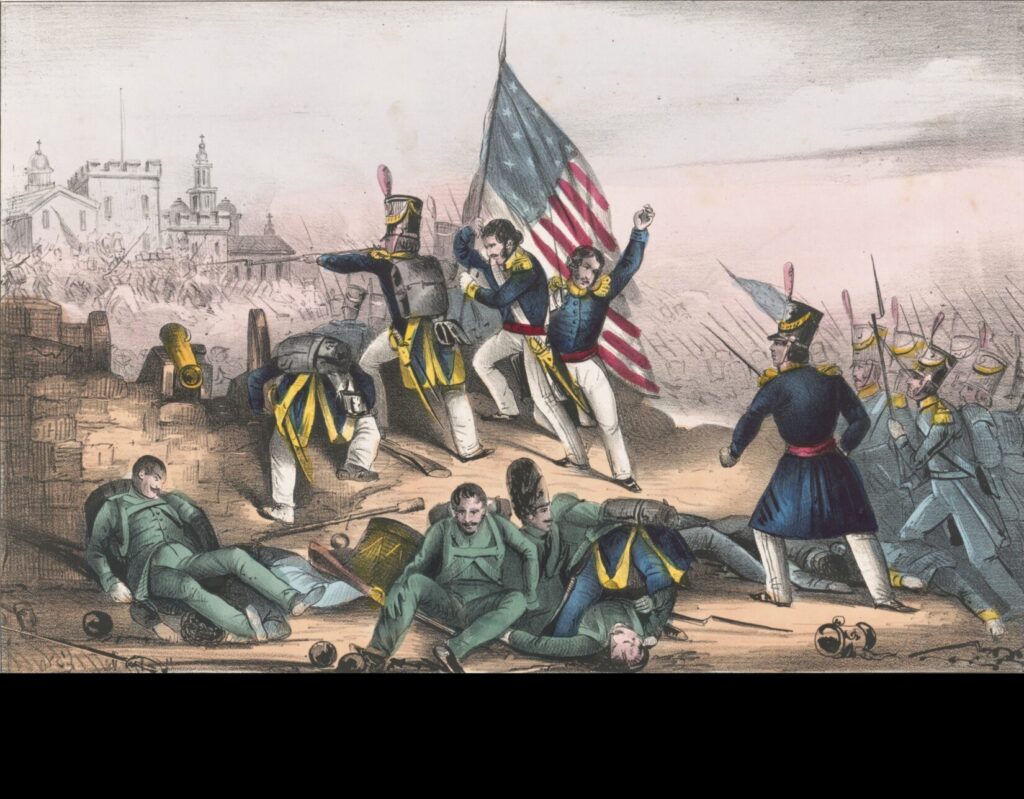
The Mexican-American War in the 1840s marked a turning point. It required large numbers of volunteers and regulars to operate far from home, and it introduced future Civil War leaders to modern logistics, artillery, and combined arms operations. The conflict also expanded the nation’s territory, which in turn expanded its strategic responsibilities.
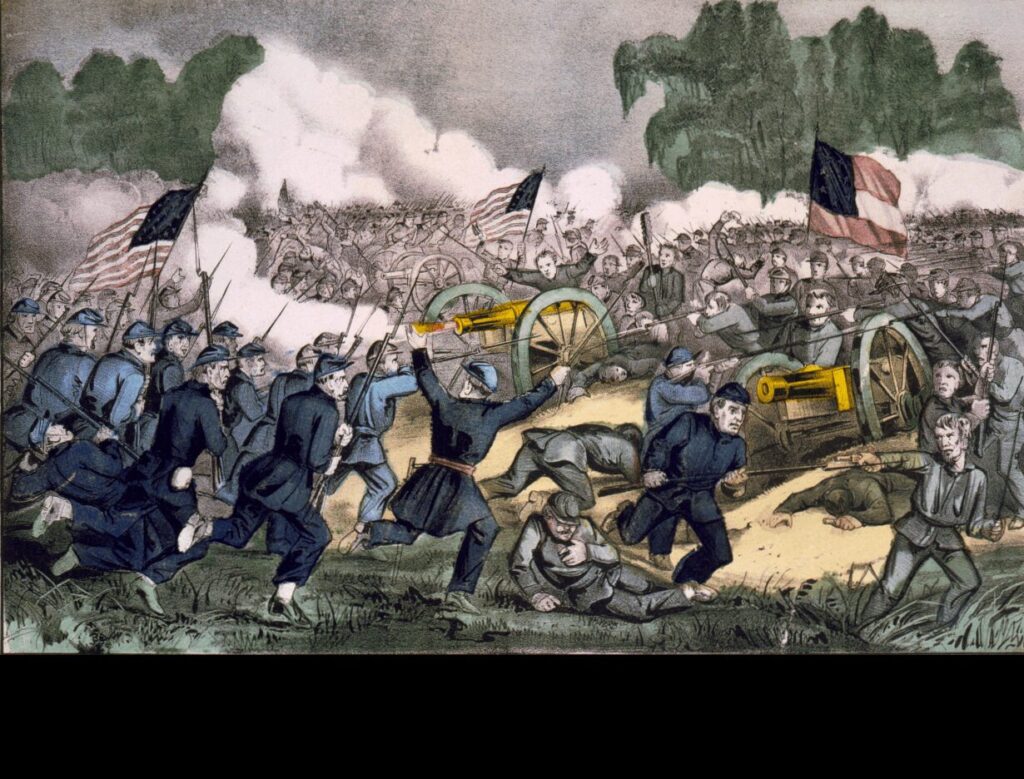
The Civil War accelerated the professionalization of the military. Both the Union and the Confederacy mobilized millions of soldiers, built vast supply networks, and adopted new technologies such as railroads, telegraphs, ironclads, and rifled weapons.
The scale of the conflict forced the United States to develop more sophisticated command structures and administrative systems. When the war ended, the nation possessed a far more capable and experienced military establishment.
Industrial Power and the Rise of a Modern Force
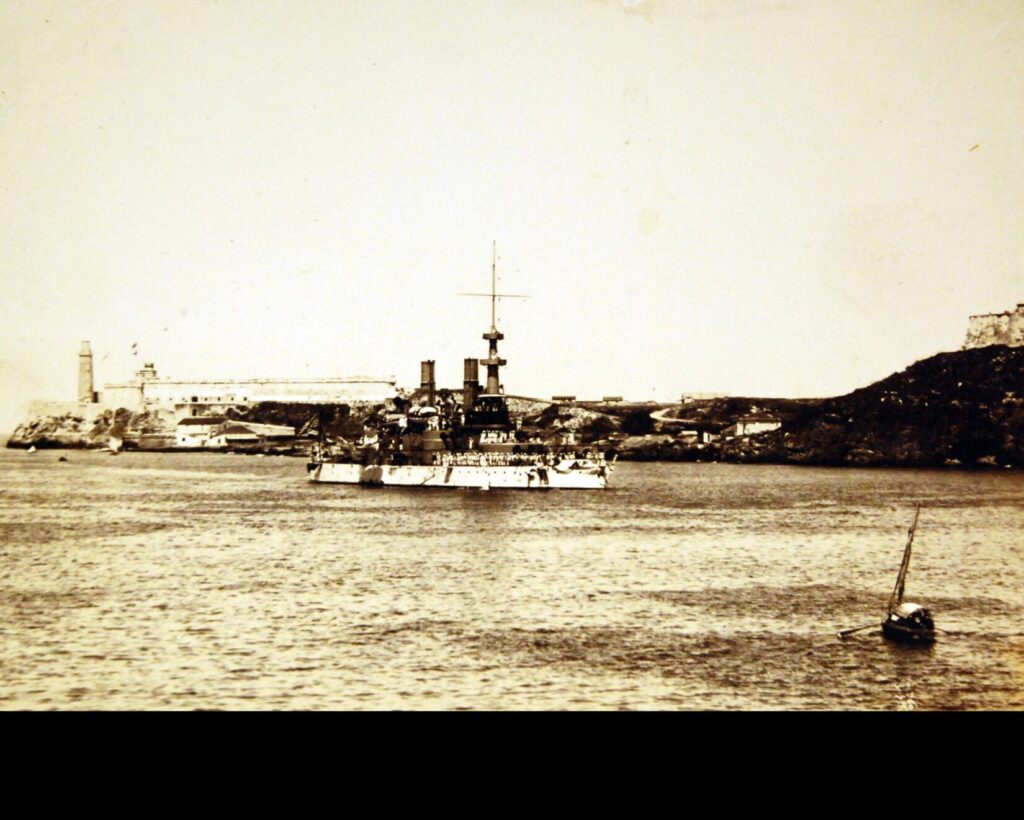
By the late nineteenth century, the United States had become an industrial powerhouse. This economic strength enabled the creation of a modern navy with steel ships, long-range guns, and global reach. The Spanish-American War in 1898 demonstrated the effectiveness of this new fleet and marked the beginning of America’s emergence as a world power.
The early twentieth century brought further reforms. The National Defense Act of 1916 strengthened the National Guard and expanded federal authority over military organization. When the United States entered World War I, it rapidly raised and deployed a large expeditionary force to Europe. American troops arrived late in the conflict, but their presence helped tip the balance and demonstrated the nation’s ability to mobilize on a massive scale.
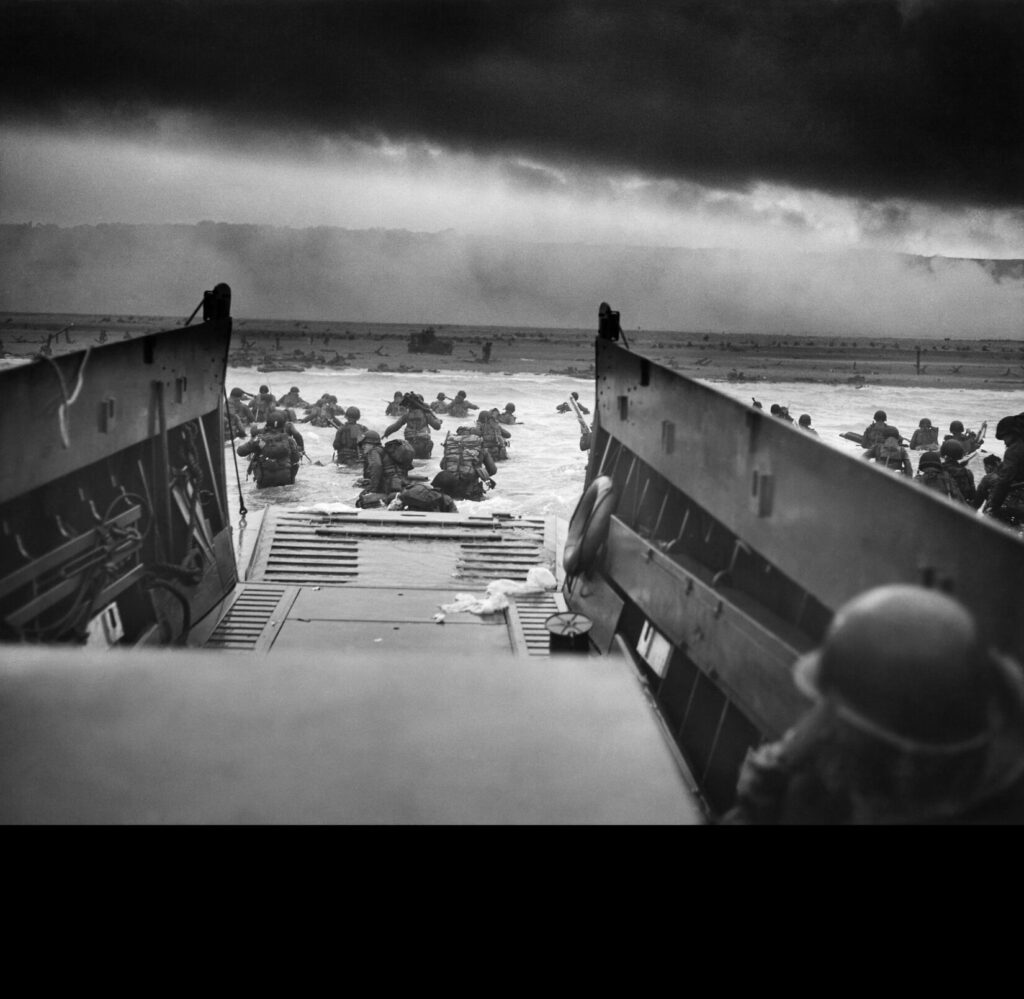
World War II transformed the military even more dramatically. The United States became the arsenal of democracy, producing ships, aircraft, tanks, and munitions in quantities unmatched by any other nation. More than sixteen million Americans served in uniform.
The war spurred advances in radar, aviation, amphibious warfare, and nuclear technology. By 1945, the United States possessed the world’s most powerful military and the world’s first atomic weapons.
The Cold War and the Era of Global Commitments
The end of World War II did not bring a return to isolation. Instead, the United States entered a prolonged rivalry with the Soviet Union that required permanent readiness, global alliances, and forward-deployed forces. The creation of the Department of Defense, the Air Force, and the Joint Chiefs of Staff reflected the need for unified command and strategic coordination.
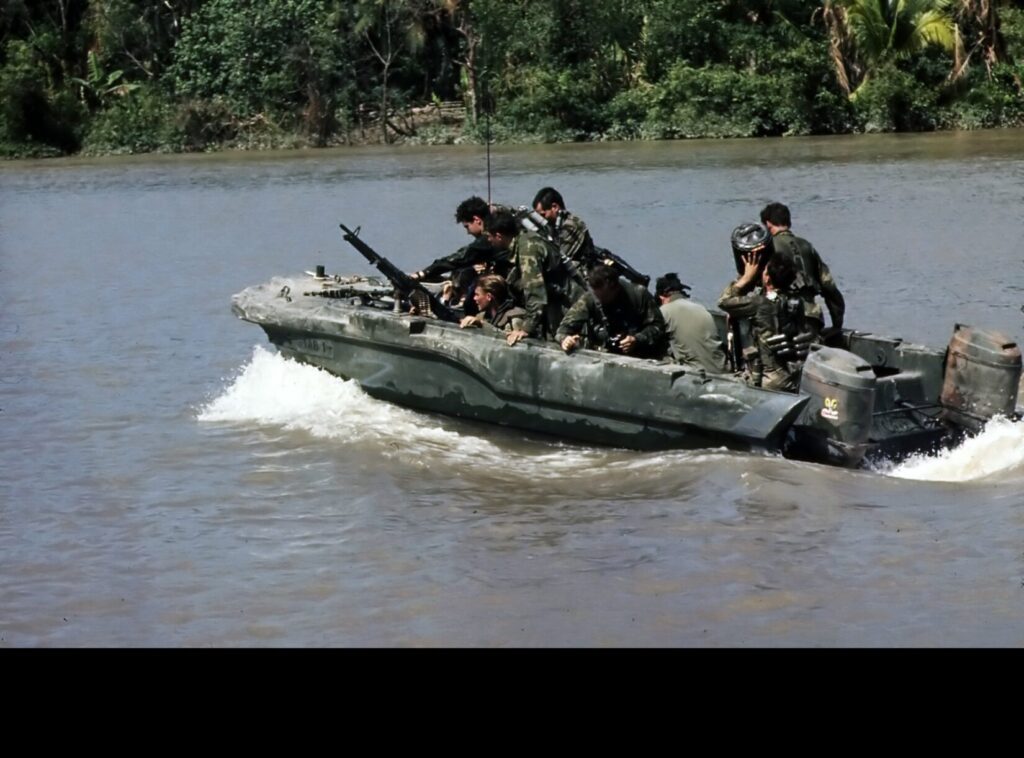
The Korean War and the Vietnam War tested the military’s ability to fight limited conflicts far from home. These wars highlighted the challenges of counterinsurgency, coalition operations, and political constraints on military action. They also accelerated technological innovation, particularly in jet aircraft, helicopters, and precision-guided munitions.
Throughout the Cold War, the United States maintained a large standing military, a global network of bases, and a nuclear triad designed to deter Soviet aggression. The all-volunteer force, established in 1973, created a professional military culture that emphasized training, readiness, and long-term career development.
The Post-Cold War Era and the Rise of Precision Warfare
The collapse of the Soviet Union in 1991 reshaped American strategy. The Gulf War demonstrated the effectiveness of precision weapons, stealth aircraft, satellite navigation, and joint operations. The conflict lasted only weeks and showcased a level of technological superiority that stunned the world.
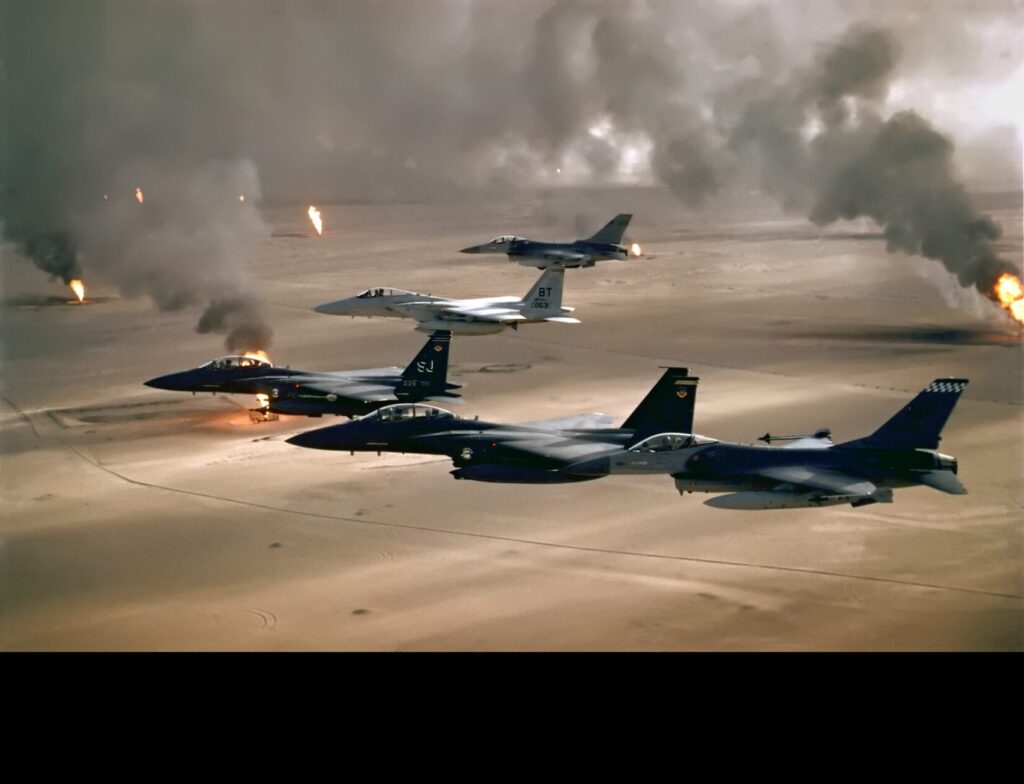
In the decades that followed, the military conducted operations in the Balkans, the Middle East, Africa, and Asia. The attacks of September 11, 2001, led to long campaigns in Afghanistan and Iraq. These wars required counterinsurgency tactics, intelligence-driven operations, and close cooperation with allies and local forces. They also placed a significant strain on service members and their families.
The Twenty-First Century Force
Today’s United States military operates in a world defined by rapid technological change and complex global threats. Cyber warfare, space operations, unmanned systems, artificial intelligence, and long-range precision weapons have become central to modern strategy. The military must prepare for competition with near-peer adversaries while also addressing terrorism, regional instability, and humanitarian crises.
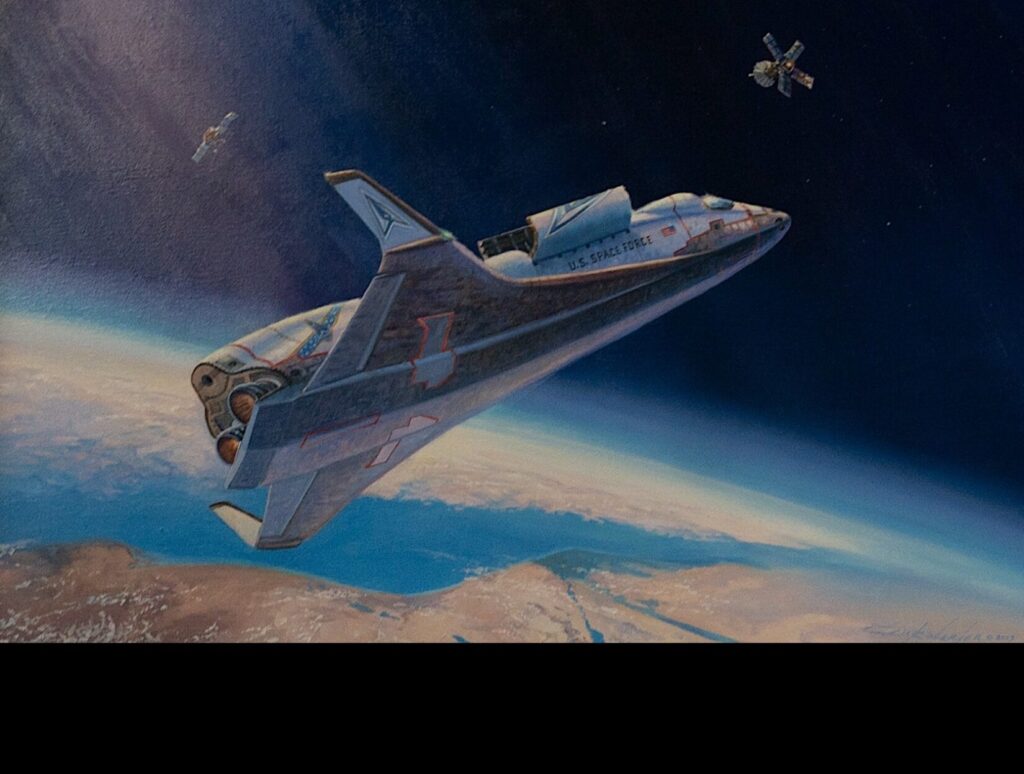
Joint operations are now the norm. The Army, Navy, Air Force, Marine Corps, Space Force, and Coast Guard coordinate closely across domains that include land, sea, air, space, and cyberspace. The United States maintains alliances that span the globe and supports partners in regions from Europe to the Indo-Pacific.
Continuity Amid Change
Despite the dramatic evolution of America’s military, certain values have endured. Service members continue to embody duty, courage, and commitment to the nation. The military remains an institution that draws strength from diversity, innovation, and a willingness to adapt.0
From the militias of the Revolution to the global force of today, the story of the United States military is one of constant reinvention guided by enduring principles.
The appearance of U.S. Department of Defense (DoD) visual information does not imply or constitute DoD endorsement.