
Is there a reason to own a pair of earmuffs with communications like the Liberator IV Advanced Single Comm Headset? We are used to seeing elite military units or local SWAT teams wearing helmets with over-the-ear cups and a boom microphone. For a long time, high-end communication headsets were reserved for those with a badge or a military ID. After all, they are a piece of “tactical” gear for those elite units, right?
My first question, however, is why? Why is hearing protection with a radio attached considered “tactical” or for the “elite?” We have Bluetooth headsets and ear buds that connect to our phones, so why not a radio as well?
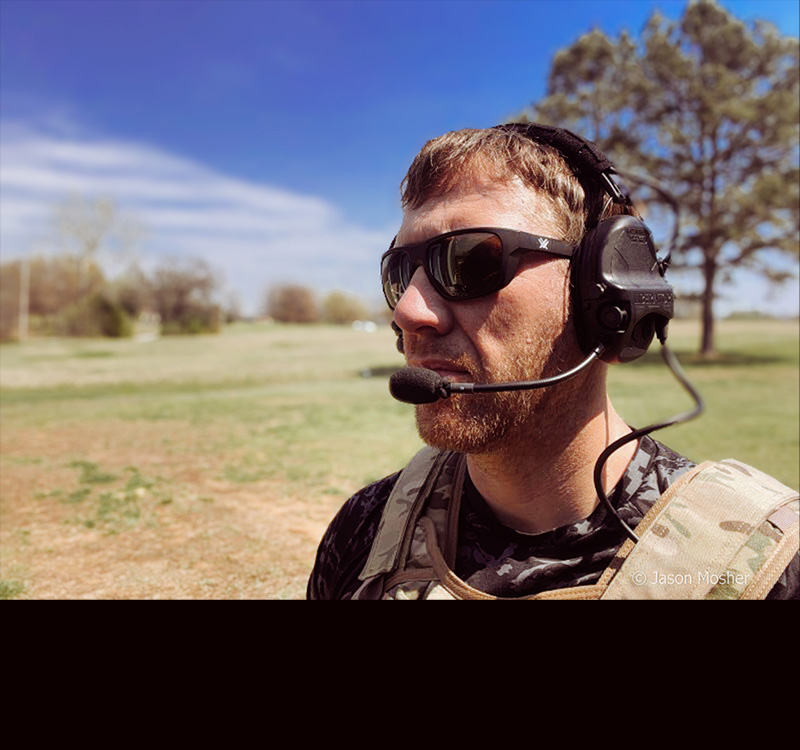
In recent years, the use of personal protection and preparedness gear has been changing at a fairly rapid pace. People are starting to realize that using safety gear is… well… safer. Even if it was first used by the military or law enforcement, that doesn’t mean it can’t be used by law-abiding citizens as well.
A silencer mounted to a handgun or rifle helps reduce the noise to a safer level. A ballistic vest under your shirt or in a backpack can save your life if a criminal shoots at you. And using hearing protection that allows you to hear your radio without taking off the earmuffs is just common sense.
And so today we are going to look at the Safariland Liberator IV Advanced Single Comm Headset with Hearing Protection.
Liberator IV Advanced Single Comm Headset
The Liberator IV is a headset system that provides two things: hearing protection and a single communications system connection. At its core, the Liberator headset is built to protect your ears against permanent damage caused by gunfire or other loud noises. It also has an impressive Noise Reduction Rating (NRR) and uses advanced electronic compression to “clip” loud impulse noises. This means you can hear a conversation perfectly, but the sound of a .308 muzzle brake is instantly muffled.
One thing I like about this headset is the “Dual Fuel” capability. You can use either two AAA batteries or a single CR123 battery to power the headset. This flexibility is nice to have if you are out in the field and need to scavenge batteries from other devices. On a fresh set of batteries, you can get up to 80 hours of runtime, depending on your settings.
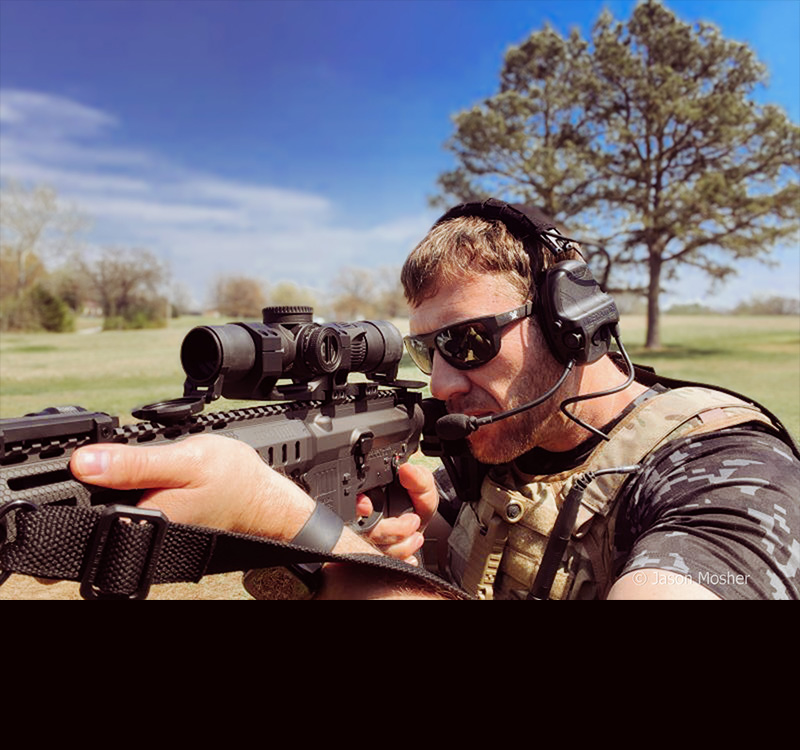
The audio technology inside the earcup is excellent and provides 360° situational awareness. This allows you to pinpoint exactly where a sound is coming from. This is a feature you do not normally get with cheaper electronic muffs.
I have owned the Liberator HP 2.0 earmuffs for a couple of years now, and they are of great quality.
Liberator IV Technical Specifications
- Noise Reduction Rating (NRR): 26dB
- Dual Fuel Power System: Runs on either two AAA batteries or one CR123 battery.
- Audio Modes: 3
- Weight: Approximately 300 grams (when using a CR123 battery).
- Durability Standards: * IP68 Certified: Submersible up to 1 meter for 30 minutes.
- MIL-STD-810G: Tested for extreme environmental conditions and shock.
- MIL-STD-461E: RF and EMI shielded to prevent radio interference.
- Microphone: Noise-canceling boom microphone with advanced RF and acoustic interference shielding.
- Operating Temperature: -55°C to +85°C.
- Construction: High-strength glass polymer earcups; available in over-the-head, behind-the-head, or helmet-mount configurations.
How the Liberator IV Works
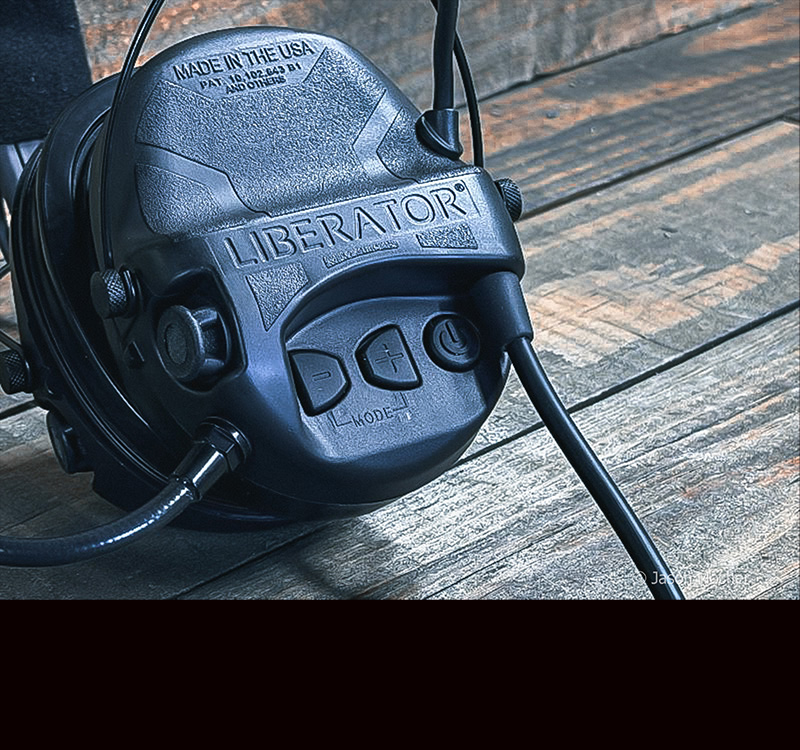
Operating the Liberator IV is easy to do, in part because of the larger buttons on the side of the earmuffs. Even when you are wearing gloves or under stress, they are easy to find. All the controls are located on the left side of the earcup.
Power and Settings
To turn the headset on, just press and hold the power button for a couple of seconds. Once active, you can cycle through the different audio profiles. The headset will provide a voice prompt or a series of beeps to let you know which mode you have selected. You can also adjust the volume of the ambient sound using these settings. This allows you to hear normal sounds while still being protected from loud noises.
Changing the Batteries
The battery compartment is easy to access in the field if you need to swap out batteries. If you are using AAA batteries, they slide into the designated slots. If you prefer the longer-lasting CR123, the compartment is designed to accommodate that specific size as well. Safariland recommends removing the batteries if you plan to store the headset for a long period. This prevents any potential leaks from ruining the high-end circuitry inside the earcups.
Comfort and Fit
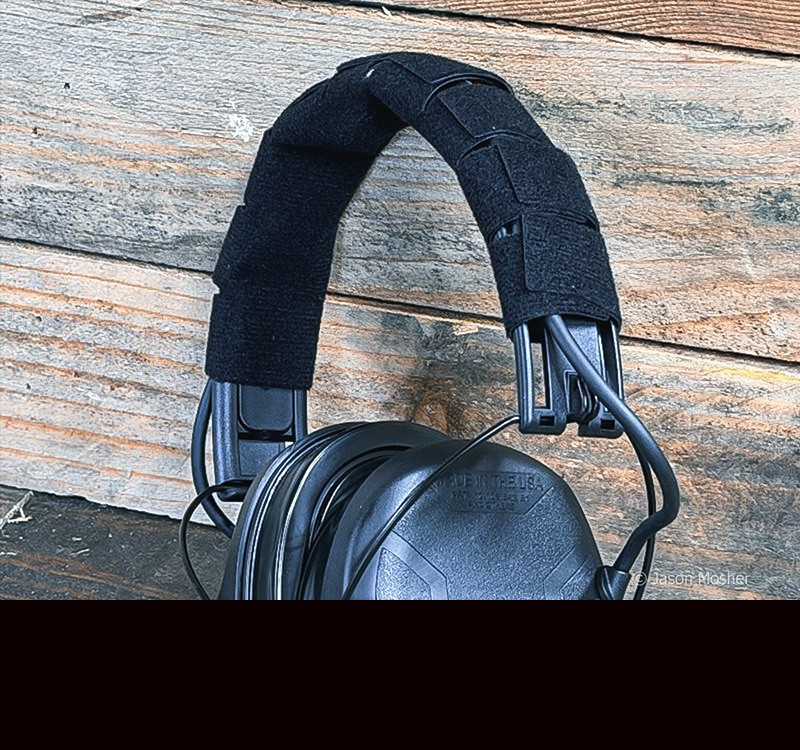
The headset is modular, meaning you can swap between an over-the-head band or helmet-mount attachments. The gel ear seals provide a fantastic seal, even if you are wearing eye protection. This makes sure the NRR remains high, and the headset stays comfortable during a full day at the range.
Connecting the Liberator IV Headset to Comms
While the hearing protection is great, the “Comm” in the name is why you really want this headset. To make it work, you need to connect it to a radio. The specific model I use has a standard NATO plug, also known as a Nexus TP-120 or U-174 plug.
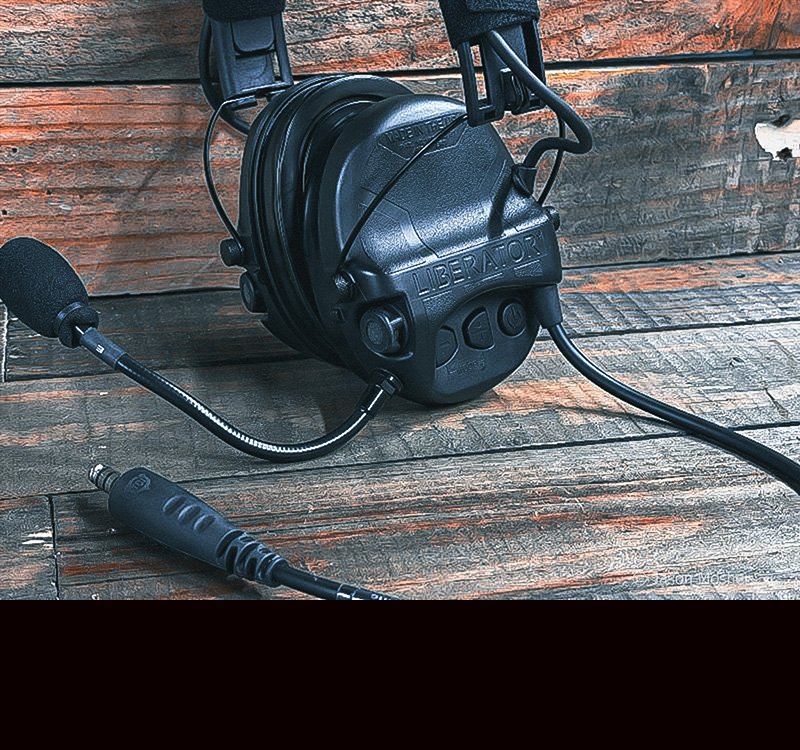
The NATO plug is the military standard for tactical headsets. It is a thick, four-conductor jack designed to be incredibly rugged. But there is a catch for civilian users. Military (NATO) wiring is physically different from the wiring used in most civilian or law enforcement radios. Even though the plug might fit into a Push-to-Talk (PTT) device, the internal pins are mapped differently. In a NATO-wired set, the microphone and speaker wires are in different positions compared to a standard civilian-wired headset.
Making the Connection
If you try to plug a NATO-wired headset directly into a civilian PTT, you will likely get no audio or a microphone that refuses to transmit. To solve this, I use a specific setup for my Baofeng UV-5R radio. The Baofeng uses a standard two-pin Kenwood-style connector.
To bridge the gap, I purchased an adapter that sits between the headset wire and the PTT unit. This adapter is basically a “wiring reverser.” It takes the NATO-mapped signals from the headset and swaps the pins so they match the civilian-mapped input of the PTT. With this, I can use a high-end military headset with a budget-friendly Baofeng radio. This setup gives me the best of both worlds: professional audio and hearing protection with an accessible radio system.
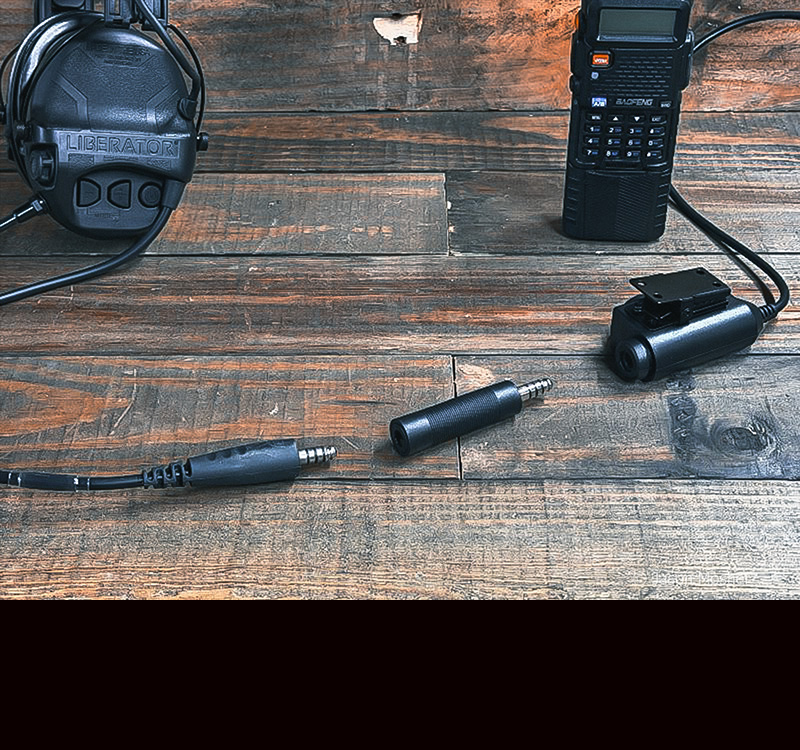
If you want to spend a little more, you can purchase a NATO wired PTT and connect it to a compatible radio. Safariland also sells PTT’s that work with their headsets, so that may be the best option for someone not using a “budget” system.
Once you have a PTT that works with the NATO wring, you are ready to go. You can hear radio communication, conversations around you, and block out loud noises. Just press the button on the side of the PTT to talk to others.
Final Thoughts on the Liberator IV Advanced Comms Headset
You would be surprised how nice it is for everyone at the range to have a communications system. When you can clearly hear someone talking regardless of where they are on the range, it’s like night and day.
But beyond range use, the Liberator IV Advanced Comms headset is great for hunting, airsoft games/training, and more. You can even use them for large public events where you need to be hands-free while maintaining communications.
A good communications headset can be a little pricey, but it’s worth the money when they are protecting your ears and letting you hear those around you. Not just by sound amplification, but on the radio as well.