
When it came time to select a rifle for my African safari in 2018, I knew I wanted something custom. I had hunted with off-the-rack rifles before, but I wanted to treat myself to something I’d never part with.
I had previously spoken to GUNSITE instructor, retired USMC Colonel, and Owner of Robar, Freddie Blish, who offered the services of his company, and I couldn’t resist. I had owned Robar-finished firearms in the past, and I knew they made some custom firearms from my days of reading the magazine American Survival Guide in my teens.
The Robar Precision Hunter was a custom-built rifle in their catalog, utilizing the best components and tuned for extreme accuracy. With the end product in mind, I started my deep dive, reading specs and surfing the web for the components. This rifle would become my finest and most prized long gun.
The Build Process
As a magazine writer and someone who has been in the firearms industry for years, I started reaching out to contacts at various companies. I was able to secure a magnum action Remington 700 receiver, McMillan custom stock, and Badger Ordnance base and rings.
Freddie Blish sourced the smaller parts, including the Lilja barrel, recoil lug, and treated certain parts with NP3 finish and others with Roguard. Freddie provided me with updates as the rifle was in various stages of production, and his communication was great, always checking in with me and asking my thoughts on any possible alternative configuration or setup.
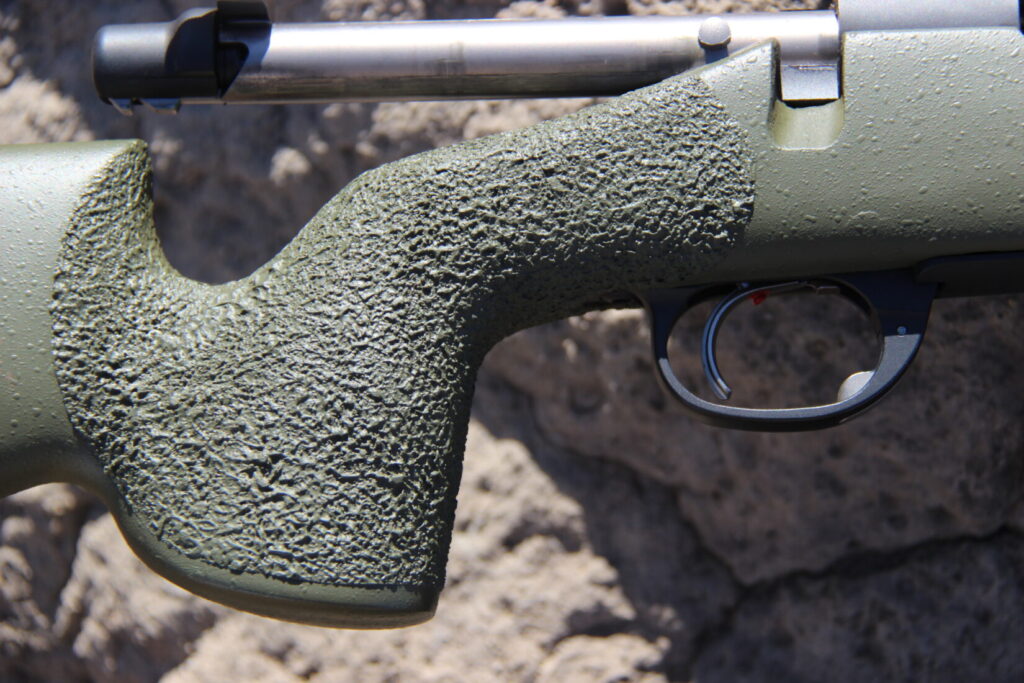
The rifle was pillar bedded, the stock was given the Robar texture treatment, and it was eventually test-fired with multiple types of ammunition, with a target provided for each.
The Details
What makes this rifle unique is that it was custom-built for me. I could never find another like it, as there aren’t many Robar custom Remington 700 actions in .300 Win Mag out in the world.
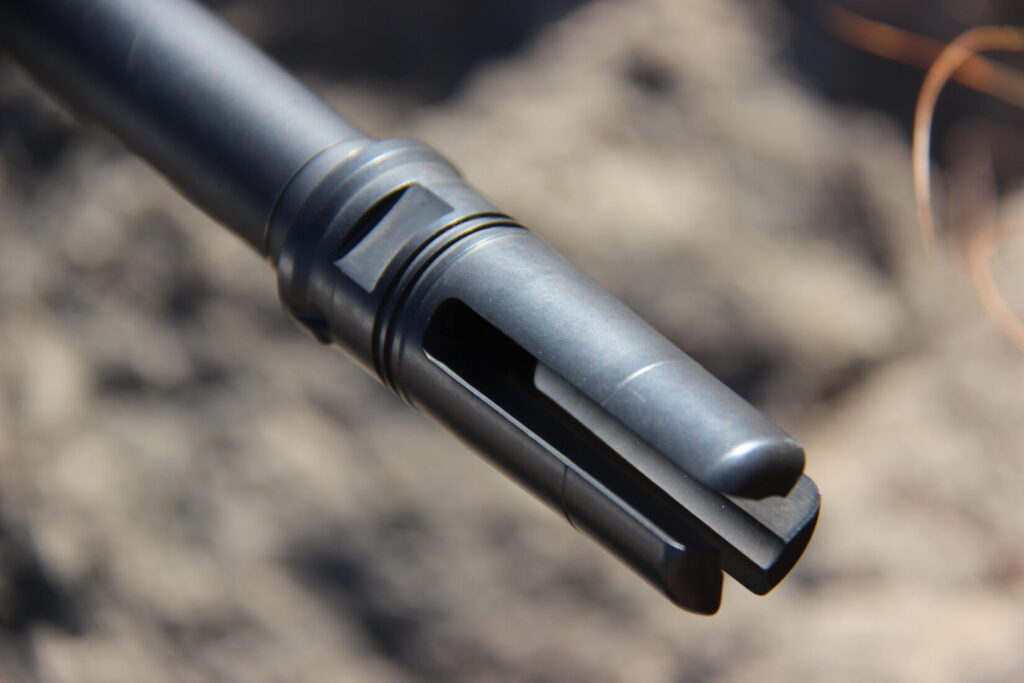
Starting at the muzzle, the rifle has a Surefire 7.62 three-prong flash hider for use with the Surefire 7.62 SOCOM suppressor. The Lilja sporter profile barrel is 24 inches long with a 1:10 twist. I didn’t want to shy away from a longer barrel to get the most burn from the magnum rifle cartridge.
The stock is a McMillan Game Scout that has a very similar feel to the precision-scoped rifle I learned on. It has a Pachmayr recoil pad and QD sling cups. There is also a standard sling stud on the forend that I’ve replaced with a Spartan Precision Adapter.
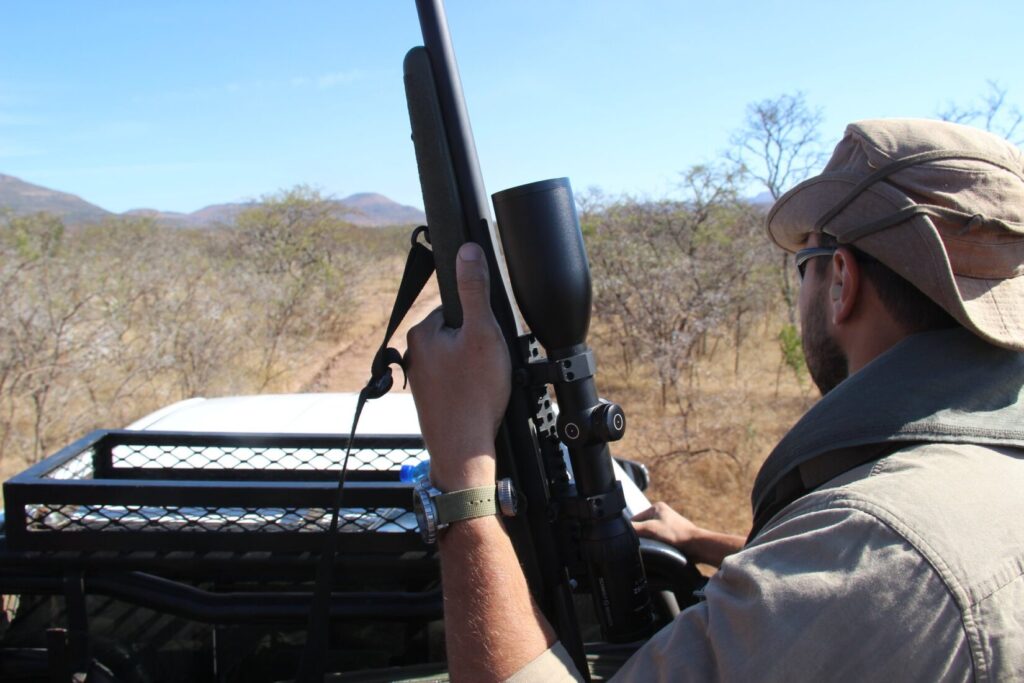
The trigger has been overhauled by Robar, and the bolt has been given an NP3 finish. NP3 is slick, and the bolt on this rifle is smooth as silk. For optics, the rifle wears a Schmidt & Bender 3-12x50mm Zenith in a set of 306-20 Badger Ordnance rings and a Picatinny rail base.
Use in the Field
Before taking this rifle to Africa, I took it to the SIG Sauer Academy to test-fire it. Once I was confident the rifle could hit paper at 100 yards, I then proceeded with the paperwork to travel out of the country with it. This involved going to my local airport and filing paperwork with Customs and Immigration.
After a nearly 24-hour flight from JFK Airport in New York City to Johannesburg, South Africa, I had representatives from PHASA (Professional Hunters Association of South Africa) help me register it at the airport. It was interesting to see the record-keeping ledger was only a worn paper notebook.
When all was done, I met with my friends and PH and left for the field. The last thing I had to do before my first hunt was a test fire to make sure it could hit an approximate dinner plate at 50 yards.
Once in Africa, the rifle came into its own. I traveled to Africa with two friends on a management hunt where we helped cull animal populations and then delivered game meat to the Amasango Career School. This was set up by Russ Field Safaris, and he served as our guide through the bush.
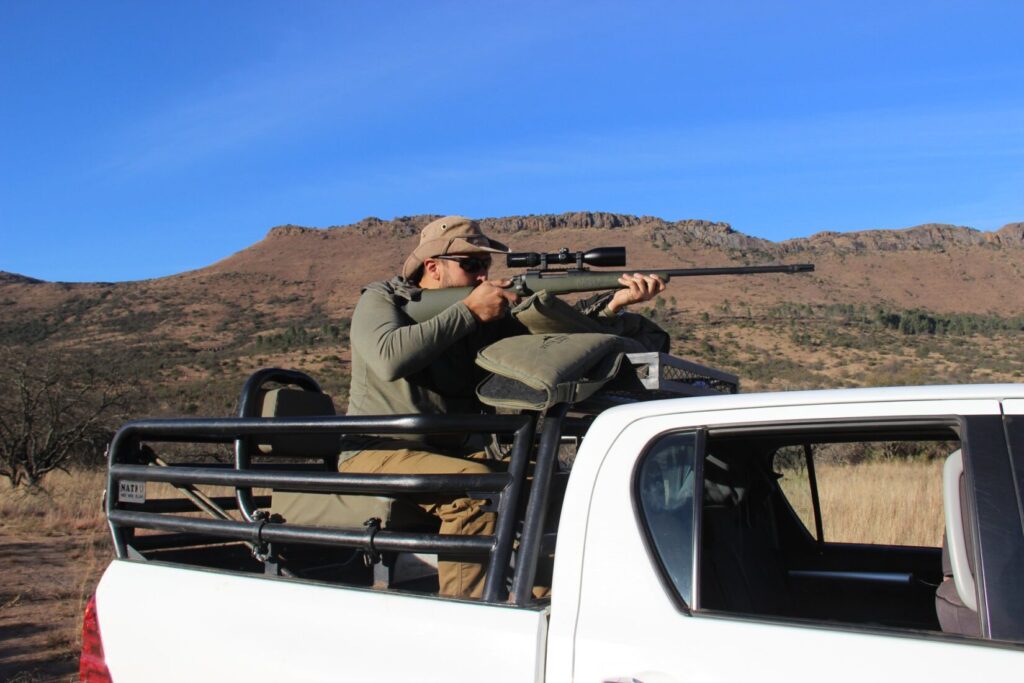
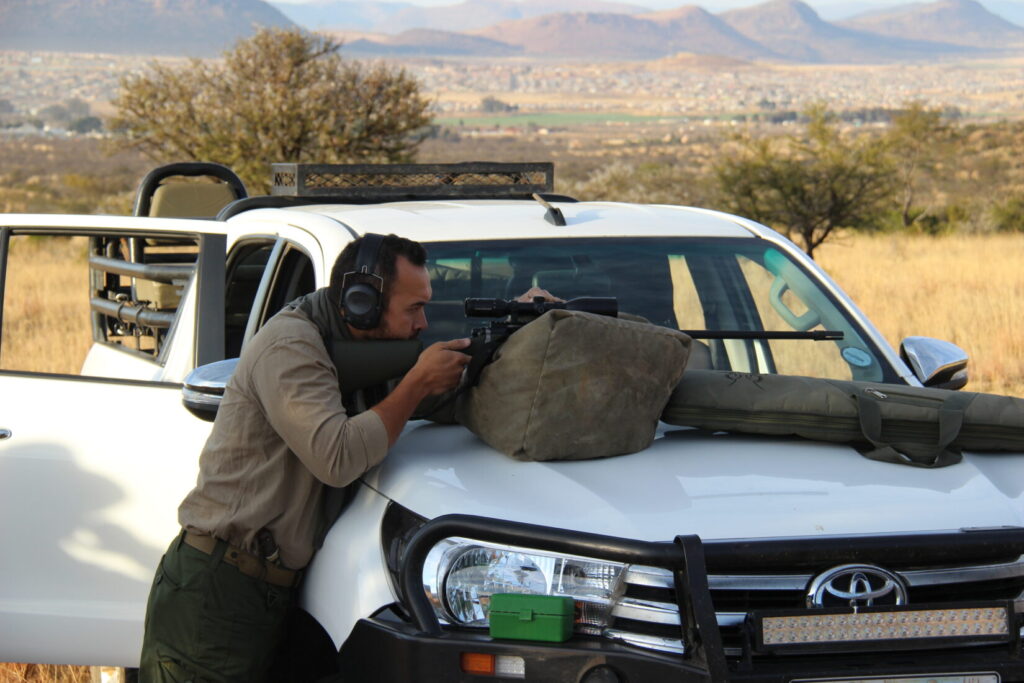
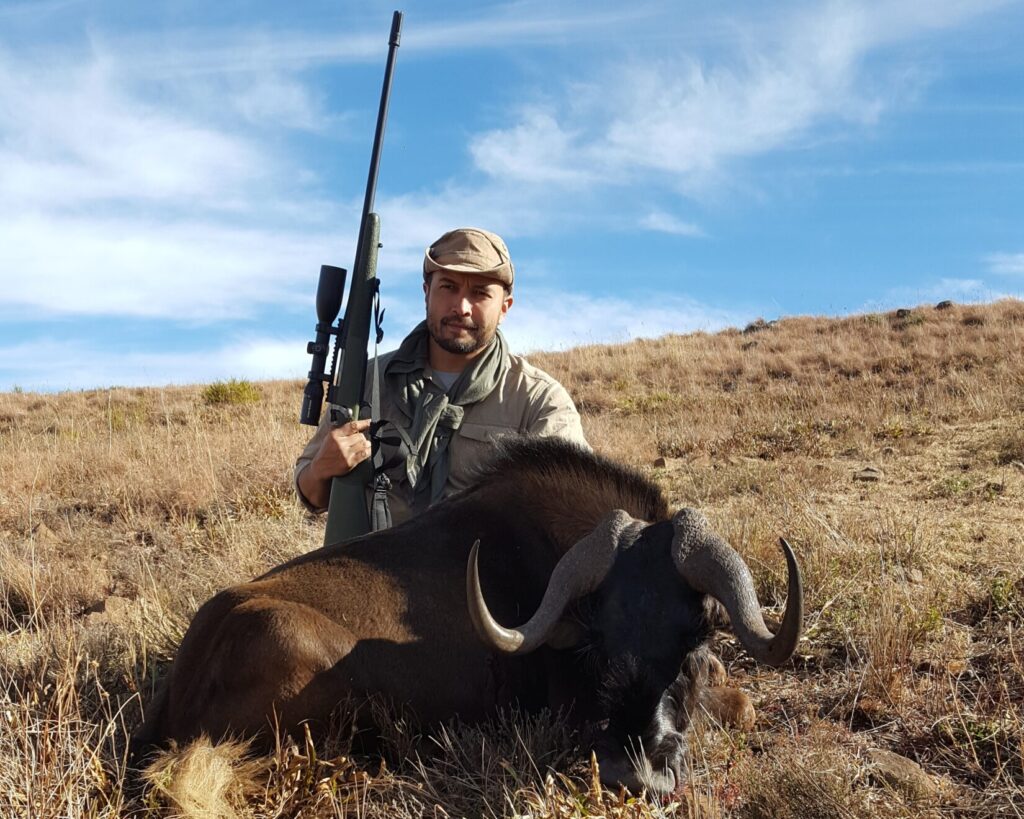
During the week in Africa, that rifle took three blesbuck, four impala, two wildebeest, and six warthog. The rifle was dubbed “the cannon” by the local guides. The magazine stayed loaded with the chamber empty the entire time. I shot off of improvised rests, the roof of the safari truck, and off-hand in various environments. Most shots were hasty, and when rounds connected, the animals never ran far, and most dropped where they stood.
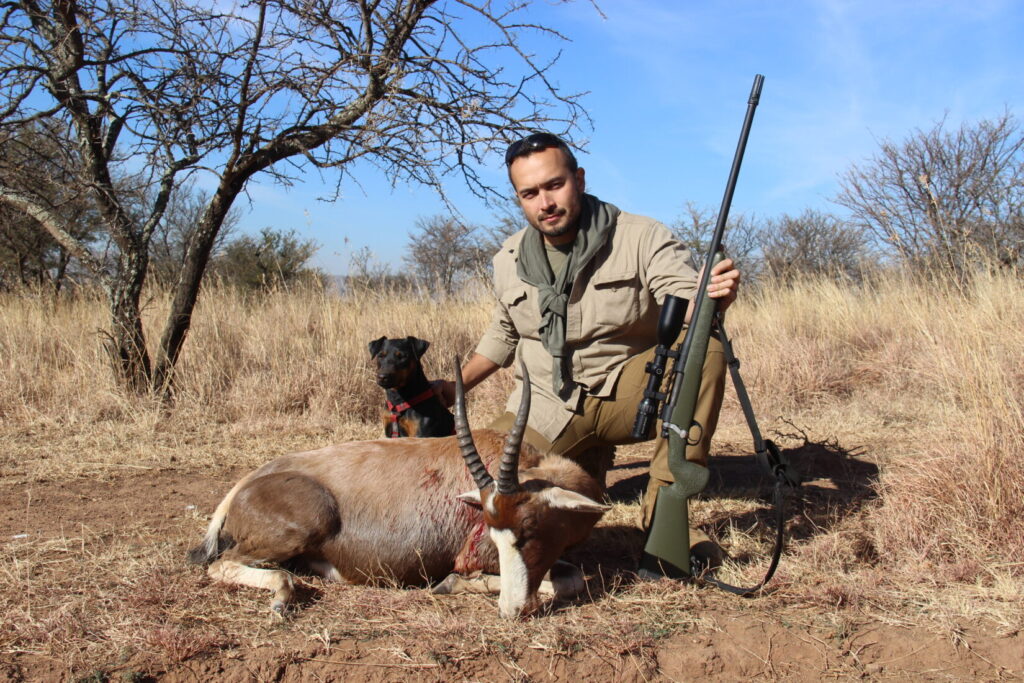
From running shots on warthogs to multiple animals taken on what was dubbed the “blesbuck blitz,” that rifle was lethal. We consumed tenderloins from the animals we hunted at the braai (South African grill), and the experiences from this hunt made me immediately start thinking of the next thing I wanted to do in Africa.
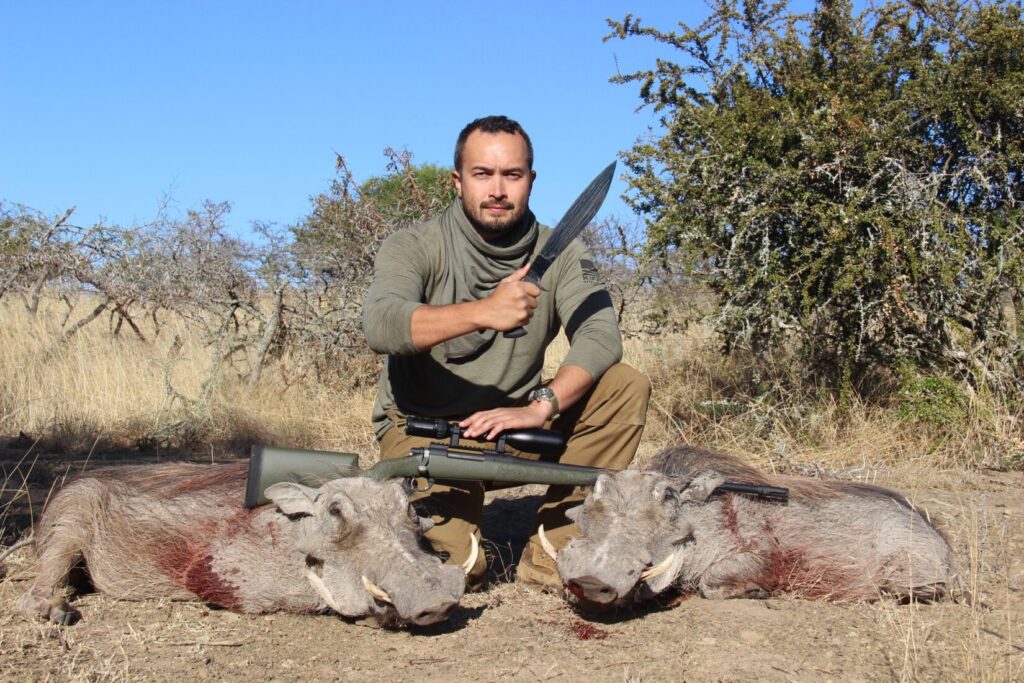
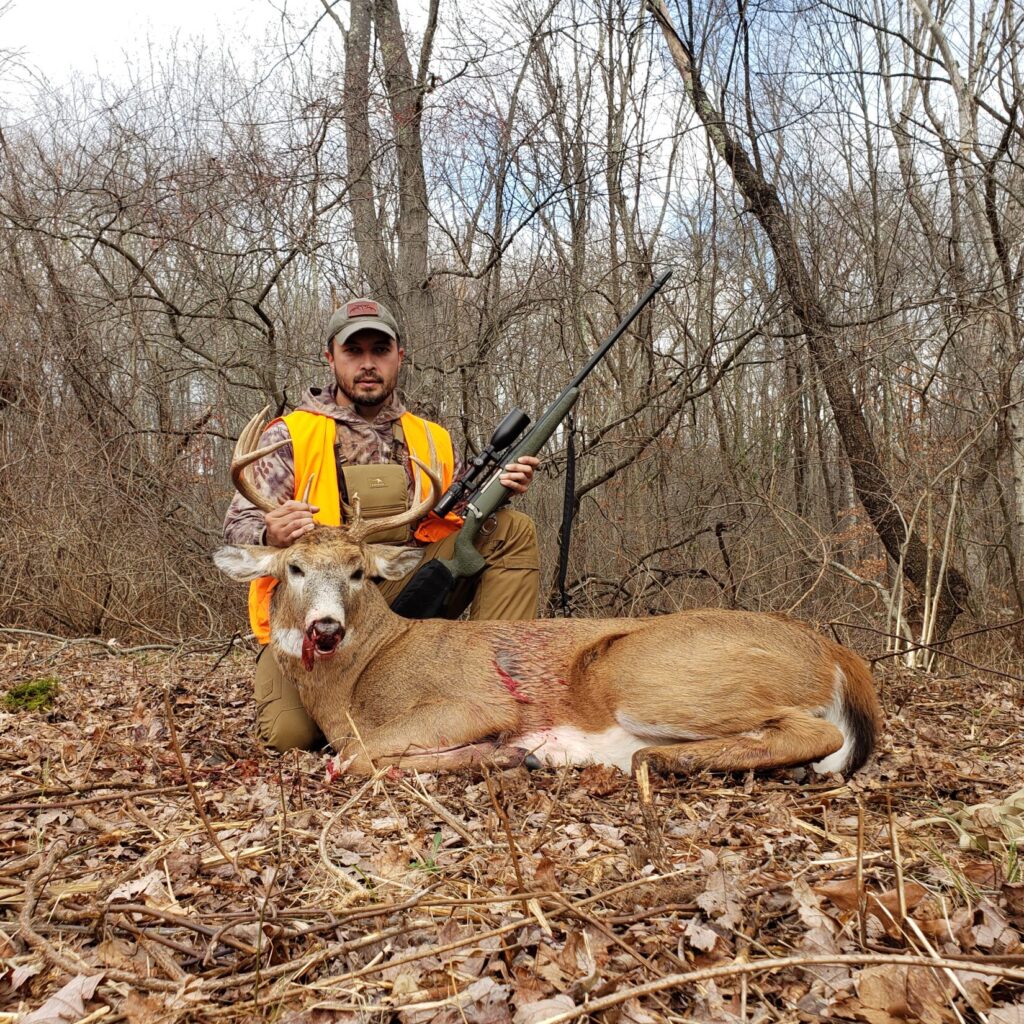
Upon returning from South Africa, that rifle was used for multiple whitetail deer hunts in Connecticut. Prior to moving to Utah, I used the Robar Precision Hunting rifle to take my largest deer off the hunting property I frequent. That 10-point, dressed out, still came in at 191 pounds.
One rifle, two continents, I would love to take it to a third and add to my rifle logbook that is already incredibly interesting.
Over the Years
There is something about a rifle that was built from the ground up for me. If I had to do it all over again, I wouldn’t change anything about that rifle.
I’ve added a buttstock ammo pouch to help with cheek weld, and I like the way I am able to store spare ammunition in the pouch. A bonus to carrying spare ammunition in that location is moving the balance point and offsetting the weight of that 24-inch barrel. I have also added a Short-Action Precision 2-round carrier on the right-hand side of the receiver for quick emergency reloads.
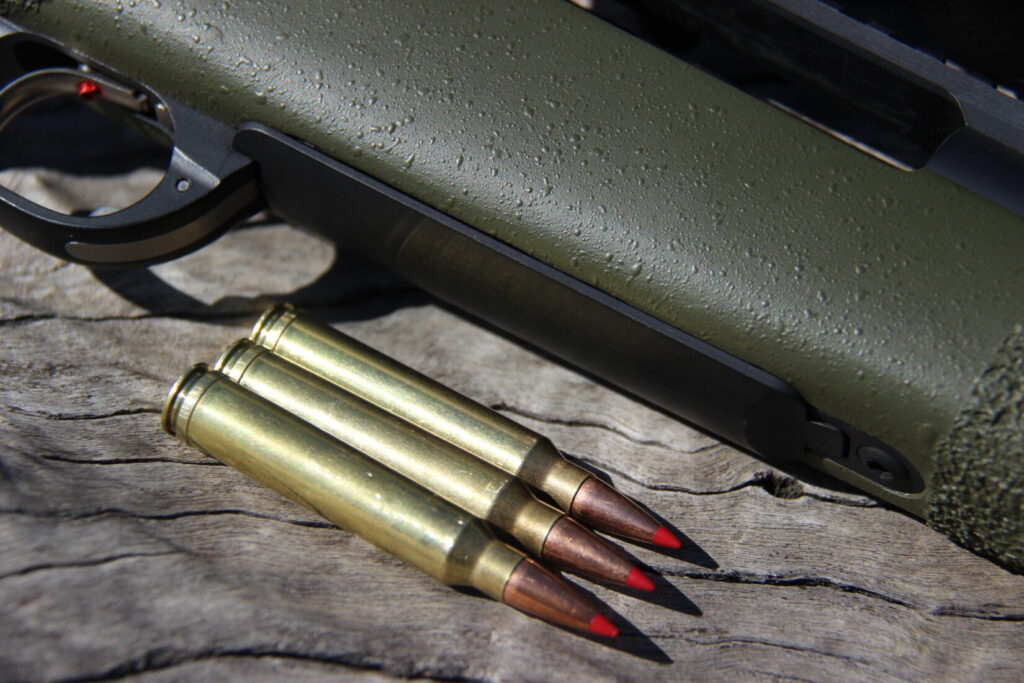
I’ve found the most accurate round out of the Robar is Hornady ELD-X Precision Hunter. The muzzle velocity of that round is 2897.2 feet per second, and zeroed 1 inch low at 50 yards puts me in the bullseye at 200 yards. I’ve tested it with others, but this round is what I’ve since stockpiled and will reach for whenever I go hunting stateside.
I’ve never used a more capable rifle than that Robar Precision Hunting rifle. Even though I never plan on using it past 500 yards, I’ve stretched that rifle out to 980 on a friend’s property.
The optic isn’t equipped with a modern precision-scoped rifle reticle, and to hit the man-sized steel at that distance, I had to use Kentucky windage and hold the target at the bottom of the heavy duplex. With the help of a spotter, I walked it into the steel with only three shots and hit that steel three times in a row before calling it a day with a smile on my face.
This rifle and I have history, and it is one I know inside and out. Unlike rifles taken off the rack at your local store, this one is easily identifiable in a lineup, and it is the physical manifestation of my preferences.
With the closing of Robar, this rifle could never be made again. It is invaluable in my opinion, for the fact that it shares so much history with me. Every firearm has a story, and the tales of the gun are worth sharing around a campfire, in the lodge, or on the Safariland Cadre Dispatch Blog.