
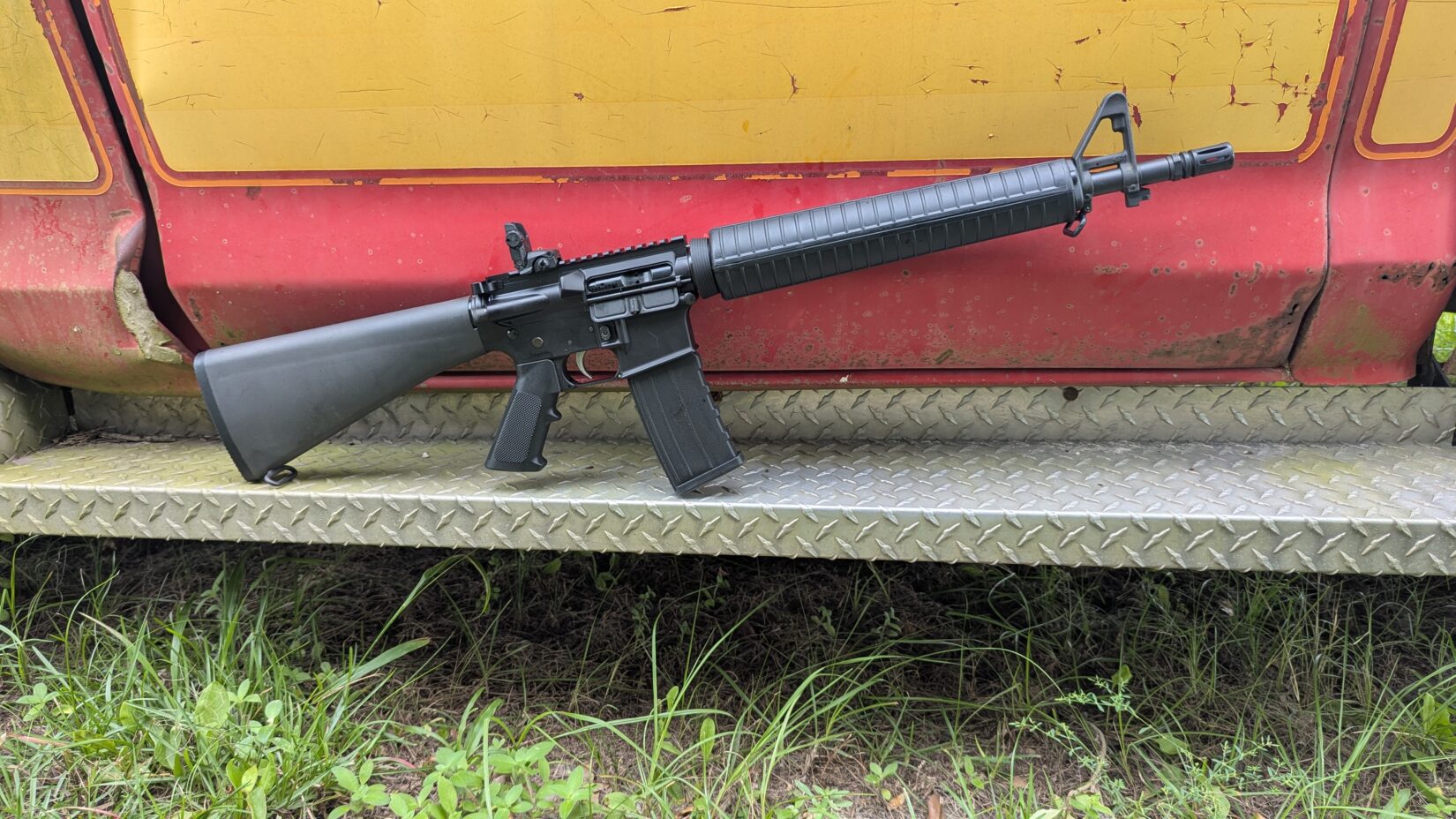
What I love about the AR is that I can find practically any configuration of it. You can get almost any barrel length, caliber, gas system, and more. One configuration that’s always captured my attention is the Dissipator.
The concept predates the gun industry calling it a Dissipator. The original Dissipator was called the Colt 605, which Colt developed in response to troops wanting a shorter carbine in the jungles of Vietnam.
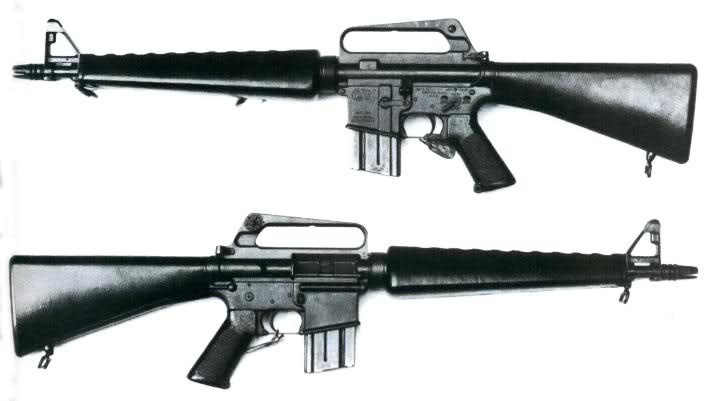
The M16 famously features a 20-inch barrel. In that era, it was a light and handy rifle, but not light and handy enough. Colt took the simplest route possible. They cut the barrel at the front sight, threaded it, and tossed on a flash hider.
The barrel length was reduced to 15 inches, which is about as short as it could go with the front sight gas block design. Some reportedly went to Vietnam, but they proved unreliable. The shorter barrel resulted in less dwell time, which affected reliability, and the idea was shelved.

The Return of the Dissipator
Way back when, Bushmaster produced a variety of AR platform rifles. One of those rifles featured the general idea of the Colt 605. The difference was that the barrel length was 16 inches to avoid an NFA designation.
The name Dissipator came from Bushmaster, but wasn’t necessarily a reference to this design. It was a term they used to describe their handguards. The handguard “dissipated” heat, and it wasn’t just used on this Colt 605-inspired rifle.
However, the name stuck, and now, when someone says Dissipator, what most people picture is a 16-inch-barreled carbine with a rifle-length gas system.
Traditionally, shorter-barreled carbines used a shorter gas system to ensure total reliability. A carbine would use a shorter carbine-length gas system, or potentially a mid-length one these days.
If you were to shop for a Dissipator these days, you’ll likely find a lot of “faux” models. They are rifles that look like Dissipators, but use a mid-length gas system. For the longest time, the only companies producing true Dissipators were Del-Ton and Anderson, but Del-Ton has recently closed its doors.
Fixing the Problem
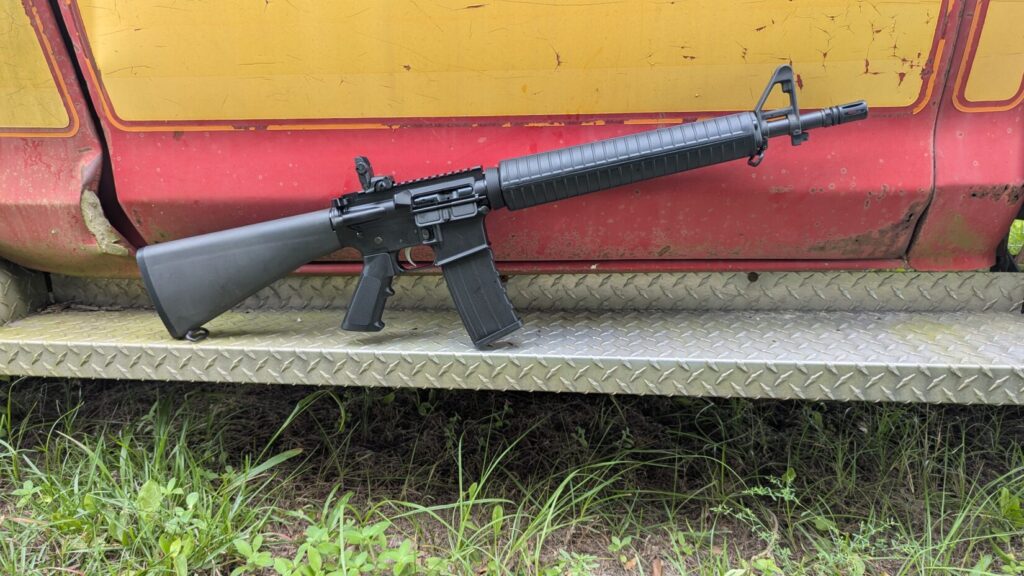
If Colt couldn’t figure it out, why do Dissipators still exist? It turns out you can make a reliable 16-inch carbine with a rifle-length gas system. You do have to use a larger gas port to feed the gun more gas to solve the dwell time issue.
This solved the problem, but it was too little and too late for much military use. We had the various CAR-15s and then the M4, and they weren’t going to swing in another direction so late in the game. While the traditional Dissipator might be a rifle-length gas system and a 16-inch barrel, it doesn’t mean that’s the only option.
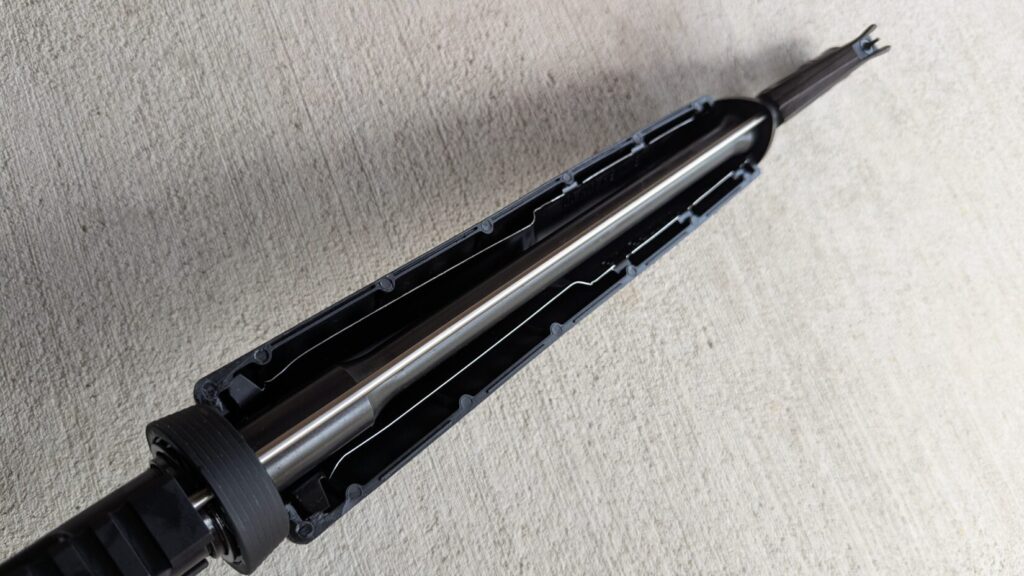
In the modern world, someone could take something like a 12.5 or 11.5-inch barrel and add a mid-length gas system.
You could have a short, handy carbine with a longer gas system and all the benefits of a longer gas system. However, unlike the traditional Dissipator, this hasn’t been done extensively, and we don’t have a blueprint listing the right mix of gas port size, buffer weight, and buffer spring to gain the reliability necessary for serious use.
The Benefits of a Dissipator
Back in the day, the Dissipator had numerous advantages over traditional AR carbines. One of the big ones was a considerably longer eye relief. Longer eye relief makes it easier to shoot accurately, but it isn’t a real advantage in an era of optics.
Additionally, people used to love the longer handguard, and in the era when the Dissipator was introduced, M4 handguards were incredibly small. However, the modern era has introduced longer handguards as a whole.
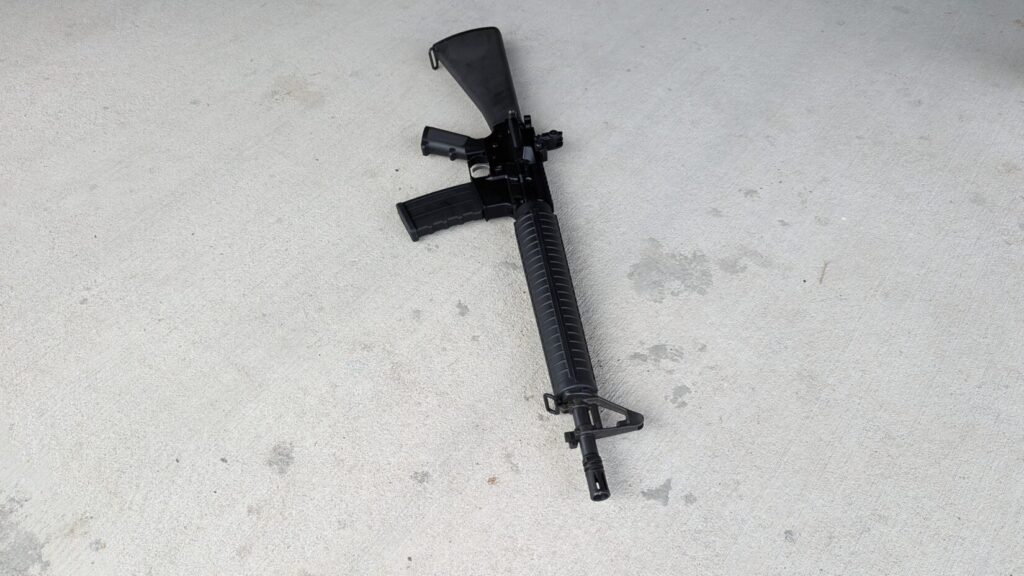
The real benefit of a Dissipator is less recoil and a smoother recoil impulse. Less recoil is always beneficial, and so many shooters have never had the opportunity to experience the smoothness of an AR behind a rifle-length gas system.

The longer gas system can also reduce the gas taken to the face when you suppress an AR. Gas to the face and eyes sucks, so I appreciate being able to eliminate that issue. These same benefits could translate to a more modern, shorter Dissipator design, like an 11.5-inch barrel AR with a mid-length gas system.
Downsides of the Dissipator
As mentioned, the original Colt 605 guns had some issues, but those were mostly ironed out. Mostly. If we were to look at reliability as a whole, the Dissipator would not be as reliable as a standard mid-length or carbine gas system rifle.
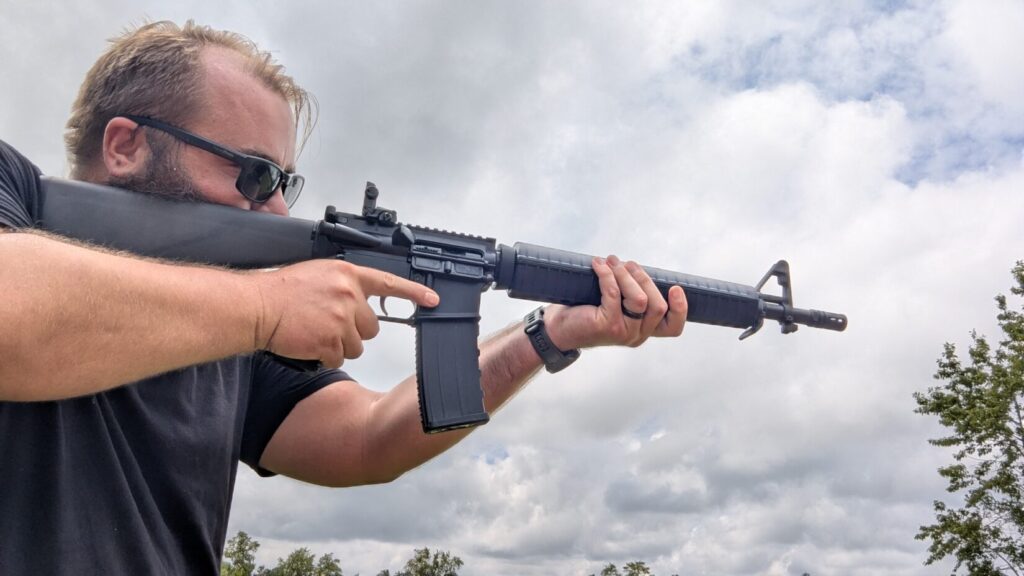
For example, a Dissipator might not cycle steel-cased 5.56 very well because the steel-cased ammo results in less velocity due to the lack of a good gas seal. Brass-cased ammo expands temporarily and gives a boost to velocity; steel-cased ammo does not expand to provide that same seal.
A properly made dissipator will function with most standard 5.56 NATO loads. Those tend to be high-pressure enough to always reliably function in a traditional Dissipator. If we get into a modern Dissipator, we need a larger-than-average gas port to ensure the gun reliably cycles. If I were going with an 11.5-inch barrel with a mid-length gas system, maybe I’d go as large as .115.
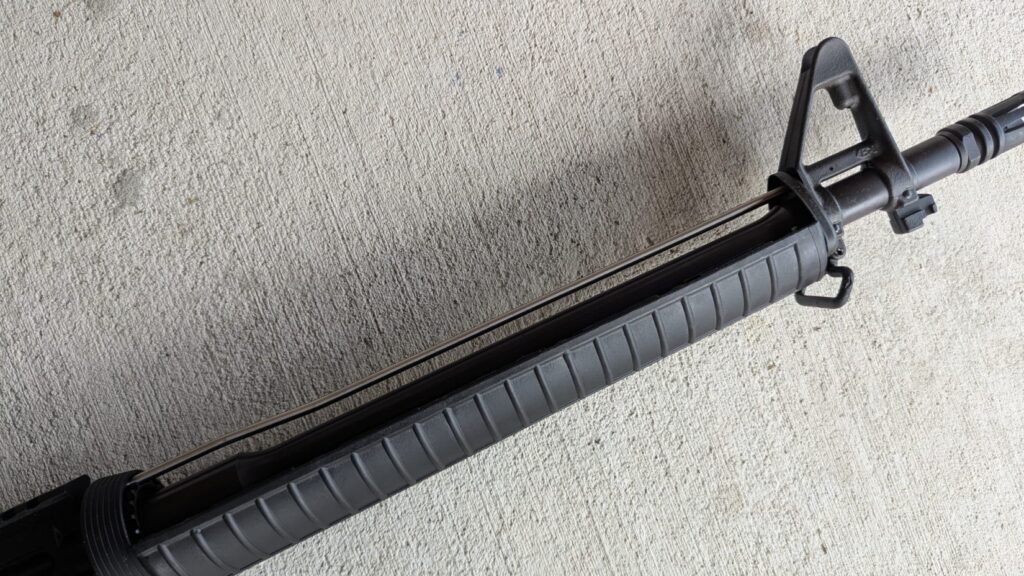
Additionally, that 11.5-inch gun will probably run best when used suppressed. This theoretical modern Dissipator might only work suppressed. If you are looking for a suppressed, short-barreled design, a super short Dissipator could be one of the most comfortable shooting suppressed platforms, making it a hell of a duty gun.
Getting Dissy With It
Dissipators don’t get the respect they deserve. My Anderson is a seriously smooth shooter and just downright enjoyable as a firearm. It’s almost as smooth as a traditional rifle-length gun without the extra four inches of barrel sticking out.
Anderson was never known for their high-quality guns, but sadly, they were the only ones producing a factory Dissipator in any kind of numbers. It’s not a bad rifle. However, it has me thinking that the modern, even shorter Dissipator could be an excellent duty rifle.
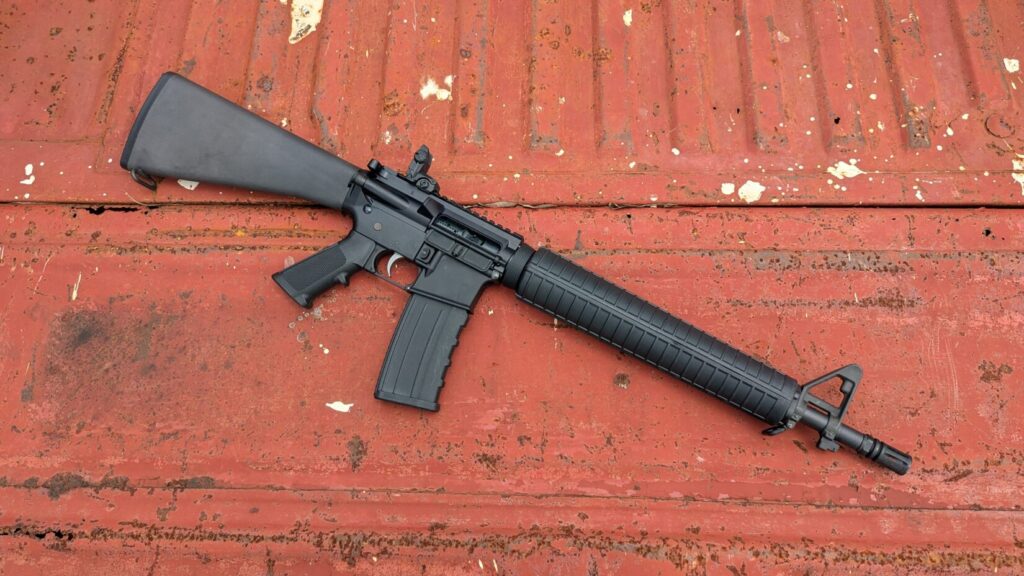
It’s small and light, integrates a suppressor well, and has reduced recoil compared to other guns. Even a traditional Dissipator in its larger format could be an excellent duty rifle. While the military won’t adopt the Dissipator or a similar design, it could be an outstanding rifle for home defense and in a patrol car.