
As the United States marks its 250th anniversary, one of the most enduring features of its global presence is the role played by its military. What began as a modest force designed to defend a young republic has evolved into a complex institution that shapes international security, reassures allies, and supports a rules-based global system.
While the U.S. military is often associated with combat operations, its influence extends far beyond warfighting. Through alliances, forward presence, deterrence, and a wide range of non-combat missions, it has become a central pillar of global stability.
Building a Global Network of Alliances
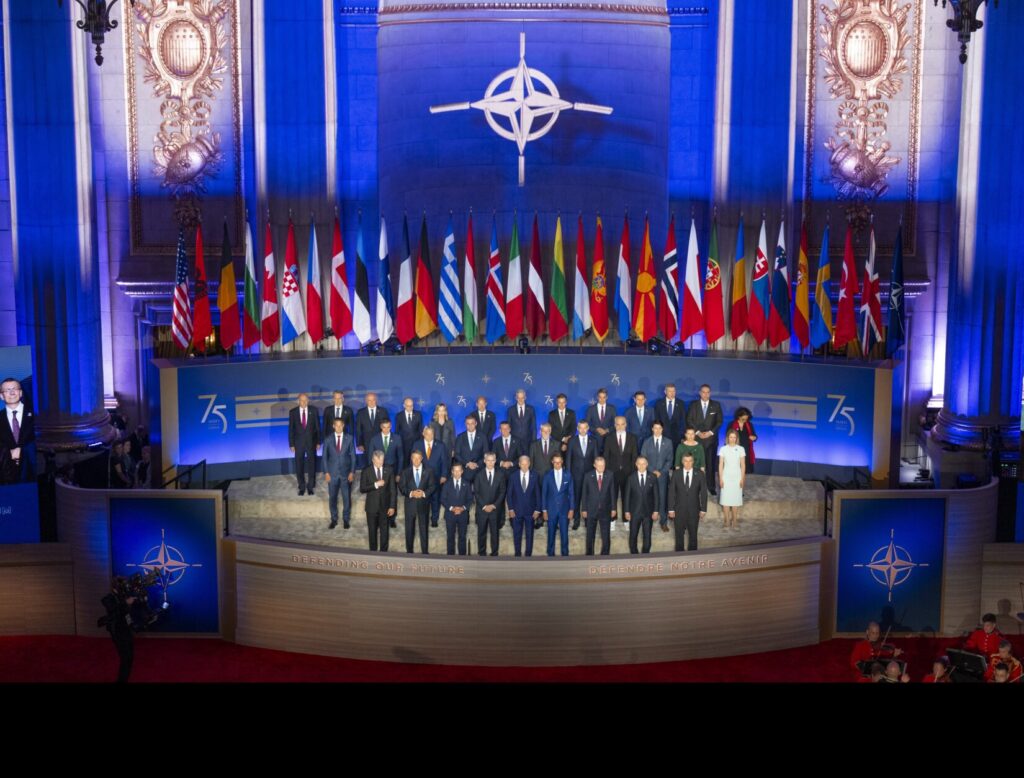
The modern U.S. military’s stabilizing role took shape after World War II. American leaders concluded that preventing another global conflict required more than temporary coalitions. It required permanent alliances that linked the security of the United States with that of partners in Europe and Asia. The North Atlantic Treaty Organization became the most prominent example. It created a collective defense structure that discouraged aggression and helped integrate former adversaries into a cooperative security framework.
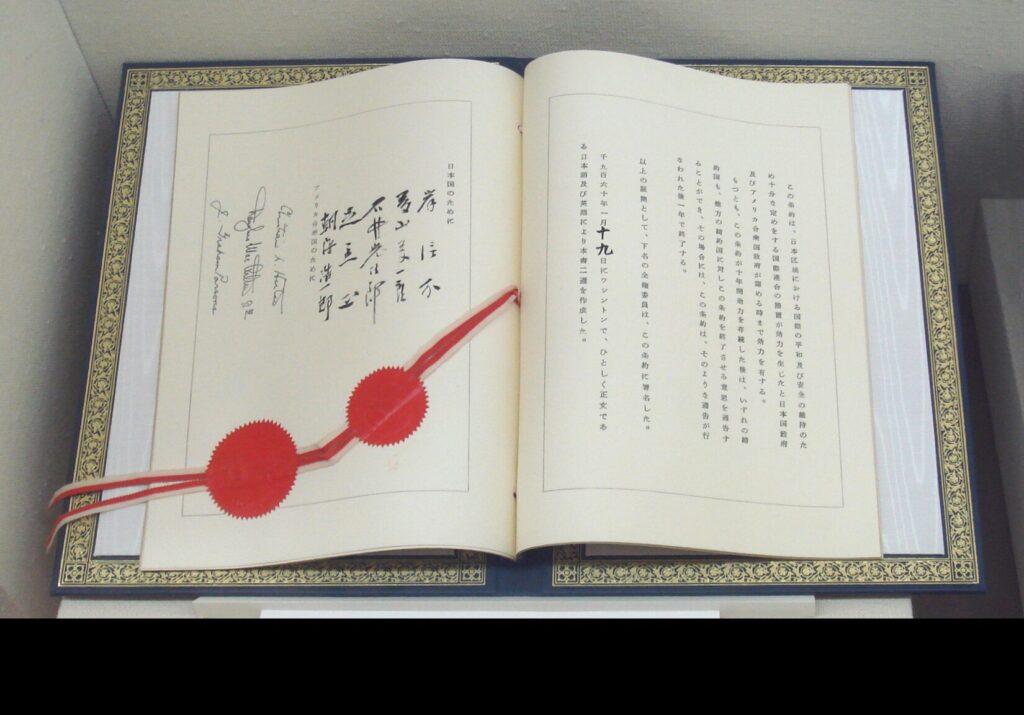
In Asia, the United States pursued a series of bilateral defense treaties with Japan, South Korea, Australia, the Philippines, and Thailand. These agreements were designed to deter regional conflict and provide a foundation for long-term stability. Over time, they also supported economic growth by reducing the risk of war in regions critical to global trade.
These alliances did more than bind nations together on paper. They created habits of cooperation through joint training, shared planning, and interoperable military systems. The result was a network of partners capable of responding collectively to crises. This network remains one of the most significant sources of stability in the international system.
Forward Deployed Forces and the Logic of Presence
A defining feature of U.S. strategy has been the decision to station forces abroad. Forward-deployed troops in Europe, Asia, and the Middle East serve several purposes. Their presence signals commitment to allies, complicates the calculations of potential aggressors, and allows for rapid response to emerging threats.
In Europe, U.S. forces helped deter Soviet expansion during the Cold War and continue to reassure NATO members today. In Asia, the presence of American troops in Japan and South Korea has been a cornerstone of regional security for decades. These forces provide visible proof that the United States is prepared to defend its partners, which reduces the likelihood of miscalculation.
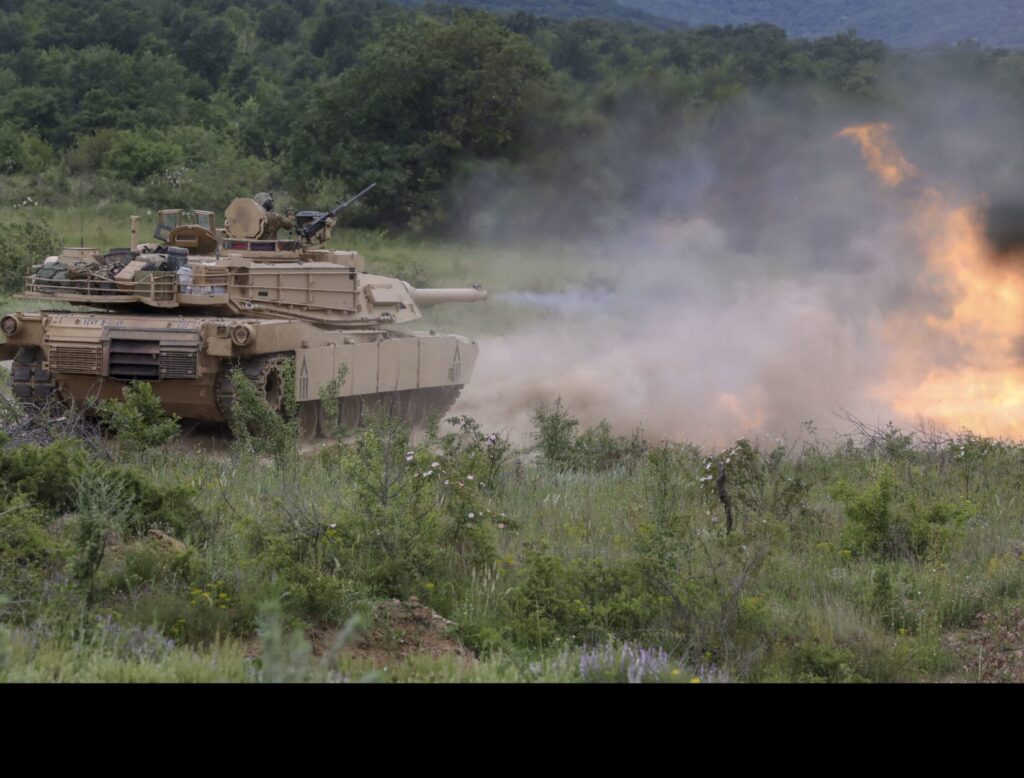
Forward presence also supports global mobility. Bases and logistics hubs allow the U.S. military to respond quickly to natural disasters, humanitarian crises, and conflicts far from American shores. This ability to project power and assistance has become a defining characteristic of U.S. global engagement.
Deterrence and the Prevention of Major Conflict
Deterrence has been central to U.S. strategy since the dawn of the nuclear age. The United States maintains a triad of nuclear forces designed to ensure that no adversary can launch a nuclear attack without facing unacceptable consequences. This posture has contributed to the absence of a great power war for more than seven decades.
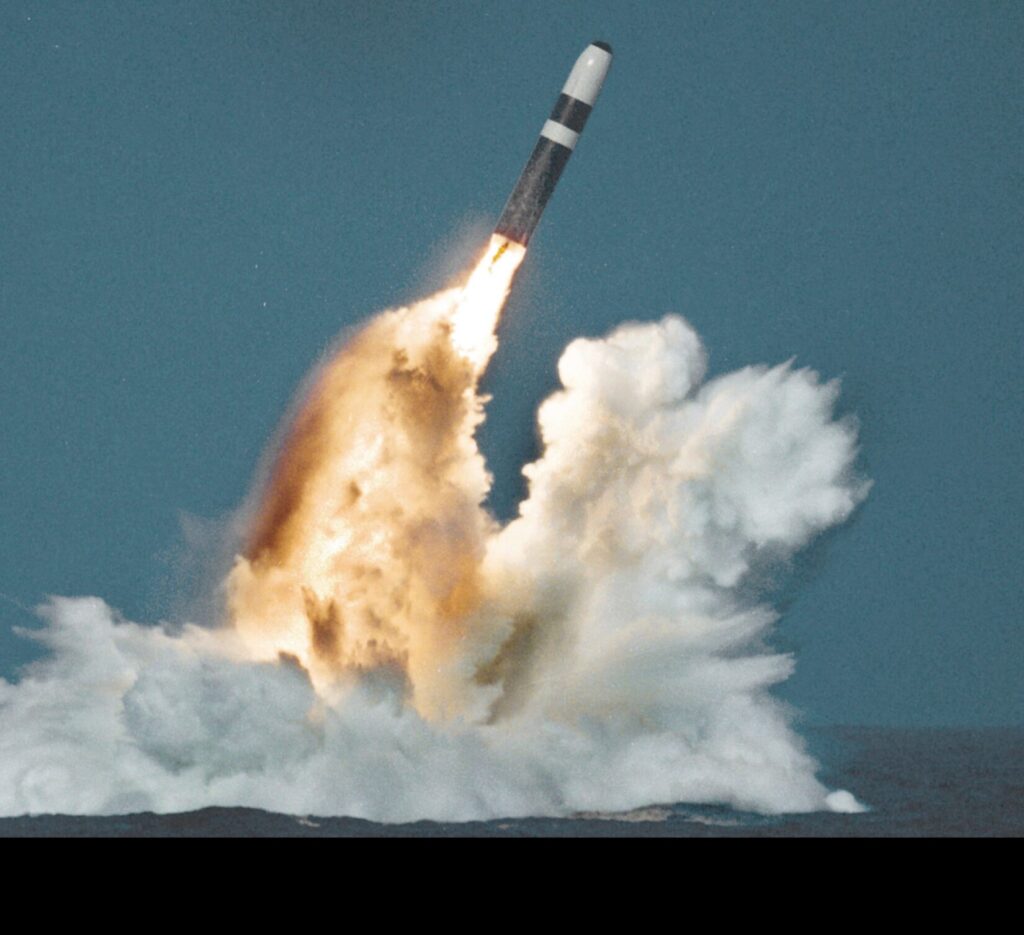
Conventional deterrence is equally important. The U.S. military’s advanced capabilities, combined with its alliance commitments, help discourage aggression in key regions. Deterrence is not simply about possessing military strength. It is about demonstrating the will and ability to use that strength if necessary. Through exercises, patrols, and visible presence, the United States signals its readiness to uphold international norms and protect its interests.
Foreign Internal Defense and the Quiet Work of Stability
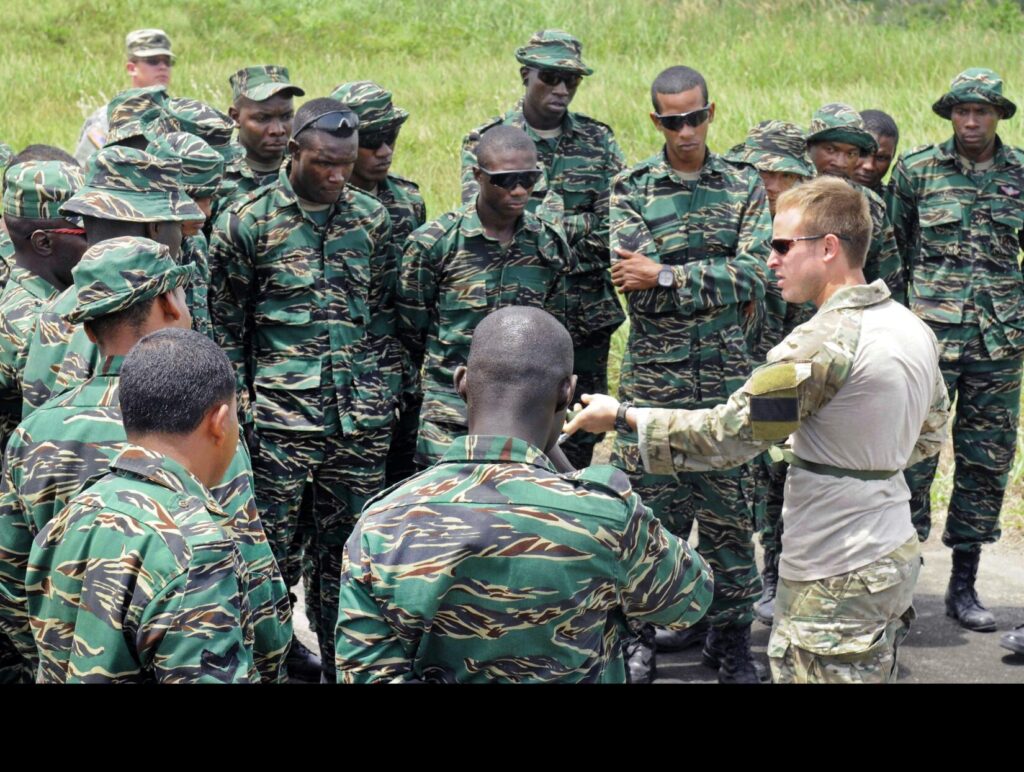
One of the least understood aspects of U.S. military activity is Foreign Internal Defense (FID). This mission involves training and advising partner nations to strengthen their own security forces. The goal is to help governments counter insurgencies, criminal networks, and extremist groups without requiring large-scale U.S. intervention.
FID has been employed in Latin America, Africa, the Middle East, and Southeast Asia. It often takes place far from public attention, yet it has significant impact. By improving the capabilities of partner forces, the United States helps reduce instability that could spill across borders or require future military action. This approach reflects a broader shift toward enabling partners rather than acting alone.
Humanitarian Assistance and Disaster Relief
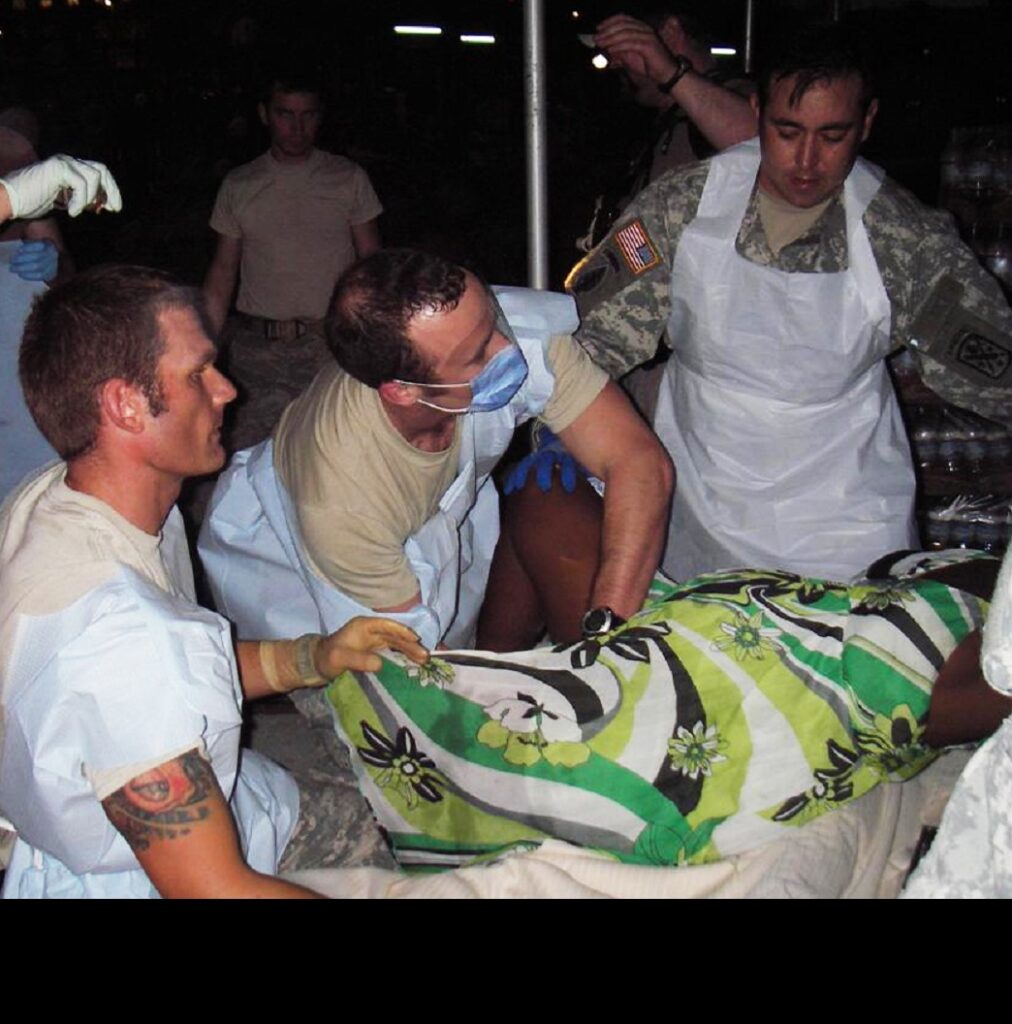
The U.S. military is frequently one of the first organizations to respond when natural disasters strike. Its global logistics network, airlift capacity, and medical capabilities allow it to deliver aid rapidly. From the Indian Ocean tsunami in 2004 to the Haiti earthquake in 2010 and numerous typhoons, hurricanes, and wildfires, U.S. forces have provided lifesaving assistance.
These missions highlight a dimension of military power that is often overlooked. Humanitarian operations build goodwill, strengthen partnerships, and demonstrate the United States’ commitment to global well-being. They also show how military capabilities designed for conflict can be adapted to support human security.
Freedom of Navigation and the Protection of Global Commerce
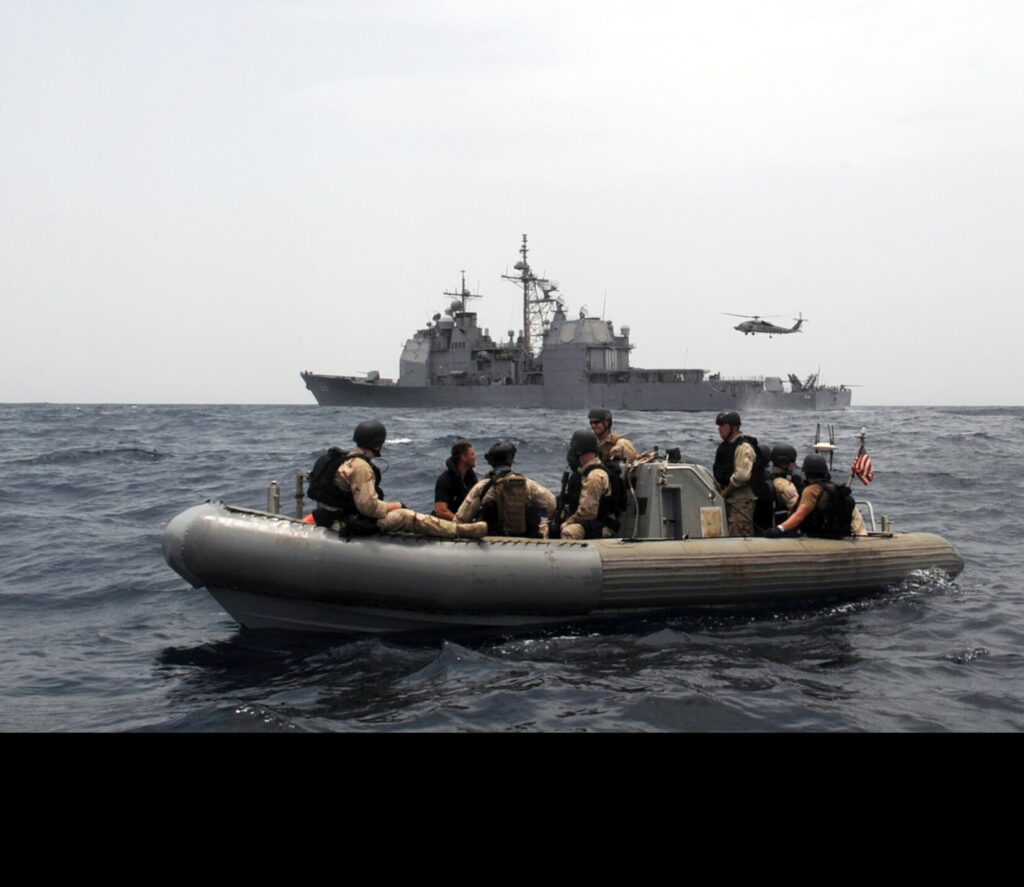
A significant portion of global trade moves by sea. The U.S. Navy plays a central role in ensuring that maritime routes remain open and secure. Through freedom of navigation operations, the Navy challenges excessive territorial claims and reinforces the principle that international waters must remain accessible to all nations.
This mission is not about confrontation. It is about upholding a rules-based order that benefits the global economy. By maintaining a presence in key waterways such as the South China Sea, the Persian Gulf, and the Mediterranean, the U.S. Navy helps deter piracy, prevent blockades, and ensure the free flow of commerce.
Peacekeeping Support and Multinational Cooperation
Although the United States does not typically deploy large numbers of troops under United Nations command, it provides critical support to peacekeeping missions around the world. This support includes airlift, logistics, training, and intelligence. By enabling peacekeeping operations, the United States helps stabilize fragile regions and reduce the likelihood of renewed conflict.
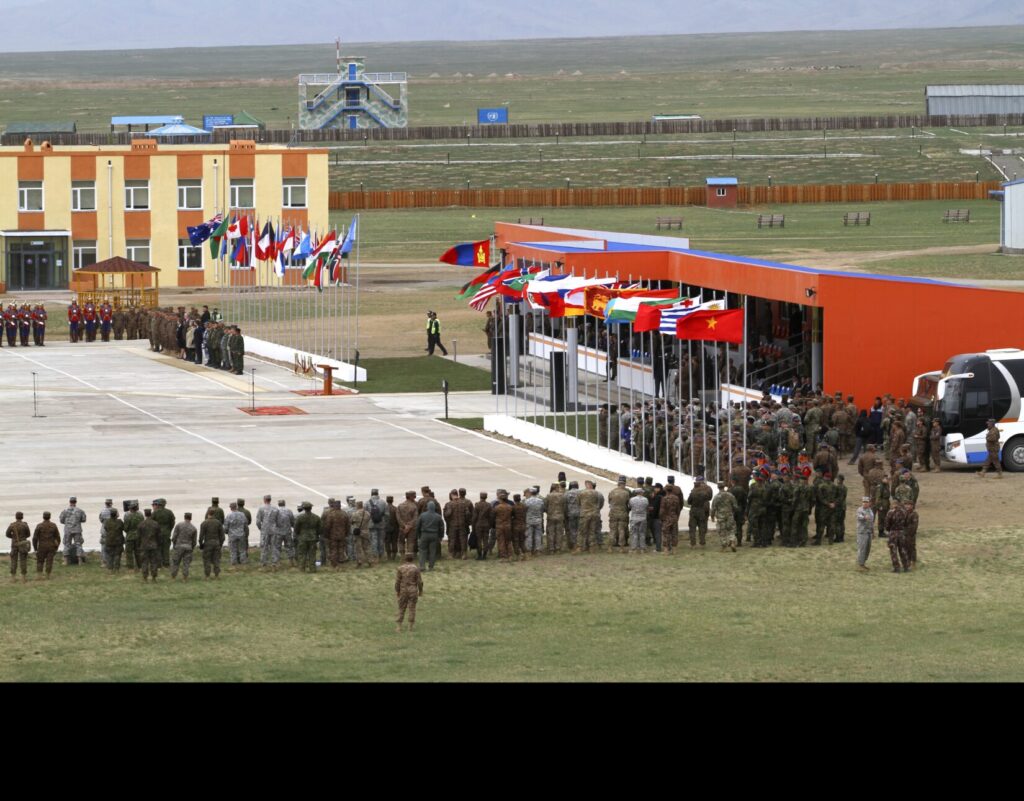
Multinational cooperation has become increasingly important as global challenges grow more complex. The U.S. military works closely with partners through joint exercises, combined task forces, and international coalitions. These efforts strengthen interoperability and build trust among nations that share common security interests.
Upholding a Rules-Based International System
The cumulative effect of alliances, forward presence, deterrence, and non-combat missions is the reinforcement of a rules-based international system. This system is built on principles such as sovereignty, freedom of navigation, peaceful dispute resolution, and respect for international law. While imperfect, it has contributed to unprecedented levels of global prosperity and a dramatic reduction in major power conflicts.
The U.S. military plays a central role in sustaining this system. Its presence reassures partners that the United States will uphold its commitments. Its capabilities deter aggression. Its humanitarian and peacekeeping support demonstrates that American power is not solely about coercion but also about cooperation and assistance.
Looking Ahead at 250 Years
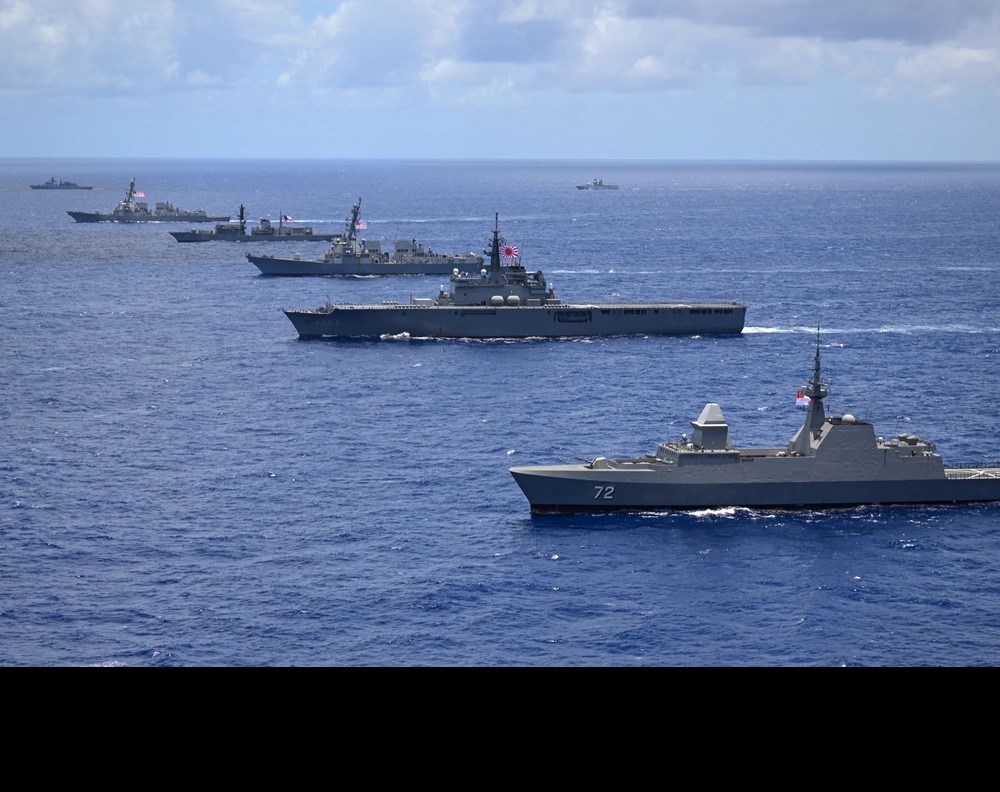
As the United States enters its next quarter-millennium, the strategic environment is evolving. New technologies, rising powers, and transnational threats will shape the future of global security. Yet the core principles that have guided U.S. military engagement since World War II remain relevant. Alliances, deterrence, forward presence, and non-combat missions will continue to form the foundation of American strategy.
The U.S. military’s role as a stabilizing force is not guaranteed. It requires sustained investment, careful diplomacy, and a clear understanding of the responsibilities that come with global leadership. But the record of the past 75 years shows that when the United States combines its military strength with a commitment to international cooperation, it can help create a more stable and prosperous world.
The appearance of U.S. Department of War visual information does not imply or constitute DOW endorsement.