
Some gun owners are lucky and have a magical power that allows them to select the perfect rifle and set-up. The rest of us, however, are stuck with wishy-washy decision-making skills when it comes to guns.
I can’t tell you how many times I get a new gun and think, “This is it.” The perfect rifle or handgun that meets all my needs. And then the next new gun comes along, and I find myself “needing” it for my perfect setup. And of course, when I saw the new MK1 from Sons of Liberty, I had to have it.
Finding that perfect “battle gun” requires a blend of mechanical perfection and relentless durability. Sons of Liberty Gun Works is a relatively young company from San Antonio, Texas. They have achieved what many legacy manufacturers only dream of.
With the creation of the MK1, SOLGW took a “no-BS” approach to quality and a lifetime warranty. It even covers the barrel wear, which is not something you see often. They have built a reputation on rifles that simply do not quit.
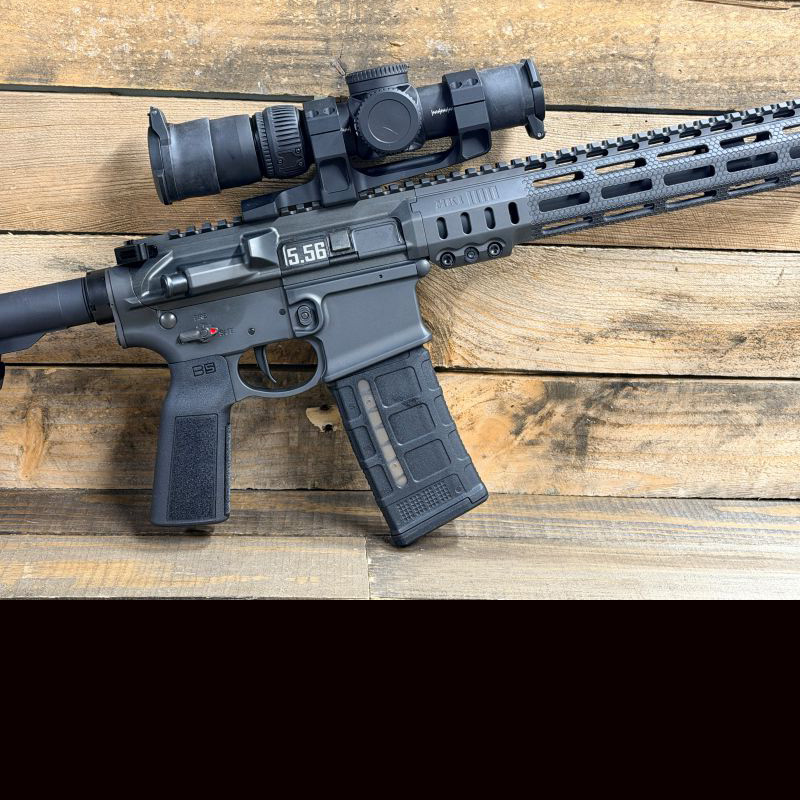
It’s easy to get a little bored with new AR-15 style rifles because so many are released each year. But the new MK1 rifle isn’t just another AR-15; it is the latest evolution of the combat carbine. This is why it has recently earned a seat at the most exclusive table in the world: USSOCOM.
What is SOCOM?
To understand the weight of this achievement, you first have to understand the customer. The United States Special Operations Command, or SOCOM, oversees the various Special Operations components of the Army, Navy, Air Force, and Marine Corps. This includes legendary units like the Navy SEALs, Army Rangers, and Green Berets. When SOCOM looks for a rifle, they aren’t looking for a range toy. They are looking for a life-support system.
The significance of being chosen by SOCOM cannot be overstated. It is the ultimate “stamp of approval” in the firearms industry. If a rifle can survive the testing protocols of the world’s most elite warfighters, it can survive anything.
The process to win a SOCOM contract is grueling. It starts with a Request for Proposal (RFP) that outlines near-impossible standards. Manufacturers must submit samples for “torture testing.” These rifles are subjected to extreme heat, sub-zero cold, salt spray, and thousands of rounds of suppressed fire. They are dropped, buried in mud, and checked for “mean rounds between failure” (MRBF).
Most rifles fail. The ones that survive are refined until only the most reliable platform remains. For the SOLGW MK1 to emerge as a selected option for the Combat Assault Rifle (CAR) program is like winning the Olympics in the gun world.
Sons of Liberty: MK1
The Sons of Liberty MK1 was designed for military use, which also makes it great for civilian use. Most of us like to buy gear that is built for “tougher” purposes than what we need, right? The idea is, if it works for the military, it will work for me.
Starting with the bones of the MK1, the rifle uses a billet upper and lower receiver set, which is not commonly seen with military issue rifles. These are machined to much tighter tolerances than standard forged receivers. This provides a solid lockup between the halves, which translates to better accuracy and less mechanical wear over time.
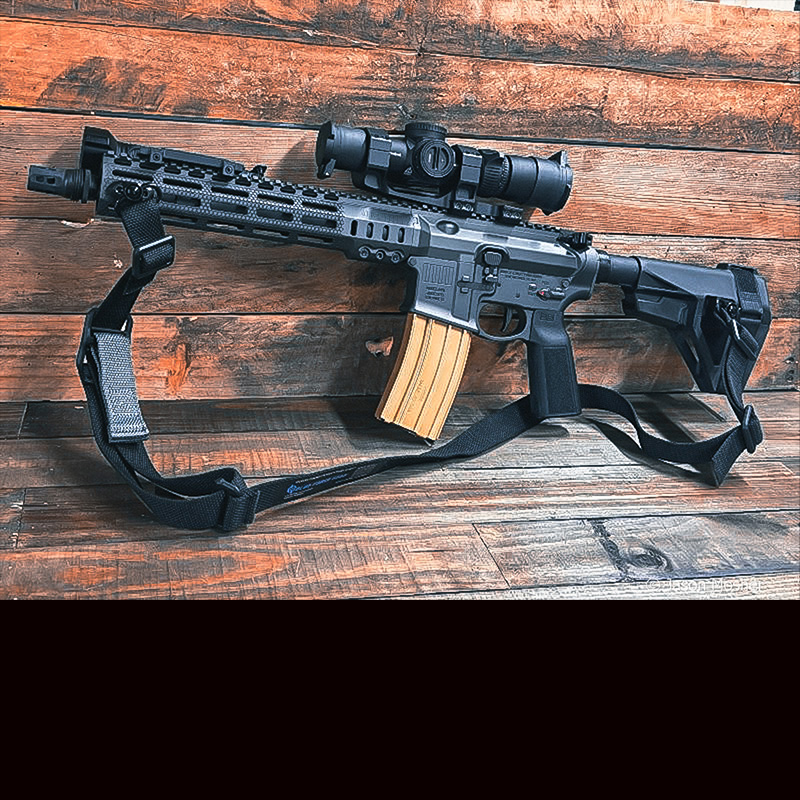
The MK1 rail system uses the “DriveLock” interface, a series of tabs to ensure the rail cannot rotate or shift. Even under heavy, hard use, it helps the rifle hold a zero.
When ordering the MK1, you can choose between an 11.5-inch or 14.5-inch “P3” barrel. These barrels have three-groove polygonal rifling. This design provides a better gas seal and increased velocity compared to traditional rifling.
What’s on the inside?
Inside the rifle, you will find an NP3-coated Bolt Carrier Group (BCG). NP3 is a finish that is incredibly slick and corrosion-resistant. It allows the rifle to run longer with less lubrication. The A5 buffer system smooths out the recoil impulse and increases the “timing” of the gun. In turn, this makes for a soft-shooting, extremely flat-running rifle that stays on target during rapid strings of fire.
Proper staking is often overlooked
One aspect of quality that separates a “hobby” grade rifle from a “duty” grade machine is the staking. This is often overlooked, and many gun owners may not even know what staking is.
If you do, the staking on the MK-1 is impressive. If you do not, that’s ok, I owned a rifle for years without knowing what this was.
Staking is the process of using a punch and hammer to physically displace metal from one component into another. On the AR-15 rifle, staking is used on the gas key (on the bolt carrier) and the castle nut on the receiver extension.
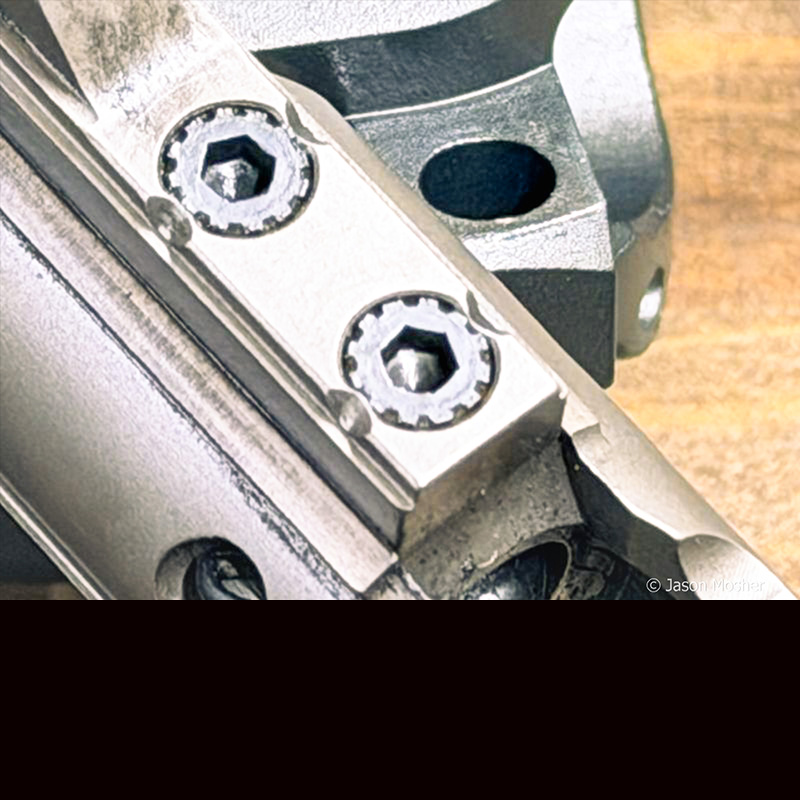
The point of staking these parts is to prevent mechanical failure under vibration and heat. An AR-15 is a controlled explosion happening inches from your face. That cycle creates immense harmonic vibration. Without proper staking, the screws on your gas key can back out just a fraction of a millimeter. When that happens, your rifle loses gas pressure and turns into a very expensive bolt-action paperweight.
Many manufacturers rely on thread-locking compounds like Loctite. However, heat and chemical cleaners can break those bonds over time. Staking offers a permanent, mechanical lock, which is much more durable in my opinion.
Elegant ergonomics
It may sound weird to think of a battle rifle as “elegant,” but the custom finishes on this rifle are just that.
I know the color of a gun doesn’t matter in a battle situation because it would be camouflaged anyway, but I love the gray anodized finish on this gun. The textured part of the handguard is darker, giving it some contrast, and the black grip and stock or brace (depending on model) complete the perfect look.
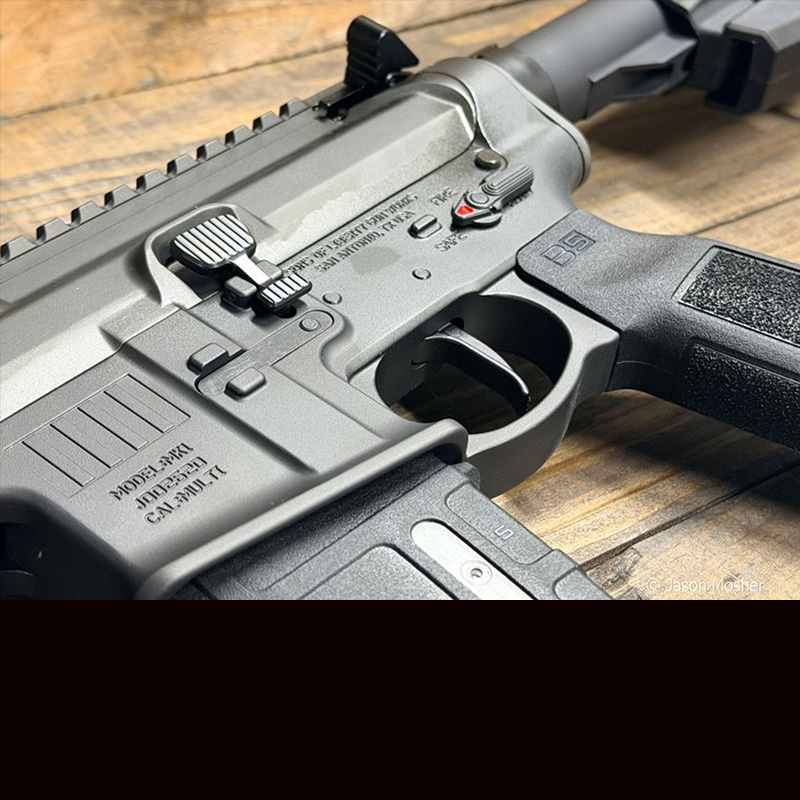
The texturing on the handguard is unique and offers a lot more than just visual appeal. It’s great for when your hands are sweaty or you have gloves on. On top of the handguard is a Picatinny rail that has a deep groove in it for running wires to various accessories. They even thought to smooth the edges so your wires don’t get cut as they run over the edge of the rail.
When mounting the light, I was able to run the wire under the tape-switch mount, which kept a lot of the wire from even being exposed.
Controls for practical use
At the back of the rifle is a charging handle that is not large, but also not overly small. While I like oversized charging handles, you don’t want them getting caught on your gear as you move the rifle around. This one is a perfect size for functionality while wearing a plate carrier or vest.
Another thing that stands out at first glance is the oversized, extended bolt release. A large square one is connected to the standard bolt release, but much easier to hit with your thumb while moving and shooting.
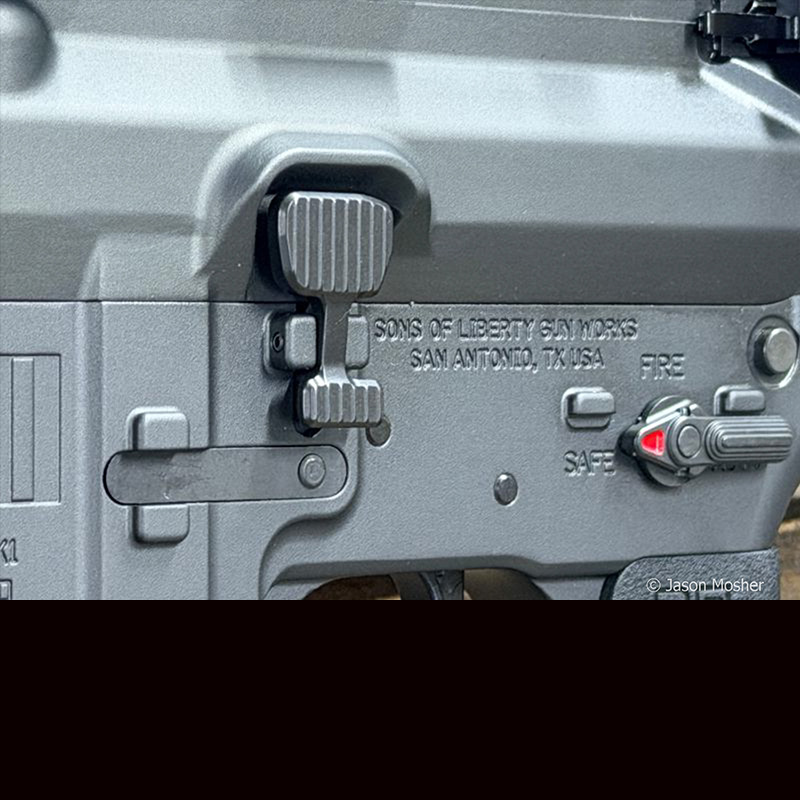
An ambidextrous safety selector also comes standard with the MK1, a feature that is normally considered an “upgrade” from most manufacturers. The safety selector is not hard to work, but has a nice, firm movement with a solid “click” when changing it.
There are a lot of other details with the MK1 I could go on about, but I’m trying to cover a lot of other things in the article as well. Sometime in the future, I will try to swing back around and cover all these smaller features a little more in-depth.
Ammo Dump with the MK1
So the first question most of us have when considering a new firearm is reliability. We use this term a lot in the gun world, but what does it actually mean for an AR-15? For a rifle like the MK1, reliability means the ability to cycle a wide variety of ammunition under adverse conditions.
A truly reliable rifle manages gas perfectly. Over-gassed rifles beat themselves to death, while under-gassed rifles fail to cycle when they get dirty. SOLGW is famous for their gas port sizing. They port their barrels specifically to run reliably with professional-grade ammunition and suppressors. This prevents “bolt bounce” and makes sure the extractor has enough time to pull the spent casing before the next round is fed.
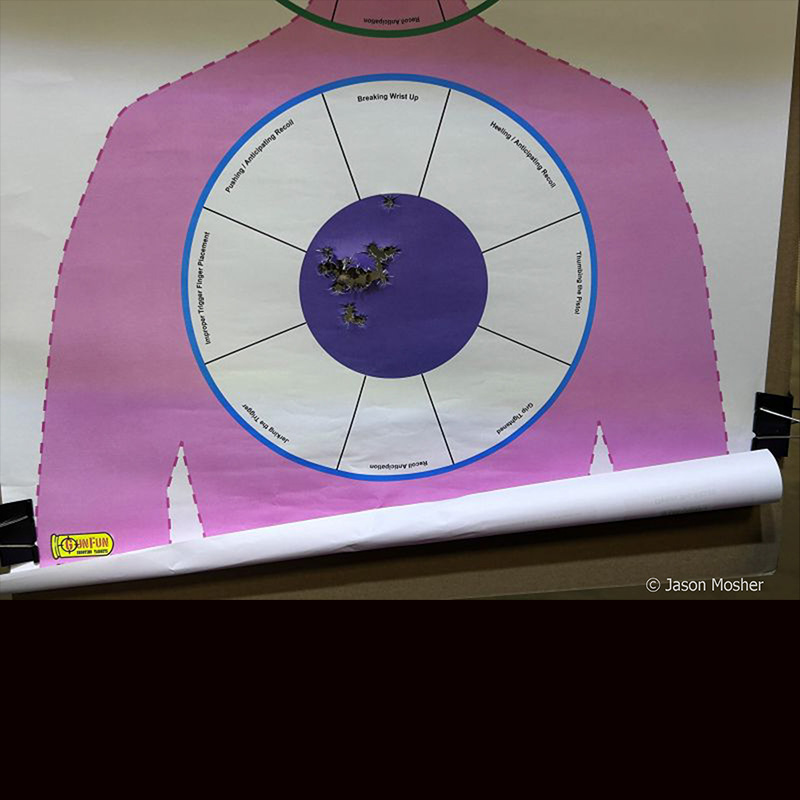
When you are doing an “ammo dump” or running high-volume drills, heat becomes your enemy. The MK1 manages this with a titanium barrel nut that helps dissipate heat away from the chamber.
I plan to do much more testing with the MK1, but my first few range sessions were encouraging and fun. After setting up the MK1 with some other new accessories I wanted to try out (more about that below), we headed to the range. With this first session, I wanted to get a feel for the rifle (or in my case, AR pistol) overall and get the optic sighted in.
Burning through ammo
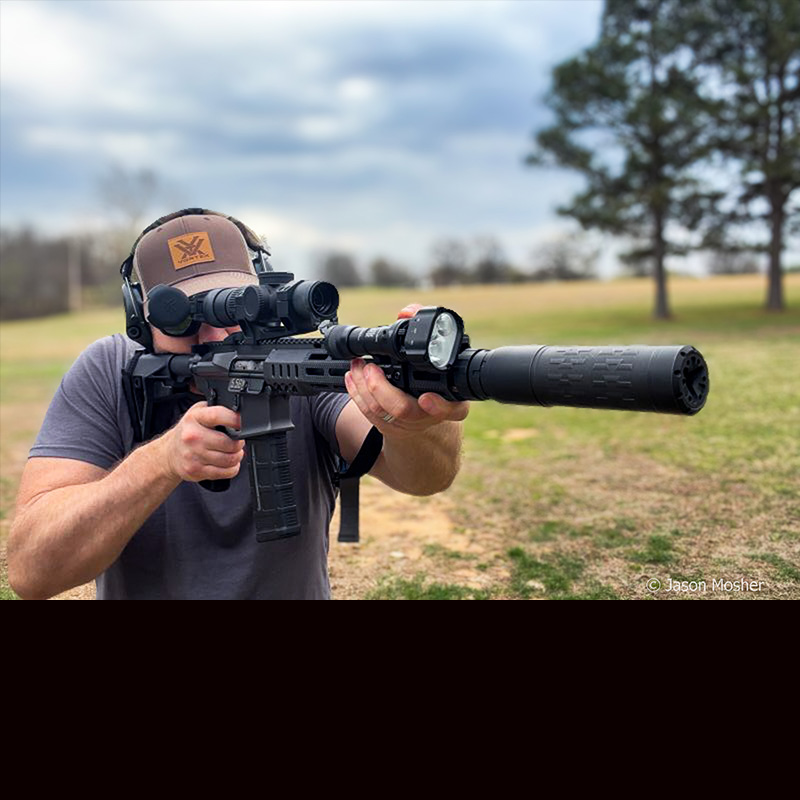
For this initial review, Hornady provided some .223 “Hornady Black” Ammunition in 75gr FMJ and 62gr BTHP. I started without a silencer and then attached my SilencerCo Velos LBP 762.
The first thing I was happy to learn is the MK1 shot smoothly and cycled perfectly with or without a silencer attached. Some AR’s tend to handle both, and some require adjustment to the gas.
I used the Hornady ammo when zeroing the Vortex AMG LPVO. Once it was sighted in, I fired 2-round bursts for a while, then 3, and then performed multipole mag dumps. Once the rail was getting hot enough to need gloves, I rechecked the zero at 100 yards. It was still shooting dead, which is more great news.
Running it dry, by mistake
What’s most impressive about this gun is that I forgot to remove the BCG and add some oil before I started my range session. You see, I had cleaned the gun up and wiped off any oil so I could get some good photos of the internal parts. It was completely dry when I put it back together. Many of my other AR’s would have experienced failures at some point with no lubrication.
During this first range visit, I also shot some Winchester 5.56 and .223 55-grain ammo with a total of nearly 700 rounds by the end of the day.
On my second range visit, I shot about 600 rounds of random .223 and 5.56 ammo I had left over from some training events a while back. With more than 1,300 rounds, I haven’t had a single issue with the MK-1 yet.
Setting up the MK1
Because I’m a gear junky and can’t stick with “one set-up” for any rifle, I thought this was a good time to test out some new items. Ok, I’m also a writer and review guns and gear as well, so I’ll use that as my excuse.
Over time, I may try a few different accessories on the MK1, but for these first few range sessions, here is what I installed on the Sons of Liberty Gunworks rifle.
Vortex AMG LPVO
For the optic, I chose the Vortex AMG 1-10×24. This is a First Focal Plane (FFP) Low Power Variable Optic (LPVO). It is famously used by the British Royal Marines, and Vortex has released this civilian model to the public. At 1x, it acts like a red dot for close-quarters work. At 10x, the EBR-9 reticle allows you to make some precise hits at distance. I haven’t done a full review on this optic yet, but I will be getting to that in the future.
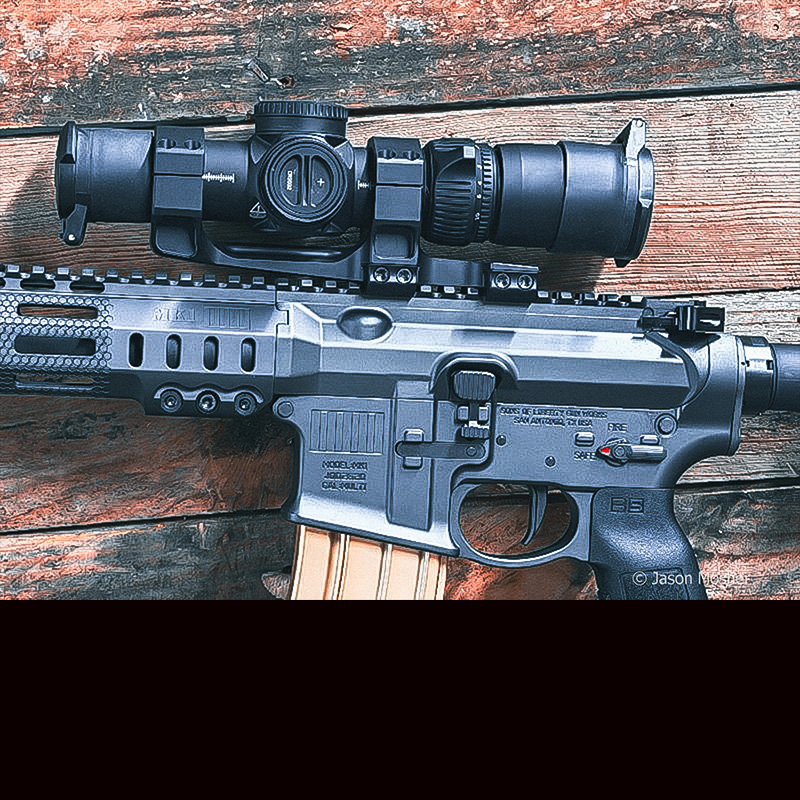
This optic has some of the clearest glasses I’ve seen, and while it’s a little on the heavy side, it feels like a true battle-grade optic. I’m not sure if it was luck or something else, but after mounting it to the MK1, it was almost hitting center mass at 75 yards before making any adjustments.
Streamlight ProTac VIR PRO
Positive identification is a requirement, not an option. The Streamlight ProTac VIR PRO is a new multi-fuel light that offers both visible white light and Infrared (IR) illumination. This is important for working with night vision. This new light from Streamlight has a dedicated dial to prevent accidental white light discharge when you are trying to stay “dark.”
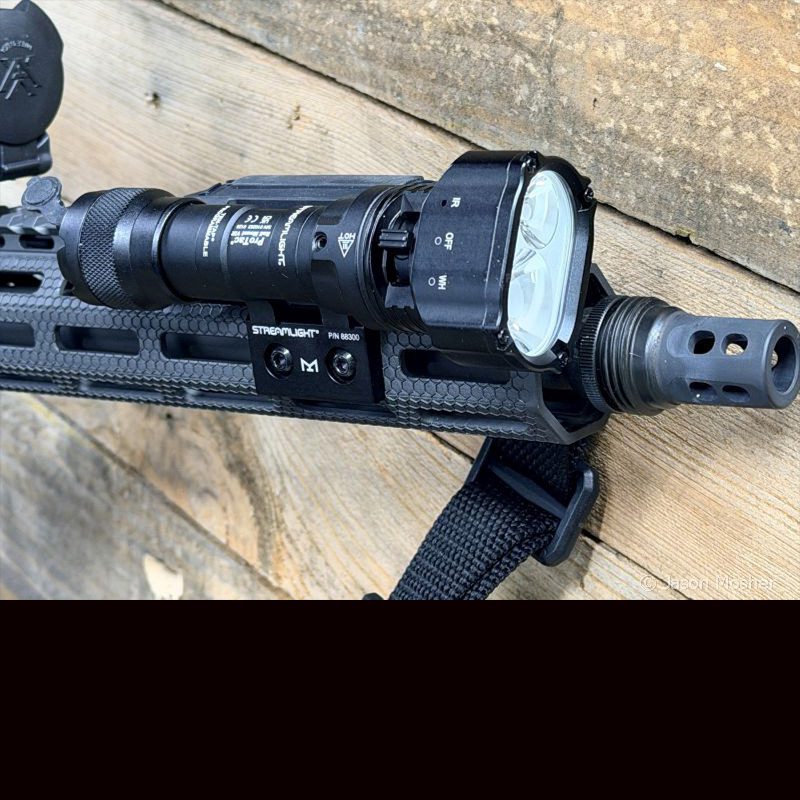
I’ve spent some time with the ProTac VIR PRO, and so far, I’m liking it. At some point, I plan to do a review of the VIR PRO during a night shoot.
Vickers Combat Sling (Blue Force Gear)
A rifle without a sling is a rifle you will eventually drop. The Vickers Combat Sling by Blue Force Gear is the gold standard and one of my favorite slings.
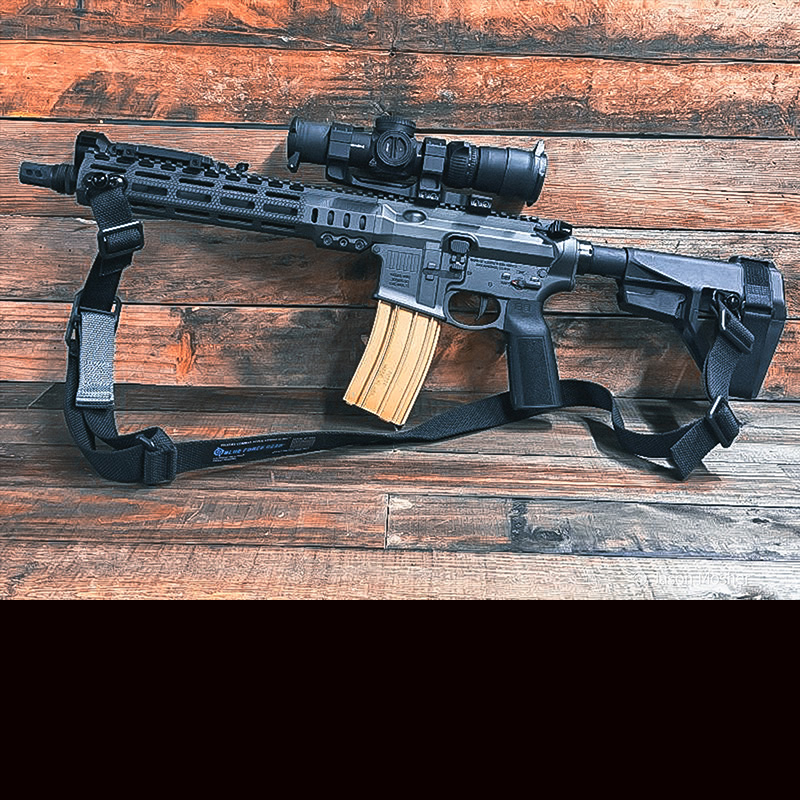
It was designed by Larry Vickers and features a quick-adjust pull tab. This allows you to instantly transition from a tight, secure carry to a loose, shootable position. It is simple, durable, and used by almost every branch of the US military. It was only fitting to put one on the MK1.
SilencerCo VELOS 762 and ASR Brake
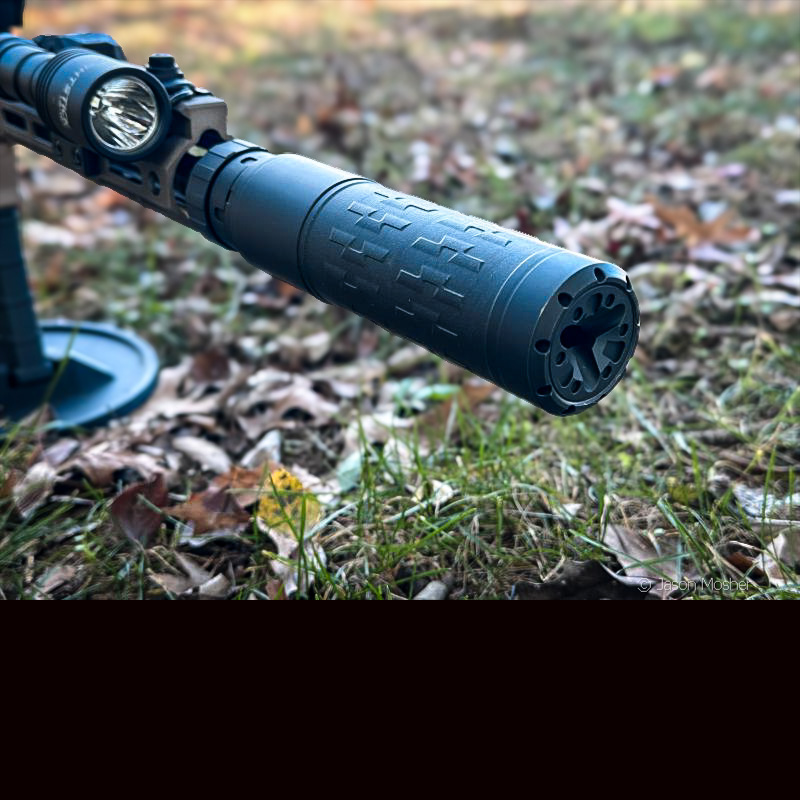
Finally, I installed an ASR muzzle brake on the MK1 so I could use it with my SilencerCo VELOS 762. The VELOS is a “low back-pressure” (LBP) can, which I like.
Traditional suppressors blow gas back into the shooter’s face and increase weapon wear. The VELOS uses 3D-printed internal geometries to vent that gas forward. This keeps the MK1 running cleaner and reduces the “gas face” during long strings of fire.
A seat among the greats
There are still a lot of details about the MK1 that I haven’t gotten to yet. The finish, small custom designs to the handguard, upper and lower, trigger quality, and more, just about need another article to cover. At some point, I’ll make sure to cover anything I missed.
While I’m loving the MK1, there is a lot more reviewing to be done. I kind of want to shoot it in the rain, maybe get it a little muddy, freeze it, etc. Either way, this is a great, high-quality rifle that has earned a seat among the all-time greats in the rifle world.