
Combatives has a long and complex history shaped by the needs of warriors, soldiers, and societies across the world. At its core, combatives refers to practical hand‑to‑hand fighting skills designed for real combat rather than sport. These techniques have evolved over thousands of years, influenced by cultural traditions, battlefield realities, and advancements in military training.
Understanding the history of combatives reveals how human conflict has shaped the development of close‑quarters combat and how modern programs draw from both ancient and contemporary sources.
Early Roots in Ancient Civilizations
The origins of combatives can be traced to the earliest human societies. Long before organized armies existed, people developed methods of striking, grappling, and weapon use to defend themselves and their communities. Archaeological evidence from Mesopotamia, Egypt, and Greece shows that structured fighting systems were already in place thousands of years ago.
In ancient Egypt, tomb paintings depict soldiers training in wrestling and stick fighting. These skills were essential for both military and ceremonial purposes. Wrestling in particular was a respected discipline that taught balance, leverage, and physical control. Similar traditions appeared in Mesopotamia, where early city‑states trained warriors in close‑quarters combat to prepare for the brutal realities of warfare.
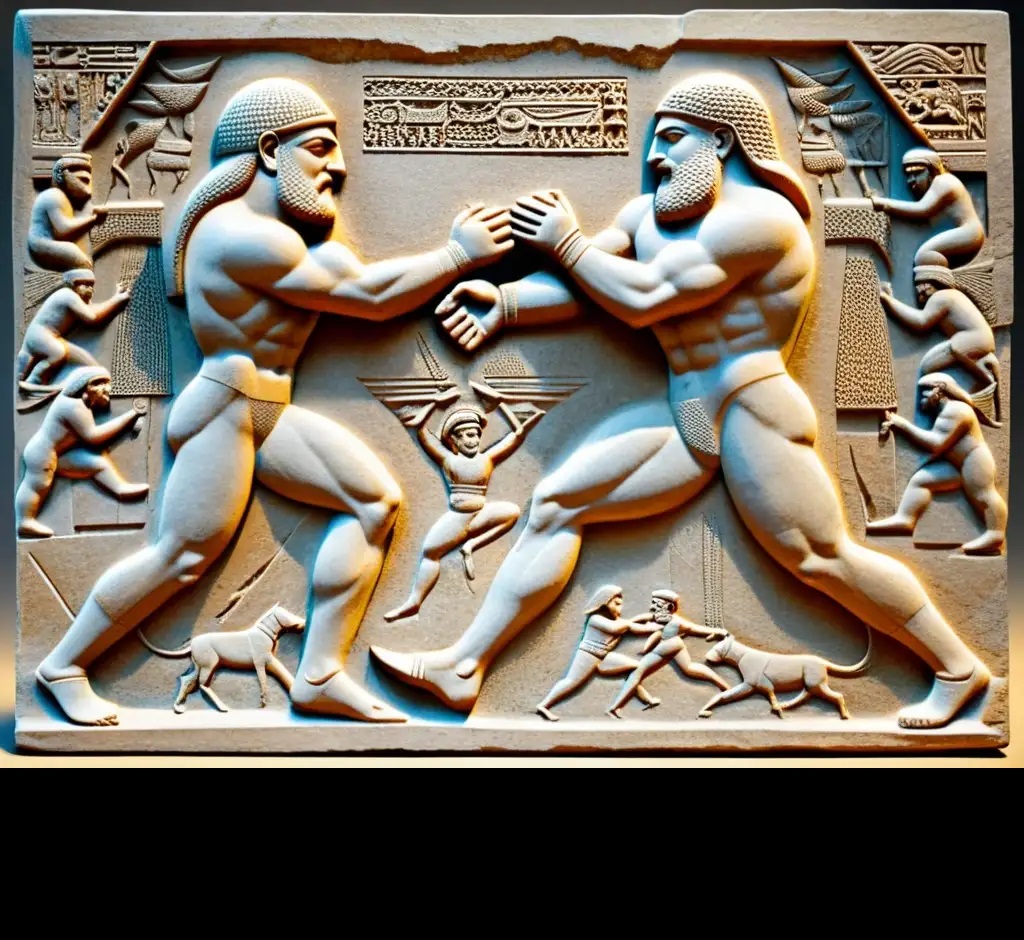
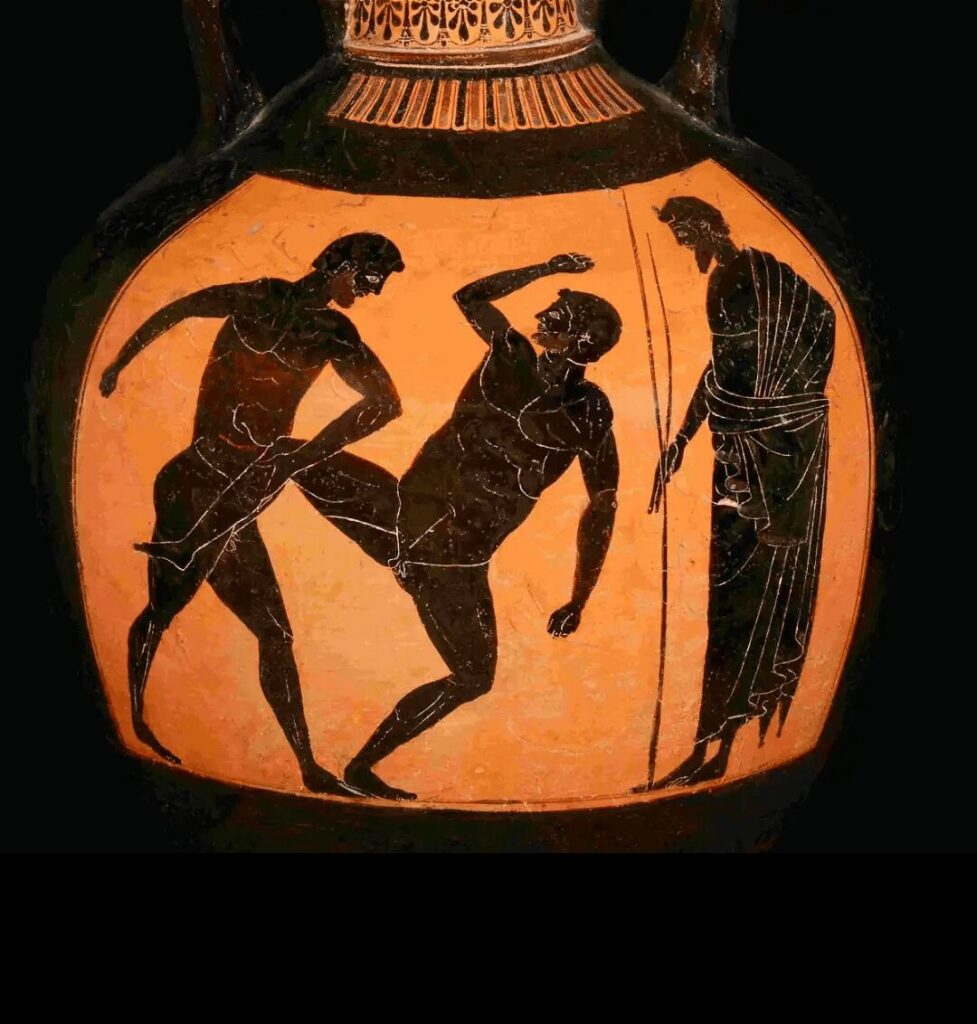
Ancient Greece contributed significantly to the development of combatives through the practice of pankration. This fighting system combined striking and grappling in a way that closely resembles modern mixed martial arts.
Pankration was used not only in athletic competitions but also in military training. Greek soldiers were expected to be proficient in unarmed combat in case they lost their weapons on the battlefield. The emphasis on versatility and adaptability in pankration would later influence many modern combatives programs.
Asian Martial Traditions and Their Influence
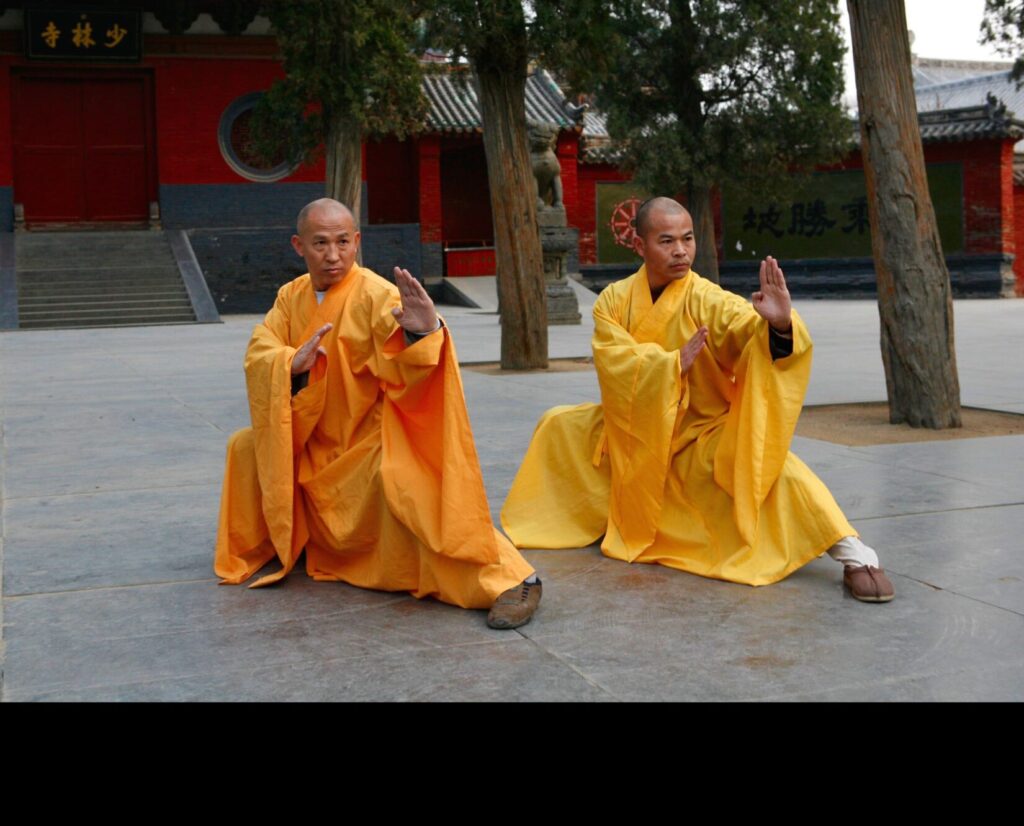
Across Asia, various martial traditions emerged that blended philosophy, discipline, and combat effectiveness. In China, early forms of kung fu were developed by both military forces and civilian practitioners. These systems emphasized fluid movement, striking, and the use of traditional weapons.
Although Chinese martial arts have deep indigenous roots, some early influences—carried through the spread of Buddhism from India—introduced meditative and conditioning practices that later shaped training in places like the Shaolin Temple. Over time, Chinese martial arts spread throughout East Asia and influenced the development of Japanese and Korean fighting systems.
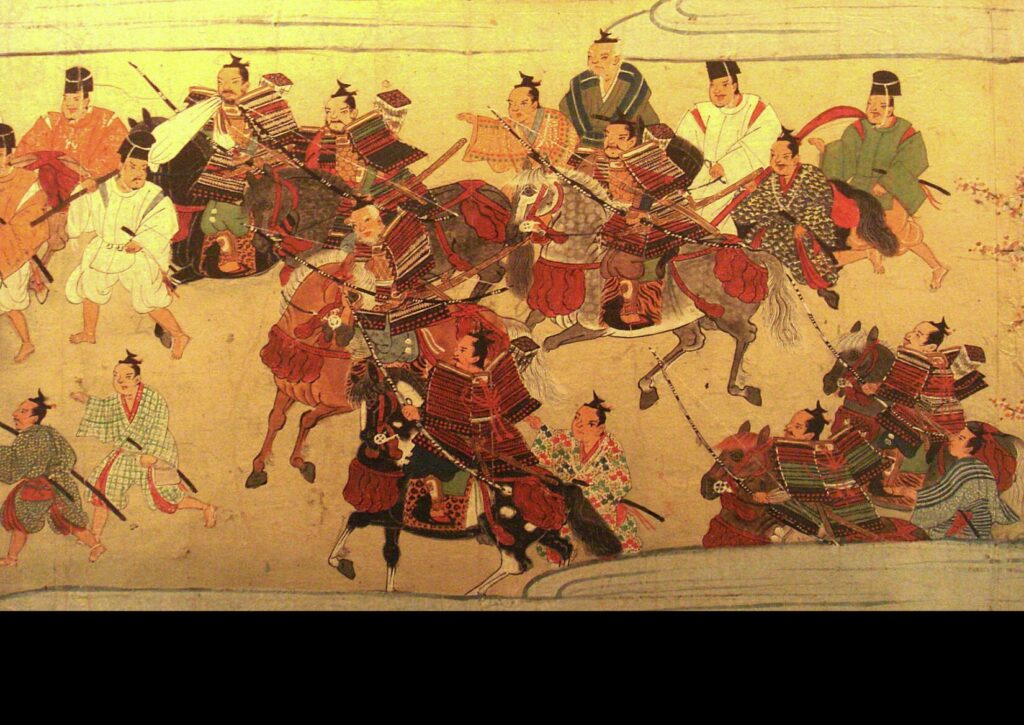
Japan produced several martial traditions that would later shape modern combatives. Samurai warriors trained in jujutsu, a grappling‑based system designed for armored combat. Jujutsu focused on joint locks, throws, and submissions that allowed a fighter to control or neutralize an opponent even when weapons were not available.
The samurai also practiced kenjutsu and other weapon‑based arts that emphasized precision and efficiency.
In India, the ancient martial art of kalari pattu, also known as kalaripayattu, combined strikes, kicks, grappling, and weapon techniques. It is considered one of the oldest martial systems in the world and influenced the development of other Asian fighting styles.
These traditions collectively contributed to the global foundation of combatives by demonstrating the importance of adaptability, discipline, and practical effectiveness.
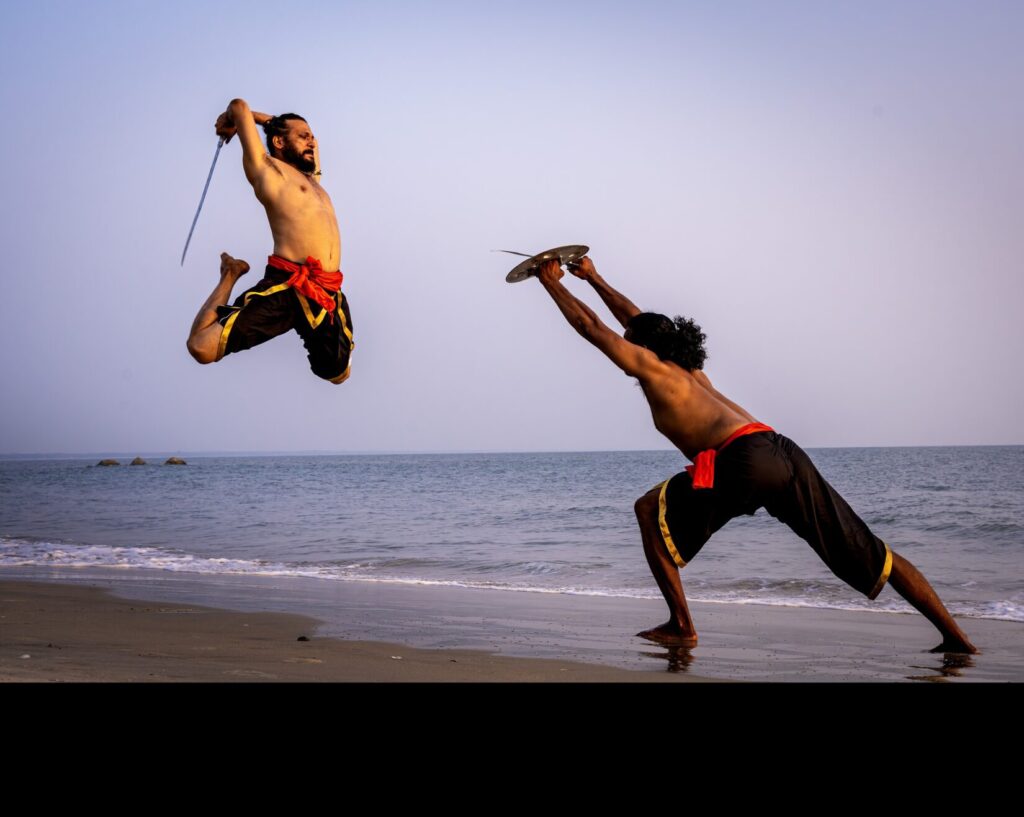
Medieval and Renaissance Combat Systems
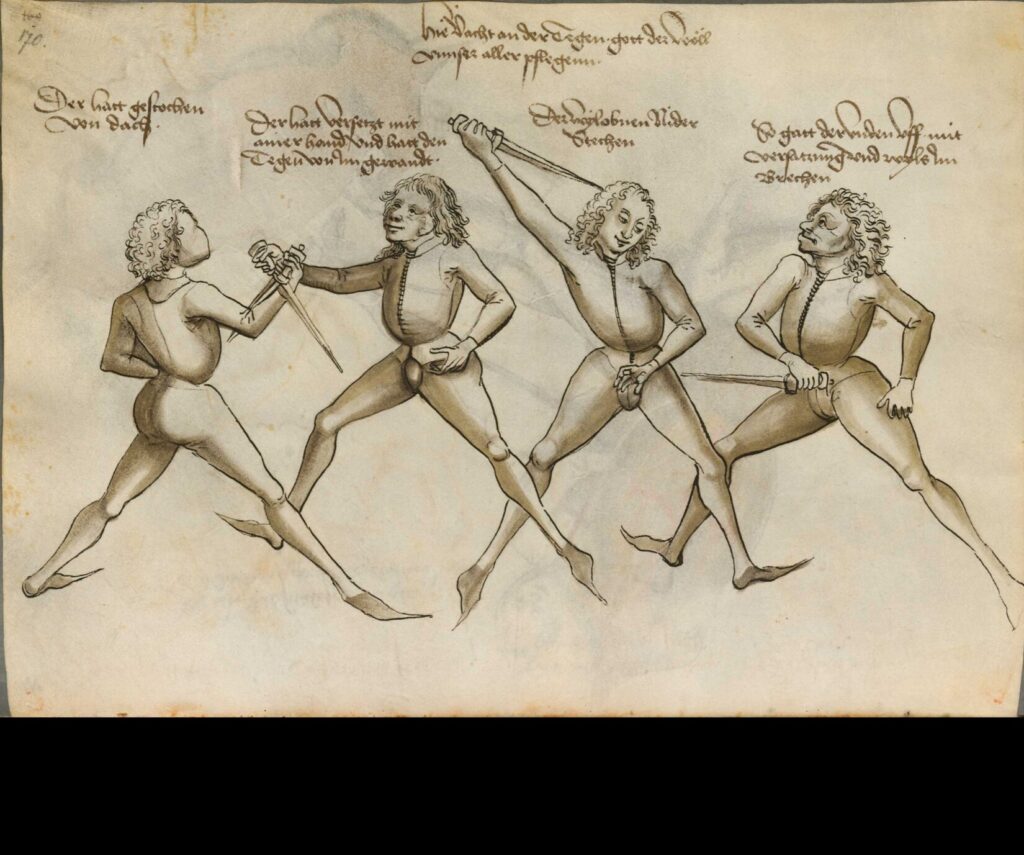
During the medieval period in Europe, knights and soldiers trained in a variety of close‑quarters combat techniques. Manuals from the Middle Ages describe methods of wrestling, dagger fighting, and swordsmanship. These systems were highly practical and focused on surviving real combat situations. The German school of fencing, for example, included grappling techniques known as ringen that were used when combatants closed the distance or lost their weapons.
The Renaissance brought renewed interest in the study of martial techniques. Masters such as Hans Ralhoofer, Fiore dei Liberi, and Joachim Meyer wrote detailed treatises on armed and unarmed combat. Their work emphasized timing, leverage, and the ability to transition between weapons and empty‑hand techniques. These principles remain central to modern combatives training.
The Shift Toward Modern Military Combatives
The industrial age transformed warfare and created new challenges for soldiers. Firearms became the dominant weapons on the battlefield, but close‑quarters combat remained a critical skill. During the 19th and early 20th centuries, many militaries began formalizing their hand‑to‑hand combat training.
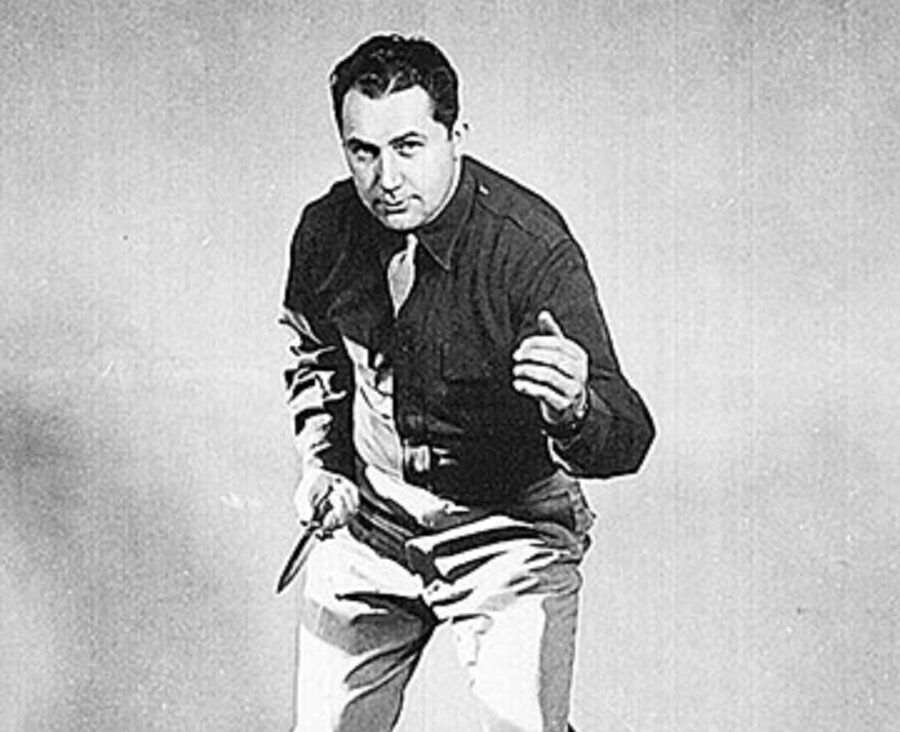
One of the most influential figures in modern combatives was William E. Fairbairn. Serving with the Shanghai Municipal Police in the early 20th century, Fairbairn developed a practical fighting system based on his experiences in one of the most dangerous cities of the era. His method combined jujutsu, boxing, wrestling, and street‑fighting techniques. During World War II, Fairbairn trained Allied forces in close‑quarters combat, and his system became the foundation for many modern military programs.
Another key contributor was Rex Applegate, who worked closely with Fairbairn and adapted his methods for American forces. Applegate emphasized simple, direct techniques that could be learned quickly and applied under stress. His work helped shape the combatives programs used by the United States military during the war.
Post‑War Developments and the Rise of Modern Systems
After World War II, many countries continued to refine their combatives training. The Israeli Defense Forces developed Krav Maga, a system that focuses on instinctive movements, aggression, and rapid neutralization of threats. Krav Maga became widely known for its emphasis on real‑world scenarios and its integration of both armed and unarmed techniques.
In the United States, the military continued to evolve its combatives programs. The Marine Corps Martial Arts Program (MCMAP), established in 2001, combined traditional martial arts with modern combat principles. It emphasized physical fitness, mental discipline, and ethical decision‑making.
The U.S. Army Modern Army Combatives (MAC) Program also emerged during this period. It drew from Brazilian jiu‑jitsu, wrestling, boxing, and other disciplines to create a comprehensive system for soldiers.
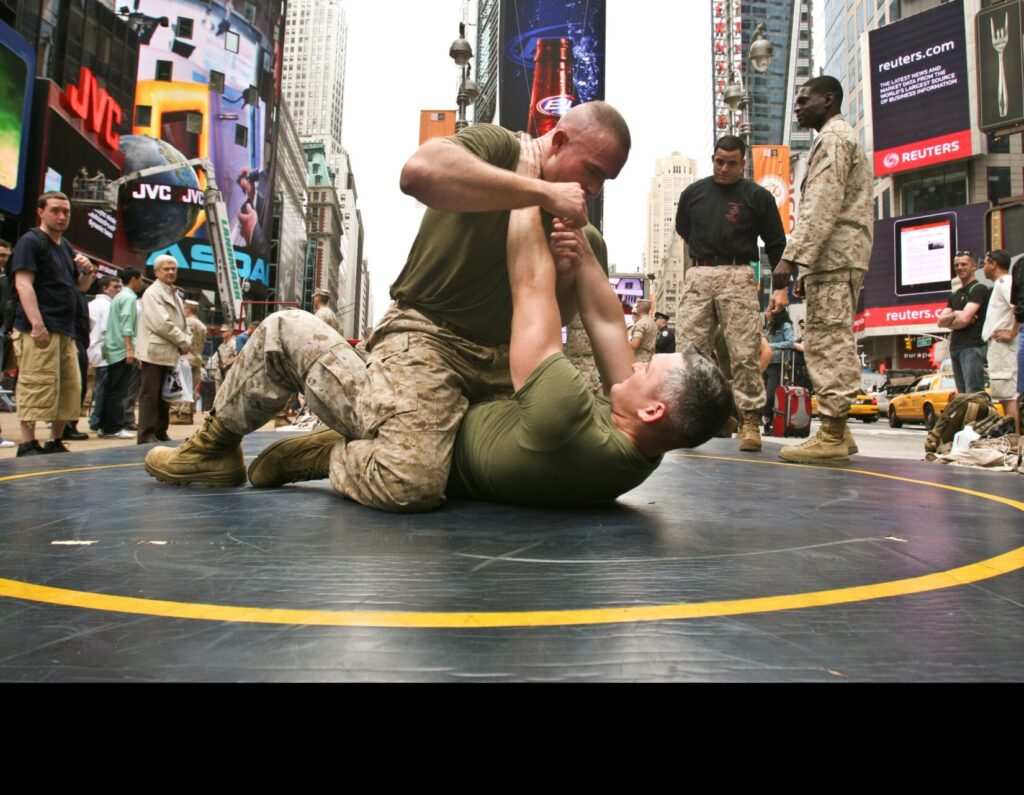
These modern programs reflect a shift toward integrated training that prepares service members for a wide range of situations. They emphasize adaptability, continuous learning, and the ability to transition between weapons and empty‑hand techniques.
Combatives in the Civilian World
While combatives originated in military contexts, many of their principles have been adopted by law enforcement and civilian self‑defense programs. Police departments often train officers in control tactics that draw from grappling and striking systems. Civilian self‑defense courses frequently incorporate elements of Krav Maga, jujutsu, and other combatives‑based methods.
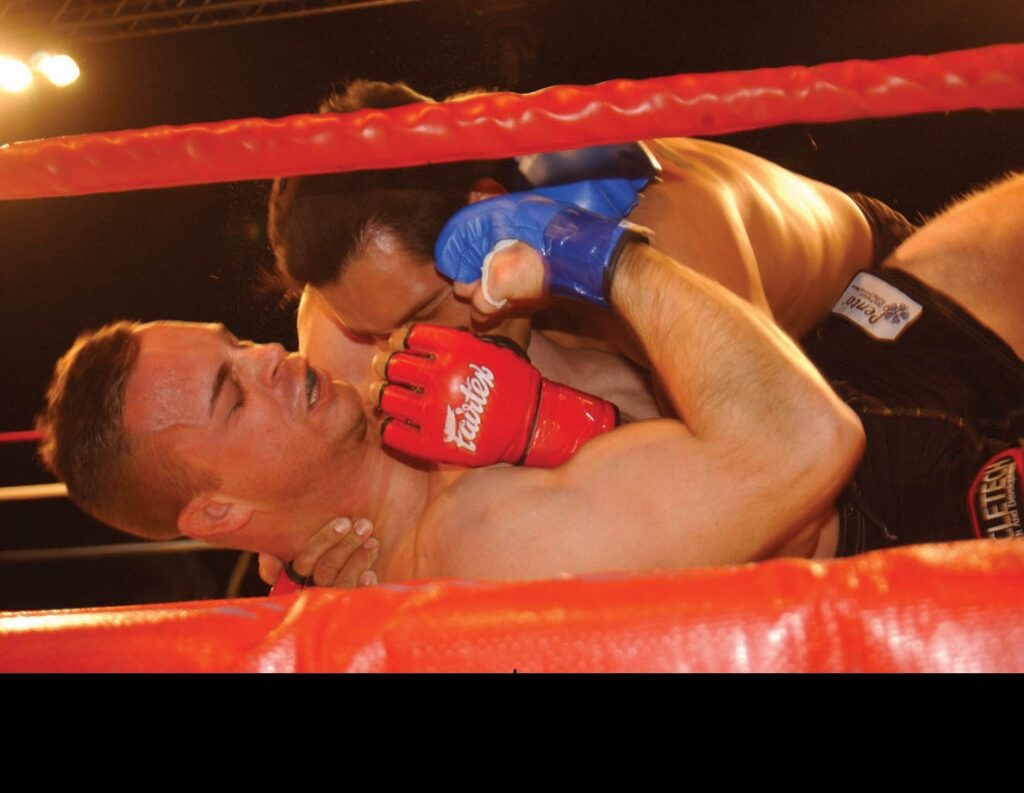
The rise of mixed martial arts has also influenced the development of combatives. Many modern programs incorporate techniques from MMA due to their proven effectiveness in resisting opponents who fight back. This blending of traditional martial arts, military training, and competitive fighting has created a dynamic and evolving field.
The Continuing Evolution of Combatives
Combatives continues to evolve as new technologies, tactics, and threats emerge. Modern training emphasizes realism, adaptability, and the ability to perform under pressure. Whether used by soldiers, law enforcement officers, or civilians, combatives remains rooted in the same principles that guided ancient warriors. It is a discipline shaped by history, refined through experience, and continually adapted to meet the demands of the present.
Disclaimer
The appearance of U.S. Department of War visual information does not imply or constitute DOW endorsement.