I’ve met plenty of people over the years with stories of hunting failure rather than success. When the stories are repeated over and over by the same person, there is a better chance that person will quit the activity than stick with it for another try.
Hunting can be extremely difficult if you are learning how without anyone to guide you. Some lessons are worth experiencing one time to teach you a valuable lesson, and others never seem to sink in. Even experienced hunters will make these common mistakes from time to time.
1. Rifle Zero Shift
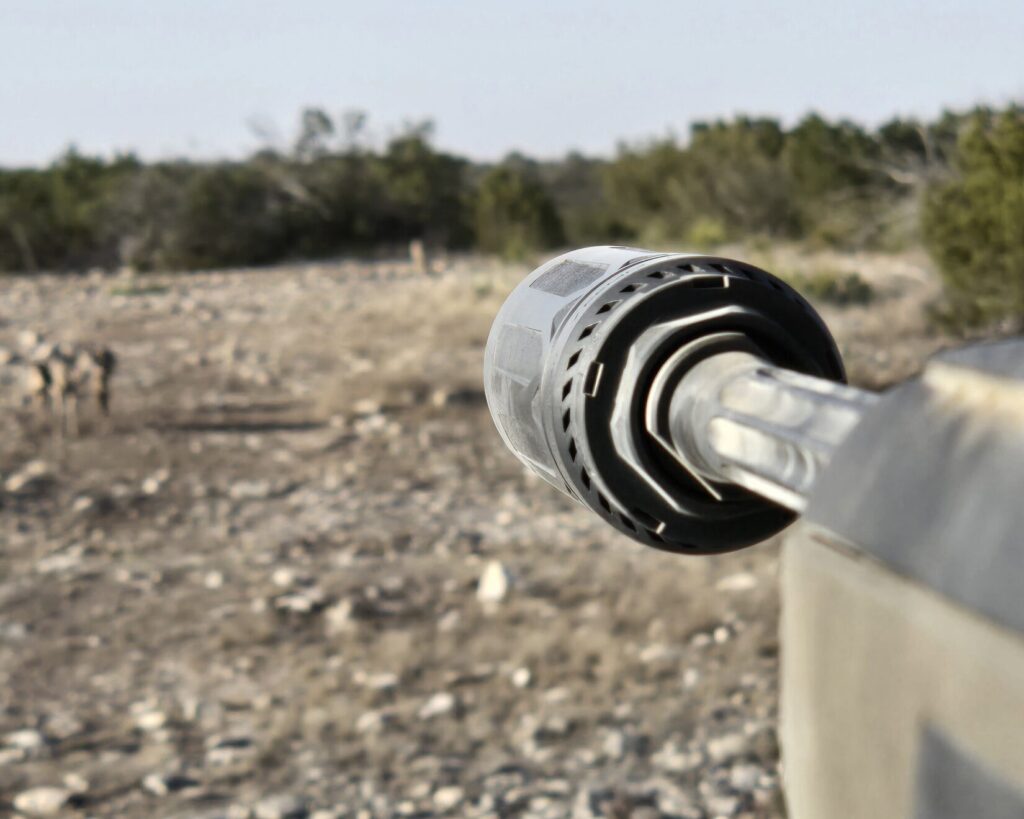
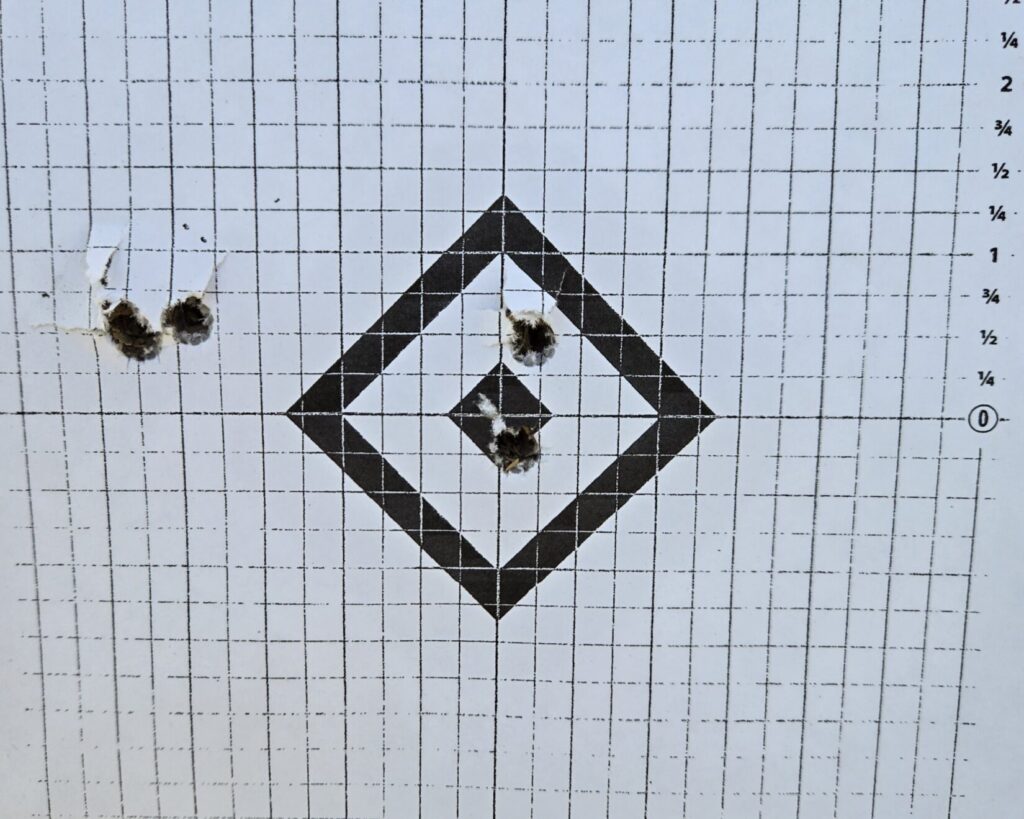
We need to apply precision-rifle concepts to the hunting-rifle platform. We’d like to think our hunting rifles are durable and dependable, but multiple variables can make your confirmed zero shift. Add a new muzzle attachment, shoot in a new environment, accidentally bump your optic in storage or transit, switch ammunition last minute; I can go on and on.
The point being is to know your rifle’s zero and have confidence in it by actually using your rifle and testing it periodically at the range. If you only use your hunting rifle for hunting, there’s a chance it will see less than half a box of ammunition in a season. If you own multiple hunting rifles, that means you may see even fewer rounds per rifle if you swap them out from hunt to hunt.
Know your rifle by taking it to the range and understanding where your zero is. Without a good zero, you’re going to make the mistake of missing.

2. Buck Fever
Patience is a virtue, and while hunting is a game of sitting around and waiting in some cases, spotting and stalking is an alternative in others. You may know a person who can’t stay put. You may know a person who gets overly excited when a buck shows up. You may know a person who may follow a buck’s trail until they get lost in the process. I don’t know what it is about seeing a rack of antlers, but it makes hunters act foolishly.
Buck fever is an all-encompassing term to describe what happens when you attempt to move in too quickly on a buck, when you botch a shot because you can’t stop shaking, or when you bump a buck after you successfully hit it with an arrow and it runs from you before expiring.
When you spot a buck, attempt to calm yourself and run through a leveling process to make sure the fever doesn’t take you.
3. Movement
The legendary Fred Bear (if you don’t know that name, that’s a mistake too) famously said the best camouflage is to “sit down and be quiet.” He wasn’t wrong.
I’ve hunted with various camouflage patterns and solids over the years. When deer have looked my way, I’ve remained motionless and only moved when their vision was blocked by a tree they walked past. Movement will give you away, and it doesn’t take much. Scratch your face, crack your neck, pick something up out of your lap; game will see you. Minimize how much you move and stage your kit to prevent making any unnecessary motion.
Also, another Fred Bear nugget of wisdom is looking for movement over looking for deer. While there are times when you will be looking for antlers on bedding deer in the field, many times when you spot a deer, it is when they are moving in the background.
Zoom your vision out or decrease the magnification of your optic to see more of a field of view. If you are looking through a spotting scope or binos, use a tripod to stabilize the view, as you will see more when the picture isn’t wobbly or shaky.
Stay hydrated too, since eye strain is more pronounced when you haven’t had enough water.
4. Missing the Vitals
Precision rifle skills and a tight five-shot group mean nothing if the accuracy isn’t there. In other words, you can put five shots in a dime-sized group in the six ring of the target at 200 yards, but you didn’t hit the “X.”
On an average-sized white-tail deer, you have a broadside vital section that is about the size of a dinner plate. The ideal shot is broadside with a heart and lung hit where the animal’s ability to run will be severely limited. You can clip the lower portion of one lung or liver, and the animal will still be able to haul off, requiring extensive tracking.
Another problem for the meat eater is being presented with a head-on shot and sending a round or arrow through the sternum of a deer. While the heart may be hit, the intestines, bladder, and stomach may be as well. Shots taken from a very steep angle may result in missing the heart or only hitting one lung, which will give the animal the ability to run as well.
Yet another issue is when the hunter switches species hunted and doesn’t understand how the anatomy can differ from a deer-like prey to something like a bear or hog.
5. Butchering the Butchering
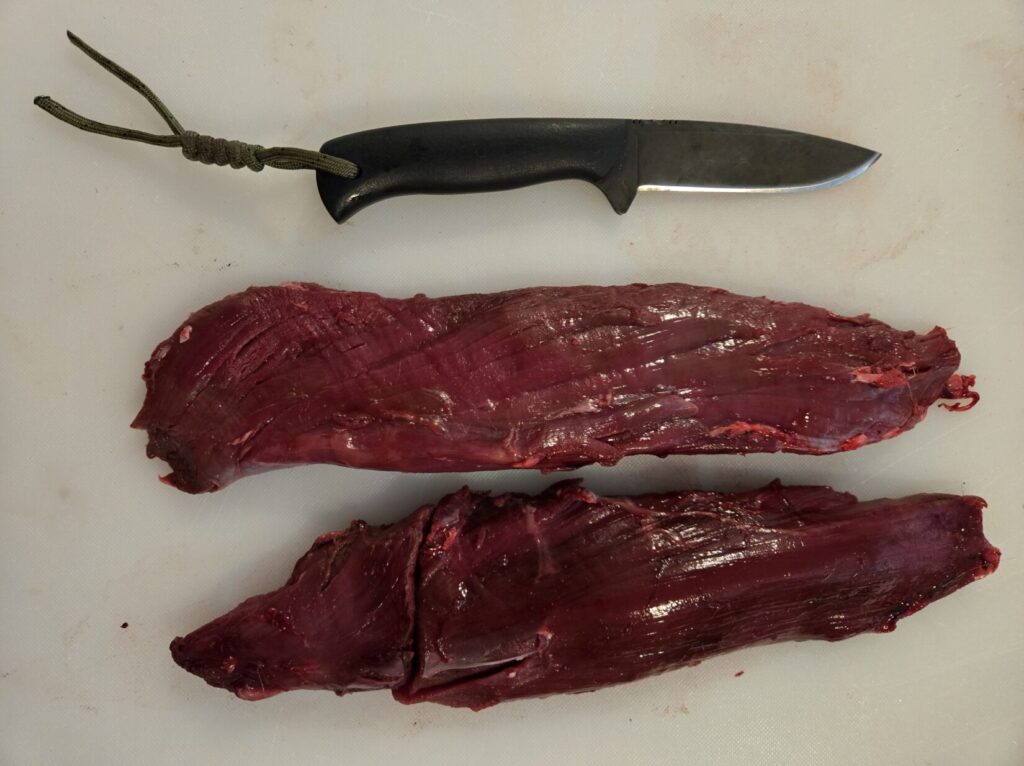
The process of field dressing and butchering can be botched, but it doesn’t have to be. Until the hunter understands how to use their butchering kit, more specialized equipment can be carried. While certain items like the “butt out” and “gut hook” blades help remove the lower colon and open up the abdominal cavity cleanly, they can be looked down upon by those who can do it all with a Leatherman tool.
Throughout the process of butchering, so many mistakes can be made. I prefer to butcher with the animal’s head uphill to help drain all the blood and entrails downhill. Depending on how the animal is positioned, the legs may seem to fight you along the way. Finger cuts are also a common problem when reaching up into the chest cavity, which is why my preferred method involves opening the chest all the way up to the windpipe under the jaw.
Once the animal is gutted, more mistakes can happen when the hide is removed, and the animal is broken down into primal and sub-primal cuts. If you remove the hide on the ground, clear the ground of any loose substrate that you could easily kick up and get all over the meat. Also, make sure you have a place to put your cuts once you remove them from the animal. Perhaps the most egregious sin is not using a sharp enough knife for the process, leading to jagged cuts and meat left on the bone.
Once the animal is taken out of the field, common mistakes occur with the meat management. Grinding too much fat or glands will leave unfavorable flavors in your grind pile. Improper wrapping before freezing can lead to freezer burn and less shelf life.
Hunters love to claim their meat is low cost, but they don’t factor in how much they spend on equipment in a given season. Don’t skimp on good food storage methods and tools and let mistakes ruin the most delicious part of the hunt.
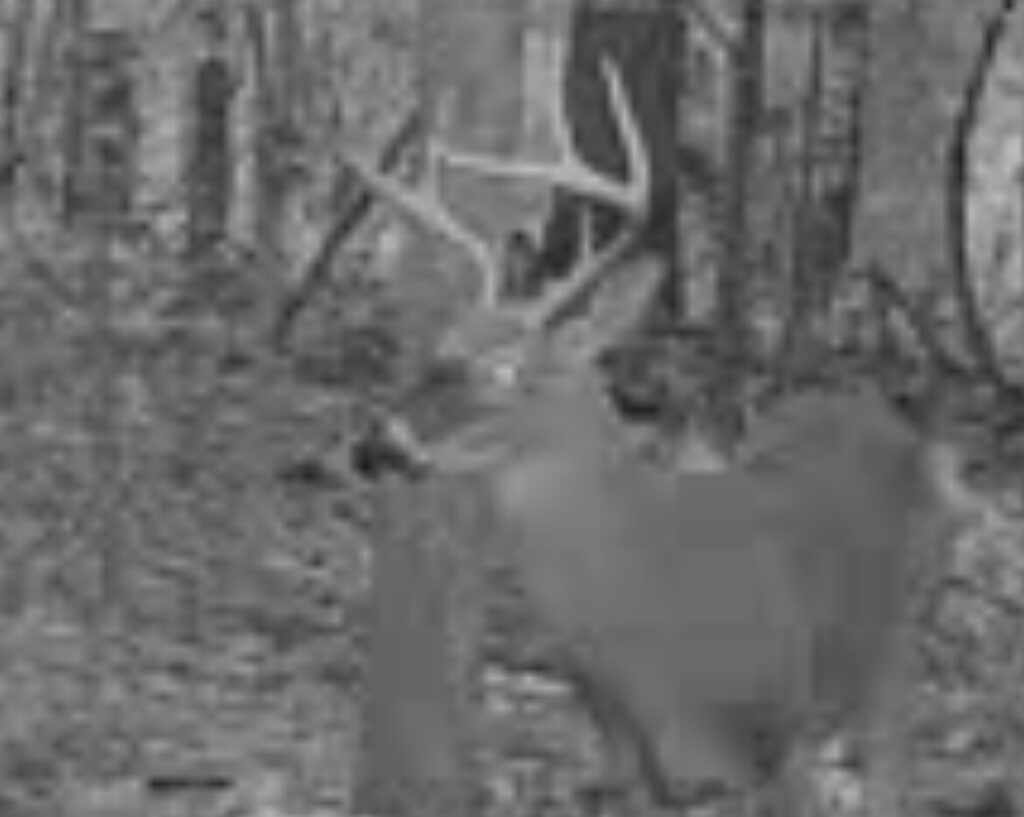
Even with knowledge of these mistakes, they will still happen. It’s easy to get caught up in the hunt and focus on what isn’t as important. While some of these mistakes are unforgivable, some may lead to some unforgettable memories you’ll always remember, and your hunting buddies will never let you forget.
FAQ: A Couple Things Worth Adding
How do I know if my rifle’s zero has shifted?
Shoot a five-shot group at a known distance before hunting season — five rounds show you how your barrel behaves once it heats up, not just where the first cold shots land. Check especially after any transit, muzzle device change, or optic bump — don’t assume last season’s zero still holds.
What is buck fever and how do you get over it?
Buck fever is the adrenaline-driven loss of composure hunters experience when a target animal appears. It can also bring on tunnel vision — hunters get so locked onto the buck that they follow its trail without realizing how far they’ve gone, or that they’re getting lost. Slow your breathing, run a mental checklist, and resist the urge to rush the shot.