
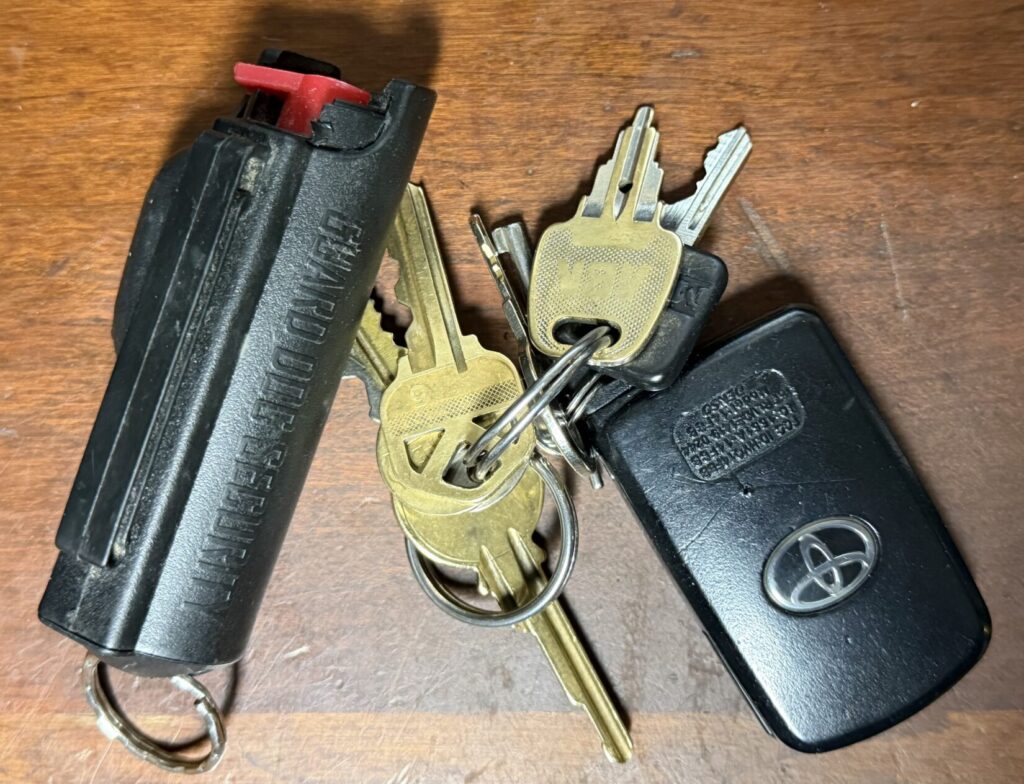
I see a lot of gun and self-defense “influencers” pushing the use of pepper spray as some magical self-defense tool that will make an attacker dissolve into the ground. Two things come to mind: A) I usually see them pushing the same brands, which means they’re probably paid by those companies. B) They’ve never pepper-sprayed anyone for real, outside of a classroom setting.
I’m sure their rebuttal would be “Let me spray you and let’s see how hard and effective you fight.” My response would be two-fold. First, “Cool story, bro, but I have been sprayed and taught how to fight through it.” Second, I have sprayed a lot of people in my 28.5-year police career. None of those deployments of pepper spray immediately incapacitated the suspects.
Classroom beliefs
What a lot of these instructors and “influencers” lack is real-world experience. You have to take into account the mindset of a training environment versus the mindset of a real-world, aggressive encounter with true adrenaline pumping through your veins. Let’s take a look at both.
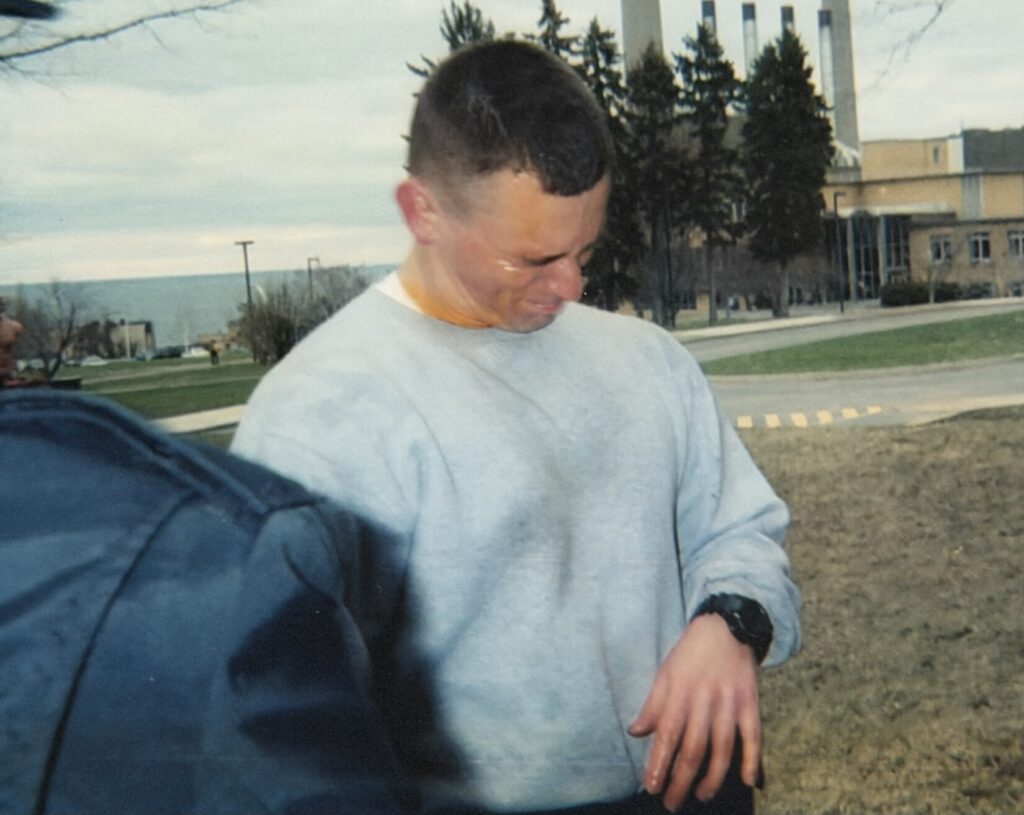
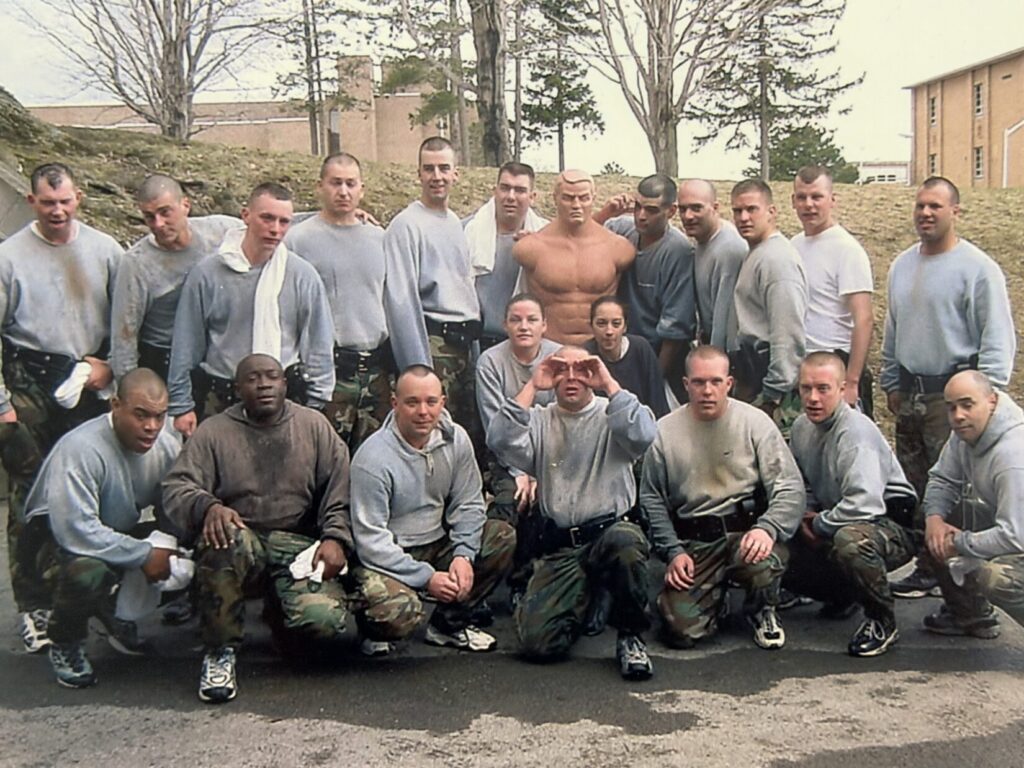
In the classroom, people are nervous about getting sprayed for the first time, or maybe they’re coming back and taking an instructor class and getting sprayed for the second time, and are not looking forward to being sprayed again. They are already increasing the effectiveness of the spray because of their reluctance to submit to getting sprayed. Maybe there is a little adrenaline, but nowhere near the adrenaline dump that someone who doesn’t want to go back to jail will have.
Even while using the techniques taught to fight through the effects of OC (oleoresin capsicum), students look defeated and can’t wait to just complete the block of instruction and wash their eyes.
Street reality
In the street, there will be true “fight-or-flight” adrenaline flowing through a suspect’s veins. That will be fueled by an unquenchable desire not to go back to prison. They will fight like the proverbial third monkey trying to get on Noah’s ark as it starts to rain.
Now add in a “combat mindset.” Experienced criminals who have been sprayed, tased, or hit with batons will fight through it. It won’t be their first rodeo.
I have seen countless suspects who never stopped fighting, still complaining about the effects of OC for over an hour post-arrest. On the flip side, crybaby cops and supervisors will yell at you or order you not to use OC for fear of being hit with overspray or the wind changing directions. I have had some blowback from indoor air conditioning, and after the initial knee-jerk reaction, I realized it was nothing and continued to solve the problem
real world story # 1
The best example of this is a suspect that I ultimately had to shoot. The incident spanned the entire force continuum (minus the Taser). Mere presence, verbal commands, soft hand control,and multiple baton strikes—until he absorbed a baton strike in his palm and ripped the baton from my hand.
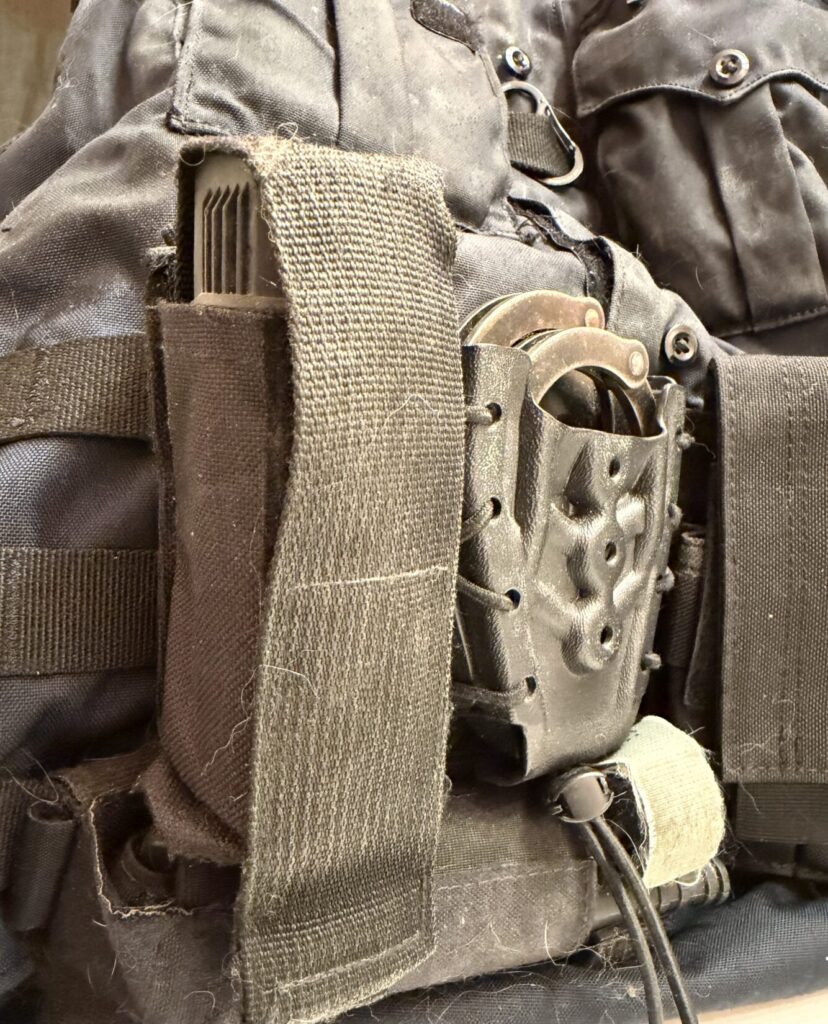
When I drew my pepper spray, he closed an eye and turned his head. He still got a face full of pepper spray as he moved in and eventually got me in a headlock. He was able to grab items off my belt (a flashlight & magazine) while trying to identify them with pepper spray in his eyes.
The suspect was a lot bigger and stronger than me, and as I tried to update my location and call for help, he was able to overpower me, get my radio, and throw it on the roof of a detached garage. We continued to grapple, and as he tried to choke the life out of me, I had no choice but to literally shoot him off of me.
HE had a “combat mindset.” His criminal history had something like 100 arrests—highlights included murder, rape, and kidnapping. He was a suspect in three open New York City homicide investigations and was a member of the Bloods street gang. “Influencers” and civilian instructors who have never faced situations like that and who are paid to sell you a particular product are not who you should take advice from.
real-world STORY TWO
While attempting to arrest a suspect for driving while his ability was impaired by drugs, he was able to break free and lock himself in his car. Being on the side of the highway, it was imperative to stop him as soon as possible to avoid him leading us on a high-speed pursuit.
I immediately shattered his driver’s side window, which gave him multiple lacerations on his face and bald scalp. I quickly followed up with a healthy dose of pepper spray into his face, which also coated the cuts on his face and head. The suspect was extremely muscular, and he latched onto his steering wheel—refusing to let go.
According to radio logs, it took 13 minutes and two officers in a remote area to eventually get the suspect out of the car, on the ground, and in handcuffs.
Tasers
Officers I know who voluntarily got tased during training said that it hurt way worse than pepper spray. However, they would much rather be tased again than be pepper-sprayed again, because once it is over, it is over. Pepper spray effects linger for an hour or more after being rinsed.
While I have zero desire to be tased, we again need to compare the training environment to real-world street encounters. Things like clothing, distance, and lighting can all negatively affect the use of a taser.
False confidence in Tasers, as seen in the above NYPD body camera footage published to “The Independent” YouTube page, can have dire consequences. The NYPD officer using the taser had his nose chopped almost completely off. He repeatedly used a taser on a gun problem, presumably worried about the implications of shooting someone. If your job or community has you that scared about justified deadly force, resign immediately.
The first suspect that I ever tased, I was too close to him (less than the required 7 to 10 feet). I was attempting to remove him from a car and arrest him. He just shoved me away, closed the door, and a high-speed pursuit down I-95 began. A follow-up “drive stun” had also not been successful. This was not exactly the desired result I expected. My next two Taser deployments were not successful because the parties were wearing bulky clothing. The last time I drew my Taser prior to retirement, it was too sunny to see the lasers used to aim the probes.
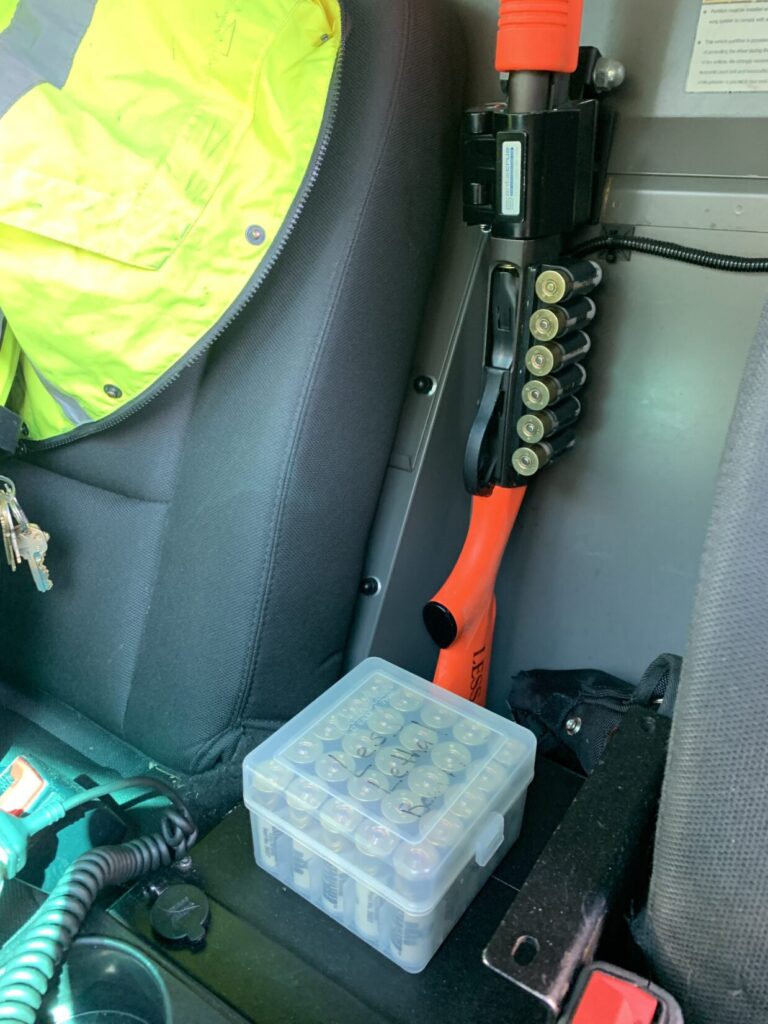
impact munitions
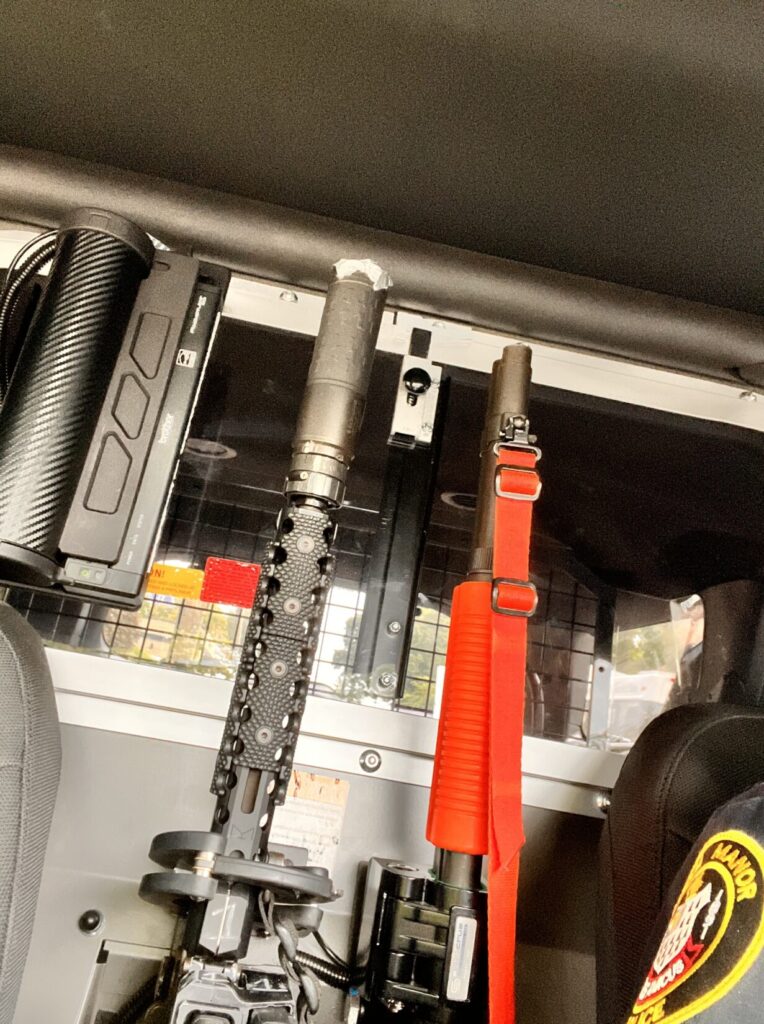
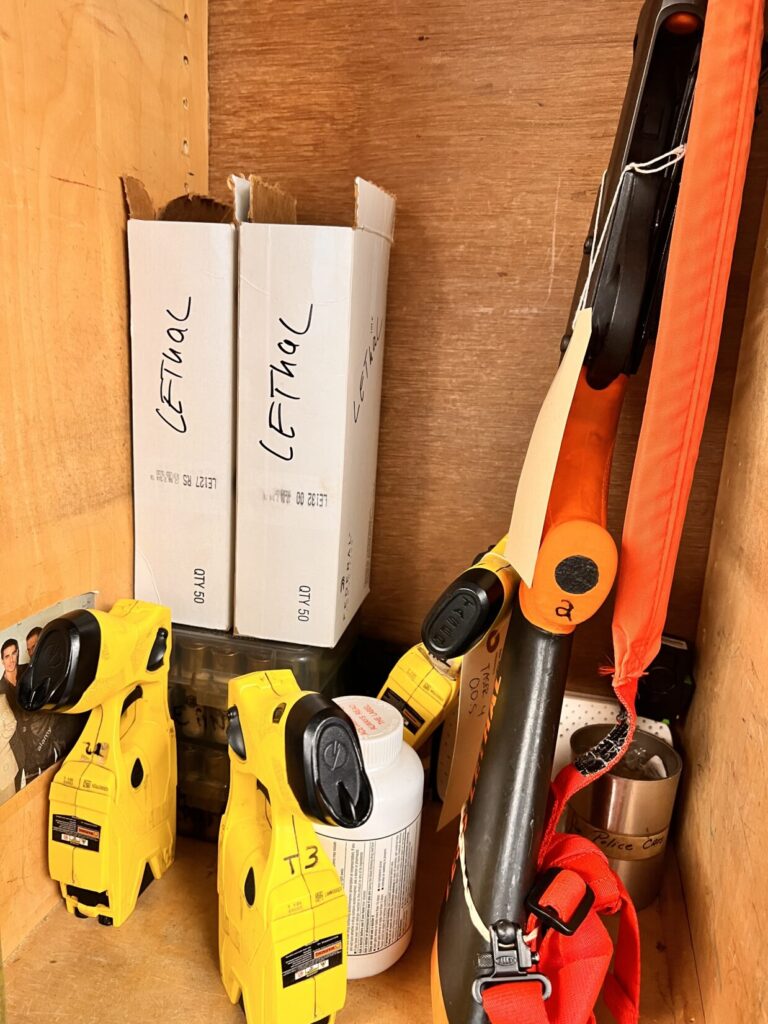
12-gauge “bean bag” rounds or 37mm “baton rounds” are issued in some agencies. I carried a less-lethal shotgun toward the end of my career. While I never had the opportunity to use it, the training we received included videos and pictures of people being hit numerous times with bean bag rounds who would not comply with commands from officers. I have watched similar videos of 37mm impact munitions deployed with zero change in suspect behavior.
Conclusion
Pepper spray, Tasers, metal batons, 12-gauge bean bag rounds, and 37mm “baton rounds” all have one thing in common—they are not a miracle. They may give you a slight advantage, like making it harder for someone to see and breathe—in the case of OC (Olesoresin Capsicum). I will take any advantage, no matter how slight. But you better have a plan B and C because you will need them!