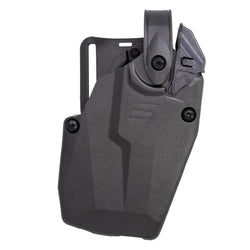
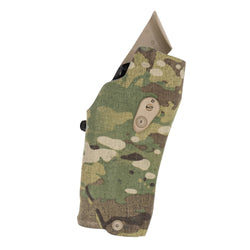

Anyone who has carried a handgun for a few years, professionally or personally, has at least a few holsters for one or more handguns—if not a box of them. It is almost a rite of passage for those who choose to carry a gun.
I first got a handgun permit when I was 18 through a loophole in the New York law. But the county I lived in would only give a “Full Carry” permit to retired law enforcement or someone who had documented proof that their life was in danger and they could convince a judge. So I could only conceal-carry to and from the range. I usually put on a light jacket or covered it with an untucked shirt, but it was difficult to conceal the S&W 411 and, later, the Glock 22 and their respective holsters, which I had back then. So I didn’t pay too much attention to concealed carry.
Becoming a police officer
While not fair and certainly unconstitutional, my rights were finally granted to me when I became a police officer. I started my career with the NYPD, and my duty gun was a Glock 19 Gen 2.
Back then, the style of dress for most people was a t-shirt tucked into the pants and no belt. We were only authorized under NYPD policy to carry our duty gun or one of the authorized revolvers, or “off-duty guns” as we referred to them, while off duty.
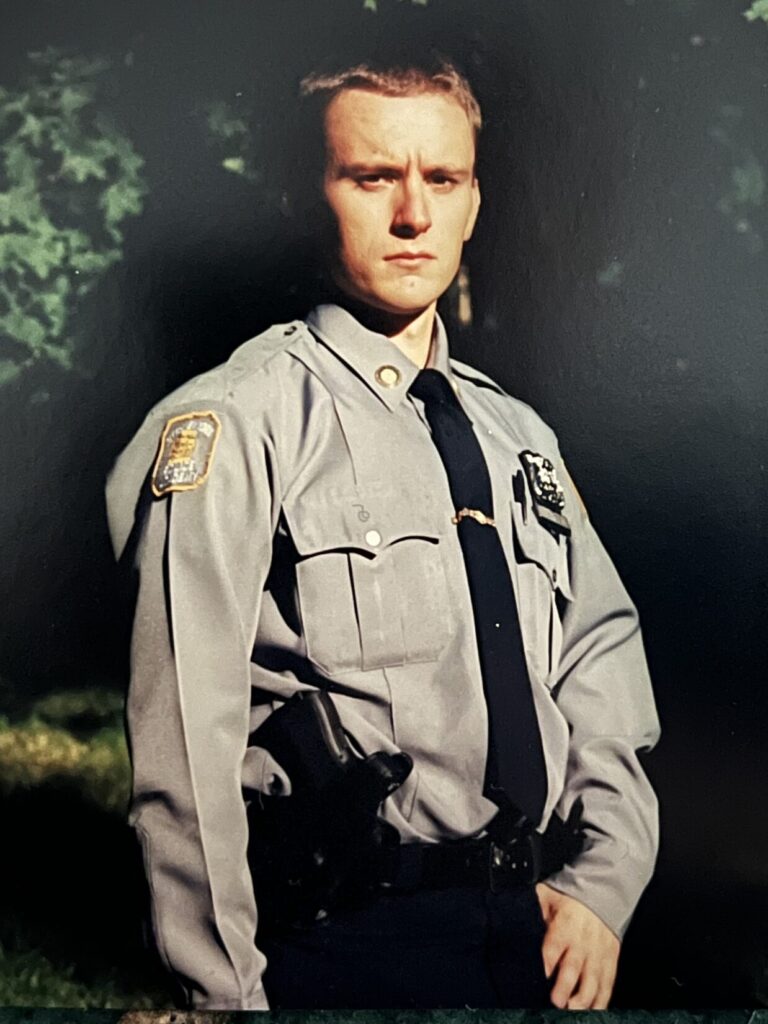
At the time, you were issued your gun and shield one month before graduation from the academy and at the start of academy field training. This has come to be known as “Gun and Shield Day.” You didn’t have access to the paperwork to purchase an off-duty/backup gun until after graduation, when you reported to your first command.
When we got to our first command, we were discouraged from buying an off-duty/backup gun for a little while. We were told guns get cops in trouble, which is true. We were also told that we didn’t want to appear overzealous to buy a second gun. So the first few months of being able to carry a gun were super frustrating.
Becoming a fashion slave to concealed carry
That frustration foreshadowed the future of my concealed carry evolution. I had, for concealed carry, to wear an untucked t-shirt with my Glock 19 in a fake leather “pancake holster” at 3 o’clock, which printed. So I stood out because my t-shirt was untucked, and I printed with the G19 and the holster that I had at the time.
What I have come to learn for both males and females alike, but especially for females, is that you become a “fashion slave” to concealed carry. To be able to carry the gun that you want, you need to dress around the gun.
Eventually, I found a suede In-the-Waistband (IWB) holster with a spring-steel belt clip that helped reduce printing. Appendix wasn’t much of a thing back then and neither were “concealment wings” that pull the butt of the gun closer to your body, so I still carried at 3 o’clock. There was still some printing, and still the issue of standing out with an untucked shirt, but it was the best option at the time.
At some point, I bought a fanny pack. While sure, now I could tuck in my shirt and carry my Glock 19 and a spare magazine, back then I drew attention for the fanny pack. Not to mention, it’s not the most masculine thing to be sporting. At least I started to see options.
the start of the evolution
After a few months of being in the precinct field training unit, all 15 of us went out and bought off-duty guns on the same day. Now I had a way more concealable firearm: a five-shot Smith and Wesson J-frame revolver, the 640 Centennial in .38 special.
That “way more concealable firearm” held less than 1/3 the capacity of my 15-plus-one Glock 19. It was harder to shoot, slower to reload, and had much less desirable sights. But, I could now tuck in my shirt (around the grip of the revolver) using the same style suede IWB holster as I had for my G19, and I started to carry appendix (that phrase didn’t exist back then).
I could also wear a belt to hide the belt clip for the holster—an important tip, as I once caught a street thug carrying a gun because of his exposed belt clip.
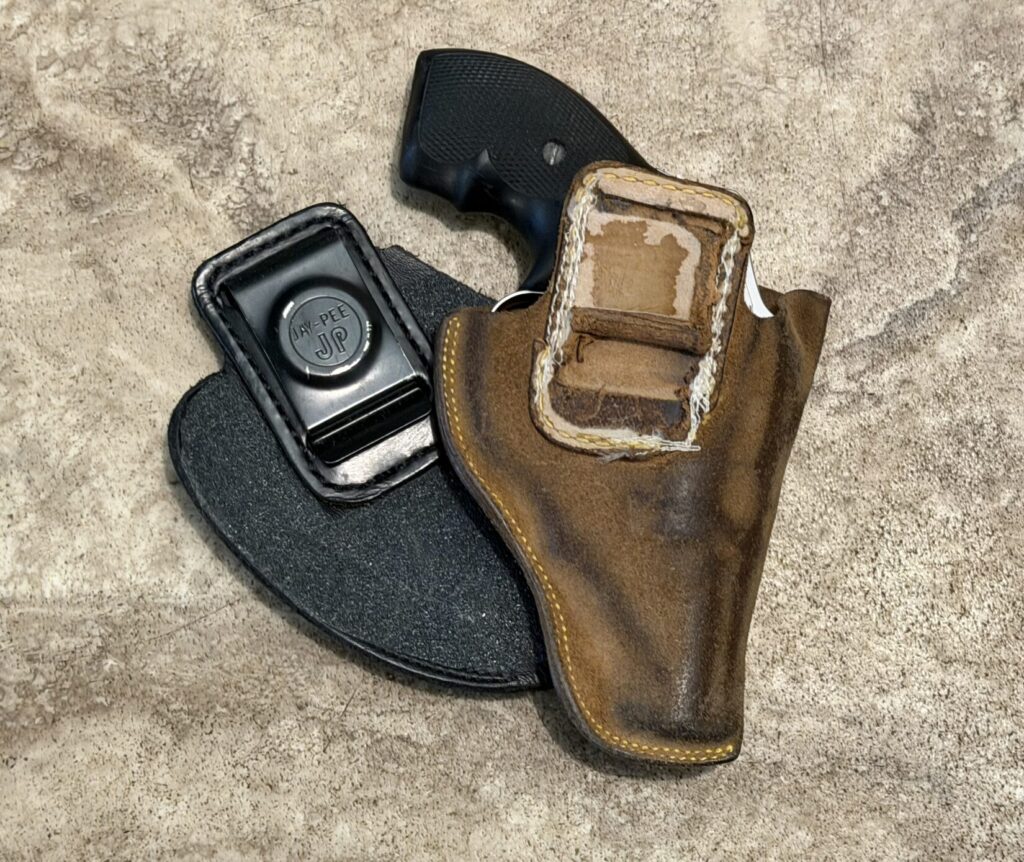
I would throw a speed loader in my pocket with another 5 rounds. But, I couldn’t re-holster without taking the holster off, because it collapsed once you drew (same as my Glock 19 holster). So, I started to learn that there is always give and take with concealed carry.
Advances in holsters
In the colder months, I tried to carry my Glock 19. I usually carried at 3 o’clock in that fake leather holster I mentioned under a sweatshirt and/or a jacket. That could be problematic if you were out at, say, a restaurant and wanted to take your jacket off. Even if you didn’t, you had to make sure that your holster didn’t stick out below your waist-length jacket or sweatshirt. I saw that all the time in stores or at work.
Another issue was that even real leather double-stitched holsters that allowed one-handed re-holstering would eventually weaken and become flaccid. That made it necessary to use two hands to holster, and you risked flagging your support hand.
Enter the Kydex holster. Sturdy plastic vacuum-molded/heat-pressed to the exact model of your gun with the iconic “click” that it makes when you re-holster. Now you could re-holster one-handed, without flagging yourself. The downside early on? No IWB options, initially.
Advances in firearms
A year or so after I came on the job, NYPD authorized the Glock 26 for off-duty and as a backup gun. Now we could have a semi-automatic pistol with a 10 + 1 capacity, that was easier to shoot, had night sights, and could take the full-size magazines as well.
While slightly bigger than the S&W 640, it wasn’t that much bigger. So it was a great upgrade. Those advancements would continue over the years to include guns like the S&W Shield, Glock 43, P365, and many other “micro compact” guns with good capacity and accuracy.
Holster types and carry positions to avoid
This may cause a few to shed some tears, but hear me out. I have tried them all. Some out of necessity. All should be avoided, in my opinion. The list includes: ankle holsters, “minimalist” holsters, shoulder holsters, and more.
The ankle holster is probably the worst method of carry there is.
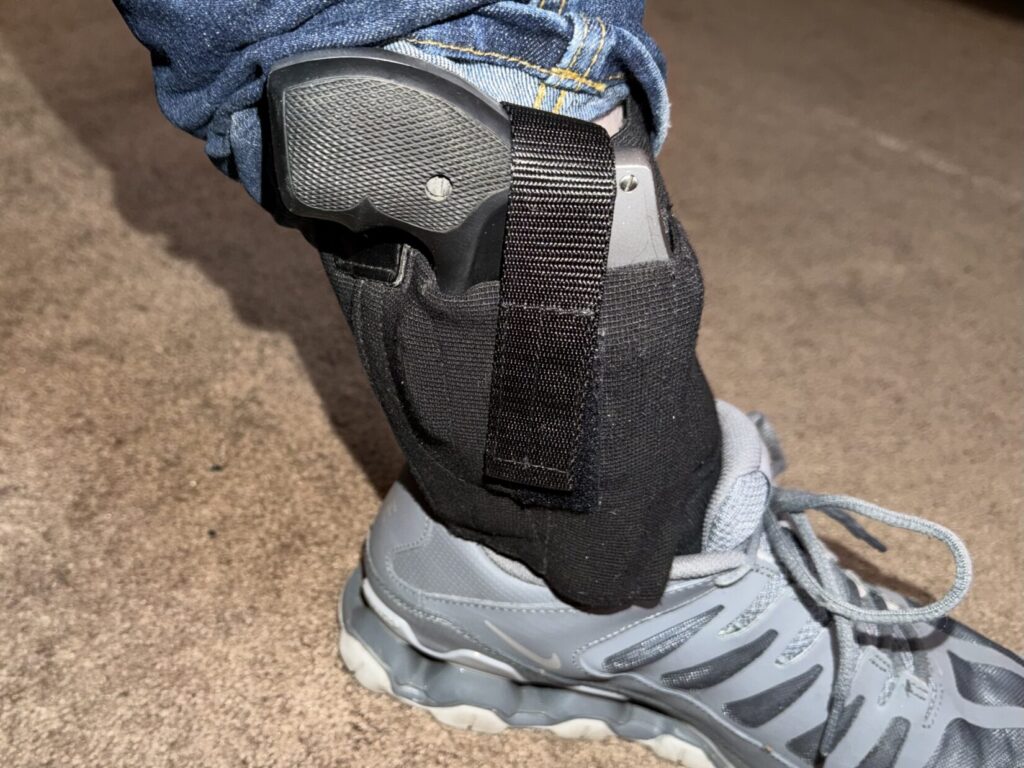
STORY TIME: When I was in the New York City Police Academy, a gym LT relayed a story about how he observed that three men were following him. He needed to fake tying his shoe quickly to draw from his ankle holster. He got the drop on the suspects, who were about to rob him, just in time. So it is difficult to draw fast.
Ankle holster story number two. A cop I worked with in the 47th Precinct got in a foot pursuit. The suspect made a left. The cop made a left. The cop’s backup gun, which he kept in an ankle holster, continued straight down White Plains Road. So they are not a secure option.
Other ankle holster issues include: if you got in an unprovoked physical altercation, would your ankle holster become exposed and allow the attacker to grab your gun and use it against you? You are also walking around with a 2 lb weight on one of your ankles all day. Lastly, dress pants aren’t usually long enough when you are seated, and the gun is exposed.
Moving on to another carry position I avoid: this should be obvious, but you will flag yourself every time you draw and re-holster from a shoulder holster. You will most likely flag someone next to you and definitely behind you at the same time. In the street, that may be one and done. Practice your draw on the range, and you will probably be asked to leave. What do you do when out in public and want to take your jacket off? It looked cool in Miami Vice, but this is real life.
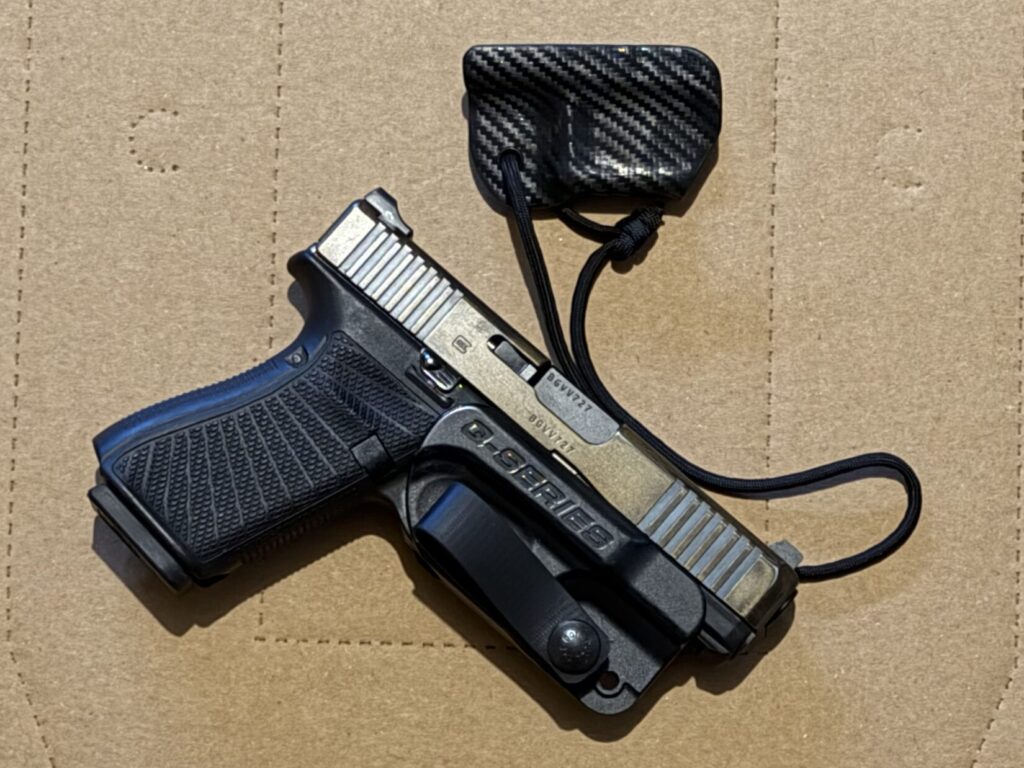
I tried a few true minimalist holsters for a while. They snapped over the trigger guard and had a belt clip or lanyard. If you turned and bent in certain directions, the gun would pop out of the holster. Now you have to find a bathroom or private place to get it back in the holster. Which also means if you need to holster quickly to go hands-on or because law enforcement is arriving, you can’t. If you ended up in a physical altercation, it would more than likely pop out as well.
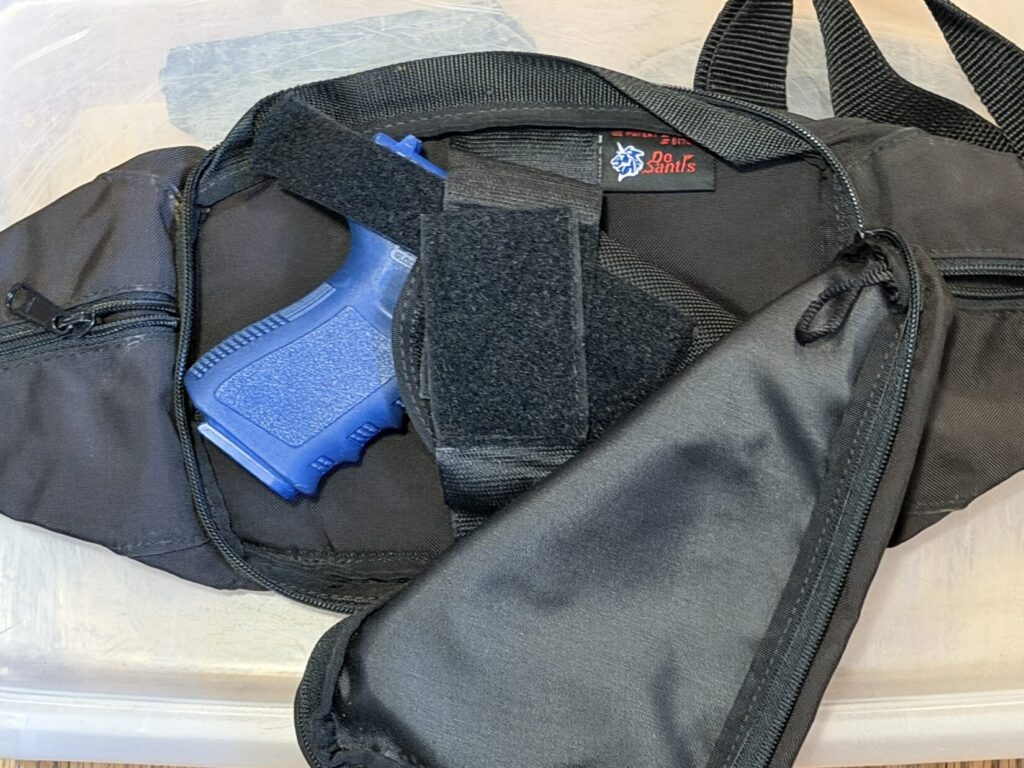
I mentioned some of the issues with fanny pack holsters earlier. Here is one more. I was in line at a store once and saw a guy with a wallet in one back pocket, phone in the other, and keys in hand. I immediately thought he had a gun in the fanny pack. A 21-year-old behind the counter turned to another and said she noticed he didn’t need a fanny pack, and it seemed odd to her. No mention of a gun. But he stood out.
cross draw and trigger finger activated release
Two more carry methods that, in my opinion, are to be avoided are the cross draw and holsters with trigger-finger-activated retention releases. I have seen poorly trained cops and civilians alike use both.
Holsters that use the trigger finger to deactivate the retention of the pistol have been banned by places like the Federal Law Enforcement Training Center (FLETC), as well as training companies like Stretz Tactical, because of numerous incidents of negligent discharges. Drawing the pistol, while pressing inward on the holster’s retention mechanism with the trigger finger, has been a recipe for disaster and should be avoided.
Some advocate the cross draw for riding in a vehicle and claim it’s better for a more efficient draw while seated and belted in. That is far from the only option while in a vehicle. Switching to and from cross draw when getting in and out of a car risks you getting seen with your gun out if someone sees into your car. I prefer to have one way to carry my gun on duty and one for off duty.
Speaking of on duty, I have seen cops, although rare, use cross-draw on duty. Do you think it would be easier or harder for someone to take your gun using cross-draw? Do you think you can draw every time without flagging someone? Enough said!
support equipment
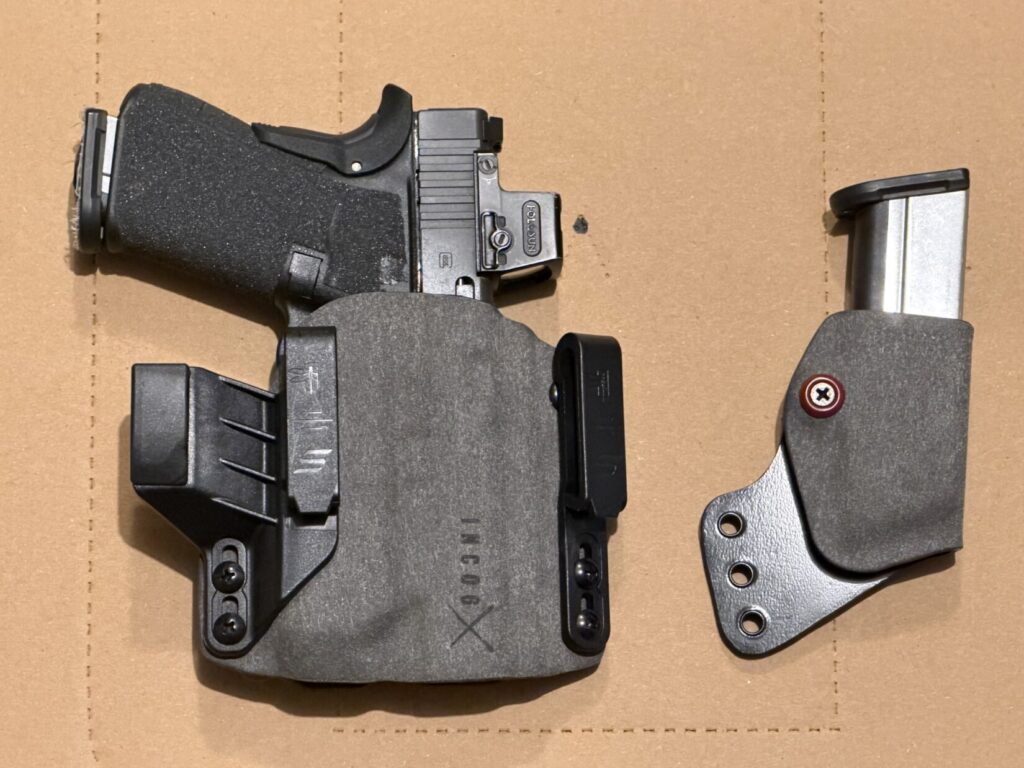
Something often overlooked with concealed carry is what I refer to as support equipment. Things like a spare magazine and mag pouch, a handheld light, spare batteries, a blade, or a second gun. You may have a gun and a weapon-mounted light, but what if that light dies? Is six plus one (or whatever your capacity) enough for multiple attackers wearing soft body armor?
holsters in 2026
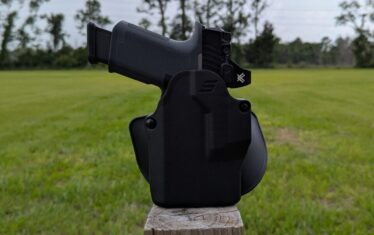
The choices in 2026 include everything I already mentioned and a whole lot more. Over the years, things like “concealment wings” & “concealment wedges” have been introduced that help keep the butt of the pistol pressed against your body and mitigate printing. These advances would have allowed me to carry my G19 in that old suede holster appendix, without printing, if they had been available back in the day. Add it to modern Kydex IWB holsters, and now printing is greatly reduced with the bonus that you can re-holster one-handed.
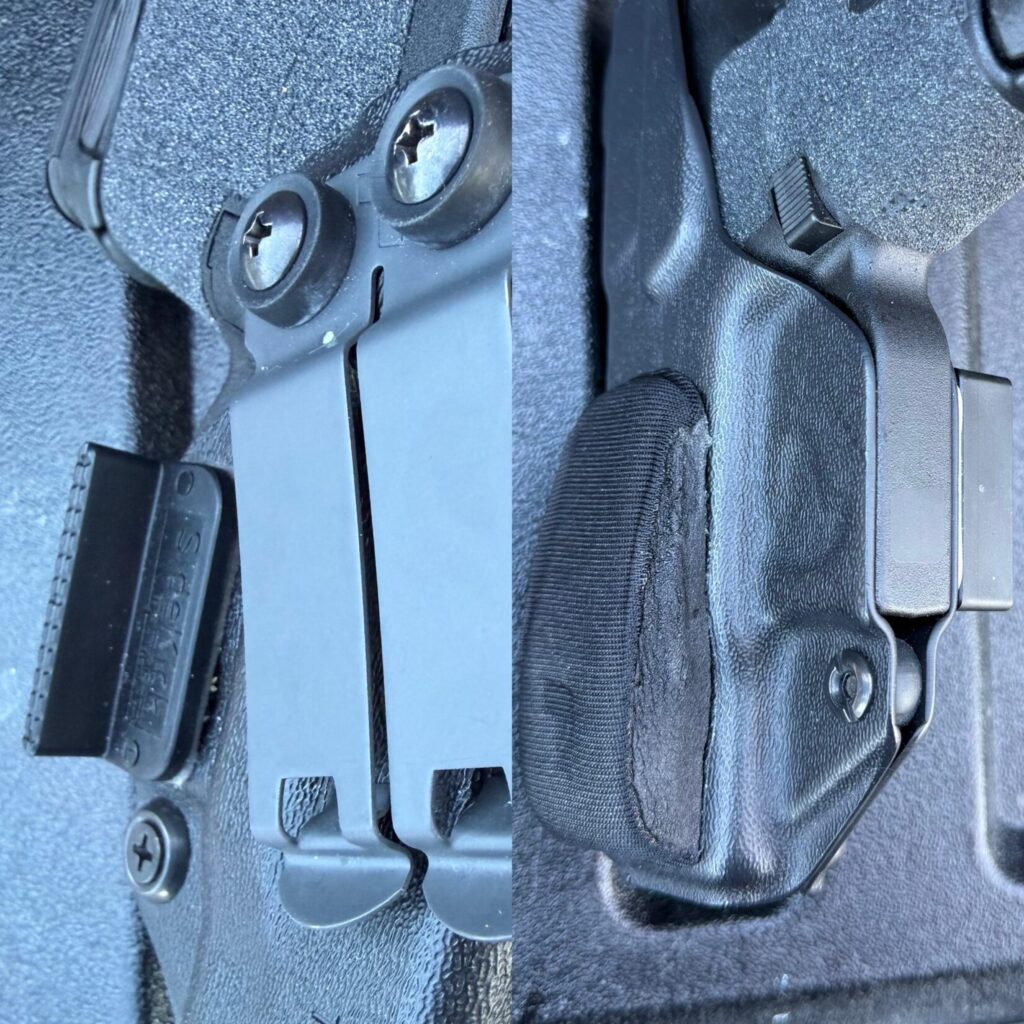
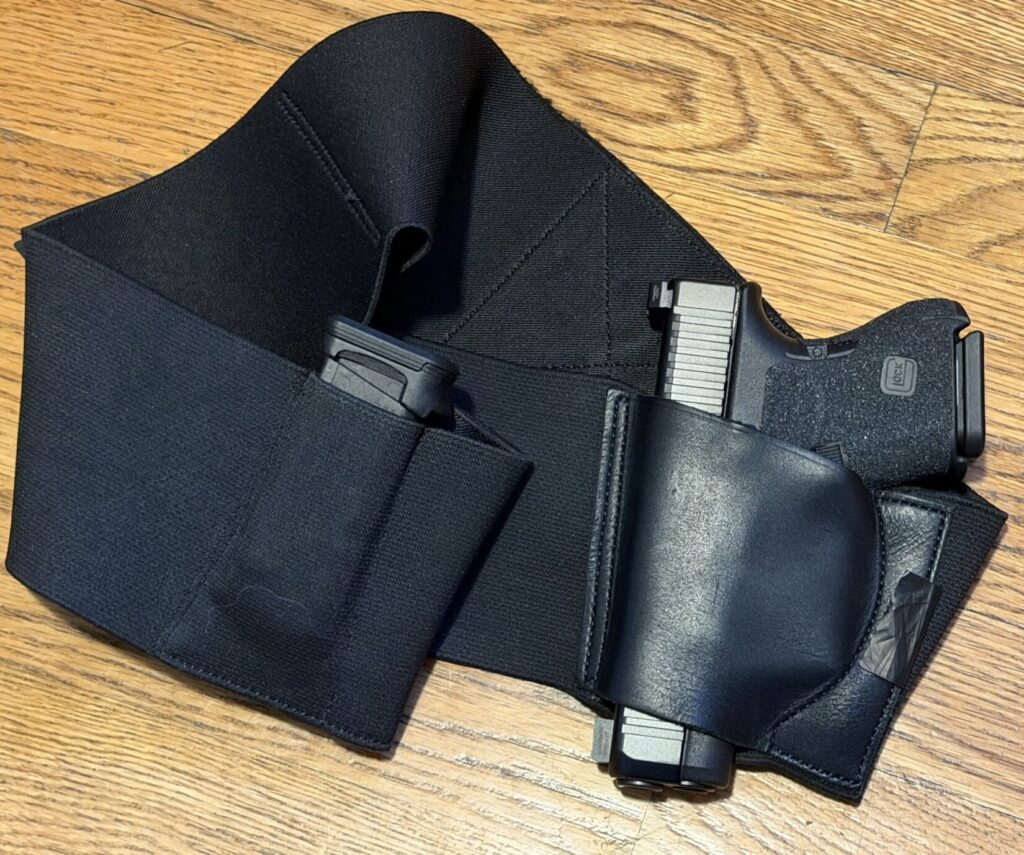
Other holsters like “belly bands” and concealed carry athletic wear allow you to carry a pistol, spare magazine, and wallet while wearing shorts or leggings. So now there is no reason not to be armed all the time. Remember, preparedness is not paranoia.
pitfalls, giveaways, and printing
I talked earlier about how fanny pack holsters and wearing an untucked t-shirt at a time when the style was to tuck it in could draw attention. I also mentioned cops in the 90’s and early 2000’s wearing OWB pancake holsters that stuck out below their jackets/sweatshirts. Not to mention the street thug who I spotted with a gun, due to his holster’s belt clip.
I have observed countless other people while on duty who either let themselves print very obviously, like the federal agent I observed who was off duty and grocery shopping. He tried to “conceal” his 6000 series Safariland holster with a t-shirt. Or the overweight CCW holder who was in a supermarket “concealing” a full-sized pistol in an OWB holster with a tight white t-shirt. The off-duty officer squatted down in the gas station with no care to pull his shirt down over his gun.
Some people might say, “So what? Where I live, everyone concealed carries or open carries.” The so-what’s are the videos of people open carrying, who had their guns taken from them. Like the off-duty NYPD detective who stuck her unholstered pistol in the small of her back while wearing leggings and had it ripped right off her by a guy in a bodega.
While I believe open carry should be legal and, in my mind, has a place in civil unrest situations. The rest of the time, no one should know that you are armed. That is for your safety and for the safety of those around you.
Conclusion
I hope I gave you some food for thought in your concealed carry journey. Depending on your size, shape, gender, and style of dress, your mileage may vary. But rest assured, Safariland has many options to help you along that journey!