
The concept of pre-attack indicators is simple: what are some signs that an attack from an individual or group might be incoming? This will vary widely depending on your location and situation.
In Afghanistan, some indicators included empty streets and the presence of military-age males. For the average armed civilian, this isn’t the case. While pre-attack indicators cover a wide swath of situations and environments, we are going to focus on what the average person in the United States may encounter.
Pre-attack indicators are body language a threat may demonstrate prior to launching an attack.
Processing Information
We’ve all likely come face-to-face with some form of pre-attack indicator. Rattlesnakes give a pretty good one, but some aren’t so evident. For example, a dog barking somewhat aggressively is certainly a indicator, but it’s no guarantee.
My dog will bark at you all day, but she’s hoping for a belly scratch and a treat. I bring this up because a pre-attack indicator does not guarantee an attack. We are interpreting behavior based on a wide swath of experiences.

Just because you see a pre-attack indicator doesn’t mean an attack is imminent. The person (or animal) might not even know they are giving off pre-attack indicators. Information is power, but how you use the information matters.
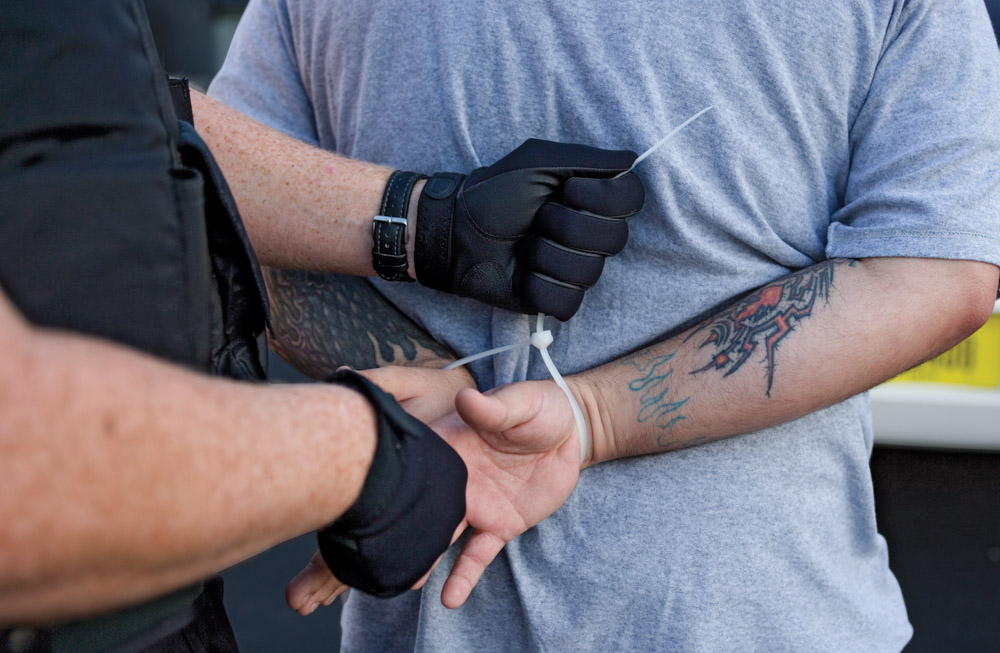
We use these indicators to prepare ourselves and take measures to reduce the likelihood of an attack or determine how we can respond to the attack effectively. Responding to these indicators with violence is a great way to get a set of bracelets and a prison sentence. Using those indicators to avoid danger is the best way to process the information.
If you recognize a pre-attack indicator, it can be wise to plan an escape or form a plan to prevent violence rather than stand still and see what happens. Escape, de-escalate, and avoid are all extremely valid defensive tactics.
The Debate About Pre-Attack Indicators
There is some debate about the effectiveness of utilizing these indicators. Some studies have shown that even people aware of the indicators have a low chance of predicting behavior. Some research has shown that signals of violence are the same signals that someone puts off when they assume they are being judged as a threat.
Beyond that, the empirical data behind the validity of pre-attack indicators is lacking. There aren’t many studies done to verify how accurate the indicators are as a whole, and which indicators in particular are used when an attack is more likely.
Pre-Attack Indicators: What To Look For
Some indicators are self-evident. Someone is doing the typical “tough guy” thing: they get in your face, go chest-to-chest, and start making threats to make their intentions clear. They might not have put their hands on you yet, but it’s likely coming.

Another clear and present danger is when someone displays a weapon, be it a gun or a knife. For most of us, the presence of a weapon is an indicator of likely aggravated assault. However, you’d be shocked at the number of videos of young men arguing and ignoring the fact that the other has a weapon.
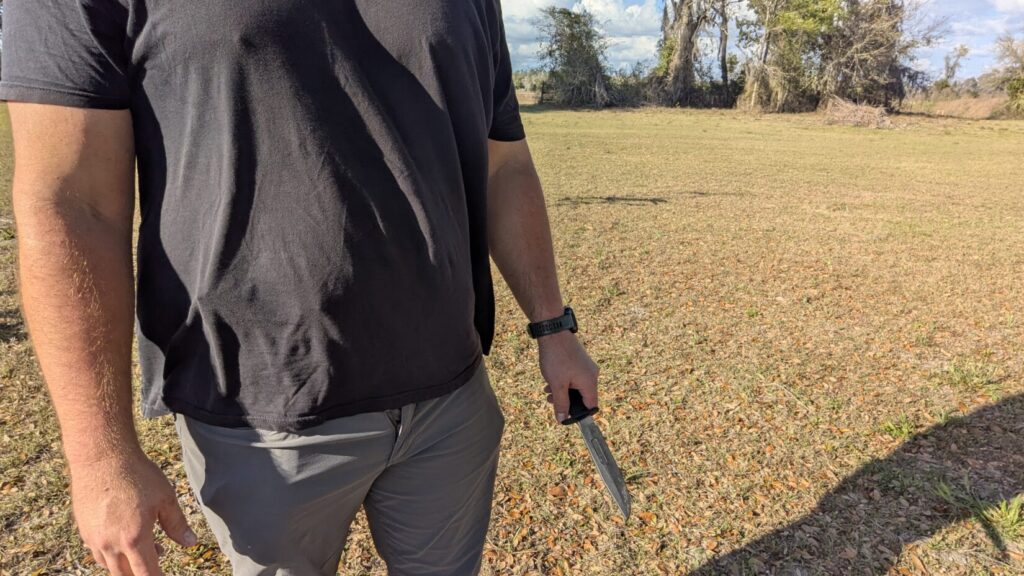
If a weapon is present, never assume someone isn’t willing to use it on you. In that situation, things are escalating rapidly, and the last thing anyone should attempt to do is escalate the situation. Those are evident pre-attack indicators, but the trickier ones leave room for interpretation.
Watch Out Situations
Does someone keep looking over at you, someone you don’t know or recognize, and someone who doesn’t necessarily have a reason to look at you more than once? That itself isn’t an indicator of anything; maybe you’re just good-looking.
Combine that with someone making a beeline in your direction, and things get fishy. They are now gauging for a purposeful interaction. One thing to keep in mind about these pre-attack indicators is that they stack up. They combine to create an undesirable scenario.
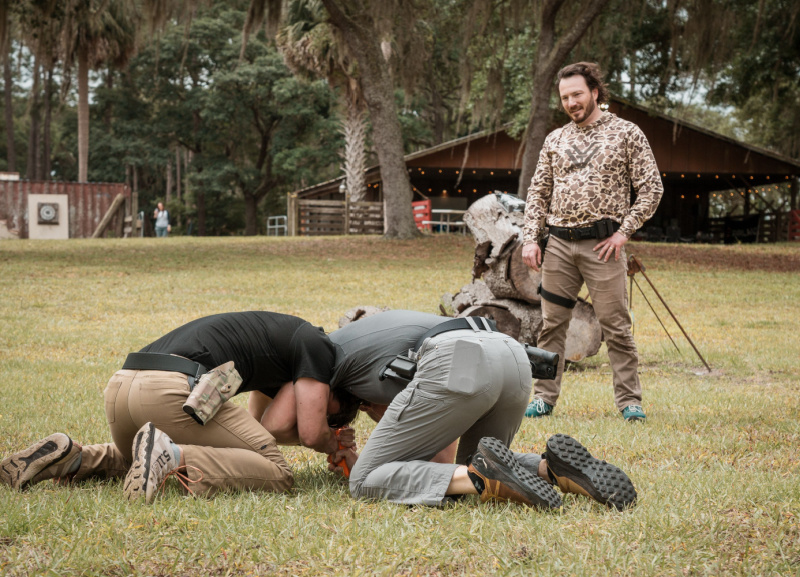
A common pre-attack indicator is attempting to flank you to obtain a position where you might be vulnerable to attack. This is especially prevalent with multiple aggressors: one talks, and one moves.
Movement is important. Are they attempting to inch forward at you? Where is the person looking? Are they looking at you, making eye contact, or are they looking at your hands or your waist? Maybe you’re printing, and they noticed your gun. If the eyes are moving consistently to one location on your body, it could be an indicator of where they plan to attack.
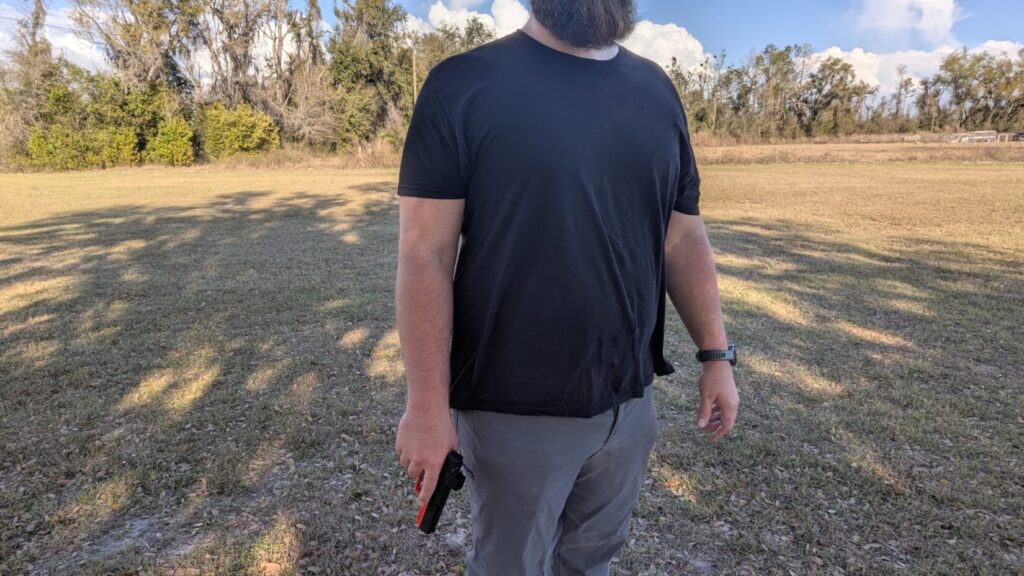
Body position matters. If someone drops their body to one side in a boxer-like stance, they may be positioning to attack. Combine that with clenched fists and visible body clenching, and they might be readying themselves to fight.
An Expert’s Advice
Craig Douglas, of ShivWorks, worked as an undercover police officer. After any violent scenario that happened to him, and later officers he supervised, he reviewed the footage. In reviewing this footage, he noticed some indicators that were common right before an attack.
The first is grooming, which Mr. Douglas refers to as any kind of movement of the hand around the face. This could be rubbing the back of the neck or head, covering the mouth, scratching an ear, etc. Any hand movement around the face could indicate an attempt to deceive and attack.

Mr. Douglas, among other experts, also notes that looking around vaguely while conversing is a pre-attack indicator. They look left, right, and behind. This could be a threat, looking to make sure there are no witnesses or police, or to plan an escape route.

Another common pre-attack indicator displayed in Mr. Douglas’ experience is a sudden shift in weight, moving the weight from one foot to another. This signals a planting of feet in preparation for an attack, which might come in the form of a strike. They are carefully establishing a fighting stance.
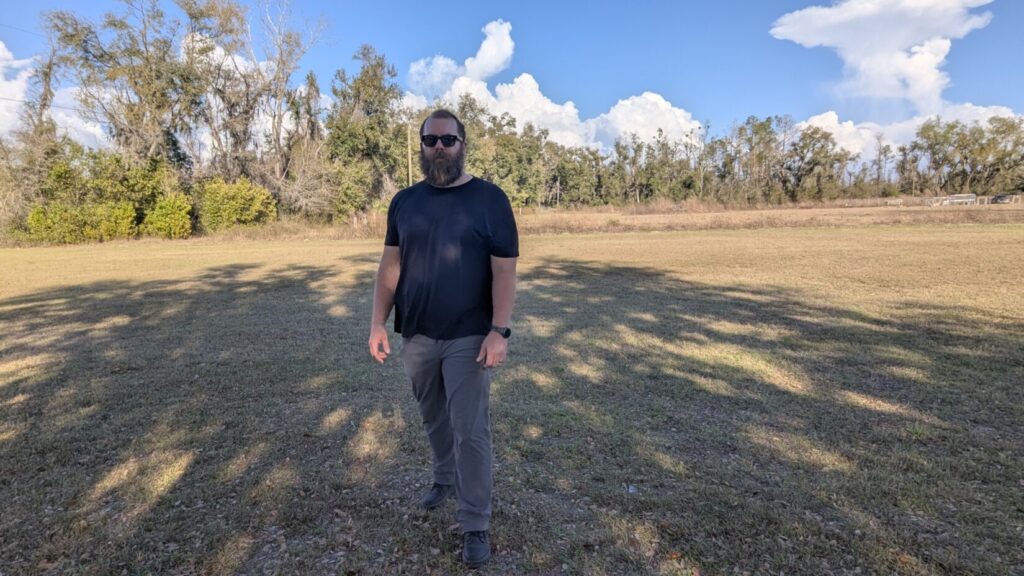
The fourth is a sly hand movement to the waist, likely where a weapon is staged prior to an attack. One commonly noted pre-attack indicator is a “patting” of a staged weapon: a simple touch to remind the person it’s right there.
Being Ready
Pre-attack indicators don’t always mean you’ll be attacked. As the behaviors stack and indicators keep flaring up, you should take caution. Be prepared to escape, de-escalate, and avoid if possible.
Think of these behaviors as intelligence. Potential aggressors are giving you intelligence, so when possible, use that intelligence to avoid a violent situation. Don’t just wait for an attack.

At the same time, prepare yourself mentally for an attack. It might happen if you fail to escape, de-escalate, or avoid the aggressor.
Mental preparation is an invaluable tool for winning an engagement. Know the pre-attack indicators and learn to recognize them. Make it part of your defensive mindset and training. It gives you time, and time, as always, is decisional currency.