
In Part II of this series, we discussed how positioning and direction of fire can prevent Blue-on-Blue during Car Jumps and other potentially kinetic situations. In this installment, we’ll examine the most important aspect of fire discipline: Positive IDentification, or PID.
self-control
“Probably the most serious obstacle to the popular understanding of riflecraft is the fact that rifle marksmanship is dependent entirely upon individual self-control, and self-control is out of fashion in the Age of the Common Man.”
–Jeff Cooper, The Art of the Rifle
When you pack heat, you literally bear the power of life or death over all those around you. That immense responsibility is not for people who lack self-discipline.
Some people who are neither mentally nor morally equipped to bear that burden choose to carry firearms. Many of those are criminals, but some who actually mean well are just ignorant. They don’t know what they think they know, regarding Use of Force.
While we can’t fix stupid, we can cure ignorance through education and training. Self-control takes longer to become habitual. We can work on self control as adults. It’s easier if we learn it when we are young.
WHERE DO YOU PUT YOUR COOKIES?
When his children were young, my friend Bruce didn’t put the cookie jar on the top shelf. He put it right in the middle of the table.
Bruce told his kids that cookies were off limits before dinner. I’m sure at first there was some temptation and testing of limits, with appropriate consequences. Eventually, using that cookie jar and other kid-sized doses of personal responsibility, Bruce wound up with self-disciplined adult offspring.
PID IS NOT JUST A NICE-TO-HAVE
Many factors go into a well-considered Use of Force decision, but none is more important than PID, Positive IDentification, of your potential threat as a genuine threat. In the military we called it IFF: Identification, Friend or Foe.

There is zero margin for error. The jury who judges you, almost as hard as you will judge yourself, will have the benefit of 20/20 hindsight. You will not, when you’re forced to make that decision.
You simply must have the self-control to hold off on pulling the trigger until after you Positively IDentify your target as a threat.
This almost always applies even if others that you trust believe the subject is a threat.
A CONSCIOUS DECISION TO TRUST
Such trust is not usually a conscious thought process, although with an established chain of command, or an observer partner directing fire with binoculars, it can be.
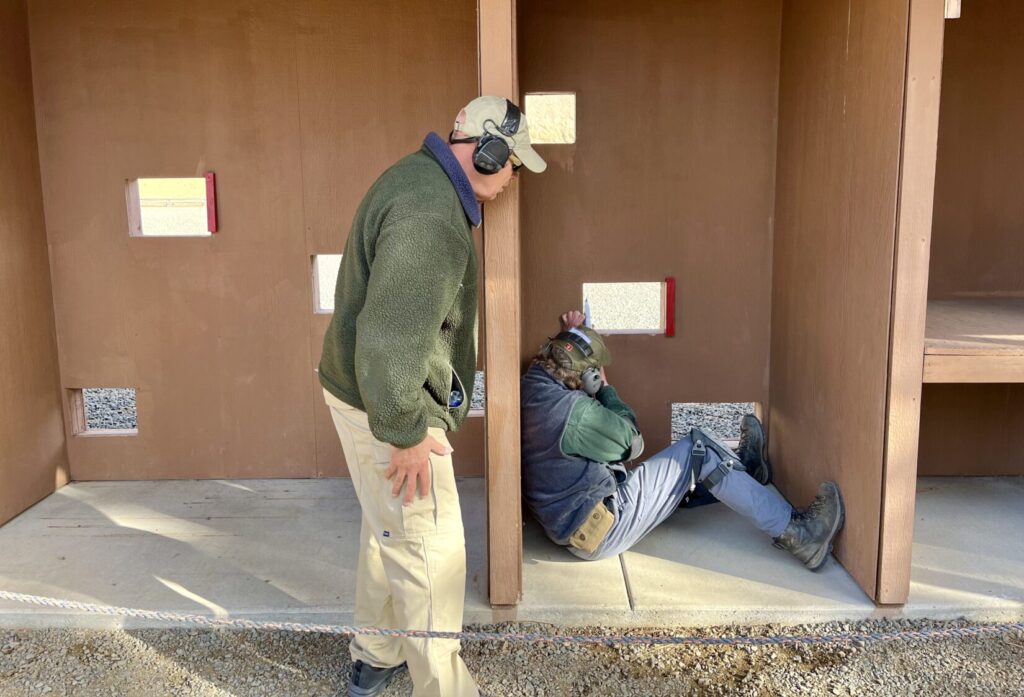
On October 7, 1993, Albuquerque PD SWAT sniper Steve Rodriguez responded to a hostage taker who had walked into a bank with a bag containing a bundle of cylindrical objects that looked like dynamite, and a handgun.
The best place to set up was already taken by another police marksman, so Rodriguez moved to the courtyard of a dentist’s office. From the angle he was at, about 54 yards from the hostage taker and the hostage, Steve could not verify through his scope that the hostage taker was armed.
When he announced that he could not see the pistol, Steve’s commander replied, “He’s got one. Take the shot if you can.”
Rodriguez did, saving the hostage.
Steve’s trust in his commander’s word was absolute, and it was warranted. The hostage taker did have a 9mm pistol. The “bomb” the hostage taker had in a bag turned out to be a bundle of road flares.
UVALDE: The Wrong Man in Black
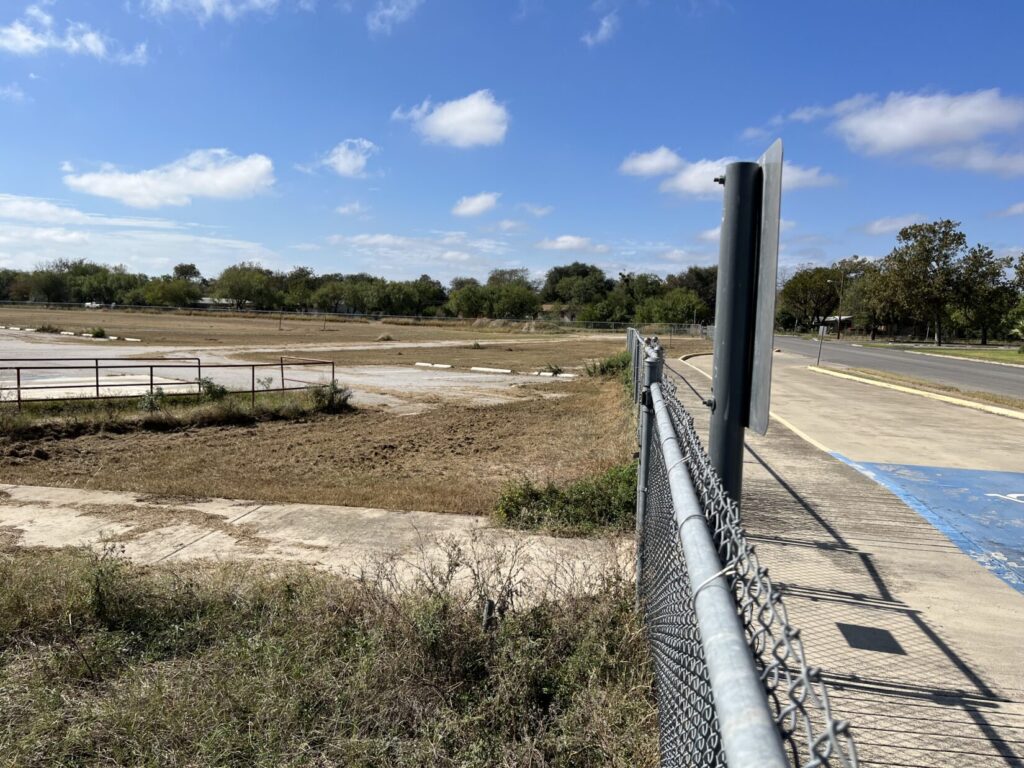
On May 24, 2022, a young man wearing black jumped over the five-foot fence around the playground at Robb Elementary. He had already shot a rifle at people in front of several witnesses. An officer responding with a patrol rifle spotted someone wearing black running on the playground, over 100 yards away. Children were also running nearby.
The officer could not identify a weapon at that distance. Unsure of what to do, the officer asked a superior, UPD Sgt Daniel Coronado, for authorization to engage. Sgt. Coronado had even less information than the officer looking at the man in black through rifle sights. Moments later, the man in black was out of sight.
erroneous reporting
Initially this was reported as a law enforcement screwup that cost lives. If only the officer had taken the initiative to drop the hammer on that guy, the reasoning went, or if the supervisor had the spine to make a command decision, all that carnage could have been avoided. Like much of the early reporting in the 24-hour news cycle, it was based on incomplete (and as it turned out, erroneous) information.
The officer could not verify, with her or his own eyes, that the man in black was a threat. Subsequent investigation revealed that the man in black the officer saw was not the killer, who also happened to be wearing black. It was a Robb Elementary coach (Robb Elementary Investigative Committee Report, pp. 42 – 43).
I’m guessing that for a moment or two, that officer had the slack out of the trigger. Good thing he or she had the self-discipline to not take the shot, or we could’ve added Blue-on-Blue to the multiple tragedies that dark day.
1st Lt. l. A. Piper and 25 others
Outside of the military or law enforcement, most of us don’t have the benefit of an established chain of command, with an incident commander on the radio who has the authority to make such decisions. And even modern command and control systems with radar and IFF transponders can glitch.
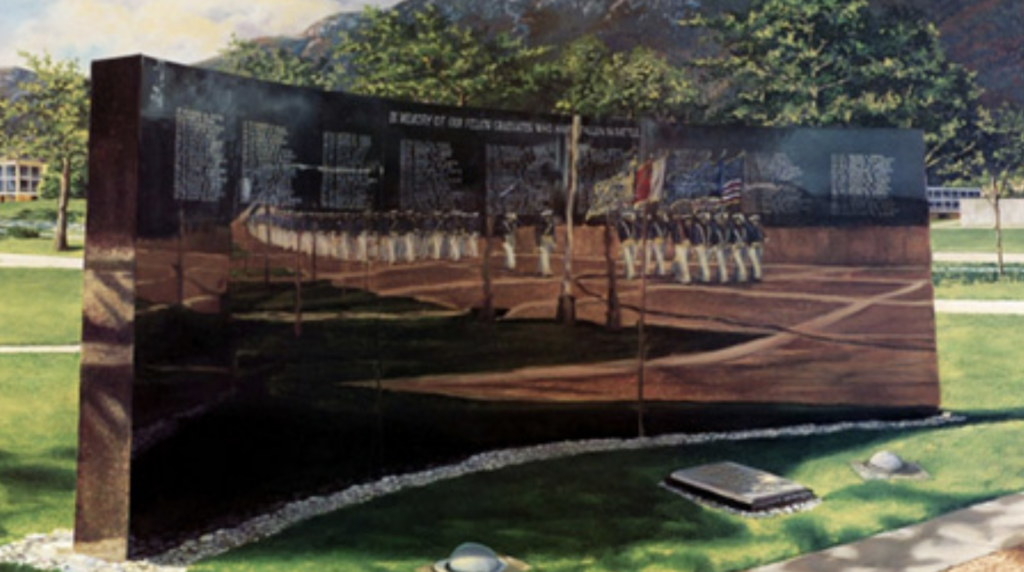
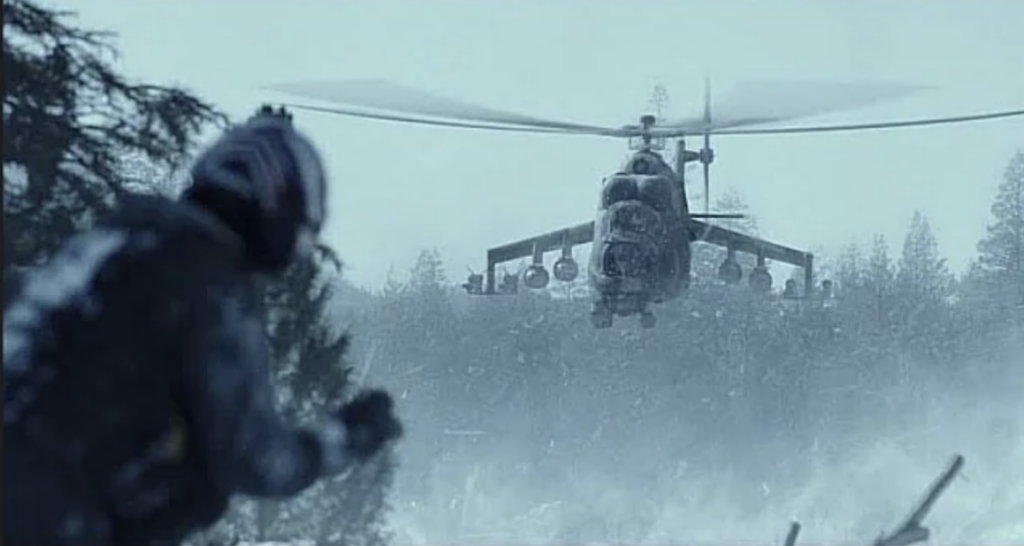
First Lieutenant Laura Ashley Piper, the first female grad to achieve such an undesirable honor, earned her spot on the USAF Academy Memorial Wall by being in a UH-60 Black Hawk over the no-fly zone of northern Iraq. On April 14, 1994, two USAF F-15 pilots mistook her US Army Black Hawk, and the one flying with them, for Iraqi Mi-24 Hinds, and shot them down. Twenty-six US personnel and allies died (Isloa, Necessary Turbulence, p. 104).
As I mentioned in Part I of the Crossfire series, there’s nothing “friendly” about friendly fire.
The ‘Hawks were squawking incorrect IFF codes. Those F-15 pilots each made a visual identification pass, 300+ knots faster than the helicopters were flying. Ever tried to PID something you drove past at 300 MPH?
Both Eagle drivers saw sponsons, stubby, wing-like attachments for hanging fuel and ordnance off of choppers. Sponsons are a Hind trademark, but they are also sometimes mounted on Black Hawks.
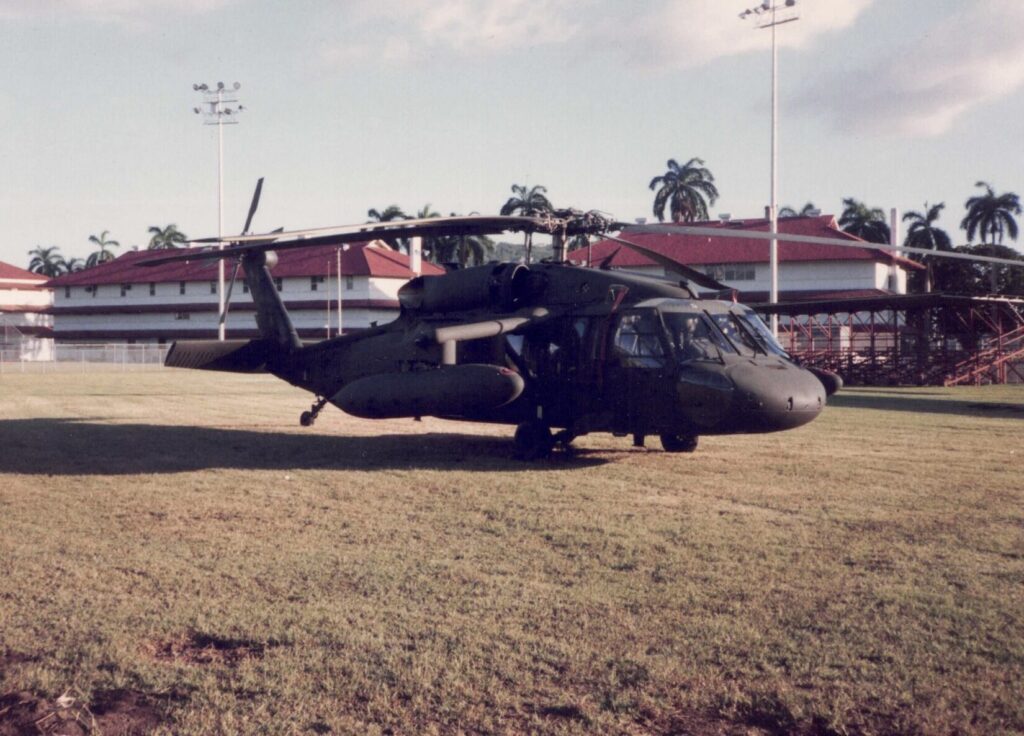
We tend to see what we want or expect to see
The Eagle drivers’ eyes perceived what all fighter pilots want to see: enemy aircraft they could shoot down. They did not make a second pass to verify, even though Hinds would have posed little risk to the fast movers. All tech can fail. The only sensors the enemy can’t jam are your eyes. Use them.
AWACS, the Airborne Warning and Control System, is a very expensive aircraft that takes dozens of people to operate. One of the main purposes of the AWACS is to manage crowded airspace and help pilots with IFF. Nobody on the AWACS monitoring the northern no-fly zone over Iraq that day caught the mistake.
But make no mistake: the ultimate responsibility for the lives of the people in your sights rests on you, the person pulling the trigger.
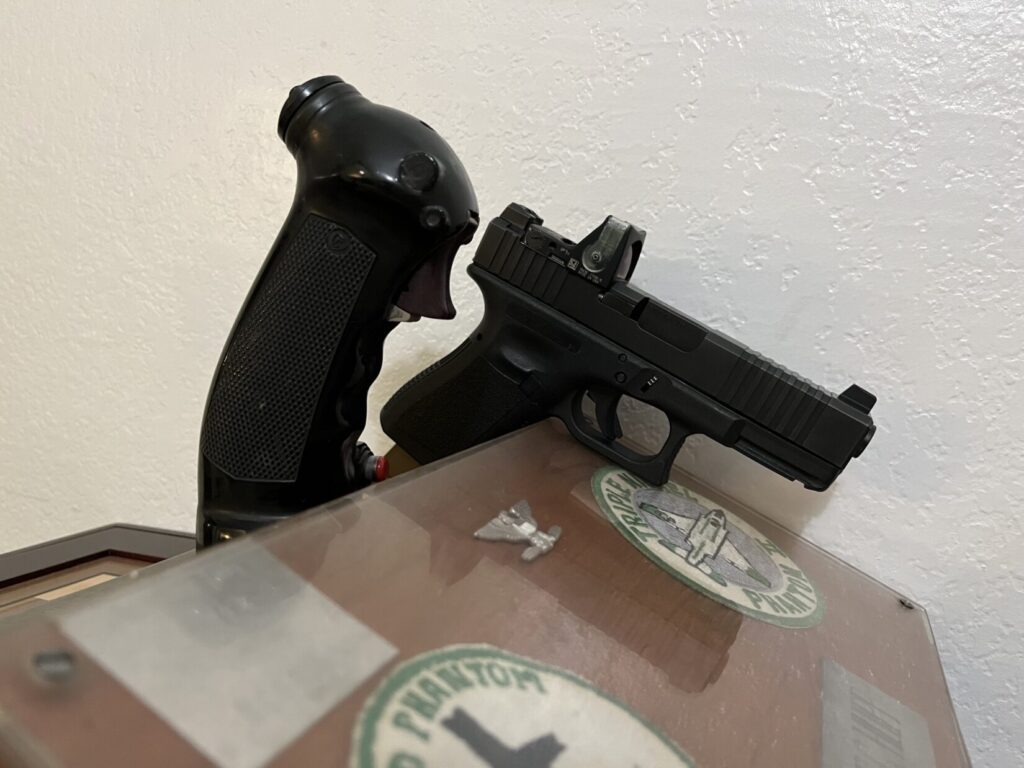
If you’re sure the person in your sights constitutes a deadly force threat, do not hesitate to pull that trigger. Just make sure you are certain.
requirement to disobey unlawful orders
If your commander is a lieutenant named Bill Calley, and he tells you those youth and old ladies at My Lai are VC who need to be shot, you are not required to take his word for it. In fact, United States soldiers, sailors, airmen, Space Force guardians, and Marines are required by law to disobey patently unlawful orders.
You have to make deadly force decisions on your own, based on threat behavior you personally observe.
Red Dot vs. LPVO: Which Helps PID?
I don’t know what sort of optic that responding officer at Robb Elementary was running on that patrol rifle. The main premise behind Clint Smith’s Urban Rifle, Jeff Gonzales’ Combative Carbine, and many police patrol rifle programs is that Stateside rifle engagements are more often across a street, or even across a hood, than at distance.
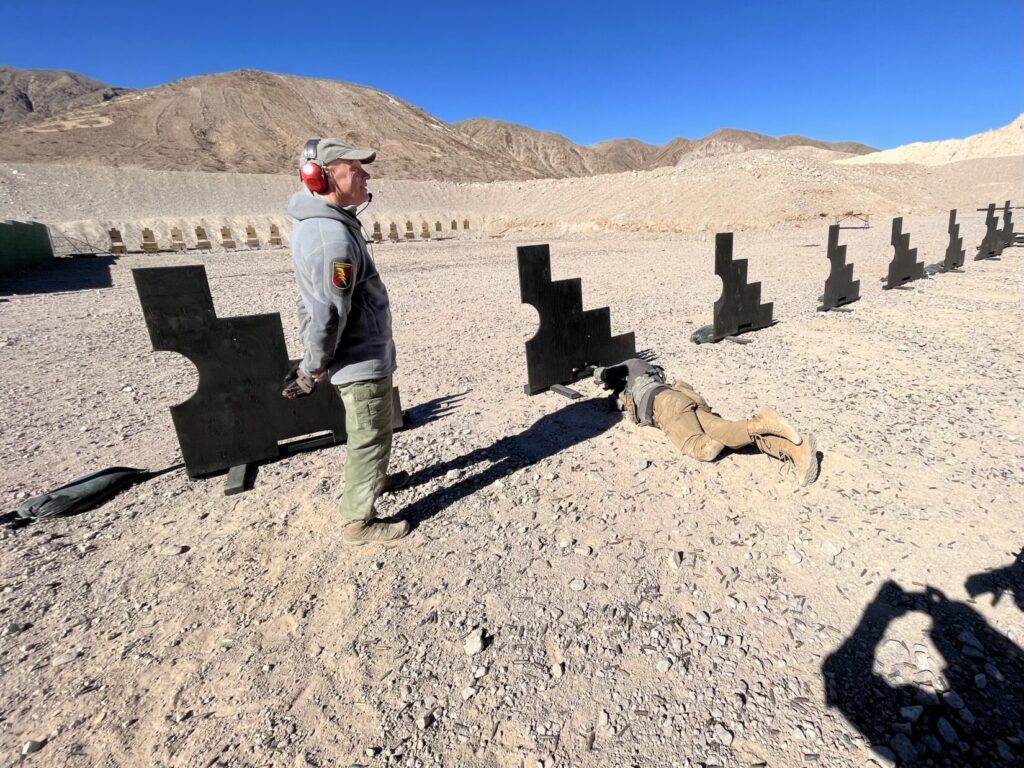
zero-parallax red dots
A (near-) zero parallax, zero magnification optic is a better sight for 99 percent of the social work you might do with a rifle. Statistically, you will usually be close enough to easily PID your threat.
parallax with magnified optics
Unlike those “red dot” optics, a magnified scope requires that the shooter’s eye be precisely aligned with the center of the scope. Such alignment is easy to maintain from a bench on a range.
If you are in an awkward “field expedient” shooting position, your eye may drift toward the outer edges of the image visible through the scope. That can cause “parallax,” or aiming errors.
It may be that no optic made by man is 100 percent parallax-free, but quality zero-magnification optics made by reputable manufacturers tend to be very close to zero parallax. That makes them intuitive, quick to use, and hard to miss with, at close to medium range, which is why the US Army, composed primarily of young people with clear eyesight, chose to go to unmagnified red-dots.
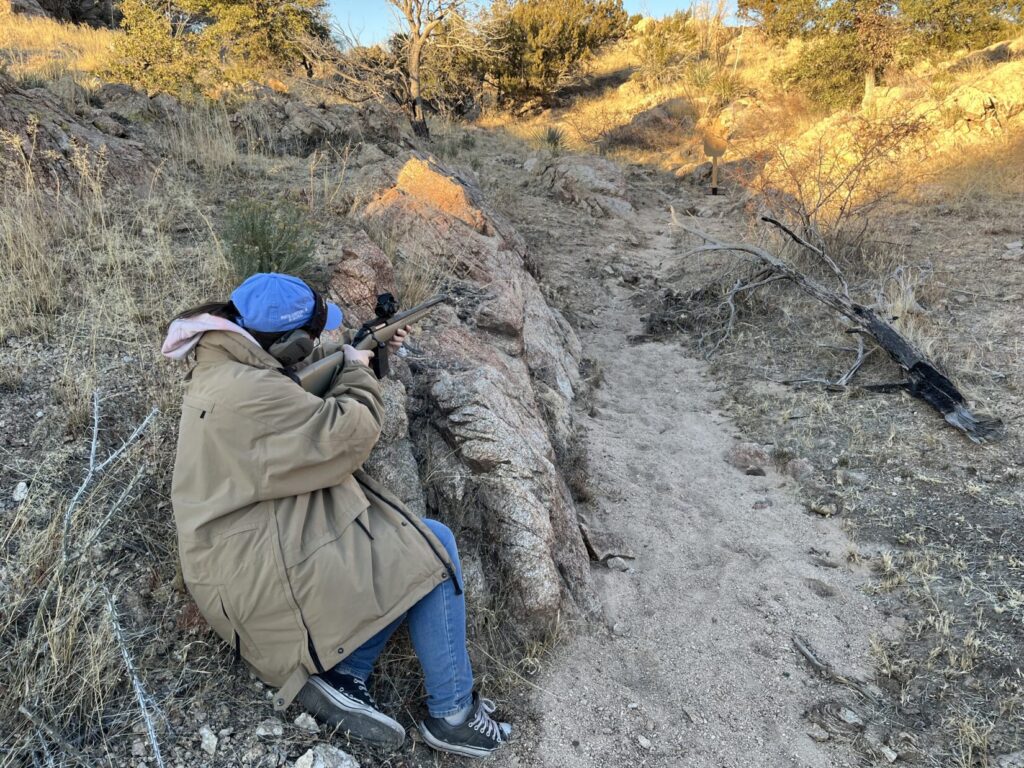
If the spree killer who caused a multi-car pileup is sniping from an overpass, and clearly silhouetted against a skyline–think, for example, of the footbridge at Bondi Beach—you might be able to PID him as a threat with the naked eye. Even through a zero magnification optic, even at considerable distance.
But the (second) man in black at Robb was not silhouetted. He was also over a football field away.
how magnified optics can help with PID
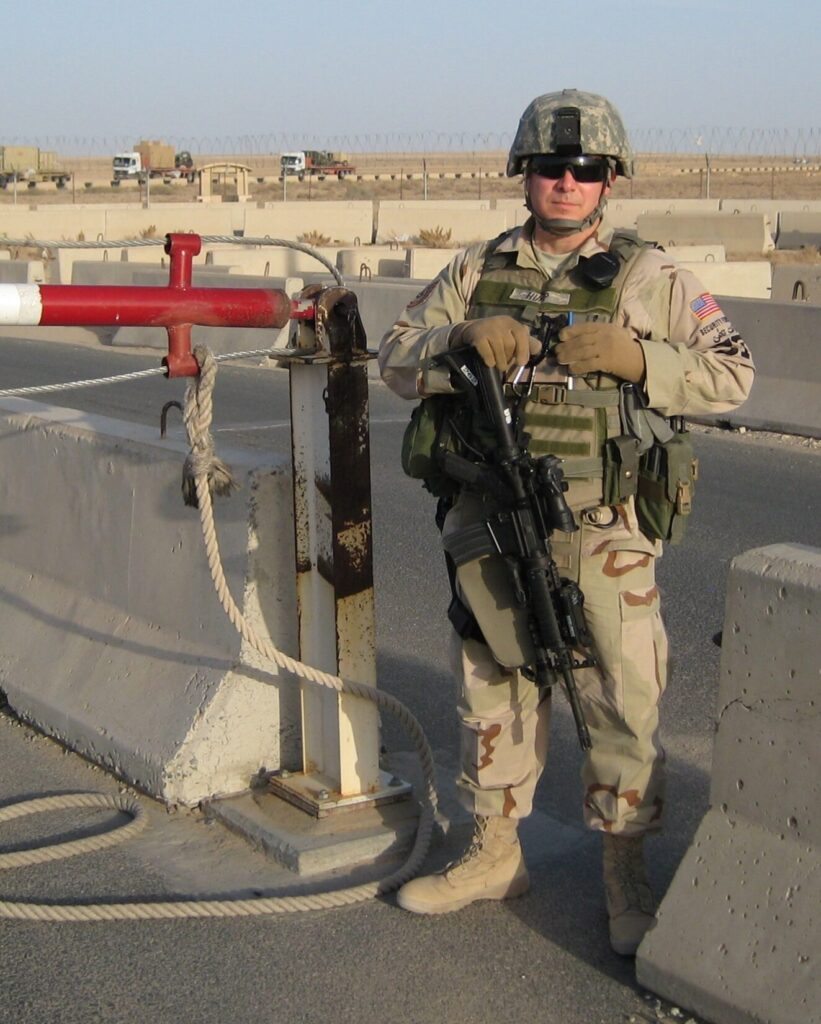
A low power variable optic (LPVO) is not zero parallax, even on 1x magnification. But an LPVO can help you identify if your man in black at over 100 yards is, or is not, a threat.
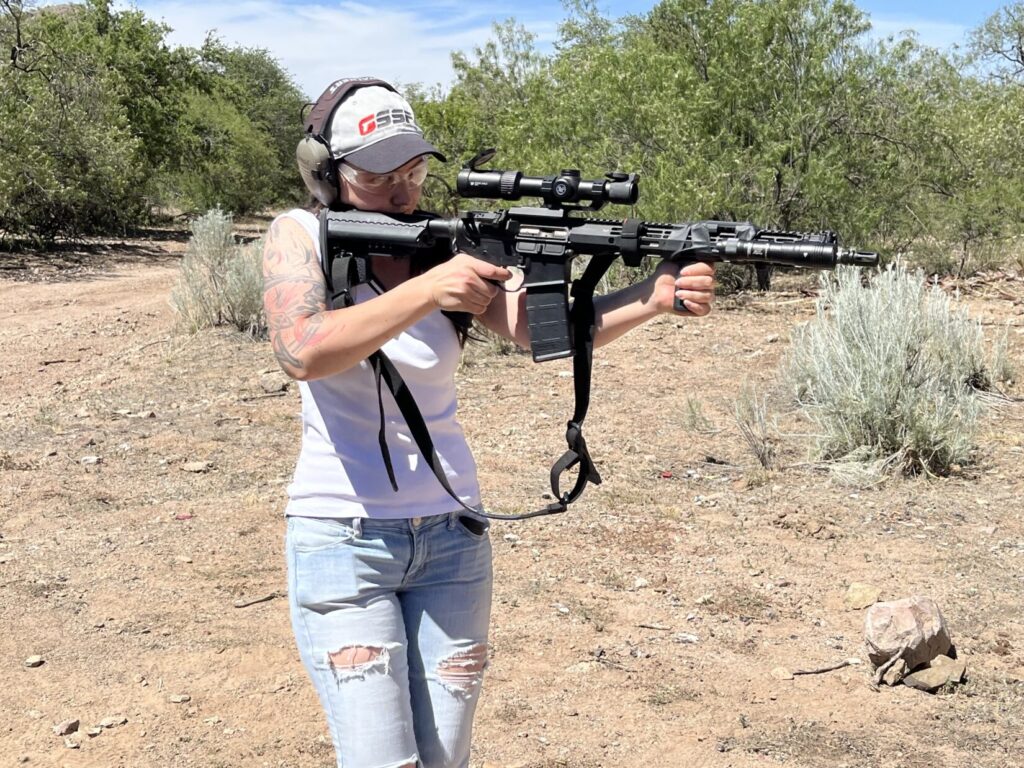
We scan a crowd with binoculars, not a scoped rifle. But if someone who catches our attention (Condition Orange) puts us definitely in Red, we would use the lowest power setting on an LPVO to acquire the threat, then dial the magnification up far enough to hit what we aim at—and to verify that he was a threat.
The bullet drop compensator reticles (BDCs) of many LPVOs don’t work correctly unless the scope is dialed up to maximum magnification.
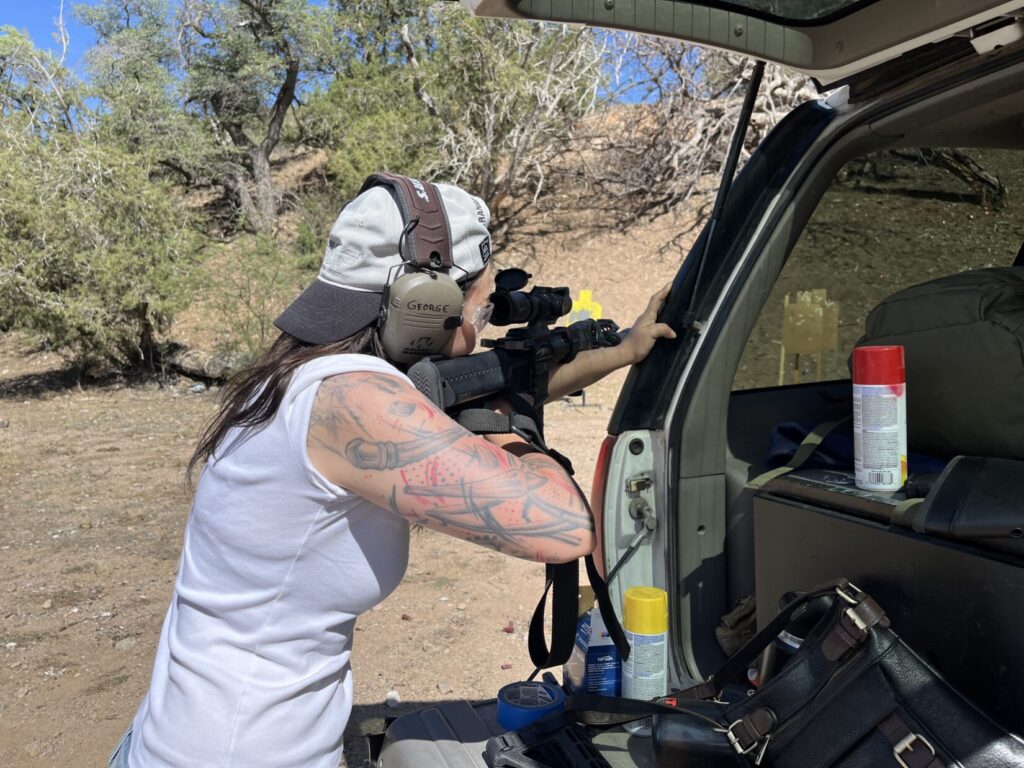
Most Stateside defensive shootings would be hard to justify at distances requiring holdover to compensate for bullet drop, but stranger things have happened. In a rural area of the Phoenix metro valley, a rifle-armed officer on a hill several hundred meters away hit and stopped a suspect aiming a gun at a helicopter.
“cease fire!” means cease firing
During Operation Just Cause, Manuel Noriega’s forces (PDF and/or Dignity Battalion irregulars) attacked a US post office at Albrook Air Force Station. Shelter-in-place orders had just been lifted, so dependents, spouses and children of US service members were mailing packages home before being evac’ed back to the ‘States.
Shortly after he and his team returned from Panama in 1990, TSgt Ron Kisselovich told me what happened next. That was a few decades ago, so forgive me if I get some of the details wrong or out of order.
Gun battle at the base post office
Dependents were pinned down in the parking lot of the post office. Kisselovich and his team began grabbing them, hiding the younger ones behind flaps of their flak vests as well as they could, and dragging them behind cars. AK bullets were hitting the cars they were using as cover.
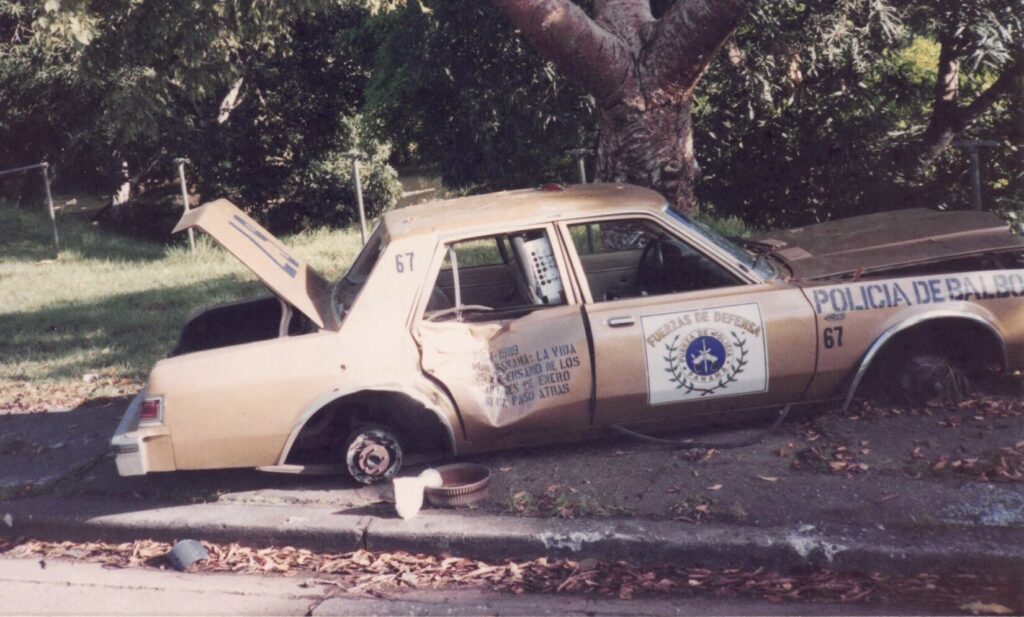
Another USAF Security Police team began pushing the Panamanian troops across an open field. A US Army team rolled up and deployed from their vehicle. The Army M-60 machine gunner began hosing 7.62x51mm NATO at everyone in the field, friends and foes alike.
Kisselovich yelled at him to “Cease fire!” but the gunner didn’t hear him. Ron ran over and practically screamed in his ear. The gunner looked up with an expression that said “I don’t work for you,” and then continued lighting up everybody in the field.
At police academies, recruits are given a mantra that can keep them from getting locked into endless debates with subjects who can’t see reason: “Ask, Tell, Make.” That’s kind of a “three strikes, you’re out” plan. Kisselovich was a powerlifter, built like a tank. He kicked the M-60 gunner in the ribs hard enough to flip him over. That ended the Blue-on-Blue before it became fratricide.
conclusion
If your own personal IFF scanning sees something your teammates don’t see, and you realize they are targeting the wrong people, let them know ASAP. Don’t take no for an answer.
In the next installment of the Blue-on-Blue Crossfire series, we’ll show you an exercise you can use to train against indulging in sympathetic fire.
Catch up on Part I: The Deadly Doughnut and Part II: Plunging Fire.